Category: Shopping Tips

  • Free Resources Learn Smart Grocery Shopping And Mea

    Finding good ways to shop smarter and plan meals can feel like a puzzle. It’s easy to spend too much money at the store. Sometimes, you end up with food you don’t use.

    This can be frustrating. But it doesn’t have to be that way. You can learn simple tricks.

    These tricks help you save cash. They also help you eat healthier meals. We’ll look at ways to get these helpful tips for free.

    Smart grocery shopping and meal planning can save you time and money. Many free resources exist to help you learn these skills. You can find practical tips online, through apps, and from community programs. Learning these basics leads to less food waste and more balanced meals.

    What is Smart Grocery Shopping and Meal Planning?

    Smart grocery shopping is all about being a savvy shopper. It means you go to the store with a plan. You know what you need.

    You also know what you can afford. You look for good deals. You don’t buy things you don’t need.

    It’s like being a detective for your food budget. You find the best items at the best prices.

    Meal planning is just as important. It’s about deciding what you will eat. You do this before you go to the store.

    This helps you make a list. You only buy the food for the meals you planned. This stops impulse buys.

    It also helps use up the food you buy. You end up wasting less. Both skills work together.

    They make your kitchen life easier. They also save your wallet.

    Why does this matter? Well, food costs can add up. Groceries are a big part of many family budgets.

    When you shop smart, you keep more money in your pocket. This money can go towards other important things. Or maybe you just want to save more.

    Meal planning also cuts down on stress. You won’t have those “what’s for dinner?” moments every night. You know what’s cooking.

    Many people think learning these skills takes a lot of time or money. That’s not true. There are tons of free tools and ideas out there.

    You just need to know where to look. We are going to explore these free resources. You’ll learn how to use them.

    You will see how they help you. Get ready to change the way you shop and eat.

    My Own “Oops” Moment at the Grocery Store

    I remember one time, not too long ago. It was a Tuesday. I felt tired after a long day at work.

    My fridge looked pretty empty. I thought, “I’ll just pop into the store quickly.” I grabbed a basket. Then, I just started walking.

    I picked up a few things that looked good. Some fancy cheese. A few gourmet cookies.

    A new kind of soda. I didn’t have a list. I wasn’t thinking about meals.

    By the time I got to the checkout, my bill was much higher than I expected. I felt a pang of worry. Then, I got home.

    I put the groceries away. That fancy cheese sat in the fridge for a week. The cookies were gone too fast.

    The soda never got drunk. I had spent good money. But I didn’t have much to show for it.

    It felt wasteful. I felt a bit foolish. That feeling stuck with me.

    It made me want to find better ways. Ways to be more in control.

    That experience was a wake-up call. It showed me how easy it is to overspend. It highlighted the need for a plan.

    Since then, I’ve tried many different methods. Some worked better than others. I learned that planning isn’t rigid.

    It can be flexible. It can actually be fun. Finding free resources was key.

    They showed me simple steps. They made big changes feel possible. Now, I rarely overspend.

    And my fridge is full of food I will actually eat.

    Smart Shopping Checklist

    What to bring:

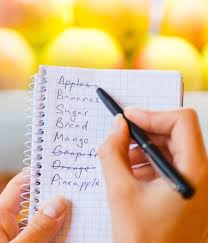
    • A grocery list (written or on your phone)
    • Reusable shopping bags
    • A calculator (or your phone’s calculator)
    • Coupons (if you have them)

    Before you go:

    • Check your pantry and fridge.
    • Plan your meals for the week.
    • Make your list based on meals and what you have.

    At the store:

    • Stick to your list.
    • Compare prices (unit prices are best).
    • Look for sales and store brands.

    Where to Find Free Smart Shopping Resources

    Okay, so you want to get better at this. You want to shop smarter and plan meals. The good news is, you don’t need to buy fancy books or courses.

    There are so many free resources. Let’s break them down. We’ll look at the most helpful places.

    Government & University Extension Offices

    This might sound official. But these places are goldmines. Many universities have extension programs.

    They focus on helping people in their communities. This includes food and nutrition. You can often find free fact sheets.

    They have guides on budgeting and meal planning. They might even offer free workshops. These are usually practical and based on solid research.

    Think of them as trusted advisors. They aren’t trying to sell you anything. They just want to help you live better.

    You can usually find your local office online. Just search for ” University Extension Office”. Look for their “Family and Consumer Sciences” or “Nutrition” sections.

    You’ll find a wealth of information there. It’s often written in simple language.

    Non-Profit Organizations

    Many groups work to fight hunger and improve health. They often offer free resources. Some might have websites with recipes.

    Others might share budgeting tips. They understand that people need help with food costs. They aim to provide that help in accessible ways.

    Feeding America is one big example. They have many local partners. These partners often have useful info.

    Look for organizations focused on food security or healthy living. They might have blog posts, downloadable guides, or even free classes. These can be great for understanding the “why” behind smart shopping.

    They also offer practical “how-to” steps. You can often find these by searching for “food assistance programs” or “nutrition education non-profits” in your area.

    Grocery Store Resources

    Your local grocery store might surprise you. Many stores have websites. These sites often feature weekly ads.

    But some go further. They might have recipe sections. They often highlight healthy and budget-friendly meal ideas.

    Some even have short videos. These can show you how to cook certain dishes.

    Store brands are also a great place to start. Often, they are cheaper than name brands. But they are made by the same companies.

    So, you’re getting good quality. Many stores will have flyers near the entrance or at customer service. These can list sales and give tips.

    Just be mindful that their main goal is to sell. But you can still get good ideas from them.

    Meal Planning Myth vs. Reality

    Myth: Meal planning takes too much time.

    Reality: A quick 15-minute plan can save hours later. It stops last-minute, expensive takeout.

    Myth: Meal plans are always boring and repetitive.

    Reality: You can be creative! Use theme nights, try new recipes, or repurpose leftovers.

    Myth: You need to buy special ingredients.

    Reality: Focus on affordable staples. Use what’s in season and on sale.

    Budgeting and Personal Finance Blogs/Websites

    Many personal finance experts focus on saving money. Food is a huge part of that. You’ll find tons of blogs and websites dedicated to budgeting.

    Many of them have specific sections on grocery savings. They share tips on how to cut your food bill. They might talk about couponing.

    Others focus on finding the best deals.

    These sites often have a friendly, encouraging tone. They understand the struggles of managing money. Look for sites that offer free printables.

    These could be budget trackers or meal planning templates. Search for terms like “grocery savings tips,” “budget meal planning,” or “frugal grocery shopping.”

    Recipe Websites and Cooking Blogs

    Beyond just finding recipes, many of these sites offer great planning tools. Look for sites that let you save recipes. Some even have features to build a meal plan.

    You can often sort recipes by cost. Or by how long they take to make. Many focus on simple, everyday meals.

    These are perfect for busy families.

    Consider sites that focus on budget cooking. Or those that emphasize using pantry staples. You can find amazing ideas for stretching ingredients.

    Think about using cheaper cuts of meat. Or using beans and lentils to fill out meals. Websites like Budget Bytes or Cheapskate Monthly often have great content.

    Many offer free email newsletters too.

    Library Resources

    Don’t forget your local library! It’s a treasure trove of free information. Beyond books, many libraries offer access to online databases.

    Some of these databases might have cooking and nutrition magazines. You can also borrow cookbooks. Many cookbooks are specifically about budget cooking or quick meals.

    Libraries often host free workshops. These could be about cooking, budgeting, or even using technology for planning. Check your library’s event calendar.

    You might be surprised by what’s offered. It’s a quiet, accessible place to learn. And it’s all free with your library card.

    Apps and Online Tools

    The digital world offers many free tools. There are apps for everything these days. Some popular recipe apps let you save recipes and build meal plans.

    Others help you track your pantry inventory. There are also apps that scan grocery store flyers for deals. Some even help you create shopping lists.

    Examples include apps like Mealime, Paprika, or Yummly. Many of these have free versions. These free versions often provide enough features for meal planning and shopping.

    Websites like Allrecipes.com or SuperCook.com let you enter ingredients you have. Then they suggest recipes. This is great for using up what’s already in your kitchen.

    Quick Scan: Your First Steps

    Action Why it Helps
    Check pantry/fridge Prevents buying duplicates.
    Plan 3-5 meals Gives direction for your list.
    Make a shopping list Keeps you focused in store.
    Compare weekly ads Finds best deals and sales.

    Putting Free Resources into Action: Step-by-Step

    Knowing where to find things is one part. Actually using them is another. Let’s walk through how you can start.

    We’ll make it simple. You can do this today.

    Step 1: Assess Your Current Habits

    Before you change anything, look at what you do now. How often do you shop? Do you usually go with a list?

    How much do you spend each week? Where does your food go? Do you throw away a lot of produce?

    Do you often buy things you don’t use?

    Be honest with yourself. You don’t need to judge. Just observe.

    Maybe take notes for a few days. What are your typical impulse buys? What meals do you struggle to plan?

    Understanding your patterns is the first step to improving them. This assessment doesn’t cost a thing. It just takes a little time and thought.

    Step 2: Choose Your Learning Tools

    Now, pick one or two free resources to start with. Don’t try to use everything at once. That can be overwhelming.

    Maybe you like the idea of government guides. So, check out your local university extension website. Or maybe you prefer a cooking blog.

    Find one that focuses on budget meals.

    If you’re a visual learner, look for YouTube channels that offer tips. If you like apps, download one or two free meal planning apps. The key is to find what fits your style.

    What feels easy and enjoyable for you? Start there. You can always explore more later.

    Step 3: Start Simple with Meal Planning

    Begin by planning just a few meals. Maybe for 3-4 days. Pick meals that use common ingredients.

    Or meals that use ingredients you already have. Look at the recipes you found. Check the ingredients needed.

    I remember my first attempts. I tried to plan a whole week. It felt like too much.

    So, I scaled back. I decided to just plan dinners for Tuesday, Wednesday, and Thursday. That felt much more doable.

    I chose meals I knew my family liked. This made it easier to get started.

    Step 4: Make a Targeted Shopping List

    Once you have your meal plan, write your list. Go through each recipe. What ingredients do you need?

    Check your pantry, fridge, and freezer first. See what you already own. Cross those items off your list.

    Only write down what you truly need to buy.

    Organize your list. Group items by store section. For example, put all produce together.

    Then dairy. Then dry goods. This saves time in the store.

    It also helps you avoid wandering down aisles where you might buy extra things.

    When you’re at the store, try to stick to the list. This is where self-control comes in. If you see something not on your list, ask yourself: “Do I really need this?” “Does it fit into my meal plan?” “Is it a good price?” Often, the answer is no.

    And that’s okay. You’re sticking to the plan.

    Step 5: Prep Ahead When Possible

    When you get home from the store, a little prep work can save a lot of time later. Wash and chop vegetables. Cook grains like rice or quinoa.

    Portion out snacks. This is called “meal prep.” It makes weeknight cooking much faster.

    Even 15-30 minutes of prep can make a big difference. You can chop onions and peppers for a stir-fry. Or pre-cook chicken breasts.

    This way, when you’re tired, you have ingredients ready to go. It stops you from reaching for takeout menus. It’s a habit that builds over time.

    You don’t have to do it perfectly.

    Your Smart Shopping Toolkit

    Essential Tools:

    • Meal Planning Template: Free printables available online.
    • Recipe Collection: Use a notebook, app, or Pinterest board.
    • Shopping List App: Many free options exist.
    • Unit Price Awareness: Look at price per ounce or pound.

    Helpful Habits:

    • Checking sales flyers before shopping.
    • Buying store brands when quality is similar.
    • Limiting trips to the grocery store.
    • Using leftovers creatively.

    Real-World Scenarios: Smart Shopping in Action

    Let’s look at how these ideas play out in everyday life. It’s not just about theory. It’s about making it work for you.

    Scenario 1: The Busy Weeknight Dinner Dash

    It’s 6 PM. You just got home. The kids are hungry.

    You’re tired. Without a plan, this is when you might order pizza. But with smart planning, you’re ready.

    Your meal plan says “Chicken Stir-fry.” You prepped the chicken and chopped veggies on Sunday. You already have rice cooked in the fridge. You just need to toss everything in a pan.

    It takes about 15 minutes. Dinner is on the table. You saved money and made a healthier meal.

    This was possible because you spent a little time planning and prepping earlier.

    Scenario 2: Avoiding Food Waste

    You bought a bunch of cilantro for one recipe. Now it’s wilting in the fridge. Or you have half a can of tomatoes.

    With smart meal planning, you can use these things up. You might plan a second meal that uses cilantro, like tacos or a salsa.

    Maybe you have leftover roasted chicken. Instead of letting it go bad, you plan “Chicken Salad Sandwiches” or “Chicken Noodle Soup” for lunch the next day. Using up what you have prevents waste.

    It also saves you money because you don’t have to buy those ingredients again.

    Scenario 3: Shopping on a Tight Budget

    You have a limited amount of money for groceries this week. You check the weekly ads online. You see chicken thighs are on sale.

    Potatoes are cheap too. You plan your meals around these sale items.

    You might buy a large pack of chicken thighs. You use some for a roast chicken. Then, you use the rest for chicken tacos.

    You might make mashed potatoes as a side. You’re getting multiple meals from one sale item. You also focus on pantry staples like rice, beans, and pasta, which are usually low-cost.

    In these scenarios, the common thread is preparation. It’s about thinking ahead. Using the free resources to guide your choices.

    It makes the whole process less chaotic. It also makes it more successful.

    What This Means for You: When to Worry and When to Relax

    It’s important to know that not every shopping trip will be perfect. Some weeks, things happen. You might overspend.

    Or you might not get to prep. That’s okay. The goal is progress, not perfection.

    When It’s Normal

    It’s normal to have weeks where your grocery bill is higher. Maybe there was a special occasion. Or you needed to stock up on something.

    It’s also normal to sometimes forget an item and have to go back to the store. Life is busy. Things don’t always go according to plan.

    It’s normal to still enjoy treats. Smart shopping doesn’t mean giving up everything you love. It means making those choices mindfully.

    You can decide if that special item is worth the cost. Or maybe you find a cheaper way to get a similar enjoyment.

    Also, don’t feel pressured to buy only organic or specialty items. Focus on what fits your budget and your needs. If conventional produce is what you can afford, that’s fine.

    The main goal is to eat balanced meals.

    When to Pay More Attention

    You might want to pay more attention if you consistently:

    • Spend way more than you planned each week.
    • Throw away a lot of food regularly.
    • Feel stressed or anxious about grocery shopping.
    • Rely heavily on convenience foods or takeout because you don’t have time to cook.
    • Notice your pantry or fridge is always full of items you don’t use.

    These are signs that your current approach might not be working. It’s a good time to revisit the free resources. Try a different planning method.

    Or focus on just one aspect, like making a list.

    Simple Checks You Can Do

    Periodically, do a quick check:

    • Pantry Audit: Once a month, look through your pantry. What do you have a lot of? What’s about to expire? Plan meals around those items.
    • Budget Review: How did you do this week? Did you stay within your grocery budget? If not, what was the reason?
    • Food Waste Check: What did you throw away this week? Can you plan meals to use those items next time?

    These simple checks help you stay on track. They are part of the learning process. They help you adjust your strategies.

    Remember, the aim is to make your life easier and save money, not add stress.

    Quick Tips for Smarter Shopping and Planning

    Here are some super simple tips you can use right away:

    • Shop Your Kitchen First: Always check what you have before making a list.
    • Plan Around Sales: Look at weekly ads. Build meals around what’s on sale.
    • Buy Store Brands: For many items, they are just as good.
    • Don’t Shop Hungry: You’ll buy more impulse items when you’re hungry.
    • Use Frozen Veggies: They are often cheaper. They last longer. They are just as healthy.
    • Cook Once, Eat Twice: Make extra of a meal. Eat leftovers for lunch or dinner the next day.
    • Embrace Simple Meals: Not every meal needs to be fancy. A baked potato with beans is great!
    • Limit Packaged Snacks: They are expensive and often not very healthy.
    • Use a Physical List: Some people find it easier to stick to a paper list.
    • Set a Grocery Budget: Know how much you can spend before you go.

    These tips are small changes. But they can add up. They make a big difference over time.

    You don’t need to do them all at once. Pick one or two to try this week.

    Your Weekly Game Plan: A Sample Flow

    Saturday/Sunday:

    • Check pantry, fridge, freezer.
    • Browse weekly grocery ads.
    • Plan 3-5 meals for the coming week.
    • Make a detailed shopping list.
    • Optional: Do some meal prep (chop veggies, cook grains).

    Monday/Tuesday:

    • Go grocery shopping with your list. Stick to it!
    • Unpack and store groceries.

    Weeknights:

    • Follow your meal plan.
    • Use any prepped ingredients.
    • Get creative with leftovers.

    Frequently Asked Questions

    Is it really possible to plan meals for free?

    Yes, absolutely! There are many free resources like government websites, university extensions, library books, and budget blogs that offer meal planning guides, templates, and recipes. You don’t need to pay for a course to learn how to do it effectively.

    How much time does meal planning actually take?

    It varies, but many people find that a quick 15-30 minute planning session once a week is enough. The time saved by not having to figure out dinner each night, and by avoiding impulse buys, often makes it worthwhile.

    I always buy too much produce and it spoils. What can I do?

    Try planning meals that use produce together. For example, if you buy a bunch of broccoli and a bag of carrots, plan a stir-fry or roasted vegetable medley. Also, consider buying some items frozen, as they last much longer.

    Don’t shop when you’re hungry, as this leads to impulse buys of things you might not use.

    What if my family is picky?

    Start by planning meals that you know your family already likes. Then, gradually introduce one new recipe or ingredient per week. You can also involve your family in the planning process.

    Ask them what they’d like to eat. Sometimes, letting them have a choice makes them more willing to try new things.

    Are store brands really cheaper and good quality?

    Often, yes. Many store brands are made by the same manufacturers as name brands. They typically cost less because the store doesn’t have to spend as much on advertising.

    For many staple items like flour, sugar, pasta, and canned goods, the quality is very similar. It’s worth trying them to see if you like them.

    I don’t have a lot of time to cook. Can I still meal plan?

    Definitely! Focus on simple, quick meals. Things like pasta dishes, sheet pan dinners, slow cooker meals, or large salads can be very fast.

    Meal prepping some ingredients ahead of time, like chopping vegetables or cooking grains, can also save significant time during the week.

    How can I track my grocery spending for free?

    You can use a simple notebook and pen to write down everything you buy. Many free budgeting apps also allow you to track spending. Some grocery store apps might also show you your spending history if you use their loyalty card.

    Conclusion

    Learning to shop smarter and plan meals is a journey. It’s not about becoming perfect overnight. It’s about taking small, consistent steps.

    You have access to so many free tools. They can guide you. They can make the process easier.

    You can save money. You can reduce food waste. And you can eat well.

    Start today with one simple tip. You’ve got this!

  • Beginner Mistakes Smart Grocery Shopping And Mea

    Strolling through the grocery store aisles can feel like a treasure hunt. You’re looking for good food that fits your budget. But sometimes, what seems like a smart move can end up costing you more.

    Or worse, you end up with food that goes bad before you can eat it.

    Many of us start grocery shopping with the best intentions. We want to eat healthier. We want to save money.

    We dream of delicious home-cooked meals. Yet, we often fall into common traps. These little mistakes can add up quickly.

    They can make your food bill higher than it needs to be.

    Don’t worry. You’re not alone. We’ve all been there.

    This guide is here to help. We will look at the common slips people make. We’ll explore how these lead to wasted money and food.

    More importantly, we will learn how to avoid them. Get ready to shop smarter. Let’s make your grocery trips more successful.

    Smart grocery shopping means more than just filling your cart. It’s about planning, knowing what you need, and buying wisely to reduce waste and save money. Avoiding common mistakes helps you get the most value from your food budget.

    What Smart Grocery Shopping Really Means

    At its heart, smart grocery shopping is about being intentional. It’s not just about buying food. It’s about buying the right food.

    You want food that you will actually use. You want it to be good for you. And you want to pay a fair price for it.

    Think about it. A trip to the store involves many choices. What aisle do you go down first?

    Do you grab that brightly colored box? Do you pick up the sale item without thinking? These small decisions matter.

    They shape what ends up in your kitchen.

    Smart shopping also looks at the bigger picture. It’s about reducing food waste. When food spoils, your money is literally thrown away.

    It’s about making your budget work harder. Every dollar saved on groceries can go towards other important things.

    This approach involves a few key ideas. It means knowing your kitchen. It means understanding your eating habits.

    It means being a savvy consumer in the store. And it means being mindful of your impact on the planet. It’s a full circle approach to feeding yourself and your family.

    My Own Grocery Store Stumbles

    I remember one trip vividly. I was excited about a new recipe I’d found. It called for a very specific, somewhat fancy ingredient.

    I went to the store, found it, and bought it. I pictured myself making this amazing dish. Then life happened.

    A friend invited me out for dinner. Then I had a busy week at work. Before I knew it, the fancy ingredient was wilting in my fridge.

    It sat there, mocking me. I felt so guilty. And I felt like I’d wasted my money.

    That ingredient cost a good bit, too.

    It was a wake-up call. I realized I was buying things based on fleeting inspiration or just because they looked good. I wasn’t connecting those purchases to my actual life.

    My fridge often became a graveyard for good intentions. This happened more than once. It made me rethink how I approached the grocery store.

    I started to see the value in a more thoughtful plan.

    Common Pitfalls: What Trips People Up

    Impulse Buys: Grabbing items not on your list, often swayed by sales or attractive displays.

    Overbuying Produce: Purchasing more fruits and vegetables than you can eat before they spoil.

    Ignoring Expiration Dates: Buying items that are too close to their sell-by date, leading to quick waste.

    Not Checking Your Pantry First: Buying duplicates of items you already have.

    The Big Mistakes Smart Shoppers Avoid

    Let’s talk about the most common slips. These are the things that make your grocery bill climb. They also lead to a lot of wasted food.

    Knowing these can help you steer clear.

    One of the biggest issues is shopping without a plan. People walk into the store without a list. They might have a vague idea of what they want.

    But without a concrete list, it’s easy to get sidetracked. You might buy things you don’t need. You might forget essential items.

    Another mistake is buying in bulk too often. Sales on large packages look great. But if you can’t use it all, it’s a waste.

    This is especially true for perishable items. Think about that giant tub of yogurt. If your family only uses a little, half of it might end up in the trash.

    Then there’s the issue of ignoring unit prices. The big package often looks cheaper. But is it really?

    Sometimes a smaller package is a better deal per ounce or per pound. You need to check the unit price tag. This is often printed on the shelf below the item.

    Many people also fall for “showrooming”. This means you see something in the store, think about it, and then leave. You might buy it later online.

    But for groceries, this often means you don’t get the freshest items. Or you might forget it altogether.

    Finally, not understanding sales is a trap. Stores use sales to get you to buy things. A “buy one, get one free” deal sounds amazing.

    But do you need two? If not, you’re still paying for one item you might not use fully.

    Mistake 1: Going to the Store Empty-Handed

    This is probably the number one mistake. You walk into the grocery store. You have no list.

    You might have a general idea. “I need some fruit.” “Maybe some chicken.” But without a specific list, your brain is open to suggestion.

    The colorful displays catch your eye. The special end caps with new products draw you in. You see a tempting snack on sale.

    Suddenly, your cart is filling up with things you didn’t plan for. This leads to impulse buys.

    These impulse buys often aren’t part of your planned meals. They might be treats. They might be items you’ve never used before.

    They often sit in your fridge or pantry, unused. Then they expire. This is money down the drain.

    A simple shopping list stops this. It keeps you focused on what you actually need.

    Mistake 2: Overstocking Perishables

    Fruits, vegetables, dairy, and fresh meats are great. They are important for a healthy diet. But they also go bad quickly.

    A common mistake is buying too much of them.

    You see beautiful strawberries on sale. You buy three large containers. Your plan was to eat them with breakfast for a few days.

    But halfway through the week, two containers are moldy. You only ate from one.

    This happens with lettuce, tomatoes, and even bread. Buying too much leads to waste. It’s better to buy less and go to the store a bit more often.

    Or, learn how to store these items properly so they last longer. This is a key part of smart grocery shopping.

    Quick Scan: Pantry Check First

    • Goal: Avoid buying duplicates.
    • Action: Before you make a list, look in your fridge and pantry.
    • What to look for: Items you are low on. Items you have plenty of.
    • Benefit: Saves money and reduces clutter.

    Mistake 3: Falling for “Buy One, Get One Free” Traps

    Sales are a big part of grocery shopping for many people. “Buy One, Get One Free” (BOGO) offers are very popular. They seem like a fantastic deal.

    You get two items for the price of one.

    But here’s the catch: Do you need two of that item? If the item is non-perishable, like canned soup or pasta, it might be okay. You can store it for later use.

    But if it’s something that expires, like fresh bread or yogurt, it can be a problem.

    If you end up throwing away the second item because it went bad, you didn’t save money. You paid full price for one item and got nothing for the other. It’s essential to ask yourself if you will use both items before they expire.

    Mistake 4: Ignoring the Unit Price

    Many stores clearly display the unit price for items. This is the price per ounce, per pound, or per item. It’s a vital tool for smart shopping.

    Often, the larger package has a lower unit price. This makes it seem like a better deal. But this isn’t always true.

    Sometimes, smaller packages are more efficient. Or, a different brand might have a better unit price.

    Always check the unit price. This helps you compare different sizes and brands fairly. It ensures you are truly getting the best value for your money.

    Don’t just look at the total price on the shelf. Look at the price per unit.

    Contrast: Sale vs. Need

    Normal Sale: Item is on sale, and you were planning to buy it anyway.

    Concerning Sale: Item is on sale, but you didn’t need it. You buy it “just in case” or because it’s a good deal.

    Smart Strategy: Only buy sale items that are on your list or are non-perishable staples you always use.

    Mistake 5: Not Storing Food Correctly

    Even if you buy the right amount of food, it can still go bad if not stored properly. This is a huge area where mistakes happen. People put things in the wrong place.

    For example, some fruits and vegetables release ethylene gas. This gas speeds up the ripening of other produce around it. Tomatoes and bananas are good examples.

    If you store them with lettuce, the lettuce will wilt faster.

    Some items need to be refrigerated right away. Others are fine at room temperature. Knowing the best way to store each food item can make a big difference in its lifespan.

    It means less waste and more use from what you buy.

    The Power of Meal Planning

    Meal planning is the cornerstone of smart grocery shopping. It’s the antidote to many common mistakes. When you plan your meals, you create a roadmap for your shopping trip.

    Think about it this way: You decide what you’re going to eat for the week. Breakfast, lunch, and dinner. Once you have this plan, you can make a detailed grocery list.

    This list will be specific. It will tell you exactly which ingredients you need. You’ll know the exact quantity.

    This stops impulse buys. It prevents you from buying things you don’t need. It also ensures you don’t forget key items.

    Meal planning also helps reduce food waste. You’re more likely to use up the ingredients you buy. You can plan meals that use similar ingredients.

    For example, if you buy a whole chicken, you can plan a roast chicken dinner, then use the leftovers for chicken salad, and the carcass for stock.

    It takes a little time to plan. But the benefits are huge. You save money.

    You reduce waste. You eat healthier meals. And the stress of “What’s for dinner?” disappears.

    How to Start Meal Planning

    Getting started with meal planning doesn’t have to be hard. You don’t need fancy apps or complicated systems.

    Step 1: Choose Your Days. Decide how many days you want to plan for. Most people plan for 5-7 days.

    Step 2: Check Your Schedule. Look at your week. Are there nights you’ll be busy? Plan quick meals or leftovers for those nights.

    Are there nights you have more time? Plan more involved recipes.

    Step 3: Browse Recipes or Ideas. Look through cookbooks, online recipes, or just think about your family’s favorites. Pick meals that sound good and fit your schedule.

    Step 4: Make Your List. For each meal, write down the ingredients you need. Then, check your pantry, fridge, and freezer. Cross off anything you already have.

    Add the remaining items to your master shopping list.

    Step 5: Be Flexible. Life happens! Don’t feel tied to your plan if something comes up. You can swap meals or adjust as needed.

    Meal Planning Flow:

    Step 1: Pick 5-7 meals for the week.

    Step 2: Check your pantry/fridge.

    Step 3: Make your shopping list.

    Step 4: Shop using the list.

    Step 5: Cook and enjoy!

    Smart Produce Buying: More Than Just Pretty Colors

    Fruits and vegetables are the stars of a healthy diet. But they can also be a source of waste if not bought and stored wisely.

    One common mistake is buying produce based on how it looks alone. Bright, shiny apples might look perfect. But are they in season?

    Are they local? Sometimes, produce is picked too early and shipped long distances. It might look good, but the flavor can be bland.

    And it may spoil faster.

    Tip: Buy in Season. Produce that is in season is usually cheaper. It tastes better. And it’s more likely to be local.

    This reduces transportation costs and time. Farmers’ markets are great places to find in-season produce.

    Tip: Inspect Carefully. Don’t be afraid to look at the produce. For things like berries, check the bottom of the container. For things like lettuce or broccoli, look for wilting or brown spots.

    Choose items that feel firm and look fresh.

    Tip: Understand “Best By” vs. “Use By”. For produce, these dates are often more about peak quality than safety. Many items are still good to eat a few days past their “best by” date.

    Use your senses: look, smell, and taste (if safe) to decide.

    Tip: Don’t Overbuy. It’s better to buy a smaller amount of a few types of produce. You can always go back for more. This is especially true for delicate items like berries or leafy greens.

    Plan to use them within a few days.

    Tip: Learn Storage Secrets. Some items last longer when stored in the fridge. Others are better at room temperature. For instance, avocados ripen best on the counter.

    Potatoes and onions should be kept in a cool, dark place, but not together.

    Produce Storage Quick Guide

    Keep Separate: Bananas, apples, and tomatoes release ethylene gas. Keep them away from other fruits and veggies.

    Crispness: Leafy greens last longer when wrapped in a damp paper towel in a plastic bag in the fridge.

    Root Veggies: Potatoes, onions, and garlic prefer a cool, dark, dry place (not the fridge).

    Berries: Store unwashed in a breathable container in the fridge. Use them quickly.

    Pantry Power: Building a Smart Stockpile

    Your pantry is your secret weapon for smart grocery shopping. A well-stocked pantry means you’re less likely to make emergency trips to the store. These trips often lead to impulse buys.

    It also means you can make meals from what you have.

    The key is to stock staples that you use regularly. Don’t buy exotic ingredients you might use once. Focus on versatile items.

    Smart Pantry Staples:

    • Grains: Rice, pasta, oats, quinoa.
    • Legumes: Dried or canned beans, lentils.
    • Canned Goods: Tomatoes, corn, tuna, soup.
    • Baking Needs: Flour, sugar, baking soda, baking powder, oil.
    • Spices and Seasonings: Salt, pepper, herbs, spices.
    • Broth/Stock: Chicken, vegetable, or beef broth.
    • Long-lasting Produce: Potatoes, onions, garlic, winter squash.
    • Healthy Fats: Nuts, seeds, peanut butter.

    When you are meal planning, check your pantry first. You might find you already have half the ingredients needed for a meal. This saves you money and trips to the store.

    Keep your pantry organized. Use clear containers. Label everything.

    Store items with similar uses together. This makes it easy to see what you have. It also helps you use things before they expire.

    Pantry Organization Tips

    Clear Containers: See what’s inside easily.

    Labels: Write the item name and date you opened it.

    Group Like Items: Baking supplies together, canned goods together.

    First-In, First-Out (FIFO): Put newer items behind older ones to ensure you use older stock first.

    Reading Labels Like a Pro

    Grocery store labels are full of information. But they can also be confusing. Knowing how to read them helps you make smarter choices.

    Expiration Dates: These are often misunderstood.

    • Sell-By: This is for the store. It tells them how long to display the product.

      It’s not a safety date.

    • Best-By / Best If Used By: This date indicates when the product will be at its best quality. It’s not an unsafe date.
    • Use-By: This is usually the latest date recommended for peak quality. For some perishable foods, it might be related to safety.

    For most non-perishable items, if they look and smell okay, they are likely safe to eat past the “best by” date.

    For dairy and meats, be more cautious.

    Ingredients List: Ingredients are listed in order of weight. The first few ingredients make up the bulk of the product. Look for whole foods and fewer artificial additives.

    Nutrition Facts Panel: This tells you about serving size, calories, and nutrients. Pay attention to serving size. It’s easy to eat more than one serving.

    Look at sodium, sugar, and saturated fat levels. Compare these between similar products.

    Unit Price: As mentioned before, this is key for comparing value. It’s usually found on the shelf tag.

    Label Check-off

    1. Expiration Date: Is it still good?

    2. Ingredients: What’s actually in it? Whole foods first?

    3. Nutrition Facts: Serving size? Calories?

    Sugar/Sodium?

    4. Unit Price: Is it a good value per ounce/pound?

    Budgeting for Groceries: Making Every Dollar Count

    Sticking to a grocery budget is a vital part of smart shopping. It forces you to be mindful of your spending. It helps prevent overspending.

    Set a Realistic Budget: Look at your past spending. How much do you normally spend on groceries? Adjust this based on your income and needs.

    Be realistic. Don’t aim too low at first.

    Track Your Spending: Use a notebook, an app, or a spreadsheet. Write down every grocery purchase. At the end of the month, see where your money went.

    This helps you identify areas where you can cut back.

    Use Coupons Wisely: Coupons can save money, but only if you use them for things you actually need. Don’t buy something just because you have a coupon. It’s better to use coupons for items that are already on sale or on your list.

    Shop Store Brands: Store brands (generic brands) are often much cheaper than name brands. The quality is usually very similar. Give them a try.

    You might be surprised.

    Buy Cheaper Proteins: Meat can be expensive. Consider cheaper protein sources like beans, lentils, eggs, and tofu. When you do buy meat, look for sales or choose less expensive cuts.

    Limit Pre-Packaged and Convenience Foods: These items are often more expensive than making them yourself. Things like pre-cut vegetables, pre-made sauces, and frozen meals add up quickly.

    Budgeting Quick Wins

    • Plan meals: Reduces impulse buys.
    • Shop sales: But only for needed items.
    • Store brands: Often as good, much cheaper.
    • Cheaper proteins: Beans, lentils, eggs.
    • Cook more: Avoid costly convenience foods.

    When is it Okay to Splurge (Smartly)?

    Smart shopping doesn’t mean never buying anything that isn’t on sale. It means being intentional about where your money goes.

    Sometimes, a slightly more expensive item is worth it. This could be for:

    • Quality: A really good cut of meat for a special occasion.
    • Convenience (Limited): Pre-chopped onions if you’re severely short on time and know you’ll use them.
    • Health: Organic produce if that’s a priority for you and it fits your budget.
    • Local/Ethical: Supporting a local farmer or buying ethically sourced products.

    The key is to make these “splurges” a conscious choice. They should be planned, not accidental.

    For example, if you plan to make a special meal, you might budget a little extra for a nicer ingredient. You know you’ll use it. You’ll enjoy it.

    It’s a planned expense, not a random impulse buy.

    This is where having a clear understanding of your values and priorities comes in. What’s important to you? Is it saving every last penny?

    Or is it having access to certain types of food?

    What This Means for Your Next Grocery Trip

    Understanding these common mistakes is the first step. It helps you see where you might be losing money or wasting food.

    It’s not about being perfect. It’s about making small changes. Start with one or two things that feel manageable.

    Perhaps this week, your goal is simply to make a shopping list and stick to it. Next week, you might try planning just three meals. Or you might focus on checking your pantry before you go.

    The more you practice smart shopping habits, the easier they become. Your grocery budget will thank you. And you’ll feel better knowing you’re making the most of your food.

    Common Questions About Smart Grocery Shopping

    What is the most important rule of smart grocery shopping?

    The most important rule is to always shop with a plan, usually a detailed grocery list created after meal planning and checking your pantry. This prevents impulse buys and ensures you only get what you need.

    How can I reduce food waste when grocery shopping?

    Reduce food waste by buying only what you need, especially for perishable items. Meal planning helps ensure you use what you buy. Properly storing produce and pantry items also extends their life.

    Is buying in bulk ever a good idea for groceries?

    Buying in bulk can be good for non-perishable staples that you use regularly, like rice, pasta, or toilet paper. It’s usually not a good idea for perishable items like fresh produce or dairy unless you are certain you can consume them before they spoil.

    How do I know if a food item is still good past its expiration date?

    For most foods, rely on your senses. Look, smell, and (if safe) taste the food. Dates like “Best By” are for quality, not safety.

    For highly perishable items like meat and dairy, be more cautious and when in doubt, throw it out.

    What is the best way to save money on groceries?

    Saving money involves a mix of strategies: meal planning, sticking to a list, buying store brands, looking for sales on needed items, and choosing cheaper protein sources like beans and lentils.

    Should I shop at farmers’ markets or regular grocery stores for smart shopping?

    Both can be part of smart shopping. Farmers’ markets are great for fresh, in-season produce, often supporting local farmers. Regular grocery stores offer convenience, variety, and deals on a wider range of products.

    The key is to plan your purchases at either location.

    How often should I go grocery shopping?

    The frequency depends on your lifestyle and family size. Many people find one large shop per week works well. Others prefer smaller, more frequent trips (2-3 times a week) to buy fresher produce and avoid overbuying.

    Wrapping Up Your Smart Shopping Journey

    Mastering smart grocery shopping is an ongoing process. It’s about building good habits one trip at a time. By avoiding common pitfalls and embracing planning, you can significantly cut costs and reduce waste.

    Remember, the goal is not perfection but progress. Focus on making small, sustainable changes that fit your life. Your wallet and your conscience will thank you.

  • How Long Results Smart Grocery Shopping And Mea

    Smart grocery shopping and meal planning results can last from a few days for highly perishable items to several weeks for pantry staples. Effective planning maximizes freshness and minimizes waste, helping you save money and time by buying only what you need and using it before it spoils.

    Understanding Smart Grocery Shopping and Meal Planning

    Smart grocery shopping means more than just grabbing items off the shelf. It involves knowing what you need before you even leave the house. This often starts with looking at what you already have in your fridge and pantry.

    It’s about being mindful of what you’ll actually use.

    Meal planning is the backbone of this. It’s about deciding what you’ll eat for the week, or even longer. This helps you create a focused grocery list.

    No more impulse buys! You know exactly which ingredients you need for your planned meals. This saves money and cuts down on food waste.

    The Lifespan of Your Grocery Haul

    When we talk about how long results from smart shopping and planning last, we’re really talking about how long the food itself stays good. This varies a lot based on the type of food. It also depends on how you store it.

    Let’s break it down.

    Fresh Produce: The Quick Movers

    Fruits and vegetables are where many of us see waste happen. They are often the first to spoil. Smart planning helps you buy only what you need for meals planned in the next few days.

    Leafy Greens

    Think lettuce, spinach, and kale. These are delicate. If bought fresh and stored well, they might last 5 to 7 days.

    Washing and drying them thoroughly, then storing them in a container with a paper towel, helps a lot. But if they’re already a bit wilted at the store, you’ve got less time.

    Root Vegetables

    Carrots, potatoes, onions, and sweet potatoes are tougher. Stored in a cool, dark, dry place, they can last for weeks, even months. Potatoes and onions should be kept separate.

    They can make each other sprout faster.

    Berries and Soft Fruits

    Strawberries, raspberries, and blueberries are beautiful but fragile. They often last only 2 to 4 days. Buying them as close to when you plan to eat them as possible is key.

    Inspecting each berry for mold before buying is a good idea.

    Hardy Fruits and Vegetables

    Apples, oranges, lemons, and sturdy vegetables like broccoli, cauliflower, and bell peppers can last longer. Stored correctly in the fridge, many of these can stay fresh for 1 to 3 weeks. For example, apples can be good for 3 weeks or more in the crisper drawer.

    Produce Storage Secrets

    Crisper Drawers: Use them! They control humidity. High humidity for leafy greens, low for fruits that rot easily.

    Wash Before Storing? Usually No: Moisture can cause mold. Wash just before you eat.

    Ethylene Gas: Some fruits produce this. It makes other produce ripen faster. Keep apples, bananas, and tomatoes away from lettuce and broccoli.

    Dairy and Alternatives: A Shorter Shelf Life

    Milk, yogurt, cheese, and plant-based alternatives have different timelines. Checking the ‘sell-by’ or ‘use-by’ dates is crucial. Smart shopping means buying what you’ll use before these dates.

    Milk and Cream

    Once opened, milk typically lasts 5 to 7 days in the refrigerator. Unopened, it lasts much longer, up to the date on the carton. The same goes for cream and half-and-half.

    Yogurt and Sour Cream

    These can last a week or two past their ‘use-by’ date if kept cold and unopened. Once opened, aim to use them within 7 days for best quality. Small tubs are better if you don’t use a lot.

    Cheese

    Hard cheeses like cheddar and Parmesan can last for months in the fridge if wrapped well. Softer cheeses like brie or cream cheese might last 1 to 2 weeks after opening. Proper wrapping prevents drying out.

    Meats, Poultry, and Seafood: Handle with Care

    These are highly perishable. Safety is paramount. Smart planning ensures you cook them early in the week or freeze them.

    Fresh Meats and Poultry

    Ground meat, chicken, and fish are best cooked within 1 to 2 days of purchase. Larger cuts of beef or pork might last 3 to 5 days. Always store them on the bottom shelf of the fridge to prevent juices from dripping.

    Seafood

    Fish and shellfish are the most delicate. Use them the same day you buy them, or within 2 days at most. Smell is a good indicator—if it smells strongly ‘fishy,’ it’s likely past its prime.

    Meat Storage Safety Tips

    Bottom Shelf: Always store raw meat, poultry, and seafood on the lowest shelf. This stops cross-contamination if they leak.

    Original Packaging: Keep them in their original packaging until you’re ready to cook. If it looks damaged, place it on a plate.

    Freezing is Your Friend: If you can’t use them within a few days, freeze them. Proper wrapping prevents freezer burn.

    Pantry Staples: The Long Haul

    Canned goods, dry pasta, rice, flour, and sugar are the stars of long-term food storage. Smart planning uses these items in meals throughout the week or month.

    Canned Goods

    Canned vegetables, fruits, soups, and beans can last for years if stored in a cool, dry place. Check for dents or rust, which can indicate spoilage.

    Dry Goods

    Pasta, rice, flour, sugar, and oats can last from 6 months to several years. Once opened, store them in airtight containers to keep them fresh and prevent pests. For longer storage, especially in humid climates, freezing flour or grains can prevent weevils.

    Oils and Vinegars

    Most cooking oils last 6 to 12 months after opening. Store them away from heat and light. Vinegars can last almost indefinitely if stored properly.

    Frozen Foods: Extended Life

    Freezing is a fantastic way to extend the life of many foods. Smart meal planning often involves freezing leftovers or portions of bulk purchases.

    Meats and Poultry

    When frozen properly, meat and poultry can last 6 months to a year. The key is airtight packaging to prevent freezer burn.

    Fruits and Vegetables

    Blanching vegetables before freezing helps them retain nutrients and color. Frozen fruits and vegetables can last 8 to 12 months. They are great for smoothies or cooking when fresh isn’t available.

    Freezing Do’s and Don’ts

    Do: Use airtight containers or freezer bags. Remove as much air as possible.

    Don’t: Refreeze food that has already been thawed. This can affect quality and safety.

    Label Everything: Date and name your frozen items. You’ll thank yourself later!

    The “Results” of Smart Planning: Beyond Just Food Freshness

    The “results” of smart grocery shopping and meal planning aren’t just about how long your lettuce stays crisp. They impact your life in many other ways. The real benefits are often felt over time.

    Saving Money: The Obvious Win

    When you plan, you buy less impulse stuff. You use what you buy. This means fewer trips to the store and less food thrown away.

    In my own kitchen, I noticed my grocery bill drop by nearly 25% within a month of sticking to a plan. That was a huge relief!

    Imagine buying chicken breasts for a planned stir-fry. You use half for the stir-fry. The other half is frozen for a soup next week.

    You don’t end up with a half-used package of chicken going bad. That’s money saved directly.

    Cost-Saving Habits

    Shop Your Pantry First: Before making a list, see what you have. Plan meals around existing ingredients.

    Buy in Bulk (Smartly): For non-perishables you use often, buying in bulk can save money. But only if you will use it all.

    Embrace Sales: Plan meals around what’s on sale at your local grocery store.

    Reducing Food Waste: A Greener Impact

    The environmental impact of food waste is staggering. When we throw food away, we also waste all the resources that went into growing, processing, and transporting it. Smart planning directly combats this.

    I remember throwing out a whole bag of spinach that I forgot about. It felt so wasteful. Now, I plan meals that use up greens quickly, like adding them to smoothies or wilting them into pasta sauces.

    It makes a difference.

    This includes compostable materials. Even those get sent to landfills where they can produce methane gas, a potent greenhouse gas. By using our food, we lessen this burden.

    Saving Time: The Unexpected Bonus

    While meal planning takes time upfront, it saves a ton of time later. No more staring into the fridge wondering what to make for dinner. No more last-minute trips to the store for one forgotten ingredient.

    On a busy Tuesday night, instead of figuring out dinner from scratch, I can pull out pre-portioned ingredients for a meal that takes 20 minutes to cook. That extra hour I get back is priceless. It means more family time or just a chance to relax.

    Time-Saving Strategies

    Prep Ahead: Wash and chop veggies when you get home from the store. Store them in containers.

    Batch Cooking: Cook large batches of grains like rice or quinoa. Make a big pot of soup or chili to eat over several days.

    The “Use It Up” Meal: Designate one meal a week (like a frittata or a big salad) for using up leftovers and stray veggies.

    Healthier Eating: A Natural Outcome

    When you plan your meals, you’re more likely to cook healthy, balanced dishes. It’s easier to make better choices when you have the right ingredients on hand. You’re not tempted by fast food when a nutritious meal is ready to go.

    I found that when I wasn’t planning, I’d often grab processed snacks or order takeout. Once I started meal planning, I naturally gravitated towards fresh ingredients and home-cooked meals. My energy levels improved, and I felt better overall.

    Real-World Scenarios: When Planning Really Shines

    Let’s look at some everyday situations where smart planning pays off. These are the moments where you see the true value of your effort.

    Scenario 1: The Busy Work Week

    You have a packed schedule. Monday morning, you know you need lunches for work and quick dinners for evenings. Your meal plan has you making a big batch of chili on Sunday.

    This chili becomes lunch for Monday and Tuesday, and dinner Monday night.

    On Tuesday, you cook chicken breasts and roasted vegetables. The chicken is for Wednesday’s lunch salad, and the veggies are a side for Tuesday’s dinner. This system ensures you eat well without spending hours cooking every single night.

    Scenario 2: The Unexpected Guest

    A friend calls Friday afternoon, saying they’re in town and can drop by for dinner. With a well-stocked pantry and a plan, you can easily whip something up. You might have pasta and sauce ready, or ingredients for a quick curry.

    If you hadn’t planned, you’d be rushing to the store, stressed about what to buy. Now, you can relax and enjoy the company. This shows how planning offers flexibility, not just rigidity.

    Scenario 3: Reducing Weeknight Dinner Stress

    For many families, the 5 PM dinner question is a daily struggle. A meal plan takes the guesswork out. You know what’s for dinner each night.

    You might even do some prep on the weekend.

    This calm approach means less stress and more pleasant evenings. It helps avoid the urge to order expensive takeout when you’re tired and uninspired.

    Everyday Kitchen Wins

    Post-Grocery Store: When you get home, take 15 minutes to put away groceries and do a quick prep (wash greens, chop onions). This speeds up weeknight cooking.

    Sunday Prep: Dedicate an hour on Sunday to cook grains, bake chicken, or make a big soup. These components can be used in meals throughout the week.

    Leftover Lunches: Plan to eat leftovers for lunch. This is one of the easiest ways to save money and time.

    What This Means for You: When to Worry and When to Relax

    So, how long should you expect your smart shopping efforts to last? It’s about understanding the food and your own habits.

    When is it Normal for Food to Go Bad?

    It’s normal for some fresh produce to have a shorter life. Berries, leafy greens, and herbs are delicate. If you bought them a few days ago and they’re starting to turn, that’s expected.

    The goal is to buy them closer to when you need them and use them fast.

    It’s also normal to have a few items you forgot about. Life happens! The key is that this shouldn’t be the norm.

    If most of your produce spoils before you can use it, your planning or shopping habits might need a tweak.

    When Should You Be Concerned?

    You should be concerned if you consistently throw away large amounts of food. This means your shopping habits aren’t matching your eating habits. Maybe you’re buying too much, or the wrong types of food.

    If your pantry staples are expiring because you never use them, that’s also a sign. It’s not just about fresh food. It’s about making sure the food you buy actually gets eaten.

    This points to a disconnect in your meal planning or how you incorporate those items into your meals.

    Simple Checks You Can Do

    Regular Fridge Audit: Once a week, before you shop, take a quick look at your fridge. What needs to be used up soon? What’s on its last leg?

    Pantry Scan: Do the same for your pantry. Note items you haven’t touched in months. Can you plan a meal around them?

    Grocery List Review: After a week, look at your grocery list and what you actually bought. Did you stick to it? Did you buy things you didn’t need?

    What did you miss?

    Quick Tips for Maximizing Freshness and Value

    Here are a few easy things you can do to make your groceries last longer and get the most out of your shopping trips.

    • Store food properly: Learn the best way to store different types of produce. Some like the fridge, others a cool dark pantry.
    • FIFO (First-In, First-Out): When you buy new groceries, move older items to the front. Use the older stuff first. This applies to your fridge, pantry, and freezer.
    • Freeze leftovers: Don’t let cooked food go bad. Freeze it in single-serving portions for quick meals later.
    • Get creative with scraps: Vegetable scraps can make broth. Stale bread can become croutons or breadcrumbs.
    • Understand ‘best by’ vs. ‘use by’: Many dates are about quality, not safety. Use your senses (smell, sight) to decide if food is still good.

    Making Food Last Longer

    Herbs: Treat fresh herbs like flowers. Trim stems and place in a jar of water in the fridge. Cover loosely with a plastic bag.

    Avocado: To ripen avocados faster, put them in a paper bag with a banana. To slow ripening, store them in the fridge.

    Onions and Garlic: Store these in a cool, dry, dark place with good air circulation. Don’t store them with potatoes.

    Frequently Asked Questions About Smart Grocery Shopping Results

    How long can I expect fresh herbs to last after buying them?

    Fresh herbs can vary greatly. Delicate herbs like cilantro and parsley might only last 5-7 days, even with proper storage. Hardier herbs like rosemary and thyme can last 2-3 weeks.

    Washing them and storing them upright in a glass of water in the fridge, covered with a plastic bag, helps extend their life.

    What is the best way to store bread to keep it fresh?

    For short-term storage (a few days), keep bread in a bread box or a paper bag at room temperature. For longer storage, freezing is best. Slice the bread before freezing, then store in a freezer-safe bag.

    You can toast frozen slices directly. Avoid the refrigerator, as it can make bread stale faster.

    My meal plan is for 7 days, but how long does the food purchased actually stay fresh?

    Your meal plan helps you buy what you need for the week. Perishables like leafy greens and berries might only be good for 3-5 days. Hardier produce, pantry staples, and properly frozen items can last much longer.

    The goal is to buy perishables in quantities that match your planned consumption within their fresh window.

    How can I tell if dairy products like milk or yogurt are still good to eat?

    Always check the ‘use by’ or ‘sell by’ date first. If it’s past the date, use your senses. For milk, if it smells sour or has a strange texture, discard it.

    For yogurt, if the smell is off, there’s mold, or the container is bulging, it’s best to toss it. Unopened dairy is usually safe a bit past the date if refrigerated properly.

    Is it okay to freeze meat that I bought a few days ago but haven’t used yet?

    Yes, as long as the meat has been kept consistently refrigerated and is still within its safe handling window, you can freeze it. Ensure you wrap it tightly in freezer-safe material to prevent freezer burn. Freezing stops bacterial growth, preserving the meat for much longer.

    What are some pantry staples that have a very long shelf life?

    Pantry staples like dried beans, rice, pasta, flour, sugar, salt, and canned goods have very long shelf lives. When stored properly in airtight containers in a cool, dry place, they can last from one year to many years. Canned goods are often good for 2-5 years past their printed date.

    Conclusion: Making Smart Choices Last

    Smart grocery shopping and meal planning are investments. The results aren’t just about the food lasting longer. They’re about saving money, reducing waste, and gaining precious time.

    By understanding food lifespans and storing items correctly, you empower yourself to make these benefits last.

    Focus on buying what you need, using what you buy, and storing it with care. You’ll find your kitchen becomes a place of efficiency, not frustration. That feeling of accomplishment when you’ve used everything you bought is a true win!

  • Key Terms Smart Grocery Shopping And Mea Glossary

    Understanding key terms in smart grocery shopping and a food mea glossary helps you make better choices. This guide simplifies labels and offers tips for saving money and eating healthier. It aims to empower you with knowledge for confident shopping.

    Why Smart Grocery Shopping Matters

    Smart grocery shopping is more than just buying food. It’s about planning. It’s about making your money go further.

    It’s also about choosing foods that are good for you. Many people struggle with this. They might buy too much.

    They might buy things they don’t need. Or they might not know what they are buying.

    When you shop smart, you help your wallet. You also help your health. You can avoid food waste.

    This saves money too. Learning common food terms is a big part of this. It helps you understand what’s in your food.

    This knowledge lets you pick the best options. It helps you avoid hidden sugars or unhealthy fats. We’re going to break it all down simply.

    Understanding Key Grocery Shopping Terms

    Let’s start with some common words you see when you shop. These words help you find deals. They also help you pick better products.

    Knowing them means you won’t get tricked by fancy labels. It’s like having a secret code for the grocery store.

    Unit Price

    This is super important for saving money. The unit price tells you how much you pay for a certain amount of something. For example, it might be the price per ounce or per pound.

    Stores usually show this on the shelf tag. It helps you compare different sizes of the same product. A bigger box might seem cheaper.

    But the unit price can show you that a smaller one is a better deal.

    Always look at the unit price when comparing. Don’t just look at the big number on the front of the package. A small bottle of olive oil might cost $5.

    A larger one might cost $8. If you only look at the big numbers, the $5 bottle seems better. But if the unit price shows the large bottle is cheaper per ounce, you save money by buying it.

    Best By / Use By Dates

    These dates can be confusing. They tell you about the food’s quality. They don’t always mean the food is unsafe after that date.

    Date Label Meanings

    Best By: This is about peak quality. The food should taste best before this date. It’s still safe to eat after, but the flavor or texture might change.

    Think of it as a suggestion for freshness.

    Use By: This is more about safety. For certain perishable foods, this date is important. It’s best to eat or freeze the food by this date.

    After this date, the food might not be safe to eat.

    Many people throw away food because of these dates. But often, the food is still perfectly good. Use your senses – look, smell, and taste.

    If it seems okay, it probably is.

    Coupons and Discounts

    These are direct ways to save money. Coupons give you money off a specific item. Discounts might be a percentage off your total bill.

    Or they could be a special price on certain products.

    Smart shoppers use coupons wisely. Don’t buy something just because you have a coupon. Make sure it’s something you actually need or want.

    Check for digital coupons too. Many store apps have them. This saves you paper and makes it easy to track your savings.

    Store Brands vs. Name Brands

    You’ll see products from big companies. You’ll also see products made by the store itself. Store brands are often much cheaper.

    Are they as good? Many times, yes! Stores work hard to make their own brands good quality.

    Try a store brand for something you usually buy. You might be surprised. If you don’t like it, you can always switch back.

    But you could save a lot of money over time. Think about things like sugar, flour, canned goods, or cleaning supplies. These are often safe bets for store brands.

    The bigger savings can happen when you mix and match. Buy some name brands you love. Buy some store brands for staples.

    This balance can stretch your grocery budget. It doesn’t mean you have to sacrifice quality entirely.

    Sales and Flyers

    Grocery stores have weekly sales. They advertise these in flyers. You can often find these online or in your mailbox.

    Planning your shopping around sales can save you a lot. It’s a key part of smart grocery shopping.

    Look through the flyer before you go. Make a list of what’s on sale that you need. You can even plan meals around sale items.

    If chicken is on sale, plan a few chicken dinners. If berries are on sale, stock up for smoothies.

    This takes a little effort. But the savings add up quickly. It prevents impulse buys too.

    You go in knowing what you need. This keeps you focused and saves money.

    Navigating the Food Glossary (MEA)

    Now, let’s look at the words on food labels. These tell you what’s inside. Understanding them helps you make healthier choices.

    This is a big part of smart grocery shopping.

    Ingredients List

    This list shows you everything in the food. The ingredients are listed in order. The ingredient used the most is first.

    The ingredient used the least is last. This is a very powerful tool.

    Look for whole foods at the top of the list. These are good signs. If sugar or unhealthy oils are the first few things, you might want to skip it.

    It’s a simple way to see what’s really in your food. It cuts through marketing claims.

    Nutritional Information Panel

    This is usually a box on the back of the package. It gives you details about the food. It includes serving size, calories, and amounts of different nutrients.

    Key Nutrition Facts to Watch

    Serving Size: This is important. The numbers on the panel are for this amount. If you eat more than one serving, you eat more of everything listed.

    Calories: Total energy from the food. Useful for managing weight.

    Total Fat: Includes saturated and trans fats. Aim for lower amounts of these.

    Sodium: Salt content. Too much can be bad for your heart.

    Total Carbohydrate: Includes sugars and fiber. Look for fiber. Limit added sugars.

    Protein: Good for building muscles and feeling full.

    Vitamins and Minerals: Essential for health.

    Always check the serving size first. A package might look healthy. But if it has 5 servings, and you eat the whole thing, the numbers are multiplied by five.

    This is a common mistake. It changes the whole picture of what you are consuming.

    Added Sugars

    This is a big one for health. Natural sugars are found in fruits and milk. Added sugars are sugars put into food during making.

    They don’t add much nutrition. They can lead to weight gain and other health issues.

    Look for “Added Sugars” on the nutrition label. Try to keep this number low. Be aware that sugar has many names.

    It can be called corn syrup, dextrose, sucrose, maltose, and more. The ingredient list is key here.

    Fiber

    Fiber is a type of carbohydrate. Your body can’t digest it. But it’s very good for you.

    It helps you feel full. It keeps your digestion working well. It can help lower cholesterol.

    Look for foods with high fiber content. Whole grains, fruits, vegetables, and beans are great sources. Aim for at least 25-30 grams of fiber per day.

    This is a goal for healthy eating. Many processed foods have little to no fiber.

    Sodium

    Sodium is another word for salt. A little salt is okay. But too much can raise your blood pressure.

    This increases your risk of heart problems and strokes. Many processed foods are packed with sodium.

    Check the sodium content on labels. Especially in canned soups, frozen meals, and processed meats. Look for “low sodium” or “reduced sodium” options.

    Rinsing canned beans or vegetables can also lower their sodium content.

    Whole Grains

    Grains come in different forms. Whole grains include all parts of the grain kernel. This means they have more fiber and nutrients.

    Refined grains have had parts removed. This takes away fiber and nutrients.

    Look for the word “whole” at the start of the ingredient. For example, “whole wheat flour” is good. “Enriched wheat flour” is not a whole grain.

    Check bread, pasta, and cereal labels carefully. Choosing whole grains is a simple step for better health.

    Fat Types (Saturated, Unsaturated, Trans Fat)

    Fat is necessary for your body. But the type of fat matters.

    Understanding Fats

    Saturated Fat: Found in animal products like red meat and butter. Also in some plant oils like coconut and palm oil. Eating too much can raise bad cholesterol (LDL).

    Unsaturated Fat: Found in plant oils, nuts, seeds, and fish. These are “good” fats. They can help improve cholesterol levels.

    Includes monounsaturated and polyunsaturated fats.

    Trans Fat: Often found in processed foods like baked goods and fried snacks. These are the worst kind of fat. They raise bad cholesterol and lower good cholesterol (HDL).

    Many countries and places are banning them.

    When you shop, try to pick foods lower in saturated and trans fats. Focus on getting fats from healthy sources like avocados, nuts, seeds, and olive oil. These are great for your heart.

    Natural vs. Artificial Flavors

    This can be tricky. “Natural flavors” can mean many things. They come from plants or animals.

    But they can be processed a lot. “Artificial flavors” are made in a lab.

    Some people prefer to avoid artificial flavors. Others don’t mind. For the most part, they are safe in the amounts used.

    But if you want the most “real” food, look for products with no added flavors. Or just whole ingredients that taste good on their own.

    Smart Shopping Habits in Action

    Let’s talk about how to put this into practice. It’s about building good habits. These make shopping easier and save you money.

    Make a List and Stick to It

    This is rule number one for smart grocery shopping. Before you even leave the house, write down what you need. Look in your fridge and pantry.

    See what you’re running low on. Check your meal plan for the week.

    When you’re at the store, only buy what’s on your list. This stops you from buying things you don’t need. It helps you avoid impulse purchases.

    Impulse buys are where a lot of extra money goes. Having a list keeps you focused. It makes your trip faster too.

    Don’t Shop When You’re Hungry

    This is a mistake many people make. When you’re hungry, everything looks good. You’re more likely to buy unhealthy snacks.

    You might buy more food than you need.

    Eat a snack or a meal before you go shopping. This way, your hunger won’t cloud your judgment. You’ll be able to think more clearly.

    You’ll stick to your list better. You’ll make smarter choices. It seems simple, but it works wonders.

    Compare Prices Using Unit Pricing

    We talked about this earlier. It’s so important. Always compare the unit price.

    This is the price per ounce, pound, or other measure. Stores usually print this on the shelf label.

    For example, you might see two sizes of cereal. One box is $3.00 and the other is $4.50. The smaller box might seem like a better deal.

    But if the unit price for the larger box is lower, you save more money by buying the bigger one. This is true for almost everything in the store.

    Don’t assume bigger is always cheaper. Or smaller is always more expensive. Always check that tiny number.

    It’s your best friend for saving money.

    Shop the Perimeter of the Store

    Grocery stores are usually set up the same way. The fresh foods are often around the outside edges. This includes produce, dairy, meat, and baked goods.

    The inner aisles often have more processed foods. These can be more expensive and less healthy. By shopping the perimeter, you tend to pick more whole, fresh foods.

    It’s a simple layout trick that can guide you to better choices. Plus, fresh foods often have fewer ingredients to worry about.

    Buy In-Season Produce

    Fruits and vegetables taste best and are cheapest when they are in season. This means they are grown locally or are readily available. Buying in season can save you money and give you better flavor.

    For example, berries are usually cheaper and tastier in the summer. Root vegetables are often more affordable in the fall and winter. Knowing what’s in season where you live is helpful.

    Farmers’ markets are great places to find this information. They also offer a chance to talk to the farmers directly.

    Utilize Loyalty Programs and Apps

    Many grocery stores have loyalty programs. You sign up, and you get discounts. You might also earn points for rewards.

    Store apps are also very useful. They often have digital coupons. They might show you weekly ads too.

    Make sure to sign up for your favorite stores. Check their apps regularly. Some apps even let you scan items as you shop.

    This helps you keep track of your spending. It’s a modern way to make smart shopping even smarter.

    These programs are designed to reward you for shopping there. It’s like getting a little thank you from the store for being a regular customer. The savings might seem small at first.

    But they add up over time. It’s a small step with big rewards.

    Cook More at Home

    Eating out is often more expensive than cooking at home. Even buying pre-made meals from the store can cost more. When you cook at home, you control the ingredients.

    You control the portion sizes. You save money.

    Start with simple recipes. Don’t feel like you need to be a gourmet chef. Even basic meals can be healthy and delicious.

    Planning meals helps you use up what you buy. This reduces food waste too. It’s a win-win for your health and your budget.

    Think about packed lunches for work or school. Making your own coffee instead of buying it. These small changes make a big difference.

    They put money back in your pocket. They also give you a better idea of what you’re eating.

    Personal Experience: The Bulk Bin Revelation

    I remember when I first started paying close attention to my grocery bill. I was a young adult, just starting out. My budget was tight.

    I’d always bought pre-packaged items. Cereals, pasta, rice, nuts – all in boxes or bags. I thought it was the easiest way.

    Then, I walked into a store that had a big bulk section. I saw bins of rice, beans, oats, nuts, and dried fruit. You scoop what you need into a bag and weigh it.

    I noticed the prices. They were significantly lower than the packaged versions. I felt a bit silly.

    Why was I paying more for something already in a bag?

    That day, I decided to try it. I bought a pound of brown rice. The price was almost half of what I usually paid.

    I bought some almonds too. Same story. I went home and cooked the rice.

    It tasted exactly the same as the packaged stuff. From that day on, I switched as much as I could to the bulk bins. It was a small change, but it made a huge difference in my weekly grocery bill.

    It also made me think more about reducing packaging waste. It was a true revelation for my wallet and my understanding of smart shopping.

    When to Worry About Food Labels

    While most food labels are helpful, sometimes they can be misleading. Or a product might just be unhealthy. Here’s when to be extra careful.

    Excessive Sugar or Sodium

    If a product has sugar or sodium as one of the first few ingredients, take note. If the nutrition panel shows very high amounts per serving, it’s probably not the best choice. Especially if you have health conditions like diabetes or high blood pressure.

    This is common in sauces, dressings, cereals, and snacks. Be a label detective. Look for options with lower numbers.

    Or consider making your own versions. It’s about being aware of what you’re consuming regularly.

    Unclear Ingredient Lists

    If an ingredient list is full of long, unpronounceable words, it might be a sign of a highly processed food. While some scientific names are necessary, a list that looks like a chemistry experiment can be a red flag.

    If you can’t tell what something is, it’s often best to find a simpler alternative. Foods with fewer ingredients are usually less processed. They are more natural.

    This is a good rule of thumb for healthy eating.

    “Health Halo” Claims

    Some products use words like “healthy,” “natural,” or “light” to make you think they are good for you. But these words don’t always mean much. A “light” soda might have artificial sweeteners.

    “Natural” flavors can be highly processed.

    Don’t let these marketing terms fool you. Always check the actual nutrition panel and ingredient list. Look at the numbers, not just the claims.

    The facts on the label tell the real story. It’s about looking beyond the marketing. It’s about seeing the truth in the details.

    Quick Tips for Smarter Shopping

    Here’s a quick rundown of how to be a smart shopper:

    Top Smart Shopping Tips

    • Plan Meals: Know what you’ll eat to buy only what you need.
    • Make a List: Write down everything you need and stick to it.
    • Check Unit Prices: Compare costs per ounce or pound to find the best deals.
    • Shop Sales: Build your meals around what’s on special.
    • Buy In-Season: Fresher produce is often cheaper when it’s in season.
    • Use Coupons Wisely: Only use them for items you actually need.
    • Try Store Brands: They are often just as good and cost less.
    • Read Labels: Understand ingredients and nutrition facts.
    • Avoid Shopping Hungry: This stops impulse buys of unhealthy foods.
    • Cook More at Home: It’s cheaper and healthier than eating out.

    These tips are simple. But they work. They help you save money.

    They help you eat better. They make grocery shopping less of a chore and more of a smart task.

    Frequently Asked Questions About Grocery Shopping Terms

    Here are some common questions people have:

    What is the most important part of a nutrition label?

    The most important part is the serving size. All the other numbers (calories, fat, sugar, etc.) are based on this amount. Always check the serving size first.

    Is it safe to eat food after the “Best By” date?

    Usually, yes. The “Best By” date is about peak quality. The food is often still safe to eat for some time after.

    Use your senses to check for spoilage. “Use By” dates are more about safety, especially for highly perishable items.

    Why are store brands cheaper than name brands?

    Stores can control the costs more. They don’t have the same advertising budgets. They also might have more efficient production.

    Often, the quality is very similar.

    What’s the difference between “natural” and “organic” on food labels?

    “Natural” can mean many things and isn’t well-regulated. “Organic” means the food was grown or produced without synthetic pesticides, fertilizers, or GMOs, and with specific animal welfare standards. Organic is a much stricter standard.

    How can I reduce food waste?

    Plan meals, store food properly, and use leftovers. Understand “Best By” dates and use your senses. Buying only what you need from bulk bins also helps.

    Small steps can make a big difference in reducing waste.

    Are all fats bad for you?

    No. Unsaturated fats (found in avocados, nuts, olive oil, fish) are good for you. Saturated fats should be eaten in moderation.

    Trans fats are the ones to avoid as much as possible.

    Conclusion: Your Path to Smarter Shopping

    Shopping for groceries doesn’t have to be overwhelming. By understanding key terms and using smart habits, you can save money and eat better. Knowledge truly is power at the grocery store.

    Empower yourself with these tips. You’ll be a savvy shopper in no time!

  • Who Is Smart Grocery Shopping And Mea For

    Smart grocery shopping and meal planning go together like peanut butter and jelly. They help you eat healthier, save money, and reduce food waste. This means less stress and more delicious, nourishing meals for you and your family.

    Understanding Smart Grocery Shopping

    Smart grocery shopping is all about being prepared. It means going to the store with a plan. This plan helps you buy only what you need.

    You avoid impulse buys. You also grab things that will actually get used. This saves you money.

    It also helps you eat better foods.

    Think about your trips to the store. Do you wander the aisles? Do you grab things you see?

    That’s often how we end up with a cart full of snacks. Or maybe items we forget about later. Smart shopping stops this.

    It makes your food budget work harder for you.

    Why Smart Shopping Matters

    Why is this even important? Well, food costs keep going up. We all feel that.

    When you shop smart, you cut down on waste. Wasted food is wasted money. It’s also a wasted chance to eat something good for you.

    Smart shopping puts you in control of your food spending.

    It’s also about health. Stores are full of tempting, less healthy options. A good plan helps you stick to your goals.

    You’re more likely to pick fresh produce. You’ll choose whole grains. You’ll find lean proteins.

    These are the building blocks of a healthy diet.

    And let’s not forget time. Spending less time wandering aisles or re-shopping because you forgot something saves precious minutes. These minutes can be used for other things you enjoy.

    The Power of Meal Planning

    Meal planning is the other half of the coin. It’s deciding what you’ll eat for a set time. This could be a few days or a whole week.

    You think about breakfast, lunch, and dinner. You might even plan snacks.

    When you plan your meals, you know what ingredients you need. This makes grocery shopping much easier. You take your meal plan to the store.

    You check off your list. It’s like having a map for your kitchen. This map guides you to healthy eating.

    Many people find meal planning overwhelming at first. They think it takes too much time. But the time you spend planning often saves you much more time later.

    It stops the daily “what’s for dinner?” stress. It also helps you use ingredients before they go bad.

    This is where the real magic happens. Planning meals means you know what to cook. You have the right items in your fridge.

    You can make healthy choices happen. It turns good intentions into delicious reality. It’s a big step toward feeling better.

    Connecting Smart Shopping and Meal Planning

    These two ideas are a team. They make each other stronger. You can’t really do one well without the other.

    Think of it this way: you plan amazing meals. But you go to the store without a list. You’ll likely forget key things.

    Or buy too much of others.

    Or, you might be a super shopper. You buy lots of healthy things on sale. But you have no plan for them.

    Those veggies might sit in the crisper drawer. They might not get eaten. Then they sadly end up in the bin.

    When you smart grocery shopping and plan meals together, you create a system. This system works for you. It cuts down on waste.

    It ensures you have what you need. It makes healthy eating a habit, not a chore.

    This connection is key. It’s the secret sauce. It makes eating well feel less like work.

    It makes your food budget stretch further. It means less stress about food. It truly is the best way to manage your kitchen.

    My Own Kitchen Wake-Up Call

    I remember a time I was drowning in food guilt. It was a Tuesday night. I’d worked late.

    I opened the fridge. It was a disaster. Half-used bell peppers.

    A carton of yogurt that was about to expire. Some chicken breasts I’d bought on impulse. And a sad-looking bunch of kale.

    I had no idea what to make. I felt exhausted. The thought of cooking something healthy seemed impossible.

    So, what did I do? I ordered pizza. Again.

    That pizza felt like a surrender. I felt like I was failing at adulting.

    I looked at my grocery receipts. I saw all the money I’d spent. I also saw all the food I hadn’t used.

    It felt like throwing cash into a black hole. That night, I decided enough was enough. I needed a better way.

    A way that didn’t leave me stressed and wasteful.

    I started looking into meal planning. Then I learned about smarter shopping. It wasn’t instant.

    But slowly, things changed. I began making lists. I started checking what I already had.

    The pizza orders became rare. My fridge started looking organized. And my wallet felt happier.

    Meal Planning Basics

    What to plan: Start with dinners. Then add lunches. Then breakfasts.

    Pick 3-5 dinners for the week.

    Check your pantry: See what you already have. Use those items first.

    Shop your recipes: Look for recipes that use similar ingredients. This cuts down on waste.

    Keep it simple: Don’t plan complex meals every night. Aim for easy wins.

    What to Look for in the Grocery Store

    When you’re at the store with a plan, you see things differently. You’re not just browsing. You’re on a mission.

    You’re looking for items that fit your meals. You’re also looking for value. And quality.

    Focus on the perimeter of the store. This is where most of the fresh foods are. Think produce.

    Think lean meats. Think dairy. The inner aisles often hold more processed items.

    While some are fine, they aren’t the core of healthy eating.

    When you buy produce, aim for variety. Try to get different colors. This means different vitamins.

    Don’t be afraid of frozen fruits and veggies. They are just as nutritious. And they last much longer.

    This is a smart way to avoid waste.

    For proteins, choose lean options. Chicken breast, fish, beans, and tofu are great. Look for sales.

    But only buy what you need for your planned meals. If you see a great deal on chicken, and you have three chicken meals planned, go for it. If not, maybe pass.

    Don’t forget whole grains. Brown rice, oats, quinoa, and whole wheat bread are good choices. They give you energy.

    They also have fiber. Fiber is great for digestion.

    Smart grocery shopping also means reading labels. Look at the nutrition facts. Pay attention to sugar, sodium, and unhealthy fats.

    You don’t need to be an expert. Just start noticing. Small changes add up.

    Making Meals That Are Actually Easy

    The best meals are the ones you’ll actually make. This means they need to be easy. And tasty.

    Nobody wants to spend hours in the kitchen after a long day. Or eat something that tastes like cardboard.

    Think about simple cooking methods. Baking, roasting, steaming, and stir-frying are quick. They also keep nutrients in your food.

    Avoid frying most of the time. It adds extra fat.

    One-pot meals are a lifesaver. Think pasta dishes, stews, or sheet pan dinners. You cook everything together.

    This means less cleanup. And often, less stress. They are perfect for busy weeknights.

    Another trick is to prep ahead. Wash and chop veggies when you get home from the store. Cook a batch of grains like rice or quinoa.

    Hard-boil some eggs. Having these items ready makes throwing a meal together much faster.

    Don’t be afraid of shortcuts. Pre-cut vegetables are fine if they fit your budget and you’ll use them. Rotisserie chickens are a quick protein source.

    Using canned beans saves a lot of cooking time.

    Meal planning helps here too. If you plan a dish that uses roasted vegetables, you can roast extra. Then you have them for another meal or a salad.

    This is smart cooking. It uses your time and ingredients wisely.

    Quick Meal Ideas

    • Sheet Pan Dinner: Toss chicken or sausage with veggies (broccoli, peppers, onions). Roast on a baking sheet.
    • Stir-Fry: Cook lean protein with mixed veggies. Add a simple sauce over rice or noodles.
    • Pasta with Veggies: Cook whole wheat pasta. Toss with steamed or sautéed vegetables and a protein like beans or chicken.
    • Loaded Salad: Start with greens. Add lean protein, beans, chopped veggies, and a light vinaigrette.
    • Soup & Sandwich: Pair a hearty vegetable soup with a whole-grain sandwich.

    Common Grocery Shopping Mistakes to Avoid

    We all make mistakes. It’s part of learning. But some shopping habits can really hurt your wallet and your health.

    Being aware of them helps you avoid them.

    One big mistake is shopping when you’re hungry. Everything looks good then! You’re more likely to buy junk food.

    And things you don’t need. Always eat something before you go. It makes a huge difference.

    Another issue is not checking what you have. You buy things you already own. Or you buy ingredients that don’t work with what you have.

    A quick pantry and fridge check saves money and reduces waste.

    Buying too much is also a problem. You see a sale and think you need a lot. But if you can’t use it all, it just goes to waste.

    Stick to your list. Only buy in bulk if you know you’ll use it all before it spoils.

    Not comparing prices is another trap. Stores have different prices for the same items. Look at unit prices.

    This tells you the cost per ounce or pound. It helps you find the best deal. Don’t just grab the first thing you see.

    This is part of smart grocery shopping.

    Finally, avoiding the produce section is a mistake. Or only buying processed foods. This means missing out on vital nutrients.

    Make fruits and veggies a priority. Even if you have to add them slowly. Your body will thank you.

    Tips for Budget-Friendly Healthy Eating

    Eating healthy doesn’t have to cost a fortune. It’s all about being smart with your money. And your food choices.

    Start by basing meals around cheaper proteins. Beans, lentils, and eggs are very affordable. They are packed with protein and fiber.

    They can be used in so many ways. Think bean chili, lentil soup, or omelets.

    Buy produce that’s in season. It’s usually cheaper and tastes better. Check your local flyers to see what’s on sale.

    Frozen fruits and vegetables are also great budget options. They last a long time.

    Cook from scratch as much as possible. Processed foods are often more expensive. And less healthy.

    Making your own sauces, dressings, and snacks saves money. It also lets you control the ingredients.

    Reduce food waste. This is a huge money saver. Planning meals helps.

    Storing food properly is also key. Learn how to keep herbs fresh. Or how to freeze leftovers.

    Every bit you save is money in your pocket.

    Don’t shop when you’re hungry. We said it before, but it’s worth repeating. It’s a classic budget trap.

    You’ll buy more than you need. And often, it won’t be healthy choices.

    Budget Shopping Checklist

    Base meals on: Beans, lentils, eggs, rice.

    Buy produce: In season, frozen, or on sale.

    Cook from scratch: Sauces, snacks, meals.

    Avoid: Impulse buys, convenience foods.

    Store food: Properly to prevent waste.

    When Healthy Eating Becomes a Hassle

    Sometimes, even with the best intentions, healthy eating can feel like a chore. This happens when our system isn’t working for us. Or when we set unrealistic goals.

    If you find yourself dreading meal prep, something needs to change. Maybe your meal plan is too complex. Maybe you don’t have the right tools.

    Or maybe you’re trying to do too much at once.

    It’s normal for life to get busy. There will be days when cooking a gourmet meal is not an option. On those days, it’s okay to lean on your simpler meals.

    Or even a healthy convenience option. The goal is progress, not perfection.

    If you’re constantly feeling stressed about food, take a step back. Are you making it too hard? Are you comparing yourself to others?

    Remember, healthy eating is about nourishing your body. It should feel good, not like a burden.

    Consider simplifying your approach. Focus on a few go-to meals. Invest in some basic kitchen tools.

    Make sure your pantry is stocked with staples. These small steps can make a big difference. They can turn a hassle into a habit.

    Making Your Grocery List Work Harder

    Your grocery list is your best friend. It keeps you focused. It saves you money.

    But you need to make sure it’s a good list. A well-made list is a game-changer.

    Start by looking at your meal plan. Write down every ingredient you need. Then, check your pantry and fridge.

    Cross off anything you already have. This prevents double purchases. It’s a key part of smart grocery shopping.

    Organize your list by store section. This saves you time in the aisles. Group produce together.

    Then dairy. Then meats. Then canned goods.

    This way, you don’t have to backtrack. You can move through the store efficiently.

    Be specific. Instead of “veggies,” write “broccoli crowns” or “bag of spinach.” This helps you know exactly what to grab. It also helps you stick to your plan.

    You won’t grab a random vegetable that doesn’t fit your meals.

    Add a few “staple” items to your list each week, even if you don’t have a specific meal for them yet. Things like onions, garlic, canned tomatoes, or rice. These can be used in many dishes.

    Having them on hand means you’re always ready to cook.

    Finally, review your list before you leave the house. Make sure you haven’t forgotten anything. A quick double-check can save you a return trip.

    And extra money spent on gas.

    Smart List Tips

    Step 1: Base list on your meal plan.

    Step 2: Check pantry/fridge and cross off items.

    Step 3: Group items by store aisle (produce, dairy, etc.).

    Step 4: Be specific with quantities and items.

    Step 5: Add a few versatile staples.

    Step 6: Review list before leaving home.

    Is it Normal to Spend a Lot on Groceries?

    Yes, it is normal for grocery bills to add up. Especially with rising food prices. The average American household spends a significant amount on food each month.

    This varies based on location, household size, and eating habits.

    However, what’s normal doesn’t always mean optimal. You can spend a lot and still not eat well. Or you can spend less and eat better.

    The key is smart choices. It’s about value and nutrition.

    If your grocery bill feels too high, it’s a good sign to re-evaluate. Are you buying a lot of pre-made meals? Are you wasting food?

    Are you buying items you don’t need? These are areas where you can likely cut back.

    It’s also normal to spend more on fresh, whole foods. Compared to highly processed items. This is usually a good investment in your health.

    But even then, you can be smart about it. Buying in season and on sale helps keep costs down.

    Think about the cost of not eating well. Poor diet can lead to health problems. These problems can be expensive to treat.

    So, spending wisely on nutritious food can save you money in the long run.

    When to Seek More Help

    If you’re struggling significantly with grocery shopping and meal planning, it’s okay to look for more support. Sometimes, a little expert guidance can make a big difference.

    If you have specific dietary needs or health conditions, talking to a registered dietitian or nutritionist is a great idea. They can help you create a plan tailored to you. They can also teach you about specific foods and nutrients.

    Many community centers or Extension offices offer cooking classes or nutrition workshops. These are often affordable. They can provide hands-on learning.

    You can also find great resources online from trusted U.S. institutions like the USDA. They offer guides on healthy eating and budgeting.

    If you feel overwhelmed by the sheer volume of information, start small. Focus on one area. Maybe just planning dinners for three nights.

    Or trying one new healthy recipe a week. Small wins build confidence.

    Remember, the goal is to make healthy eating sustainable. If it feels like a constant battle, it’s time to reassess your strategy. And perhaps, seek a little help.

    It’s a sign of strength, not weakness.

    Frequently Asked Questions

    What is the most important part of smart grocery shopping?

    The most important part is having a plan. This usually means creating a meal plan and then a grocery list based on that plan. This helps you buy only what you need and avoid impulse buys.

    How often should I plan my meals?

    Many people find planning meals for a week at a time works well. You can also plan for just 3-4 days if a whole week feels like too much. The key is consistency, whatever schedule works best for you.

    What are the cheapest healthy foods?

    Some of the cheapest healthy foods include beans, lentils, eggs, rice, oats, and in-season produce like potatoes and carrots. Frozen fruits and vegetables are also very budget-friendly.

    How can I reduce food waste?

    Reducing food waste involves careful meal planning, proper food storage, using leftovers creatively, and only buying what you know you will use. Regularly checking your fridge and pantry also helps.

    Is it okay to buy pre-cut vegetables?

    Yes, it can be okay, especially if they help you eat more vegetables. Pre-cut vegetables are often more expensive, but if they mean you’ll actually use them and avoid waste, they can be a worthwhile convenience.

    What if I don’t like cooking?

    That’s perfectly fine! Focus on very simple meals. Think assembly-style meals like salads or sandwiches, or one-pot dishes that require minimal steps.

    You can also explore healthy convenience options.

    Final Thoughts on Your Food Journey

    Connecting smart grocery shopping with thoughtful meal planning is a journey. It’s not about perfection. It’s about making small, consistent changes.

    These changes lead to healthier eating. They also lead to a less stressful kitchen. You’ve got this!

  • Myths Smart Grocery Shopping And Mea Debunked

    Smart grocery shopping involves understanding nutrition labels, avoiding impulse buys, and planning meals. MEA (MyPlate Eating Approach) is a dietary guideline that focuses on filling half your plate with fruits and vegetables. Debunking myths helps you shop with confidence and make healthier choices without feeling overwhelmed.

    Understanding Smart Grocery Shopping

    Shopping for groceries can feel like a big task. You want to feed your family well. You also want to keep your budget in check.

    It’s a balancing act, right?

    Many people think smart shopping means spending hours comparing prices. Others believe it’s all about buying fancy organic foods. The truth is, it’s more about making informed choices.

    It’s about knowing what’s in your food and why you’re buying it.

    We all want to feel good about the food we bring home. We want it to be healthy and tasty. We also want it to fit our lives.

    Smart shopping helps you do just that. It’s about making your food dollars work harder for you.

    Debunking Common Grocery Shopping Myths

    Let’s tackle some myths. These are ideas that many of us believe are true. But they might be holding us back from truly smart shopping.

    Myth 1: “Organic is Always Healthier”

    This is a big one. Many people reach for the “organic” label thinking it’s the only healthy choice. Organic farming has its benefits.

    It avoids certain synthetic pesticides and fertilizers. This can be good for the environment. It can also reduce your exposure to some chemicals.

    However, “organic” doesn’t automatically mean “more nutritious.” A regular apple and an organic apple can have similar vitamin and mineral levels. Also, organic foods can still contain natural pesticides. Some organic processed foods might still be high in sugar or salt.

    The key is to look beyond just the “organic” label. Check the ingredients list. See how much sugar, salt, and unhealthy fats are in a product.

    For fresh produce, washing it well is important, whether it’s organic or not.

    Myth 2: “Name Brands Are Better Quality”

    We often see familiar brand names and assume they are the best. They might be what our parents used. Or they might have catchy advertising.

    But store brands or generic labels can be just as good. Many stores contract with the same manufacturers that make name brands. The ingredients are often identical.

    The only real difference is the packaging and the brand name.

    Try comparing a name-brand canned vegetable with a store-brand one. Look at the ingredients and the nutrition facts. You’ll likely see they are very similar.

    You can often save a good amount of money by choosing store brands. This lets you stretch your grocery budget further.

    Myth 3: “Sales and Coupons Are the Only Way to Save Money”

    It’s true that sales and coupons can help. But they can also lead you to buy things you don’t need. If you buy a product just because it’s on sale, you might end up spending more money overall.

    Smart saving is about buying what you need. It’s about buying it at a fair price. This involves meal planning.

    When you plan your meals, you know exactly what ingredients you’ll use. You won’t buy extra items that will go to waste.

    Consider buying in bulk for items you use a lot. Things like rice, oats, or dried beans can be cheaper when bought in larger quantities. Also, look at unit prices.

    This is the price per ounce or pound. It tells you which size or brand is truly the best deal, not just the one with the lowest sticker price.

    Myth 4: “You Need to Buy Expensive ‘Superfoods’ to Eat Healthy”

    Articles often talk about foods like quinoa, kale, or goji berries as “superfoods.” They promise amazing health benefits.

    While these foods are healthy, you don’t need them to eat well. Many common, less expensive foods are packed with nutrients. Lentils, beans, oats, and seasonal fruits and vegetables are all great choices.

    Think about what’s in season where you live. These items are usually cheaper and taste better. Frozen fruits and vegetables are also a great option.

    They are picked at their peak and flash-frozen. This locks in nutrients. They are often more affordable than fresh options and last much longer.

    Myth 5: “Shopping on an Empty Stomach Makes You Spend More”

    This is a very common piece of advice. The idea is that hunger makes you grab unhealthy snacks and impulse items.

    While it’s true that hunger can influence our choices, it’s not a hard and fast rule for everyone. For some, shopping after a meal might lead to less impulsive buying. For others, they might stick to their list better no matter what.

    The most important thing is having a plan. A detailed grocery list, based on your meal plan, is your best defense against impulse buys. Whether you shop hungry or full, stick to your list.

    This is the real key to saving money and eating smarter.

    Quick Scan: Myth vs. Reality

    Myth: Organic is always healthier.

    Reality: Organic means certain farming methods. Nutrients can be similar to conventional. Look at ingredients too.

    Myth: Name brands are best.

    Reality: Store brands can be identical. Try them to save money.

    Myth: Sales are the only way to save.

    Reality: Sales can cause overspending. Planning and buying needs is smarter.

    Introducing the MyPlate Eating Approach (MEA)

    Now, let’s talk about a helpful way to think about healthy eating. It’s called the MyPlate Eating Approach, or MEA for short. This isn’t a diet.

    It’s a simple guide from the USDA. It helps you build balanced meals.

    The core idea is to make your plate colorful and diverse. Imagine your dinner plate. You divide it into sections.

    This visual guide helps you get the right mix of food groups.

    The MEA focuses on five food groups. These are fruits, vegetables, grains, protein, and dairy. The goal is to make these groups work together on your plate.

    How MEA Translates to Your Grocery Cart

    Understanding MEA is great. But how does it help you when you are actually at the grocery store? It can guide your choices in every aisle.

    Filling Half Your Plate with Fruits and Vegetables

    This is the most important part of MEA. When you look at your plate, half of it should be filled with colorful produce. This means fresh, frozen, or canned (in water or their own juice) fruits and vegetables.

    At the grocery store, this translates to spending a good portion of your shopping time in the produce section. Choose a variety of colors. Red peppers, green spinach, orange carrots, purple berries – each color offers different vitamins and antioxidants.

    Don’t forget about frozen options. They are often cheaper. They are just as nutritious.

    They also last much longer, reducing waste. Canned options can also work, but choose those packed in water or juice. Avoid added salt or sugar.

    Choosing Whole Grains

    The next section on your plate is grains. For MEA, the emphasis is on whole grains. This means foods made from wheat, rice, oats, corn, barley, or other grains.

    When you shop, look for “whole grain” as the first ingredient. This includes things like whole wheat bread, brown rice, oatmeal, and whole grain pasta.

    Why whole grains? They have more fiber. Fiber helps you feel full longer.

    It’s also good for your digestion. Refined grains, like white bread or white rice, have had the bran and germ removed. This means they have less fiber and fewer nutrients.

    Adding Lean Protein

    Protein is essential for building and repairing your body. MEA suggests choosing lean protein sources.

    In the store, this means looking for options like chicken breast, turkey, fish, beans, lentils, tofu, and eggs. If you buy red meat, choose leaner cuts.

    Beans and lentils are fantastic. They are inexpensive. They are also packed with protein and fiber.

    They can be a great meat substitute. This helps your budget and your health.

    Including Dairy or Fortified Alternatives

    The final section of your plate is for dairy. This can be milk, yogurt, or cheese. These provide calcium and Vitamin D, which are important for bone health.

    If you don’t consume dairy, there are fortified alternatives. Look for soy milk, almond milk, or oat milk that are fortified with calcium and Vitamin D.

    When choosing dairy products, opt for lower-fat versions when possible. For yogurt, look for plain varieties. You can add your own fruit to control the sugar content.

    This aligns with the MEA goal of making healthier choices.

    Your MEA Grocery List Builder

    • Fruits: Apples, bananas, berries (fresh/frozen), oranges, melon.
    • Vegetables: Spinach, broccoli, carrots, bell peppers, sweet potatoes, peas (fresh/frozen).
    • Whole Grains: Whole wheat bread, brown rice, oatmeal, quinoa, whole grain pasta.
    • Lean Protein: Chicken breast, fish, beans (canned/dried), lentils, tofu, eggs.
    • Dairy/Alternatives: Milk (low-fat), yogurt (plain), cheese (lower-fat), fortified soy/almond milk.

    My Personal Journey with Smarter Shopping and Eating

    I remember a time when I felt completely overwhelmed by grocery shopping. It was a Saturday morning, and the store was packed. I had a vague idea of what I wanted for the week.

    But I also felt pressured by all the choices and the sheer number of people.

    I’d grab things that looked good. I’d buy items because they were on sale, even if I didn’t have a plan for them. By the end of the week, I’d often have a fridge full of half-used ingredients and a feeling of guilt.

    My meals were often haphazard. Sometimes they were heavy on processed snacks. I felt like I wasn’t nourishing myself or my family properly.

    One day, after another frustrating trip and a pile of wilted lettuce, I decided I needed a change. I started researching. I stumbled upon the MyPlate guide.

    It seemed so simple. Half my plate fruits and veggies? That felt doable.

    I started small. I focused on adding one extra vegetable to my dinner each night. Then, I began planning my meals for the week before I went to the store.

    I made a very specific list. When I was in the store, I’d look at my list and consciously avoid impulse buys. It wasn’t easy at first.

    I’d see a tempting cookie or a new snack. But I’d remind myself of my goal.

    Slowly, it became a habit. My grocery bills started to look more reasonable. More importantly, my meals became more balanced and colorful.

    I felt more energetic. I wasn’t wasting as much food. This experience taught me that smart shopping isn’t about deprivation.

    It’s about mindful choices. It’s about building healthy habits that last.

    Real-World Context: Making MEA Work at Home

    Let’s think about how this looks in a real American home. The context of your kitchen and your daily routine matters a lot.

    Your Kitchen Environment

    What does your kitchen look like? Is it easy to see what you have? When your fridge is organized, you’re more likely to use what’s inside.

    Keep fruits and vegetables visible. Use clear containers for leftovers. This reduces the chance of food going bad.

    Your pantry also plays a role. Keeping whole grains, beans, and canned goods organized makes meal prep faster. When ingredients are easy to find, you’re more likely to cook at home.

    This is a big win for smart eating.

    Daily Habits and Routines

    We all have routines. Some of us are morning people. Others are night owls.

    Your eating habits are tied to these routines.

    If mornings are rushed, preparing some breakfast items the night before can help. Maybe overnight oats or pre-cut fruit. For lunches, packing them the night before means you grab a healthy option instead of a less healthy convenience food.

    Weekend meal prep can save time during the week. Wash and chop vegetables. Cook a batch of grains.

    Hard-boil some eggs. These small steps make it much easier to follow the MEA throughout the week.

    Design and Materials in Your Food Choices

    This might sound strange, but the materials of your food packaging and how food is presented can influence us. Think about bright colors on snack bags. They are designed to catch your eye.

    When shopping, we often gravitate towards the eye-level shelves. These often contain more expensive or less healthy options. Look higher and lower on the shelves for better deals or healthier choices.

    Also, consider the materials of your food storage. Using glass containers for leftovers helps you see the food. This makes you more likely to eat it.

    It also avoids potential issues with certain plastics.

    User Behavior and Decision-Making at the Store

    How do you behave when you shop? Are you a fast shopper who grabs and goes? Or do you browse slowly?

    Research shows that people tend to buy more when they spend more time in a store. If you have limited time, focus on getting what’s on your list and leaving. This reduces the chance of impulse buys.

    Also, be aware of store layouts. Stores often place tempting items near the checkout. They might put brightly colored candy and magazines there.

    Recognizing this behavior can help you resist those last-minute additions.

    Contrast: Normal vs. Concerning Shopping Habits

    Normal: Buying seasonal produce because it’s cheaper and fresher.

    Concerning: Buying large quantities of non-perishable snacks just because they are on sale, leading to waste.

    Normal: Choosing plain yogurt and adding your own fruit.

    Concerning: Regularly buying flavored yogurts with high sugar content.

    Normal: Planning meals based on what’s already in your pantry.

    Concerning: Buying new ingredients for every meal, leading to duplicates and waste.

    What This Means for You: When to Feel Good, When to Check

    Understanding smart shopping myths and the MEA framework is empowering. But what does this truly mean for your daily life? When should you feel confident about your choices, and when should you pause and rethink?

    When Your Choices Align with MEA and Smart Shopping

    You are doing great when your grocery cart reflects a good mix of food groups. This means you’re filling it with plenty of colorful fruits and vegetables. You’re choosing whole grains over refined ones.

    You’re opting for lean proteins. You’re also being mindful of added sugars and sodium.

    If you’re planning your meals, sticking to a list, and avoiding impulse buys, you’re a smart shopper. You’re likely saving money. You’re also making healthier choices for yourself and your family.

    Don’t underestimate the power of these simple habits.

    Feeling good about your food choices comes from consistency. It’s not about being perfect every single time. It’s about making the healthier, more informed choice most of the time.

    Your body will thank you for it.

    When to Pause and Re-evaluate

    Are you consistently buying a lot of processed foods? Do you find yourself throwing away produce often because it goes bad? Is your grocery bill higher than you’d like, but you’re not sure where the money is going?

    These are signs that it might be time to re-evaluate. Perhaps the “organic is always better” myth has led you to overspend on items that don’t offer significant nutritional gains. Or maybe you’re falling for sales that lead to buying things you don’t need.

    If your plate is often lacking in fruits and vegetables, or heavy on refined grains and processed meats, that’s a signal to shift towards the MEA guidelines. It’s about making small adjustments. Focus on one or two areas to improve at a time.

    This makes the change feel less daunting.

    Simple Checks You Can Do

    1. The “Whole Grain” Check: Look at the ingredient list on bread, pasta, and cereals. Is “whole grain” listed as the first ingredient?

    If it’s just “enriched flour” or “wheat flour,” it’s likely refined.

    2. The “Added Sugar” Check: Read the nutrition label for drinks, yogurts, and cereals. Look for “Added Sugars.” The less, the better.

    Remember that sugar has many names (corn syrup, fructose, sucrose).

    3. The “Plate Check”: When you’re preparing a meal, quickly look at your plate. Does it have a good mix of colors from fruits and vegetables?

    Is there a lean protein source? Is there a whole grain?

    4. The “List Check”: After you shop, look at your receipt. Did you buy mostly items from your list?

    Or did you grab a lot of unplanned items? This can be eye-opening.

    Quick Tips for Smarter Shopping

    • Plan your meals first.
    • Make a detailed grocery list.
    • Stick to your list!
    • Compare unit prices, not just sticker prices.
    • Buy seasonal produce when possible.
    • Don’t be afraid of store brands.
    • Read ingredient lists and nutrition labels.

    Quick Fixes and Tips for Better Grocery Choices

    Sometimes, small changes can make a big difference. Here are some practical tips to help you shop smarter and eat better. These are not strict rules, but helpful guidelines.

    Tip 1: Shop the Perimeter

    Most grocery stores are designed with fresh foods around the edges. The produce section, dairy, meat, and fish counters are usually on the outside walls.

    The inner aisles often contain more processed foods, snacks, and boxed meals. By spending most of your time shopping the perimeter, you naturally fill your cart with more whole, less processed items.

    Tip 2: Embrace Frozen and Canned

    Don’t overlook the frozen and canned food aisles. Frozen fruits and vegetables are picked at their peak and quickly frozen. This preserves their nutrients.

    They are often cheaper than fresh and last much longer, preventing waste.

    For canned goods, choose options packed in water or their own juice. Look for low-sodium versions of vegetables and beans. These are convenient and healthy staples.

    Tip 3: Use a “What’s for Dinner?” Strategy

    Instead of just browsing, think about what you want to eat for dinner each night of the week. Then, build your grocery list around those meals. This ensures you buy exactly what you need.

    For example, if you plan to make chicken stir-fry on Tuesday, make sure you add chicken, your chosen vegetables, and rice or noodles to your list.

    Tip 4: Be Wary of End Caps and Displays

    Stores often place promotional items on end caps (the shelves at the end of aisles) and in special displays. These are prime real estate for products the store wants to sell.

    While you might find a good deal, remember to ask yourself if you truly need this item. Is it on your list? Or are you tempted by the display?

    Sometimes, these are just ways to encourage impulse buying.

    Tip 5: Look for the “Whole Grain” Stamp

    The Whole Grains Council offers a stamp that appears on products that meet their standards for whole grain content. This can make it easier to identify truly whole-grain products among the many options.

    Even without the stamp, remembering to check the ingredient list for “whole” grains as the first item is a reliable method.

    Tip 6: Don’t Be Afraid to Ask for Help

    If you’re unsure about a product, or if you’re looking for something specific, ask a store employee. They can often point you in the right direction or offer suggestions.

    This can be especially helpful when navigating new sections of the store or looking for specialty items that fit your MEA goals.

    Frequently Asked Questions About Smart Grocery Shopping

    What is the primary goal of smart grocery shopping?

    The main goal of smart grocery shopping is to buy nutritious foods that fit your budget and meal plans. It’s about making informed choices to support your health and avoid waste.

    How does the MyPlate Eating Approach (MEA) help with grocery shopping?

    MEA helps by providing a visual guide for balanced meals. When grocery shopping, it encourages you to fill half your cart with fruits and vegetables, choose whole grains, lean proteins, and dairy or alternatives, leading to more nutritious purchases.

    Are store brands really as good as name brands?

    Often, yes. Many store brands are made by the same manufacturers as name brands. They typically use similar ingredients.

    You can save money by choosing store brands without sacrificing quality for many common items.

    Is it always necessary to buy organic produce?

    No, it’s not always necessary. Organic farming has benefits, but conventional produce can still be very nutritious. Focus on washing all produce well and choosing a variety of fruits and vegetables, whether organic or not.

    How can I avoid impulse buying at the grocery store?

    The best way to avoid impulse buying is to have a detailed grocery list based on a meal plan. Stick to your list and avoid shopping when you are hungry. Be aware of tempting displays and checkout items.

    What are some affordable protein sources that fit the MEA?

    Excellent affordable protein sources include dried or canned beans, lentils, tofu, eggs, and chicken thighs. These are nutritious and budget-friendly options that align with the MEA’s focus on lean protein.

    Should I buy fresh, frozen, or canned fruits and vegetables?

    All three can be good options! Frozen fruits and vegetables are often picked at peak ripeness and retain nutrients. Canned options are convenient, but choose those packed in water or juice with no added salt.

    Fresh is great too, especially when in season.

    Conclusion: Shopping with Confidence

    Navigating the grocery store doesn’t have to be confusing. By understanding common myths and using simple guides like MEA, you can shop with confidence. You can fill your cart with healthy foods that nourish you and your family.

    Remember, smart shopping is about making informed choices that fit your life and your budget.

  • Benefits Smart Grocery Shopping And Mea

    It feels like every week, the grocery bill inches up. You try to be good, grab what you need, but then you get home and realize half of it won’t get used. Or maybe you’re just tired of staring into the fridge, not knowing what to make for dinner.

    It’s a common frustration. That’s why learning how to shop smarter and plan meals can be a real game-changer for your wallet and your peace of mind.

    Smart grocery shopping and meal planning offer many advantages. They help reduce food waste, save significant money on groceries, and make healthier eating more achievable. This approach also cuts down on dinnertime stress and allows for more control over what you eat.

    Understanding Smart Grocery Shopping and Meal Planning

    Smart grocery shopping is all about being prepared. It means knowing what you need before you even step into the store. This helps you avoid impulse buys.

    It also means choosing items wisely to get the most value. You think about what goes into your cart. You also think about how you will use it.

    Meal planning is like having a roadmap for your food. You decide what meals you’ll cook for the week. This includes breakfast, lunch, and dinner.

    You then make a grocery list based on those meals. This way, you buy only what you need. It stops you from buying extra things you won’t use.

    Together, these two habits work hand-in-hand. They help you get organized. They make your food budget work harder.

    And they make healthy eating feel much more doable. Most people think it’s too much work. But once you get the hang of it, it saves you time and stress.

    The Unexpected Benefits of Shopping Smart

    Let’s talk about why this matters. The biggest win is usually financial. When you shop smart, you spend less money.

    You don’t buy things on impulse. You don’t buy things you already have. You also look for sales and use coupons.

    This adds up quickly. Think about how much money you could save each month.

    Another huge benefit is less food waste. We all hate throwing away food. It’s like throwing away money.

    When you plan your meals, you know exactly what ingredients you need. You use what you buy. This means fewer spoiled vegetables in the crisper.

    It means fewer leftovers that never get eaten.

    You also tend to eat healthier. When you plan meals, you can make sure you are getting good nutrition. You can include more fruits and vegetables.

    You can cook meals from scratch more often. This is better than grabbing unhealthy takeout when you’re tired.

    And honestly, it makes life easier. No more last-minute trips to the store. No more wondering “What’s for dinner?” every night.

    You feel more in control of your kitchen and your health.

    My Own Journey: The “Mystery Meal” Nightmares

    I remember a time in my life that was pure chaos in the kitchen. It was after work, I was exhausted, and the fridge was a land of forgotten dreams. There was half a bell pepper, some wilting lettuce, and a sad-looking chicken breast.

    My mind would just draw a blank. What could I possibly make?

    Often, the answer was takeout. Or a bowl of cereal for dinner. My grocery bills were high.

    My food waste was embarrassing. I’d buy a bunch of cilantro for one recipe and then watch it turn into a slimy green mess. The guilt was real.

    One night, I was staring at a package of ground beef and a lonely onion. I had no other ideas. I ended up making a very bland meat-and-onion dish.

    It was edible, but far from exciting. My partner looked at it and politely said, “What is this?” That was the moment I knew I had to change.

    I started reading about meal planning. It sounded like a lot of effort. But the thought of saving money and not wasting food pushed me.

    I decided to try just planning dinners for a week. The first few attempts were clunky. But soon, I saw the difference.

    The fridge didn’t feel so daunting. And the takeout orders dropped way down.

    Smart Shopping Quick Wins

    • Make a List: Always shop with a list.
    • Check Your Pantry: See what you already have.
    • Buy in Season: Produce is cheaper and tastes better.
    • Compare Prices: Look at unit prices for the best value.
    • Avoid Shopping Hungry: You’ll buy more junk food.

    The Core Mechanics: How It All Works

    At its heart, smart shopping is about intention. You go to the store with a goal. Your goal is to buy specific things.

    You want to get good value for your money. This means looking at prices. It means checking expiration dates.

    It also means knowing what you will use.

    Meal planning is the engine behind smart shopping. You look at your week. You see your schedule.

    Are you busy on Tuesday? Maybe a quick pasta dish is best. Do you have more time on Sunday?

    A roast chicken could work. You pick meals that fit your life.

    Once you have your meals, you create a list. This list is your guide. It tells you what ingredients you need.

    You might need chicken, broccoli, and rice for one meal. You might need pasta, tomatoes, and garlic for another. Your list will include all these items.

    You then take this list to the grocery store. You stick to it as much as possible. This prevents those “Oh, I forgot!” moments that lead to extra stops.

    It also stops you from buying snacks you don’t need. It’s a simple but powerful system.

    Real-World Scenarios: Saving in Practice

    Let’s picture a typical week. You have a busy Tuesday. You want something fast.

    You plan for baked chicken with steamed vegetables. This requires chicken breasts, broccoli, and maybe some potatoes. You add these to your list.

    On Wednesday, you have more time. You plan for a lentil soup. This needs lentils, carrots, celery, and broth.

    Your list grows. You start to see how meals can share ingredients. Maybe you buy a whole bunch of carrots.

    You use some for the soup and some for another recipe.

    You also look at sales. If chicken is on sale, you might buy an extra pack. You can freeze it for another week.

    This is smart shopping. You are buying ahead when prices are good. You are thinking about future meals.

    Consider the environment of your kitchen. Is it organized? Do you know where your spices are?

    A well-organized kitchen makes cooking easier. It makes finding ingredients quicker. This supports your meal planning efforts.

    Meal Planning Myth vs. Reality

    Myth: Meal planning takes too much time.

    Reality: It saves time overall by reducing decisions and shopping trips.

    Myth: It makes meals boring.

    Reality: You can plan a wide variety of meals and try new recipes.

    Understanding When It’s Normal and When to Watch Out

    It’s normal to have a few extra items in your cart. Life happens. Sometimes you see something you really want.

    The goal is not perfection. It’s progress. If you went from impulse buying everything to only having one or two extra items, that’s a win!

    When should you worry? If your grocery bill is still very high. If you’re still throwing away a lot of food.

    If you feel stressed about meals every day. These are signs that your current system isn’t working. It’s time to adjust your approach.

    A simple check is your fridge on shopping day. If it’s overflowing with ingredients you don’t know what to do with, that’s a sign. If your pantry is packed with things you bought on impulse and never used, that’s another sign.

    Consider your energy levels. If meal planning feels like a huge chore, maybe your plan is too complex. Simplify it.

    Start with just dinners. Or plan for simpler meals during busy weeks.

    Quick Scan: Are You Shopping Smart?

    Check Point Yes No
    Do you make a grocery list?
    Do you check your pantry before shopping?
    Do you often throw away spoiled food?
    Do you buy things you don’t need?
    Do you feel stressed about dinner most nights?

    If you answered ‘Yes’ to many of the bottom three, it’s time to refine your strategy.

    Simple Steps to Get Started Today

    The best way to start is small. Don’t try to plan every meal for the whole month. Pick one thing.

    Maybe just plan your dinners for the next three days.

    First, look at your calendar for those three days. What nights will be busy? What nights are more relaxed?

    Next, think of three meals that fit those nights. Keep it simple. Maybe Tuesday is tacos.

    Wednesday is pasta with a jarred sauce and a salad. Thursday is scrambled eggs and toast.

    Then, check your pantry and fridge. What ingredients do you already have for those meals? Write down what you are missing.

    Finally, make a grocery list with only those missing items. Go to the store and buy just those things. When you get home, put them away.

    You’re ready to cook!

    This small step helps you see how it works. It shows you it’s not so hard. You can then build on this.

    Plan four days next week. Then five. You can do the same for lunches or breakfasts later.

    Observational Flow: Building Your Plan

    Step 1: Look at Your Week. Note down any busy nights, events, or days you have more time.

    Step 2: Choose Your Meals. Pick meals that match your schedule. Think about what you have on hand.

    Step 3: Check What You Need. Go through your chosen recipes. See which ingredients you already own.

    Step 4: Make Your List. Write down only the items you need to buy.

    Step 5: Shop Smart. Stick to your list at the store.

    Step 6: Cook and Enjoy! See how much easier it is.

    Tips for Finding Good Deals

    Saving money is a big part of smart shopping. One way is to look at store flyers. Many stores send these out weekly.

    They show what’s on sale. Plan meals around sale items.

    Using coupons can also help. Many stores have apps now. You can “clip” digital coupons.

    Some even offer loyalty programs that give you points. These points can lead to discounts.

    Buying store brands is another way to save. Often, they are just as good as name brands. But they cost less.

    Try them out to see if you like them.

    Don’t forget about unit pricing. This is the price per ounce or per pound. Sometimes a larger package looks cheaper.

    But the unit price might be higher. Always check the unit price to get the best deal.

    Consider buying some things in bulk if you will use them. Things like rice, beans, or toilet paper can be cheaper in larger sizes. But only buy what you will actually use.

    Otherwise, it becomes waste.

    Stacked Micro-Sections: Smart Savings

    Seasonal Produce: Buy fruits and vegetables when they are in season. They are usually cheaper and taste better.

    Store Brands: Give store-brand products a try. They can be a great way to save money.

    Loyalty Programs: Sign up for store loyalty cards. You can often get discounts and rewards.

    Compare Prices: Always look at the unit price to ensure you’re getting the best value.

    Buy in Bulk (Wisely): If you use a lot of something, buying in bulk can save money, but only if you can store it and use it before it spoils.

    Frequently Asked Questions

    How much time does meal planning actually take?

    For beginners, planning just a few meals might take 20-30 minutes. As you get faster, it can take as little as 10-15 minutes per week. This is much less time than you spend wondering what to cook or making extra trips to the store.

    What if my family is picky eaters?

    Start by planning meals you know they like. Then, try to introduce new foods slowly. Maybe serve a new vegetable alongside a favorite meal.

    You can also try “deconstructed” meals, where people can choose their own toppings, like taco night.

    I often forget ingredients. How can I stop this?

    This is where a good list is key. After you make your list, review it. Read it through as you imagine walking through the store.

    Also, use a shopping app or a notepad on your phone. This way, your list is always with you. Group items on your list by store section (produce, dairy, meat).

    Is it cheaper to eat out or cook at home?

    For most people, cooking at home is significantly cheaper. Eating out, even at fast-food places, adds up quickly. When you cook, you control the ingredients and the portion sizes, which also contributes to savings and better health.

    How do I store my meal plan?

    You can write it in a notebook, on a whiteboard, or use a meal planning app. Some people like to print out a template. The best way is whatever works for you and is easy to see.

    Keep it somewhere visible, like on your fridge.

    What’s the best way to avoid impulse buys at the store?

    Sticking to your list is the number one way. Also, try to shop during off-peak hours if possible, as it’s less crowded and tempting. Avoid the checkout aisles if you can, as they are filled with last-minute impulse items.

    Shop with a full stomach!

    Final Thoughts on Smart Eating Habits

    Embracing smart grocery shopping and meal planning is a journey. It’s not about being perfect. It’s about making small, consistent changes.

    These changes lead to big rewards. You’ll save money. You’ll waste less food.

    And you’ll feel more in control of your meals and your health.

    Start today with one small step. You’ve got this. The benefits are truly worth the effort.

  • How Does Smart Grocery Shopping And Mea Work

    Smart grocery shopping and meal planning are linked systems. Meal planning creates a list of what to cook. This list guides what you buy at the store. This saves money, cuts food waste, and reduces daily stress. It’s about buying only what you need for planned meals.

    The Power of Planning Your Meals

    Meal planning is all about knowing what you will eat. You decide this before you even think about shopping. This sounds simple.

    But it has big effects. When you plan meals, you look ahead. You see the week’s dinners.

    Maybe you plan lunches too. Or even breakfasts.

    Why is this so important? Think about your week. Mondays can be busy.

    Tuesdays might have soccer practice. Wednesdays could be game nights. Knowing this helps you choose meals.

    A quick stir-fry works for a busy Monday. A slow-cooked stew is great for a relaxed Sunday. You match meals to your schedule.

    This avoids last-minute takeout orders.

    Planning also stops food waste. We all buy food with good intentions. Then it sits.

    It goes bad. We toss it. This wastes money.

    It also wastes resources. Meal planning helps you use what you buy. You know you need chicken for Tuesday.

    So you buy chicken. You don’t buy extra chicken that might spoil.

    It’s like having a map for your food. You know where you are going. You know how to get there.

    No more wandering in the grocery store. No more guessing what’s for dinner. It brings a sense of calm to your kitchen.

    It makes cooking fun again. It takes away the daily dread.

    How Smart Grocery Shopping Helps

    Now, let’s talk about smart grocery shopping. This is more than just going to the store. It’s about shopping with a purpose.

    And that purpose comes from your meal plan. If you don’t have a plan, your shopping can be chaotic. You buy things you see.

    You buy things on sale. You might forget important items.

    Smart shopping means you have a list. This list is not random. It comes directly from your meal plan.

    You list the ingredients you need for each meal. Then you check what you already have at home. This is a key step.

    It stops you from buying duplicates.

    Imagine this. You plan to make tacos. Your list says: ground beef, tortillas, lettuce, tomatoes, cheese.

    You open your fridge. You see you already have lettuce and tomatoes. You only need to buy ground beef and cheese.

    You buy just those things. This saves money. It means fewer bags to carry.

    It means less to unpack.

    This approach also helps you stick to your budget. When you shop with a list, you avoid impulse buys. You know what you need.

    You get it. You leave. You don’t wander down aisles looking for things you don’t need.

    Sales can be tempting. But if it’s not on your list, and you don’t truly need it for a planned meal, it’s best to walk by.

    The store becomes a place of efficiency. You go in with a mission. You get what you need.

    You get out. This saves precious time. Time is valuable.

    Especially after a long day. Smart shopping helps you reclaim that time. You spend less time in the store.

    You spend less time thinking about what to buy.

    The Meal Plan-Shopping Synergy

    Meal Planning:

    • Decides meals for the week.
    • Reduces food waste.
    • Saves money long-term.
    • Lowers daily stress.

    Smart Shopping:

    • Uses a list from the meal plan.
    • Avoids impulse buys.
    • Saves time at the store.
    • Prevents buying duplicates.

    Together, they create a smooth kitchen flow.

    My Own Kitchen Story

    I remember a time when my kitchen was pure chaos. Every evening, around 5 PM, panic would set in. What’s for dinner?

    My husband would ask. I’d open the fridge. A sad assortment of half-used vegetables.

    A lonely chicken breast. Some wilting spinach. I’d try to cobble something together.

    Or we’d end up ordering pizza. Again.

    I felt guilty. I was wasting food. I was wasting money.

    And I was always tired of the mental load. Then, a friend told me about meal planning. I was skeptical.

    It sounded like a lot of work. But I was desperate. So, I tried it.

    The first few weeks were a bit clunky.

    I’d sit down on Sunday. I’d look at my calendar. What nights were busy?

    What nights were free? I’d pick a few recipes. I’d write down the ingredients.

    Then I’d compare it to my pantry. The first time I went shopping with a real list, it felt different. I knew exactly what I needed.

    No more wandering.

    I bought only what was on my list. When I got home, I didn’t have random items taking up space. Everything had a purpose.

    That night, when my husband asked, “What’s for dinner?” I could say, “Tacos!” with a smile. It felt like magic. The stress was gone.

    The guilt faded. It was a simple change, but it changed everything for me.

    Putting It All Together: The Process

    So, how do you actually do this? It’s a cycle. It starts with looking at your week.

    Then you plan meals. Then you shop smart. Then you cook.

    Then you clean up. And then you start again for the next week.

    Step 1: Check Your Calendar and Your Fridge. Before you plan, look at your week. Are you home every night?

    Do you have guests? Also, peek into your fridge and pantry. What do you already have that needs using up?

    This is important for saving money and avoiding waste.

    Step 2: Choose Your Meals. Pick recipes you like. Consider your schedule.

    Busy nights need quick meals. Relaxed nights can have more involved dishes. Don’t try to be too fancy every night.

    Mix it up. Some simple meals are great.

    Step 3: Make Your Grocery List. For each meal, write down the ingredients. Then, compare this to what you have at home.

    Cross off items you already own. This is your smart shopping list. Only list what you truly need.

    Step 4: Go Shopping. Take your list to the store. Stick to it.

    Try not to get sidetracked. If you see a great sale, ask yourself: “Do I need this for a planned meal?” If not, leave it.

    Step 5: Prep Ahead (Optional but helpful). When you get home, you can do some prep. Wash veggies.

    Chop onions. Cook grains. This makes weeknight cooking even faster.

    Your Weekly Kitchen Cycle

    Phase 1: Planning & Inventory

    • Look at your week: Busy nights? Quiet nights?
    • Check your pantry: What needs to be used?
    • Browse recipes: Find meals that fit your schedule and what you have.

    Phase 2: Shopping & Prep

    • Create your list: Based on your plan and inventory.
    • Shop smart: Stick to your list to save money and time.
    • Prep ahead: Chop, wash, measure for easier cooking.

    Phase 3: Cooking & Enjoying

    • Cook your planned meals: Enjoy stress-free dinners.
    • Eat well: You know what’s coming.

    Making Meal Plans Work for You

    Not all meal plans are the same. What works for one person might not work for another. The key is to find a style that fits your life.

    Some people like to plan every single meal. Others just plan dinners. Some people like to have a binder of favorite recipes.

    Others use apps. There are many meal planning apps available. They can help you find recipes.

    They can generate grocery lists. Some even connect to your store for online ordering. Explore these tools to see what makes sense for you.

    Think about themes. Taco Tuesday is popular. Pasta night on Friday.

    Or maybe you have a “clean out the fridge” meal once a week. This helps use up odds and ends. It can be creative.

    It can be fun.

    Don’t forget about leftovers. A big roast chicken on Sunday can become chicken salad sandwiches for lunch on Monday. Or chicken tacos for dinner.

    Planning for leftovers saves cooking time. It also ensures food isn’t wasted.

    And if a plan goes wrong? It’s okay. Life happens.

    You might get invited out. Or you might just not feel like cooking the planned meal. Don’t beat yourself up.

    Just adjust. Swap meals around. Or decide to order in that night.

    The plan is a guide, not a strict rulebook.

    Quick Tips for Better Meal Planning

    • Start small: Plan just dinners for the first few weeks.
    • Keep it simple: Use recipes you know and love.
    • Theme nights: Like “Meatless Monday” or “Soup Saturday.”
    • Use what you have: Base some meals on pantry staples.
    • Be flexible: Life happens; adjust your plan as needed.
    • Get the family involved: Ask for input on meal ideas.

    Smart Shopping Strategies for Savings

    Smart shopping goes hand-in-hand with meal planning. But there are other tricks too. Buying in bulk can save money.

    But only if you will use it all. Things like rice, pasta, and oats are good for bulk buys. Check the unit price.

    This is the price per ounce or pound. It helps you see if a bigger size is truly cheaper.

    Look at store brands. Often, they are just as good as name brands. But they cost less.

    Compare the ingredients. If they are the same, go for the cheaper option. Shop the perimeter of the store.

    This is where you usually find fresh produce, dairy, and meats. Processed foods are often in the inner aisles.

    Consider seasonal produce. Fruits and vegetables are cheaper and tastier when they are in season. For example, berries are usually cheaper in the summer.

    Root vegetables are often more affordable in the fall and winter.

    Don’t shop when you’re hungry. This is a classic mistake. When you’re hungry, everything looks good.

    You’re more likely to make impulse buys. Eat a snack before you go. Or have a meal.

    Use coupons and loyalty programs. Many stores offer apps with digital coupons. Or you can sign up for a loyalty card.

    These can give you discounts. But again, only use coupons for things you actually need.

    Shopping Savvy: Key Takeaways

    • Check unit prices: Compare costs per ounce/pound.
    • Try store brands: Often a great value.
    • Shop the outer aisles: Focus on fresh foods first.
    • Buy seasonal produce: Fresher and cheaper.
    • Never shop hungry: Avoid impulse buys.
    • Use loyalty programs: Save money with rewards.

    When Does It Become a Problem?

    For most people, meal planning and smart shopping are great habits. But what if you’re finding it too hard? What if you just can’t seem to get started?

    If planning feels overwhelming, start with very small steps. Plan just one meal a day. Or plan for only two days a week.

    Focus on easy recipes. Don’t try to cook gourmet meals every night.

    If shopping feels like a chore, try online grocery shopping. Many stores let you order online and pick up your items. Or have them delivered.

    This can save time and reduce impulse buys. You can stick to your list more easily when you’re not actually walking through the store.

    If you’re consistently throwing away a lot of food, that’s a sign something needs to change. It means you’re buying more than you need. Or you’re not using what you buy.

    Meal planning is the best way to fix this. It helps you buy only what’s needed for specific dishes.

    If you find yourself stressed about what to cook every single night, that’s a clear signal. Meal planning and smart shopping are designed to reduce that stress. If you’re not feeling that benefit, it’s time to re-evaluate your approach.

    It’s also worth noting that sometimes life is just hectic. There will be weeks when planning feels impossible. That’s okay.

    The goal is progress, not perfection. If you have a bad week, just get back on track the next week. Don’t let one slip-up derail you.

    Frequently Asked Questions

    How do I start meal planning if I don’t know how to cook?

    Start with super simple recipes. Think pasta with jarred sauce, scrambled eggs, or grilled cheese. Look for recipes labeled “easy” or “beginner.” Many websites and cookbooks have sections just for new cooks.

    Don’t aim for complicated dishes. Focus on getting comfortable with the basics first.

    What if my family is picky eaters?

    Involve your picky eaters in the planning process. Ask them what meals they like. You can also try “deconstructed” meals.

    This means serving components separately. For tacos, put the meat, cheese, lettuce, and tortillas out. Everyone can build their own.

    This gives them control. Also, try introducing new foods alongside favorites.

    How often should I create a meal plan?

    Most people find a weekly meal plan works best. You plan for the upcoming seven days. This gives you enough time to shop and prepare.

    Some people plan for two weeks at a time. But starting with one week is usually easiest. You can adjust as you get more comfortable.

    Can meal planning really save me money?

    Yes, it absolutely can. When you plan, you buy only what you need. This stops impulse buys.

    It also reduces food waste, which is like throwing money away. You’re less likely to order takeout when you have a meal ready. Many studies show families save significant amounts each month by meal planning.

    What’s the difference between meal planning and grocery list making?

    Meal planning is deciding what you will eat. It’s choosing the recipes. Making a grocery list is the next step.

    It’s writing down all the ingredients you need for those chosen recipes. You then check what you have at home and refine the list. One follows the other.

    Meal planning comes first.

    How do I organize my grocery list?

    The best way to organize your grocery list is by store aisle. Group items together. For example, put all produce items in one section.

    Then dairy, then meats, then dry goods. This helps you move through the store efficiently. You won’t have to backtrack.

    Many apps let you create organized lists.

    The Goal: A Happier Kitchen

    Smart grocery shopping and meal planning are simple ideas. But they can transform your kitchen experience. They bring order to chaos.

    They save you time and money. Most importantly, they reduce the daily stress of “What’s for dinner?” It’s about creating a system that works for you. One that makes cooking and eating enjoyable again.

    Give it a try. You might be surprised at the difference it makes.

  • What Is Smart Grocery Shopping And Mea Beginners

    Smart grocery shopping involves planning meals, making a list, and buying what you need. It helps you save money, reduce food waste, and eat healthier. For beginners, it means starting simple and building good habits over time.

    What Smart Grocery Shopping Looks Like

    Smart grocery shopping isn’t about complicated diets or spending hours in the store. It’s really about being thoughtful. It means you buy food that you will actually use.

    You also try to get the best value for your money. And importantly, you aim to waste less food. This saves your wallet and helps the planet.

    Think of it like this: every item you buy is an investment. You invest money. You invest time in going to the store.

    Smart shopping makes sure these investments pay off. You get good food. You make tasty meals.

    You feel good about what you’re doing.

    For beginners, this might sound like a lot. But we’ll take it step by step. We’ll cover the basics.

    We’ll show you how to build these skills. Soon, you’ll feel more confident and in control of your kitchen.

    My Own Grocery Store Stumbles

    I remember my first apartment kitchen. It was small. My budget was even smaller.

    I’d go to the grocery store with no plan. I’d just grab whatever looked good. Bananas?

    Sure. A fancy cheese? Why not!

    Then I’d get home. The bananas would get too ripe. The cheese would sit in the fridge, forgotten.

    I’d end up throwing away so much food. It was frustrating. I felt like I was wasting money and effort.

    One evening, I stared into a nearly empty fridge, except for that sad, half-eaten block of cheese. I felt a pang of guilt and a wave of annoyance. This wasn’t working.

    That’s when I realized I needed a better way. I started looking into simple tips. Things like making a list.

    Planning a few meals. Learning to store food right. It took time.

    It wasn’t magic. But slowly, I saw a difference. My grocery bills went down.

    I had more food to eat. And I wasn’t tossing out as much.

    Smart Shopping: The Core Ideas

    Plan First: Decide what you’ll eat before you go.

    Make a List: Stick to what you need.

    Buy Smart: Look for deals and what’s in season.

    Store Well: Keep food fresh longer.

    Use It Up: Cook or use leftovers creatively.

    The Power of Meal Planning

    Meal planning is the heart of smart grocery shopping. It’s like having a map before you start a journey. Without a map, you might wander aimlessly.

    With a map, you know where you’re going.

    What does meal planning involve? It’s simply deciding what meals you will eat for a set period. This could be for a few days, a week, or even longer.

    You don’t need to plan every single bite. Just thinking about dinners is a great start. Maybe you plan for lunches too.

    Or breakfasts if you tend to skip them or grab something unhealthy.

    Why is this so helpful? When you plan your meals, you know exactly what ingredients you need. This stops those impulse buys.

    You won’t grab a jar of olives just because they’re there if olives aren’t part of any meal you’ve planned. You also get to think about what’s on sale. You can build meals around those items.

    For beginners, start small. Plan for three dinners this week. Then, check your pantry and fridge.

    What do you already have that can go with those meals? This is called a “pantry check.” It’s a big money saver. It also helps you use what you’ve bought.

    Let’s say you plan to make chicken stir-fry. You check your pantry. You find some rice.

    You have some soy sauce. Great! Now you only need to buy chicken and vegetables for the stir-fry.

    You didn’t buy ten other things you didn’t need.

    Your First Meal Plan (Simple Start)

    Goal: Plan 3 Dinners

    Step 1: Pick 3 dinners you like.

    * Tacos

    * Pasta with sauce

    * Sheet pan chicken and veggies

    Step 2: Check what you have at home.

    Step 3: Write down only what you need to buy.

    Creating Your Grocery List

    Once you have your meal plan, making a grocery list is easy. And this is where the magic happens. A list keeps you focused.

    It prevents you from wandering down aisles and grabbing things you don’t need.

    How do you build a good list? First, go through your meal plan. For each meal, write down the ingredients you need.

    But before you add something, check your kitchen. Do you already have it? If you have half a bag of carrots, you might only need to buy a few more.

    Organize your list. Most people find it helpful to group items by store section. This saves time when you’re shopping.

    You can group by:

    • Produce (fruits, vegetables)
    • Dairy (milk, cheese, yogurt)
    • Meat and Poultry
    • Pantry Staples (rice, pasta, cans)
    • Frozen Foods
    • Bakery

    This way, you can go down one aisle for your veggies, then head to the dairy section. You don’t have to backtrack. This makes your shopping trip faster and less likely to lead to impulse buys.

    What about staples? Think about things you use often. Things like eggs, milk, bread, butter, onions, and potatoes.

    Make sure these are on your list if you’re running low. Don’t forget things like oil, salt, pepper, and spices. These are often overlooked but vital for cooking.

    When you’re a beginner, your list might be shorter. That’s okay! The goal is to buy what you need for your planned meals.

    You can build up your pantry over time.

    It’s also a good idea to add a small buffer for snacks or a simple breakfast item. This prevents you from having to make another trip if you get hungry between meals or want something easy to start your day. Just keep these in moderation.

    List Power-Up Tips

    Check Your Stock First: Always look in your fridge and pantry.

    Organize by Store Section: Saves time and reduces impulse buys.

    Be Specific: Instead of “veggies,” write “2 bell peppers, 1 lb broccoli.”

    Don’t Forget Staples: Milk, eggs, bread, oil, salt.

    Stick to It!: This is your guide.

    Shopping Strategies for Beginners

    Going to the grocery store can feel like a mission. But with a few smart strategies, you can make it easier and more effective.

    Shop when you’re not hungry. This is a classic. When you’re hungry, everything looks good. You’re more likely to buy snacks or treats you don’t need.

    Eat a snack or have a meal before you go.

    Look for sales and coupons. Many stores have weekly flyers or apps that list their sales. If an item you use regularly is on sale, it’s a good time to stock up. Coupons can also help, but only use them for things you actually need.

    Don’t buy something just because you have a coupon.

    Buy in season. Fruits and vegetables are often cheaper and taste better when they are in season. For example, berries are usually less expensive in the summer. Root vegetables are often cheaper in the fall and winter.

    Farmers’ markets are great places to find in-season produce.

    Consider store brands. For many items, store brands are just as good as name brands but cost less. Try them out for things like canned goods, pasta, or cereal. You might be surprised by the quality.

    Don’t buy pre-cut or pre-packaged unless necessary. A whole head of lettuce is usually cheaper than a bag of pre-shredded lettuce. Whole carrots are cheaper than baby carrots. Peeling and chopping yourself saves money.

    However, if your time is extremely limited and you know you’ll use it, sometimes it’s a worthwhile trade-off.

    Check unit prices. Unit price tells you the cost per ounce, pound, or unit. This is usually listed on the shelf tag. A larger package might look more expensive, but the unit price could be lower, meaning you save money per amount of product.

    Stick to the perimeter. Most of the fresh, whole foods are located around the outside edges of the grocery store. This includes produce, dairy, meat, and bakery. The inner aisles often contain more processed foods, which can be more expensive and less healthy.

    Of course, you’ll need to go into the aisles for pantry staples, but try to keep your trip focused.

    Use a calculator on your phone. If you’re trying to stick to a strict budget, keep a running total of your items as you scan them. This helps you avoid overspending.

    Smart Shopping Habits Quick List

    • Never shop hungry.
    • Use sales and coupons wisely.
    • Buy produce when it’s in season.
    • Try store-brand products.
    • Compare unit prices.
    • Focus on the store’s perimeter.

    Understanding Food Storage

    You’ve planned, shopped smart, and brought your groceries home. Now, how do you make them last? Proper food storage is key to reducing waste and saving money.

    It’s a big part of smart grocery shopping.

    Refrigeration is your friend. Most perishable items need to be kept cold. This includes meat, dairy, eggs, and many fruits and vegetables. Make sure your refrigerator is set to the right temperature, usually around 40°F (4°C) or below.

    The freezer should be at 0°F (-18°C).

    Know where to store what. Not everything goes in the fridge! Potatoes, onions, garlic, and winter squash prefer cool, dark, dry places. Bananas are best kept at room temperature.

    Tomatoes also taste better at room temperature, but can be refrigerated to slow ripening if they are very ripe.

    Use airtight containers. Store leftovers and opened packages in airtight containers. This keeps food fresh longer, prevents it from drying out, and stops odors from spreading in the fridge. Glass or good-quality plastic containers are ideal.

    Understand produce storage. Some fruits and vegetables produce ethylene gas, which can speed up ripening in other produce. Store apples, bananas, avocados, and tomatoes separately from leafy greens, broccoli, and carrots. There are many charts online that show which produce items should be stored together or apart.

    Wrap herbs properly. To keep fresh herbs vibrant, you can store them like a bouquet of flowers. Trim the stems, place them in a jar with an inch of water, and cover the leaves loosely with a plastic bag. Store in the refrigerator.

    Freeze for later. If you know you won’t use something before it spoils, freeze it! Bread, fruits (for smoothies), vegetables (blanch first for best quality), and even some dairy products like cheese can be frozen. Make sure to package them well to prevent freezer burn.

    First-In, First-Out (FIFO). This is a simple but effective rule. When you put new groceries away, move older items to the front. This way, you’re more likely to use the older items first, reducing the chance they’ll go bad.

    A little knowledge about storage can save a lot of food. And saving food means saving money. It also means you’re getting the most out of every item you buy.

    Food Storage Basics

    Fridge Temp: 40°F (4°C) or below.

    Freezer Temp: 0°F (-18°C).

    Room Temp for: Onions, potatoes, garlic, tomatoes (if not ripe).

    Ethylene Gas Warning: Store apples/bananas away from greens.

    Freeze extras: Bread, berries, veggies.

    FIFO Rule: Oldest food goes in front.

    Using What You Buy: Avoiding Waste

    This is the final, crucial step. You’ve bought the food, stored it right, and now it’s time to eat it! Smart grocery shopping isn’t just about the store; it’s about what happens in your kitchen.

    Embrace leftovers. Don’t see leftovers as a burden. See them as a free meal! Plan for them.

    If you make a big batch of roasted chicken, you can have it as is the next day, then shred it for tacos or put it in a soup.

    Get creative with odds and ends. Have a few lonely vegetables in the crisper drawer? Chop them up and throw them into an omelet, a frittata, or a stir-fry. A small amount of cooked rice can become fried rice.

    Leftover cooked pasta can be added to soup.

    Make a “Use It Up” meal. Once a week, try to make a meal out of whatever is about to go bad. This might be a “fridge clean-out” soup, a big salad, or a “mystery casserole.” It’s a fun challenge!

    Learn preservation techniques. For beginners, this might mean freezing. But as you get more comfortable, you could explore making simple pickles from extra cucumbers or jams from sale fruits.

    Understand “best by” vs. “use by” dates. “Best by” dates are about quality, not safety. Food is often still safe to eat after this date.

    “Use by” dates are more about safety, especially for meats and dairy. Use your senses: look, smell, and taste (if safe) to decide if food is still good.

    Compost food scraps. If you do have unavoidable scraps, consider composting. This turns food waste into valuable fertilizer for plants. Many cities offer composting programs.

    Minimizing food waste is a win-win. It saves you money and is better for the environment. It feels good to know you’re using your food resources wisely.

    Waste Not, Want Not: Quick Tips

    Leftovers are Gold: Plan to eat them.

    “Fridge Clean-Out” Meals: Use up odds and ends.

    Freeze Before It Spoils: Extend food life.

    Trust Your Senses: “Best by” isn’t always an expiry date.

    Compost Scraps: Turn waste into good.

    Real-World Scenarios for Smart Shopping

    Let’s look at how smart grocery shopping plays out in different situations. These examples show how the principles we’ve discussed can be applied.

    Scenario 1: The Busy Weekday Evening.

    You get home late from work. You’re tired and hungry. If you haven’t planned, you might order takeout.

    But if you planned for “Sheet pan chicken and veggies” and already have the ingredients prepped (or know they are easy to grab), you can have a healthy meal ready in about 30 minutes. The ingredients were bought with intention, not in a rush.

    Scenario 2: Cooking for One.

    Cooking for yourself can be tricky. You don’t want to buy large packages of meat or produce that will go bad. Smart shopping here means buying smaller portions, or buying items you can freeze.

    For example, buy a pack of chicken breasts and freeze half. Buy a head of broccoli and plan to use it in two meals, or freeze some florets. You can also look for single-serving options or items that are easy to divide.

    Scenario 3: Budgeting for a Family.

    For families, budgets are often tighter. Smart shopping is essential. This means focusing on cheaper staples like rice, beans, and pasta.

    Buying produce in season and in larger, more economical quantities (if you can store and use it). Planning meals around less expensive protein sources like chicken thighs or ground turkey. Shopping sales and using coupons becomes even more important.

    Scenario 4: Trying New Recipes.

    Excited to try a new dish? Smart shopping means carefully checking the recipe for ingredients you don’t normally buy. Can you find a smaller quantity?

    Can you substitute something you already have? If you have to buy a specialty item, can you plan another meal that uses it so it doesn’t go to waste? This prevents your pantry from becoming a graveyard of single-use ingredients.

    These examples show that smart grocery shopping is adaptable. It fits your life, your budget, and your needs. It’s not a rigid set of rules, but a flexible approach.

    Smart Shopping in Action:

    Busy Bee: Plan quick meals. Have easy ingredients ready.

    Solo Cook: Buy smaller portions. Freeze extras. Use versatile items.

    Family Budget: Focus on staples. Shop sales. Use cheaper proteins.

    Recipe Explorer: Buy only what’s needed. Plan to use new items.

    When to Be Concerned About Your Habits

    Most of the time, smart grocery shopping is about positive habits. But there are times when your shopping or eating patterns might signal a need for a closer look. These aren’t about being “bad,” just noticing things.

    You rarely have fresh food. If your fridge is mostly filled with condiments and expired items, and you’re always buying takeout, it’s a sign that your shopping isn’t leading to good meals. You might be buying things you don’t know how to use, or you’re not planning meals that include fresh ingredients.

    Your grocery bill is always high, and you feel you have nothing to eat. This is a common frustration. It often means you’re buying expensive convenience foods, or a lot of items you don’t actually consume before they go bad. It’s a sign that planning and list-making could really help.

    You frequently throw away large amounts of food. If you consistently find yourself tossing out half-empty containers or spoiled produce, your buying habits aren’t matching your consumption. This could be buying too much, not storing it correctly, or not having a plan to use it.

    You feel stressed or overwhelmed by grocery shopping. If the thought of going to the store fills you with dread, or you feel lost and unsure what to buy, it’s a sign that the process isn’t working for you. This is a perfect opportunity to implement simple planning steps to regain control.

    You rely heavily on convenience foods or fast food. While occasional treats are fine, if your diet is almost entirely made up of pre-made meals or restaurant food, you might be missing out on nutrition and spending a lot more money. Smart shopping aims to make home cooking accessible and easy.

    These points aren’t about judgment. They are about recognizing patterns. If any of these sound familiar, it’s a gentle nudge to try some of the planning and list-making strategies we’ve discussed.

    Small changes can make a big difference.

    Red Flags to Notice:

    • Fridge full of old food, not fresh.
    • High grocery bills, but no food at home.
    • Lots of food thrown away often.
    • Shopping feels stressful or confusing.
    • Almost all meals are from convenience or takeout.

    Simple Fixes to Get Started

    Ready to make some changes? Here are a few easy ways to start practicing smart grocery shopping today. You don’t need to do everything at once.

    Pick one or two that feel manageable.

    1. Plan Just One Meal: Don’t try to plan a whole week. Pick one dinner for tomorrow.

    Write down the ingredients you need. Check your pantry. Make a list for just those items.

    Go to the store and buy only those things. Cook that one meal.

    2. Tidy Your Fridge: Before you go shopping, open your fridge and pantry. See what you have.

    Write down what needs to be used up soon. This can help you decide what to cook for your “one meal” or inspire your next shopping trip.

    3. Make a Basic List: Even if you aren’t planning meals, try to make a list of essentials. Things you know you’ll need for the week.

    Like milk, eggs, bread, or fruit. Write them down before you leave the house.

    4. Shop Once: Try to do all your grocery shopping in one trip for the week. This avoids multiple trips where you might buy extra things.

    It saves time and gas.

    5. Try a New Vegetable: Pick one new vegetable or fruit each time you go shopping. Look up one simple recipe online for it.

    This helps you expand your diet and get comfortable with new foods.

    6. Use a Reusable Bag: This is simple but effective. Keeping reusable bags by the door reminds you to use them.

    It’s a small step toward waste reduction and a good habit.

    These are small steps, but they build momentum. Each successful shopping trip and meal makes the next one easier. The key is consistency, not perfection.

    Your First Steps to Smarter Shopping:

    Action: Plan one meal.

    Action: Check your pantry before shopping.

    Action: Write a basic shopping list.

    Action: Try to shop only once a week.

    Action: Buy one new item to try.

    Action: Use reusable shopping bags.

    Frequently Asked Questions About Smart Grocery Shopping

    What is the easiest way to start meal planning?

    The easiest way is to plan just 2-3 dinners for the upcoming week. Don’t worry about breakfasts or lunches at first. Write down these meals, check your pantry, and make a list for only the ingredients you need for those specific meals.

    This keeps it simple and manageable.

    How can I avoid buying things I don’t need?

    The best way is to always make a detailed grocery list based on your meal plan. Before you go to the store, eat something so you aren’t shopping hungry. Once you are in the store, stick to your list as much as possible.

    If you see something not on your list, pause and ask yourself if you really need it or have a plan for it.

    Is it cheaper to buy in bulk?

    Often, yes, buying in bulk can be cheaper per unit. However, this is only true if you will actually use the entire bulk quantity before it spoils or goes bad. For beginners, it’s safer to buy smaller quantities of items you use frequently until you are confident you can use up bulk items.

    Always check the unit price to compare.

    How do I store fruits and vegetables so they don’t spoil quickly?

    Proper storage is key! Some items like onions, potatoes, and garlic need a cool, dark, dry place. Others, like berries and leafy greens, do best in the refrigerator, but often need to be kept separate from fruits that produce ethylene gas (like apples and bananas) which speeds up ripening.

    Many online charts show how to best store different types of produce.

    What if I buy too much food and it starts to go bad?

    Don’t worry, it happens to everyone! If food is still good but you won’t use it, try to freeze it for later use. For example, berries can be frozen for smoothies, and leftover cooked vegetables can be added to soups or stir-fries.

    You can also plan a “use-it-up” meal where you combine whatever odds and ends you have.

    Do I need to coupon to shop smart?

    No, couponing is not required for smart grocery shopping, though it can help save money. The most important parts of smart shopping are planning meals, making a list, and buying what you need. Focusing on buying in-season produce and comparing prices are also effective ways to save money without using coupons.

    Final Thoughts on Your Smart Shopping Journey

    Embarking on smart grocery shopping is a journey, not a race. It’s about building small, manageable habits. You’ll save money, reduce waste, and eat better.

    Remember, perfection isn’t the goal. Progress is. Be kind to yourself.

    Celebrate small wins. Soon, grocery shopping will feel much less like a chore and more like a tool for a healthier, happier kitchen.

  • How To Monetize & Grow Your Smart Grocery Shopping & Meal Budget Guide Website Or Newsletter

    Smart grocery shopping and meal budget guides are valuable. Monetizing them involves various strategies like affiliate marketing, sponsored content, digital products, and premium subscriptions. Growing your audience requires consistent, helpful content and effective promotion across social media and email.

    What is a Smart Grocery Shopping and Meal Budget Guide?

    A smart grocery shopping and meal budget guide is essentially a resource that helps people spend less money on food. It teaches them how to buy groceries wisely. It also shows them how to plan meals that are both affordable and delicious.

    Think of it as a helping hand for your kitchen finances.

    These guides can take many forms. They might be a website with lots of articles. They could be a newsletter sent straight to your inbox.

    Sometimes, they are even social media pages offering quick tips. The main goal is always the same: to make food spending easier to manage. They empower people to get the most for their money.

    This is crucial in today’s world.

    My Own Kitchen Budget Journey

    I remember a time when my grocery bill felt like a black hole. Every trip to the store left me feeling a little sick to my stomach. I’d buy things on impulse.

    Then, half of it would go to waste in the back of the fridge. I was spending a fortune, yet felt like I was always eating the same few boring meals.

    One particularly rough month, my car needed a big repair. Suddenly, my food budget was cut in half. Panic set in.

    I spent a whole weekend researching. I read old magazines, looked at online forums, and even dug out my grandma’s recipe cards. I started making lists.

    I planned every single meal. I learned to swap expensive ingredients for cheaper ones. It was tough at first.

    But then, I started seeing the savings add up. And my meals actually got more interesting!

    That experience made me realize how many people must be struggling just like I was. It sparked an idea: what if I shared what I learned? What if I built a place where others could find these tips easily?

    That’s how the idea for a website started to bloom. It was born out of necessity and a desire to help.

    Key Components of a Budget Guide

    Content Focus: Articles, recipes, tips, comparisons.

    Audience Needs: Saving money, reducing waste, healthy eating, time management.

    Delivery Method: Website, blog, newsletter, social media, apps.

    Monetization Tools: Ads, affiliates, products, services.

    Building Your Smart Grocery & Meal Budget Platform

    So, you have a knack for saving money on food. You love sharing your tips. Now, how do you turn that into a website or newsletter?

    It might sound complicated, but let’s break it down. First, think about your audience. Who are you trying to help?

    Are they busy parents? Young adults on their first budget? People with specific dietary needs?

    Once you know who you’re talking to, you can decide on your platform. A website is great for lots of content. You can write articles, share recipes, and even add videos.

    A newsletter is more direct. You build a list of people who want your tips right in their inbox. Both are powerful.

    Many successful guides use both!

    For a website, you’ll need a domain name and hosting. Think of a name that is clear and memorable. Something like “Budget Bites” or “Savvy Shopper Savings.” Then you’ll choose a website builder, like WordPress.

    It’s user-friendly and lots of people use it. For a newsletter, services like Mailchimp or ConvertKit are popular. They help you collect emails and send out your messages.

    Platform Quick-Start

    Website:

    • Name: Choose a clear, catchy name.
    • Platform: WordPress is a good start.
    • Hosting: Pay for a reliable host.
    • Content: Plan your first 10-15 articles.

    Newsletter:

    • Service: Mailchimp, ConvertKit, or similar.
    • Lead Magnet: Offer a freebie to get sign-ups (e.g., a budget meal plan).
    • Welcome Series: Plan emails for new subscribers.

    Content is King (and Queen!)

    What will people find on your site or in your newsletter? This is the heart of your guide. You need content that is useful, accurate, and engaging.

    Think about the problems your audience faces and solve them.

    Here are some ideas for content:

    • Weekly Meal Plans: Create balanced meal plans with shopping lists.
    • Budget-Friendly Recipes: Share recipes that use affordable ingredients.
    • Grocery Shopping Tips: How to shop sales, use coupons, and avoid impulse buys.
    • Pantry Staples Guides: What to keep on hand for quick meals.
    • Ingredient Swaps: How to
    • Food Waste Reduction: Tips for using leftovers and storing food properly.
    • Price Comparisons: Compare prices of common items at different stores.
    • Seasonal Eating: How to take advantage of produce when it’s cheapest.

    Make sure your advice is practical. Share real-life examples. Use simple language that everyone can understand.

    Quality content builds trust. People will keep coming back if they know they’ll find good information. Aim for clarity and helpfulness above all else.

    Monetization Strategies: Making Money from Your Guide

    Now for the exciting part: how do you make money? There are many ways to monetize a website or newsletter focused on smart grocery shopping and meal budgets. It’s not about being greedy; it’s about making your passion sustainable so you can keep helping people.

    Affiliate Marketing

    This is a popular method. You recommend products or services. If someone buys through your special link, you earn a small commission.

    Think about kitchen gadgets, meal kit services (for comparison!), or even specific brands of pantry staples you trust. Amazon Associates is a common program.

    When you join an affiliate program, you get unique links. You place these links in your articles or emails. For example, you might write a review of a slow cooker.

    You can link to the slow cooker on Amazon. It’s important to only recommend things you genuinely use and believe in. Your audience trusts your opinion.

    Don’t betray that trust.

    Sponsored Content and Partnerships

    Brands may pay you to create content featuring their products. This could be a sponsored recipe post, a review of a new grocery delivery service, or a mention in your newsletter. Brands want to reach your audience because you’ve built a connection with them.

    You’ll need to have a decent following to attract sponsors. Be upfront about sponsored content. Clearly label it as such.

    This maintains transparency. It’s vital for keeping your audience’s trust. Imagine a food brand sponsoring a post about their pasta sauce.

    You can create a delicious, budget-friendly pasta dish using it.

    Monetization Tiers

    Tier 1: Building Audience

    • Focus on free, high-value content.
    • Grow your email list and social following.
    • Start with basic affiliate links.

    Tier 2: Earning Income

    • Actively promote affiliate products.
    • Seek small brand collaborations.
    • Offer a simple digital product.

    Tier 3: Scaling Up

    • Develop premium courses or memberships.
    • Secure larger sponsored campaigns.
    • Diversify income streams.

    Digital Products

    You can create and sell your own digital products. This is a fantastic way to offer deep value and earn more. What could you create?

    Consider these:

    • Ebooks: A comprehensive guide to pantry stocking or a seasonal recipe collection.
    • Printables: Budget planners, grocery list templates, weekly meal planning sheets.
    • Online Courses: A more in-depth course on mastering meal prep or extreme couponing.
    • Worksheets: Tools to help people track their spending or analyze their habits.

    These products can be sold directly on your website. You can also promote them in your newsletter. The great thing about digital products is that you create them once.

    Then, you can sell them over and over. It’s a scalable income stream.

    Advertising

    If you have a website with good traffic, you can display ads. Services like Google AdSense place ads on your site. You earn money based on clicks or views.

    While this is a common method, it can sometimes be distracting for users if not managed well. It generally requires high traffic volumes to be a significant income source.

    For newsletters, some services allow you to sell ad space directly to brands. This is different from sponsored content. It’s usually a banner ad or a small text ad.

    You need to be careful not to overwhelm your subscribers with too many ads. The focus should remain on the value you provide.

    Premium Subscriptions or Membership

    For your most dedicated followers, you can offer a premium membership. This gives them access to exclusive content. This could be advanced meal plans, live Q&A sessions with you, or a private community forum.

    This creates a recurring revenue stream. It also builds a stronger community around your brand.

    Think about what your audience would be willing to pay for. What extra help do they need? Maybe it’s personalized support, early access to content, or in-depth analytics on their spending.

    A membership model fosters loyalty. It also provides a predictable income. You can offer different tiers with varying levels of access.

    Growing Your Audience: Reaching More People

    You have great content and a plan to monetize. Now, how do you get people to find you? Growing an audience takes time and effort.

    But it’s totally doable.

    Search Engine Optimization (SEO)

    For a website, SEO is crucial. It’s about making your site easy for search engines like Google to find. When people search for “budget meal ideas” or “how to save money on groceries,” you want your site to show up.

    This involves using relevant keywords naturally in your content.

    Think about what terms people actually type into search engines. These are your keywords. For example, “cheap dinner recipes” is a keyword.

    You’ll want to use this keyword in your article titles and throughout your content. Use bold text for important terms. Make sure your site loads quickly and is easy to navigate.

    Social Media Marketing

    Share your content on social media platforms. Pinterest is excellent for recipes and budget tips. Instagram is great for appealing food photos and quick video tips.

    Facebook groups can be a good place to share advice and connect with potential followers.

    Engage with your audience. Respond to comments and questions. Run polls to see what kind of content they want.

    Use relevant hashtags to reach a wider audience. Consistency is key here. Post regularly to stay visible.

    Show your personality – people connect with real people.

    Social Media Focus Points

    Pinterest: Visually appealing recipe pins, infographics, tip boards.

    Instagram: High-quality food photos, Reels with quick tips, Stories for behind-the-scenes.

    Facebook: Share blog posts, engage in relevant groups, run polls.

    TikTok: Short, engaging videos demonstrating budget hacks or recipes.

    Email Marketing

    This is where your newsletter shines. Encourage people to sign up for your email list. Offer them a valuable freebie, like a sample meal plan or a discount cheat sheet.

    Once they subscribe, you have a direct line to them.

    Send regular newsletters with your latest tips, recipes, and updates. Personalize your emails. Use their name.

    Segment your list if possible. For instance, send specific tips to people interested in vegan budget meals versus general budget meals. Email is one of the most effective ways to build loyalty and drive traffic to your site.

    Guest Blogging and Collaborations

    Write guest posts for other blogs in the food or personal finance niche. This exposes your expertise to a new audience. It also builds backlinks to your website, which helps with SEO.

    Reach out to other bloggers or influencers and propose collaborations.

    You could do an Instagram Live together, co-host a webinar, or swap guest posts. These partnerships can introduce you to a whole new set of potential followers. Always offer value and be professional in your outreach.

    Audience Growth Checklist

    • SEO: Optimize content for search engines.
    • Social Media: Share regularly and engage.
    • Email List: Offer a compelling lead magnet.
    • Guest Posts: Write for other relevant sites.
    • Collaborations: Partner with others in your niche.
    • Paid Ads: Consider small budgets for targeted reach.

    Understanding Your Audience’s Needs

    To truly succeed, you need to deeply understand who you are serving. What are their biggest pain points when it comes to food and money? Are they overwhelmed by meal planning?

    Do they struggle to find healthy options that are also cheap? Are they concerned about food waste?

    Listen to your audience. Read their comments and emails. Pay attention to the questions they ask most often.

    This feedback is gold. It tells you exactly what kind of content they need. It also guides your monetization efforts.

    If many people are asking for beginner-friendly guides, an ebook on “Budgeting Basics” would be perfect.

    I often get emails asking for help with specific budget challenges. One person was trying to feed a large family on a very tight budget in a high-cost-of-living area. Another was dealing with dietary restrictions and trying to keep costs down.

    These specific stories help me tailor my advice. It makes the content more relatable and actionable for everyone.

    Audience Insight Matrix

    Common Problem Audience Need Content/Product Idea
    Overwhelmed by meal planning Simple, step-by-step plans Weekly printable meal planners, recipe bundles
    High grocery bills Actionable saving tips “Secrets to a Cheaper Grocery Bill” ebook, coupon guides
    Food waste Creative leftover ideas “Zero Waste Kitchen” guide, recipe series for common scraps
    Lack of time Quick and easy budget meals “30-Minute Budget Meals” recipe collection, meal prep guides

    What This Means For You

    Creating a smart grocery shopping and meal budget guide is a rewarding venture. It allows you to share your knowledge and help others. It can also create a fulfilling income stream.

    When is it normal to start seeing results? Don’t expect overnight success. Building an audience and generating income takes time.

    For affiliate marketing, you might see small commissions early on. For digital products or sponsorships, it often takes months of consistent effort to gain traction.

    When should you worry? If you’re putting in consistent effort for over a year and seeing absolutely no engagement or growth, it might be time to re-evaluate your strategy. Are you reaching the right audience?

    Is your content truly helpful? Are you promoting your work effectively? Sometimes, a pivot or a different approach is needed.

    Simple checks you can do: Look at your website traffic. Are people visiting? How long do they stay?

    Look at your email list growth. Are people signing up? Look at your social media engagement.

    Are people interacting with your posts? These numbers give you clues about what’s working and what isn’t.

    Quick Tips for Success

    Here are some actionable tips to help you on your journey:

    • Be Authentic: Share your real experiences and personality.
    • Provide Value: Always aim to give your audience something useful.
    • Be Consistent: Regularly publish content and engage with your followers.
    • Stay Updated: Food prices and trends change. Keep your information current.
    • Learn Basic SEO: Understand how search engines work for your website.
    • Build Your Email List: It’s one of your most valuable assets.
    • Network: Connect with other bloggers and influencers in your niche.
    • Be Patient: Success rarely happens instantly. Keep at it!

    Consider this: a person who follows your blog might start by downloading your free grocery list template. They find it so useful they sign up for your newsletter. They read your weekly budget meal plan and try a few recipes.

    They find they save $50 that month. That success makes them a loyal fan. They might then buy your ebook on pantry organization.

    Frequently Asked Questions

    What’s the best way to start a budget guide website?

    Start with a clear niche, choose a user-friendly platform like WordPress, and focus on creating high-quality, helpful content for your target audience. Plan your first 10-15 articles before you launch.

    How soon can I expect to make money from my guide?

    It varies greatly. You might see small affiliate commissions within months, but substantial income from digital products or sponsorships usually takes 6-12 months or longer of consistent effort and audience building.

    Is affiliate marketing good for budget guides?

    Yes, it can be very effective. You can promote useful kitchen tools, pantry staples, or even meal kit services that fit a budget. Just ensure you only recommend products you genuinely believe in.

    How do I get people to sign up for my newsletter?

    Offer a valuable “lead magnet” – a freebie like a printable budget planner, a sample meal plan, or a checklist. Promote this on your website and social media to encourage sign-ups.

    What kind of content is most popular for budget guides?

    Weekly meal plans with shopping lists, affordable recipes, grocery shopping hacks, tips for reducing food waste, and guides to pantry staples are generally very popular.

    Should I use ads on my website?

    Ads can be a source of income, but they can also be distracting. Consider your audience and user experience. If you use them, start with simple ad networks like Google AdSense and monitor their impact.

    How can I make my budget guide unique?

    Focus on a specific angle or audience, share your personal experiences and voice, and offer practical, actionable advice that solves real problems for your readers. Authenticity is key.

    Conclusion

    Creating a successful smart grocery shopping and meal budget guide is an achievable dream. It starts with a passion for saving money and helping others. By building a website or newsletter, and focusing on valuable content, you can connect with an audience hungry for your advice.

    Monetization comes through smart strategies like affiliate marketing, digital products, and partnerships. Grow your audience with consistent effort, SEO, and social media engagement. Your journey to helping others eat well on a budget, while also building your own venture, begins now.

    Stay patient and keep sharing your expertise!