
Setting SMART goals for grocery shopping and meal planning helps you buy only what you need. This saves money, cuts down on food waste, and makes healthy eating easier. You’ll feel more in control of your kitchen and your budget.
Understanding SMART Goals for Your Kitchen
SMART goals are a useful tool. They help you set clear targets. This makes it easier to reach what you want.
For your kitchen, this means thinking about what you want to achieve. Do you want to spend less money each week? Do you want to eat more vegetables?
Or maybe you want to throw away less food.
Using the SMART method is key. SMART stands for Specific, Measurable, Achievable, Relevant, and Time-bound. Each part helps you create a strong plan.
It’s like building a solid foundation for your kitchen success. Without these steps, goals can often feel vague. They become hard to track and even harder to meet.
Think of it this way: “Eat healthy” is a nice idea. But it’s not a SMART goal. It’s too broad.
We need to break it down into smaller, clearer parts. This makes the whole process much more manageable for anyone trying to get organized. It’s about taking big ideas and making them work for everyday life.
What Does SMART Really Mean for Groceries?
Let’s look at what each letter in SMART means for your shopping and planning.
Specific
Your goal should be very clear. Instead of “save money,” try “reduce my grocery bill by $25 each week.” This tells you exactly what to aim for. It’s not just a feeling; it’s a number.
A specific goal gives you a clear target to hit.
Measurable
You need to be able to track your progress. How will you know if you’re getting closer to your goal? For the $25 savings goal, you measure it by comparing your weekly grocery receipts.
Did you spend $25 less this week than last week? This makes it easy to see if your efforts are working.
Achievable
Your goal must be realistic for you. If your current grocery bill is $200, trying to cut it to $50 might be too much. Aiming for a smaller, doable reduction is better.
Maybe $15 or $20 is more realistic. An achievable goal keeps you motivated, not discouraged.
Relevant
Your goal should matter to you and fit your life. If you want to eat healthier, a goal to buy more fresh produce is relevant. If your goal is to reduce waste, then planning meals around what you already have is relevant.
Make sure the goal supports your bigger picture.
Time-bound
Give your goal a deadline. When do you want to achieve it by? For example, “I will reduce my grocery bill by $25 each week for the next month.” This creates a sense of urgency.
It helps you stay focused and on track. Deadlines turn dreams into plans.
SMART Goal Quick Check
Specific: What exactly do I want to do?
Measurable: How will I know when I’ve done it?
Achievable: Can I realistically do this?
Relevant: Does this goal fit my life and needs?
Time-bound: When will I achieve this by?
My Own Grocery Goal Story
I remember a time when my grocery spending felt out of control. My receipts were shocking. I’d stand in the kitchen, staring at half-used ingredients.
So much food was ending up in the trash. I felt guilty and wasteful. It was a messy cycle.
One evening, after tossing out some sad-looking lettuce, I decided enough was enough. I sat down with a notebook. I wanted to waste less food.
My first thought was just “waste less.” But that wasn’t a goal. It was just a wish. I thought about how much food I actually threw away each week.
I started by keeping a simple log for a week. I wrote down everything I tossed. By the end of the week, I saw a pattern.
I was buying too much bread and produce that wilted. My goal became: “Reduce food waste by throwing away less than one pound of food per week.” This felt specific.
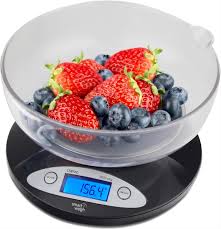
Then I asked, “How can I measure this?” I decided to use my kitchen scale. Each week, I’d weigh what went into the compost or trash. “Is this achievable?” I wondered.
Yes, cutting back from maybe three pounds to one seemed doable. “Is it relevant?” Absolutely. Wasting less money and resources felt very important to me.
Finally, “When will I do this by?” I set a goal for the next month. It worked! Seeing the scale go down each week was so rewarding.
It taught me a lot.
Setting SMART Goals for Meal Planning
Meal planning can seem daunting. But setting SMART goals makes it much easier. It’s not just about picking meals.
It’s about creating a system that works for you. A good plan saves you time and mental energy during the week. It also ensures you use the food you buy.
Specific Meal Planning Goals
What do you want your meal plan to achieve? Do you want to cook dinner at home five nights a week? Or maybe you want to pack a healthy lunch every day for work.
Perhaps your goal is to try one new healthy recipe each week. Be clear about what “success” looks like for your meals.
For example, “I will plan and shop for dinners for Monday through Friday.” This is very specific. It defines the days and the meal type. This clarity is the first step to making it happen.
It removes guesswork from your week.
Measurable Meal Planning Progress
How will you know if your meal plan is working? For the “cook five dinners at home” goal, you can simply count how many dinners you actually made. Did you cook Monday, Tuesday, Wednesday, Thursday, and Friday?
If you only cooked four, you can see where you fell short. Tracking is vital for improvement.
If your goal is to try a new recipe, you measure it by the number of new recipes you attempt each week. Keeping a small journal or a note on your phone can help. It shows your progress over time.
It builds confidence as you see yourself achieving these milestones.
Achievable Meal Planning Steps
Don’t set yourself up for failure. If you’ve never meal planned before, starting with seven elaborate dinners might be too much. Begin with a smaller goal.
Maybe plan dinners for just three nights a week. Or focus on breakfasts and lunches first. As you get more comfortable, you can add more meals or complexity.
Consider your schedule. If Tuesdays are always chaotic, don’t plan a complex meal for that night. Choose simple, quick recipes for busy days.
Make sure your plan fits your reality. An achievable plan is a sustainable plan.
Relevant Meal Planning Aims
Your meal plan should support your overall lifestyle and health. If your goal is to save money, choose recipes that use common, affordable ingredients. If you want to eat less meat, plan vegetarian meals.
If you have picky eaters, involve them in choosing meals they will actually eat. Relevance makes the plan feel worthwhile.
Think about your current habits. If you always get takeout on Wednesdays, a goal to cook a gourmet meal that night might not be relevant. Instead, aim to have a simple, pre-prepped meal ready for Wednesday.
Make the plan work for your life, not the other way around.
Time-Bound Meal Planning Deadlines
When do you want to see results? You might set a goal like, “I will consistently plan and shop for my Monday-Friday dinners for the next two months.” This gives you a timeframe to work within. It helps you build a habit.
You can then review your progress after that time.
For shorter-term goals, you might say, “This week, I will plan out all my lunches and snacks for Monday through Friday.” This makes the task feel more immediate. It encourages you to get it done promptly. Time limits provide structure and a sense of completion.
Sample SMART Meal Planning Goals
- Goal 1: I will plan and shop for 4 dinners this week, using ingredients I already have to reduce waste. (Specific, Measurable, Achievable, Relevant, Time-bound – this week)
- Goal 2: I will pack a healthy lunch for work 3 days this week. (Specific, Measurable, Achievable, Relevant, Time-bound – this week)
- Goal 3: I will try one new vegetarian recipe next month. (Specific, Measurable, Achievable, Relevant, Time-bound – next month)
The Connection Between Shopping and Planning
It’s clear that grocery shopping and meal planning are deeply linked. They work best when you do them together. Trying to plan without knowing what’s on sale or what you already own is hard.
Shopping without a plan often leads to impulse buys and wasted food. The two activities feed into each other.
When you plan your meals first, you create a clear shopping list. This list is based on what you actually need for your chosen recipes. This makes your trip to the grocery store much more efficient.
You know exactly what to look for. You’re less likely to wander and pick up things you don’t need.
Conversely, looking at sales flyers can inspire your meal plan. If chicken breasts are on sale, you can build your week’s meals around that. This is a smart way to save money.
It connects your planning directly to your budget. It shows how these two parts are a team effort.
Shopping & Planning Synergy
Normal Workflow: Plan Meals -> Create List -> Shop
Sale-Driven Workflow: Check Sales -> Plan Meals -> Create List -> Shop
Waste-Reduction Workflow: Check Inventory -> Plan Meals -> Create List -> Shop
Making It Happen: Practical Steps
So, how do you actually start putting these SMART goals into action? It’s about breaking down the process into manageable steps. You don’t have to do everything at once.
Small changes add up over time. Consistency is more important than perfection.
Step 1: Assess Your Current Habits
Before you set goals, understand where you are now. Look at your last few grocery bills. How much did you spend?
What did you buy? Also, check your trash and compost bins. What food do you throw away most often?
This honest look will show you your pain points.
For example, you might notice you spend a lot on convenience foods or snacks. Or perhaps a lot of fresh produce spoils before you use it. Knowing these things helps you set more realistic and relevant goals.
It’s like a doctor checking your vitals before prescribing treatment.
Step 2: Choose ONE SMART Goal
Don’t try to tackle too much at once. Pick just one goal to focus on first. It should be the one that will have the biggest impact or is easiest for you to start with.
Maybe your most pressing issue is reducing food waste, or perhaps it’s sticking to a budget.
Let’s say you choose: “I will reduce my grocery bill by $20 per week for the next month.” This is specific, measurable, achievable, relevant, and time-bound. Having just one main goal makes it less overwhelming. You can put all your energy into making that one thing successful.
Step 3: Create Your Meal Plan (Weekly or Bi-weekly)
Once your goal is set, start planning your meals. Sit down at the beginning of the week (or end of the week before) and decide what you’ll eat. Look at your calendar for busy nights.
Consider what ingredients you already have in your pantry, fridge, and freezer.
Write down your meal ideas. It doesn’t have to be fancy. A simple list is fine.
For example: Monday – Chicken Stir-fry, Tuesday – Lentil Soup, Wednesday – Leftovers, Thursday – Pasta with Veggies, Friday – Pizza Night (homemade or takeout). This gives you a clear idea of what you need.
Step 4: Build Your Grocery List
Now, look at your meal plan and check your pantry. Write down only the ingredients you need for your planned meals that you don’t already have. Be precise.
If a recipe calls for two onions, write “2 onions.” If you have one, you only need to buy one more.
Organize your list by store sections (produce, dairy, meat, pantry). This saves time in the store. You can move efficiently through the aisles without backtracking.
A well-organized list is your best friend at the grocery store. It’s a shield against impulse buys.
Step 5: Shop Smartly
Go to the store with your list and stick to it. Avoid browsing. If you see something tempting that isn’t on your list, ask yourself if you truly need it or if it fits your goals.
Often, the answer is no. Resist the urge to buy items just because they are on sale unless you have a plan for them.
Pay attention to unit prices. Sometimes the larger package isn’t cheaper per ounce. Also, try to shop when you’re not hungry.
Hunger can lead to impulse purchases that derail your goals. Shopping smart means being prepared and disciplined.
Step 6: Track and Adjust
At the end of your shopping trip, check your receipt. How close did you get to your spending goal? For food waste goals, do your regular checks.
Did you throw away more or less food this week? Keep a running tally of your progress.
If you met your goal, great! Celebrate your success. If you missed it, don’t get discouraged.
Look at why. Did you overspend on a certain item? Did you forget to plan for a busy night?
Use this information to adjust your plan for next week. Learning and adjusting is part of the process.
Your Action Plan Template
- My Main SMART Goal:
- This Week’s Meal Plan:
- Dinner 1:
- Dinner 2:
- . (Add more as needed)
- Grocery List Needs:
- Produce:
- Dairy/Fridge:
- Meat/Protein:
- Pantry:
- My Shopping Budget/Target: $
Common Challenges and How to Overcome Them
Even with the best plans, life happens. You might face challenges that make sticking to your goals tricky. Recognizing these hurdles is the first step to finding solutions.
Challenge: Impulse Buying
You see a tempting display of cookies or an item you “might need” later. This can quickly blow your budget or lead to waste.
Solution: Create a strict shopping list and stick to it. Avoid browsing aisles you don’t need to visit. If you see something interesting, make a note of it and consider it for your next planned shopping trip, not on the spot.
Don’t shop when hungry!
Challenge: Unplanned Social Events
A friend invites you out for dinner, or a neighbor brings over a treat. These unexpected things can disrupt your meal plan and budget.
Solution: Be flexible. If you eat out, try to make healthier choices. If you receive a treat, enjoy it in moderation.
You can adjust your grocery plan for the rest of the week. Perhaps you’ll use up planned ingredients later or have a simpler meal. For planned events, communicate your dietary needs or preferences if possible.
Challenge: Lack of Time for Planning/Shopping
You feel too busy to sit down and plan meals or go to the store.
Solution: Break it down. Plan meals while commuting or during a short break. Shop online for delivery or pickup to save time.
Even 15 minutes of planning can make a big difference. Use simple meal ideas that require less prep. Batch cooking on the weekend can also help.
Challenge: Picky Eaters in the Family
Getting everyone to agree on meals can be tough, leading to forgotten ingredients or separate meals.
Solution: Involve your family in the planning process. Let them choose a few meals each week. Focus on meals with components that can be customized.
For instance, build-your-own taco night or pasta bar allows everyone to pick toppings they like. Offer variety but stick to your planned meals for the most part.
Challenge: Forgetting What You Have
You buy an ingredient only to find you already had it, leading to duplicate purchases and waste.
Solution: Keep your pantry, fridge, and freezer organized. Do a quick inventory before you make your shopping list. Use a whiteboard or app to track what you have.
Label and date items, especially in the freezer, so you know what to use first.
Contrast: Myth vs. Reality
| Myth | Reality |
|---|---|
| Meal planning takes too long. | A little planning saves hours later. |
| I have to eat boring food to save money. | You can eat delicious, budget-friendly meals. |
| If I mess up one meal, the whole plan is ruined. | Flexibility is key; just get back on track. |
| I need fancy gadgets to be organized. | Simple tools like lists and notebooks work well. |
What This Means for You (The Real Impact)
Setting SMART goals for your grocery shopping and meal planning isn’t just about following a system. It has real, tangible benefits for your life. It impacts your wallet, your health, and your peace of mind.
When It’s Normal and Good
It’s normal to feel excited when you save money on groceries. It’s good when you notice less food going into the trash. When you consistently eat healthier meals because you planned them, that’s a sign you’re doing well.
Seeing your pantry organized and knowing what’s for dinner each night is a sign of success.
These are signs that your goals are working. You’re becoming more efficient and mindful. You’re taking control of a significant part of your household budget and your well-being.
This success often spills over into other areas of your life.
When to Worry (Or Re-evaluate)
If you consistently miss your spending goals by a large amount, it might be time to re-evaluate. Are your goals too ambitious? Is your current income not supporting your desired spending?
If you’re still throwing away a significant amount of food despite your efforts, something in your plan might not be working.
Also, if meal planning becomes a source of extreme stress or anxiety, that’s a sign to step back. The goal is to make your life easier, not harder. If you’re constantly feeling deprived or like you’re on a strict, joyless diet, your goals might need adjustment.
Focus on progress, not perfection.
Simple Checks to See If It’s Working
Budget Check: Compare your grocery spending each week to your goal. Are you getting closer?
Waste Check: Do a quick mental inventory of what you threw away this week. Is it less than before?
Time Check: Do you feel like you’re spending less time figuring out “what’s for dinner?”
Stress Check: Do you feel more relaxed about meal times?
These simple checks can give you a good idea of how well your SMART goals are serving you.
Quick Tips for Success
Here are some quick wins that can help you stay on track:
- Keep a running grocery list: Use a note on your phone or a whiteboard. Add items as you run out.
- “Shop” your pantry first: Before planning, see what you already have.
- Use leftovers creatively: Turn Sunday’s roast chicken into Monday’s chicken salad sandwiches.
- Embrace simple meals: Not every dinner needs to be gourmet. Pasta, eggs, or hearty soups are great.
- Cook in batches: Make double portions of grains or sauces to use throughout the week.
- Freeze extras: Got extra herbs or broth? Freeze them in ice cube trays for future use.
- Plan for snacks: If you often buy expensive snacks, plan for cheaper, homemade options.
Frequently Asked Questions
How often should I create a meal plan?
Most people find it easiest to create a meal plan once a week. You can do it on a Sunday to prepare for the week ahead, or on a Saturday to plan for the upcoming week. Consistency is key, so pick a day and time that works best for you and stick to it.
What’s the best way to track my grocery spending?
The easiest way is to keep your grocery receipts. Add up the total each week. You can also use a budgeting app or a simple spreadsheet.
Many banking apps also track spending by category, which can be very helpful for seeing where your money goes.
How can I reduce food waste when I often buy too much?
The best strategy is to plan your meals carefully and make a precise shopping list. Before you shop, check your fridge and pantry to see what you already have. Also, try to buy produce and other perishables in smaller quantities if you know you won’t use them quickly.
Using things like older bread for croutons or wilting vegetables in soup can also help.
Is it okay if my meal plan isn’t perfect every week?
Absolutely! Life happens. Some weeks will be more challenging than others.
The goal is progress, not perfection. If you miss a day or two of your plan, just jump back in with the next meal. Don’t let one slip-up derail your entire effort.
Flexibility is important for long-term success.
What if I don’t like many vegetables? How can I plan healthier meals?
Start small and be creative. Try mixing finely chopped vegetables into dishes like pasta sauce, meatballs, or casseroles. Explore different cooking methods; roasting can bring out the sweetness in some vegetables.
You can also try vegetables in smoothies or experiment with mild seasonings. Over time, you can gradually introduce new ones.
How can I make my grocery shopping more efficient?
Organize your shopping list by store layout (produce, dairy, meat, etc.). This helps you move through the store logically and prevents backtracking. Avoid impulse buys by sticking to your list.
Also, try to shop during off-peak hours if possible to avoid crowds. Online grocery ordering for pickup or delivery is also a great time-saver.
Conclusion
Setting SMART goals for grocery shopping and meal planning transforms chaos into order. It’s a journey of small, consistent steps. You can save money, waste less, and eat better.
Be patient with yourself. Celebrate your wins, learn from challenges, and enjoy the benefits of a more organized kitchen.







Leave a Reply