

This article explores how to improve your grocery shopping strategies and build a social media presence related to smart shopping and meal planning. It covers practical tips for the store and online engagement.
Understanding Smart Grocery Shopping
Smart grocery shopping is more than just picking up food. It’s a thoughtful process. It aims to get you the best value. This means buying things you need. It also means buying them at a good price. Plus, it helps you use what you buy. This cuts down on food waste. Smart shoppers plan ahead. They know what they have at home. They also know what meals they want to make.
Why does this matter so much? Well, food costs can add up. Food waste is also a big problem. It costs money and resources. By shopping smart, you help your wallet. You also help the planet. It feels good to know you’re making good choices. It’s about being mindful. It’s about using your resources well. This approach makes a difference.
In this guide, we will dive deep. You’ll learn the secrets of planning. You will see how to shop wisely in the store. We will also explore how to share your journey. Growing a social media following around this is possible. It’s about connecting with others. It’s about inspiring them too. Get ready to shop smarter and shine online.
My Grocery Shopping Wake-Up Call
I remember one Tuesday evening vividly. The fridge was a sad sight. A half-empty jar of pickles. Some wilted lettuce. A lonely onion. I had just come back from a big grocery run. I spent way too much money. Yet, I had nothing good to eat. I felt a mix of frustration and guilt. How could I spend so much but still have this empty feeling? It was a wake-up call. I was buying impulsively. I wasn’t checking what I already had. So, food was just going bad.
That night, I decided enough was enough. I vowed to change my ways. I started researching. I read blogs. I watched videos. I learned about meal planning. I discovered the power of a good shopping list. It took time and practice. There were still occasional slip-ups. But the shift was real. My grocery bills went down. My kitchen started to feel more alive. I was using up my food. The feeling of accomplishment was huge. This personal change sparked a new passion.
Sharing this journey online felt natural. I wanted others to avoid my mistakes. I started posting simple tips on my social media. I shared photos of my organized fridge. I posted my meal plans. The response was surprising. People were asking questions. They were sharing their own struggles. It showed me how many others felt the same way. This shared experience made it even more rewarding. It turned a personal fix into a community effort. It showed me the power of connection through shared learning.
Smart Shopping: The Core Pillars
- Planning is Key: Before you shop, plan your meals.
- Inventory Check: Always see what you already own.
- Make a List: Stick to your list to avoid impulse buys.
- Compare Prices: Look for deals and store brands.
- Buy Wisely: Choose items that are fresh and have a good shelf life.
The Art of Meal Planning
Meal planning is the foundation of smart shopping. It’s like drawing a map before a trip. You know where you’re going. You know what you need to get there. Without a plan, you wander. You grab things you don’t need. You end up with a cart full of random items. This often leads to wasted food and money. Good meal planning means fewer trips to the store. It means less stress about what to cook each night.
How do you start? It’s simpler than it sounds. Look at your week. What days are busy? What days do you have more time? Pick a few recipes. Use ingredients that can be used in more than one dish. For example, chicken can be used in tacos one night and a salad the next. This reduces the number of unique items you need to buy. It also helps use things up before they go bad. Think about breakfast, lunch, and dinner. Snacks too, if that’s helpful for you.
Don’t try to be perfect right away. Start small. Plan just a few meals. See how it goes. You can use a notebook, a whiteboard, or an app. Find what works for you. The goal is to create a system. This system should make your life easier. It should help you save money. It should help you eat better. Over time, this habit becomes second nature. It leads to less food waste. It saves you time and mental energy. It’s a powerful tool for anyone wanting to shop smarter.
Quick Meal Planning Steps
1. Check Your Calendar: Note busy days.
2. Browse Recipes: Find a few ideas.
3. List Ingredients: What do you need to buy?
4. Shop Smart: Get only what’s on your list.
5. Prep Ahead: Wash veggies or cook grains early.
Building Your Shopping List
Your meal plan is ready. Now, it’s time to build a shopping list. This is your shield against impulse buys. It’s your roadmap in the store. A good list keeps you focused. It prevents you from buying things you don’t need. This is crucial for saving money and reducing waste. Many people skip this step. They think they can remember everything. But stores are designed to make you forget your plan.
How do you make an effective list? Start by looking at your meal plan. For each meal, write down the ingredients. Then, check your pantry, fridge, and freezer. Cross off anything you already have. This step is super important. It stops you from buying duplicates. Be specific on your list. Instead of “vegetables,” write “2 onions, 1 bell pepper.” This helps you buy the right amounts. It reduces waste. It ensures you have everything for your recipes.
Organize your list by store section. Most grocery stores have produce first, then bakery, dairy, meat, frozen foods, and then aisles of dry goods. Grouping items this way means you don’t have to backtrack. You can move through the store efficiently. This saves time and energy. A well-organized list is your best friend. It’s the key to a successful shopping trip. It makes a big difference in your overall budget and food waste. It’s a simple step with a huge impact.
Shopping List Essentials
Be Specific: Write down exact items and quantities.
Check Your Stock: Never buy what you already have.
Organize by Aisle: Save time by grouping items.
Include Staples: Don’t forget basics like oil or spices.
Add a ‘Just in Case’ Item: For unexpected needs.
Navigating the Grocery Store
You have your plan and your list. Now, the real adventure begins: the store. Stores are designed to make you linger. They want you to buy more. This is where your list is your superpower. Stick to it like glue. Walk with purpose. Avoid the tempting end-cap displays unless they are on your list.
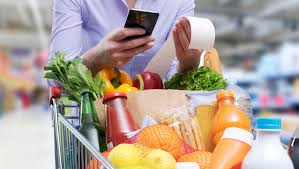
When you’re in the produce section, look for freshness. Feel the fruits and vegetables. Check for bruises or soft spots. Buy what looks good and will be eaten soon. For pantry items, compare brands. Store brands are often just as good. They are usually cheaper. Look at the unit price. This shows you the cost per ounce or pound. It’s the best way to compare value.
Don’t be afraid to explore. Sometimes, stores have different options. You might find a new product that fits your plan. But always, always go back to your list. If it’s not on the list, pause. Ask yourself: “Do I really need this?” If the answer is no, put it back. This discipline is key. It separates smart shoppers from impulse buyers. Remember, the goal is to get what you need efficiently and affordably. Your list is your guide.
Store Strategies
Stick to Your List: Your best defense against impulse buys.
Compare Unit Prices: Find the true value.
Check for Freshness: Inspect produce carefully.
Store Brands Can Be Great: Often save money.
Shop the Perimeter: This is where fresh foods usually are.
Dealing with Food Waste
Food waste is a huge issue. We buy food, but then it spoils. It ends up in the trash. This wastes money, energy, and resources. Smart shopping means fighting food waste. It starts with buying only what you need. It continues with how you store and use your food.
Proper storage is key. Learn how to store different foods. Keep vegetables crisp in the fridge. Store fruits at the right temperature. Use airtight containers for leftovers. Label them with the date. This helps you see what you have. It also reminds you to eat older food first. This is often called “first-in, first-out.”
Get creative with leftovers. Don’t just reheat them. Turn leftover roasted chicken into soup. Use stale bread for croutons. Overripe bananas can become banana bread. Many websites offer tips for using up food scraps. Composting is another great option for unavoidable scraps. Reducing food waste is good for your budget and the environment. It’s a core part of being a smart shopper. It shows respect for the food and the effort it took to produce it.
Fight Food Waste!
Store Food Correctly: Keep produce fresh longer.
Label Leftovers: Use them before they spoil.
“Eat Me First” Box: Designate a spot for food to use soon.
Creative Cooking: Use scraps and leftovers.
Freeze What You Can’t Use: Save items for later.
Starting Your Social Media Journey
Now, let’s talk about sharing your smart shopping wins. Growing a social media following around this topic is exciting. It’s about building a community. It’s about connecting with like-minded people. Many people want to shop smarter. They are looking for guidance and inspiration. Your journey can be that inspiration.
Choose your platform. Instagram is great for visuals. TikTok is good for short, engaging videos. Facebook groups can build strong communities. Consider where your target audience spends their time. Start by sharing your own experiences. Post photos of your organized fridge. Show your weekly meal plan. Share a quick tip you learned today. Be authentic. People connect with real stories.
Consistency is key. Post regularly, even if it’s just a few times a week. Engage with your followers. Respond to comments and messages. Ask questions to spark conversations. Use relevant hashtags to reach new people. Think #SmartShopping #MealPrep #GroceryHacks #BudgetFriendly #FoodWasteWarrior. Your passion for smart living can inspire many. It can create a supportive online space for everyone.
Creating Engaging Content
To grow your following, your content needs to be engaging. This means it should grab attention and keep people interested. Think about what you enjoy seeing online. What makes you stop scrolling? Your content should be helpful, inspiring, or entertaining.
Try different formats. Short videos showing quick tips are very popular. Before-and-after photos of your grocery haul can be compelling. “What’s in my bag” videos or posts are informative. Share your favorite budget-friendly recipes. Discuss common grocery store mistakes and how to avoid them. Use clear visuals. Good lighting makes a big difference in photos and videos. Keep your text simple and easy to read.
Storytelling is powerful. Share a personal challenge you overcame. Talk about a time you saved money. People love to hear real stories. They can relate to your experiences. This builds trust and connection. When you share your knowledge, you become a trusted source. This is the essence of building a loyal following. Focus on providing value. Make your content easy to digest and share. This will help your audience grow.
Content Ideas for Smart Shoppers
- “How-To” Guides: E.g., “How to Meal Prep for Beginners.”
- Product Reviews: Share your thoughts on store brands or new items.
- Budget Breakdowns: Show your weekly grocery spend.
- Recipe Demos: Quick videos of you making a budget meal.
- Organization Tips: Show how you organize your pantry or fridge.
- Myth vs. Fact: Debunk common grocery shopping myths.
Connecting with Your Audience
Building a social media following isn’t just about posting. It’s about building relationships. Think of your followers as friends. You want to talk with them. You want to help them. This connection is what makes a community thrive.
Always respond to comments. Even a simple “thank you” goes a long way. Answer questions thoroughly. Show that you care about their input. Run polls to ask what content they want to see. Ask them for their best tips. This makes them feel involved. They become part of your content creation process.
Collaborate with others. Find other creators in the budgeting or food space. Do a live session together. Share each other’s content. This exposes you to new audiences. It’s a win-win situation. Be genuine and kind. Your positive attitude will attract people. It will make them want to stick around. Building this connection takes time. But it’s the most rewarding part of social media. It turns followers into a true community.
Audience Engagement Ideas
Ask Questions: “What’s your biggest grocery challenge?”
Run Polls: “Do you prefer planning meals weekly or monthly?”
Respond to DMs: Offer personal advice when possible.
Go Live: Q&A sessions or real-time cooking demos.
Share User-Generated Content: Feature follower tips or photos (with permission).
Monetization and Growth (Optional)
Once you have a solid following, you might think about growth. This could include monetizing your efforts. There are several ways to do this. You can partner with brands. This means promoting products you use and love.
Affiliate marketing is another option. You can share links to products. If someone buys through your link, you get a small commission. You can also create your own products. This might be an e-book of your favorite recipes. Or a printable meal planning template. Always be transparent with your audience about any paid partnerships.
Focus on authenticity. Your audience trusts your advice. Only promote things that align with your values. Growth also comes from continuing to learn. Stay updated on new smart shopping tips. Explore new social media features. The more value you provide, the stronger your community will become. This can lead to organic growth and potential income streams over time.
Real-World Scenarios
Let’s look at how smart shopping plays out in different situations. Imagine a busy single parent. They have little time. Their goal is quick, healthy meals. They can plan meals around pre-cut veggies. They can buy rotisserie chicken for multiple meals. Their social media posts might focus on speed and ease.
Consider a young couple starting out. Their budget is tight. They want to cook at home more. They can focus on learning versatile pantry staples. They can shop sales and use coupons. Their social media could highlight budget breakdowns and affordable recipes.
A retiree living alone might worry about food waste. They might buy smaller portions. They could focus on freezing meals for later. Their social media could share tips on buying for one. Or how to store produce to last longer. Each scenario is unique. Smart shopping adapts to individual needs. Sharing these diverse stories makes content relatable to more people. It shows that smart living is for everyone.
When Smart Shopping Becomes Challenging
Sometimes, even with the best intentions, things go wrong. You might have an unexpected event. A family member visits. Or you simply forget an item. This can lead to a rushed trip to the store. You might end up buying more than planned.
It’s okay. Smart shopping is a journey, not a race. One slip-up doesn’t erase your progress. The key is to recognize it. Learn from it. What could you do differently next time? Perhaps have a few backup simple meals. Or keep a stash of non-perishable items. Don’t let perfection be the enemy of good.
For social media, sharing these challenges can be powerful. It shows vulnerability. It makes you more relatable. You can post about a “whoops” moment. Then share how you’re fixing it. This honesty builds trust. It shows your audience that everyone faces hurdles. The goal is continuous improvement. Not flawless execution every single time. This approach makes smart living feel achievable.
Quick Tips for Smarter Shopping
Here are some easy tips to implement right away:
- Shop the Perimeter First: This is where fresh produce, dairy, and meats usually are.
- Check Unit Prices: The smaller package isn’t always cheaper.
- Buy Seasonal Produce: It’s usually less expensive and tastes better.
- Don’t Shop When Hungry: This is a recipe for impulse buys.
- Use Reusable Bags: Save money and the environment.
- Look for Store Loyalty Programs: Many stores offer discounts to members.
- Freeze Leftovers Promptly: Reduce spoilage and have quick meals ready.
- Cook from Scratch More Often: It’s usually cheaper and healthier.
Boost Your Social Media Presence
Define Your Niche: Focus on smart shopping and meal planning.
Be Consistent: Post regularly to keep your audience engaged.
Use High-Quality Visuals: Clear photos and videos grab attention.
Engage with Followers: Respond to comments and messages.
Use Relevant Hashtags: Increase discoverability.
Collaborate with Others: Expand your reach.
Frequently Asked Questions
Is it really possible to save a lot of money by shopping smarter?
Yes, absolutely! By planning meals, sticking to a list, and avoiding impulse buys, you can significantly reduce your grocery spending. Many people save hundreds of dollars a year.
How often should I go grocery shopping?
This depends on your lifestyle. Some prefer one big shop a week. Others do two smaller shops. The key is to plan based on your meals and what you need. Fewer trips can mean less temptation to buy extras.
What’s the best way to start meal planning if I’m a beginner?
Start small! Plan just 2-3 meals for the week. Use recipes with common ingredients. Or plan meals that use similar components. Don’t aim for perfection. Just aim for progress. You’ll get better with practice.
How can I avoid impulse buys at the grocery store?
The most effective way is to have a detailed shopping list and stick to it. Also, avoid shopping when you are hungry. Stores are designed to tempt you, so be prepared.
What are some good social media platforms for sharing grocery tips?
Instagram and TikTok are great for visual content like recipes and shopping hauls. Facebook groups can build strong communities. Pinterest is excellent for sharing recipe ideas and infographics. Choose based on where you feel most comfortable and where your audience is.
How do I encourage my followers to engage with my content?
Ask questions in your captions and stories. Run polls and quizzes. Respond to comments and direct messages promptly. Encourage them to share their own tips and experiences. Making them feel heard and valued is key.
Final Thoughts on Smart Living
Shopping smarter for groceries and sharing your journey online is a rewarding path. It empowers you to save money. It helps reduce waste. It connects you with a community. Remember that consistency and authenticity are your strongest tools. Be patient with yourself. Celebrate your wins, big or small.
Embrace the process of learning and adapting. Your unique experiences and tips can help so many others. Keep experimenting, keep sharing, and keep growing. This journey is about making positive changes in your life. It’s also about inspiring others to do the same.




Leave a Reply