
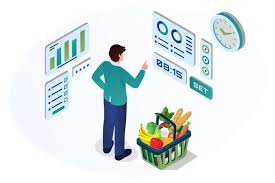
Smart grocery shopping and meal planning affiliate programs offer ways to save money and time on food. These programs connect you with services or products that help you budget, find deals, and plan meals, often giving you a small reward for using their links.
Understanding Smart Grocery Shopping
Smart grocery shopping is all about being savvy. It means knowing what you need before you shop. It involves looking for deals and comparing prices.
It’s also about buying what you’ll actually use. This helps stop food from going to waste. Wasted food means wasted money.
Think about it: how often do you buy something on impulse? Maybe it looked good, or it was on sale. But then it sat in the fridge and went bad.
That’s money you just threw away. Smart shopping stops that from happening. It helps your food budget stretch further.
It makes your money work harder for you.
The goal is simple: get the most value for your dollar. This doesn’t mean you can’t enjoy good food. It just means you’re more mindful about how you buy it.
You plan ahead. You look for savings. You buy smart.
Why Meal Planning Matters
Meal planning goes hand-in-hand with smart shopping. When you plan your meals, you know exactly what ingredients you need. This means fewer trips to the store.
It means fewer impulse buys. It means you’re less likely to order takeout because you don’t know what to cook.
Imagine opening your fridge and seeing all the makings for a delicious, planned meal. No last-minute stress. No guessing games.
Just a clear path from ingredients to dinner. This peace of mind is huge. It saves mental energy.
It saves time.
Plus, planned meals often mean healthier eating. When you cook at home, you control the ingredients. You can reduce salt, sugar, and unhealthy fats.
You can add more vegetables and whole grains. It’s a win for your health and your wallet.
The process might seem like a lot at first. But once you get into a rhythm, it becomes second nature. You build a repertoire of quick, easy, and healthy meals.
Your grocery list becomes a breeze. Your kitchen becomes a place of calm, not chaos.
The Power of Affiliate Programs
Now, here’s where things get really interesting for our topic. Affiliate programs are like helpful tools. They connect you with services or products that support smart shopping and meal planning.
When you use a special link provided by the affiliate, and then you sign up for a service or buy a product, the affiliate gets a small commission. You usually don’t pay extra.
These programs can point you toward apps that track grocery prices. They can highlight websites offering great deals. They might even introduce you to meal kit services that simplify cooking.
It’s a way for people who share useful information to earn a little something.
For you, the consumer, it’s a discoverable pathway. You might learn about a fantastic budgeting app you never knew existed. Or find a recipe site that fits your dietary needs perfectly.
It’s a curated stream of helpful resources, often presented by people who have actually used them.
My Own Grocery Shopping Mishaps
I remember one particular week. It was a Tuesday, and I had worked late. I was exhausted.
The fridge was looking pretty bare. My usual grocery run was scheduled for Saturday. My stomach rumbled, and the thought of cooking felt like climbing Mount Everest.
My mind immediately went to the pizza place down the street. Or maybe that new Thai place everyone was talking about. I opened my phone, ready to order delivery.
That’s when I saw it. A half-eaten bag of carrots and some wilting spinach. Oh, and a lonely chicken breast that was probably still good.
A wave of guilt washed over me. I knew I had food. I just didn’t want to deal with it.
I thought about all the money I would spend on takeout. I pictured the bags of groceries I’d buy later in the week, some of which might end up like that sad chicken breast if I didn’t plan. It hit me.
I was caught in a cycle of bad habits.
That night, I forced myself to be a bit more creative. I found a recipe online that used the chicken and spinach. The carrots became a side dish.
It wasn’t gourmet, but it was food. It was healthy. And it cost me next to nothing.
That experience was a big wake-up call. I realized I needed a better system. I needed to get smarter about how I shopped and planned.
Smart Shopping Habit Checklist
- Plan Meals: Know what you’ll eat for the week.
- Make a List: Stick to your planned ingredients.
- Check Sales: Look for weekly ads and coupons.
- Buy in Bulk (Wisely): For non-perishables you use often.
- Avoid Shopping Hungry: You’ll buy more.
- Use Leftovers: Plan meals around them.
- Store Food Properly: Make it last longer.
The Rise of Grocery Shopping Apps
In today’s world, your phone is your best friend for saving money. There are so many apps designed to make grocery shopping easier and cheaper. Many of these apps work with affiliate programs.
Bloggers or websites might review these apps and share their experiences.
These apps can do a lot of things. Some help you build your shopping list. They can even organize it by aisle in your favorite store.
This saves you time wandering around. Others track prices. They can tell you if an item is actually on sale or if the price has been jacked up beforehand.
Many apps also offer digital coupons. You can “clip” them right on your phone. When you check out, the savings are applied automatically.
It’s like having a coupon book without the paper. It’s efficient and easy.
Some apps even connect to loyalty programs. You link your store card, and all your rewards and discounts are managed through the app. This is super handy.
You don’t need to carry a bunch of plastic cards anymore. Everything is in one place.
I’ve used a few of these myself. One app, in particular, allowed me to see the weekly ads for multiple stores at once. I could plan my meals based on what was on sale at different supermarkets.
Then, I’d create one master list. It cut down my grocery bill by a noticeable amount each month. It made me feel like a bit of a detective, hunting for the best deals.
Top Grocery App Features to Look For
- Shopping List Creation: Easy to add and organize items.
- Digital Coupons: Direct clipping and automatic application.
- Price Comparison: See deals across different stores.
- Loyalty Card Integration: All your rewards in one spot.
- Recipe Integration: Add ingredients directly from recipes.
- Budget Tracking: Set a budget and monitor spending.
Meal Kit Services and Their Role
Meal kit services have really changed the game for many busy households. These companies send you pre-portioned ingredients and easy-to-follow recipes right to your door. They are a fantastic option for people who want home-cooked meals but lack the time or inspiration.
How do affiliate programs tie in here? Many meal kit companies have their own affiliate programs. Bloggers, influencers, or even just everyday people who love the service can sign up.
They get a unique link. When someone signs up through their link, they earn a commission.
For the consumer, this means discovering these services through trusted sources. You might see a review from someone who shares your cooking style or dietary needs. They can tell you honestly what they liked and what could be better.
This helps you make a more informed decision.
The benefits of meal kits are clear: convenience, reduced food waste (because you get exact portions), and trying new recipes. They can also help you learn new cooking techniques. You get to experiment without buying large quantities of ingredients you might only use once.
I tried a meal kit service a few years ago when things were particularly hectic. It was a revelation. I was used to spending an hour after work figuring out dinner.
With the meal kit, I just opened the box. Everything was pre-chopped or measured. I could often have a delicious meal on the table in 30 minutes.
It felt like magic. It definitely helped me avoid those expensive takeout orders.
When Are Meal Kits a Smart Choice?
- You’re Short on Time: Meal prep and cooking are simplified.
- You Want to Try New Recipes: Great for culinary exploration.
- You Dislike Grocery Shopping: Ingredients come to you.
- You Want to Reduce Food Waste: Precise portioning.
- You Want to Learn New Skills: Step-by-step instructions.
Budgeting and Financial Planning Tools
Beyond just tracking grocery spending, there are tools that help you manage your entire budget. Many of these tools also offer affiliate programs. These platforms can help you see where your money is going, including your food expenses.
These budgeting apps often sync with your bank accounts and credit cards. They automatically categorize your spending. You can set goals for different categories, like groceries or dining out.
This gives you a clear picture of your financial health.
Seeing your spending laid out can be eye-opening. You might realize you’re spending more on impulse buys at the grocery store than you thought. Or perhaps dining out is eating up a larger chunk of your budget.
These tools empower you to make changes.
Some popular budgeting apps offer affiliate partnerships. Review sites or personal finance bloggers might recommend them. They’ll share their journey using the app and explain how it helped them.
This is where you can discover new ways to manage your money effectively. It’s about making your money work for your goals, including eating well without breaking the bank.
Financial Tools: Quick Scan
| Feature | Benefit |
|---|---|
| Automatic Tracking | Saves time, provides real-time data. |
| Budget Setting | Helps control spending in specific areas. |
| Goal Setting | Motivates savings for future plans. |
| Spending Reports | Visualizes where your money goes. |
Finding the Right Affiliate Programs for You
So, how do you find these helpful programs? It’s usually through content creators. Think about the blogs you read, the YouTubers you watch, or the social media accounts you follow that focus on:
- Saving money
- Cooking and recipes
- Budgeting and personal finance
- Healthy living
- Parenting (often involves meal planning!)
When these creators recommend a product or service, they might use an affiliate link. This link often looks like a long string of random characters and numbers, or it might have a tag like `?aff_id=yourname`. They’ll usually mention that it’s an affiliate link, or you’ll see a disclosure statement.
My own discovery of a great recipe app happened this way. A food blogger I followed mentioned how this app helped her plan weekly meals easily and even generated a shopping list. She shared her link.
I clicked it, tried the app, and loved it. Now I use it every week to plan my dinners. That blogger, in turn, earned a small commission for introducing me to it.
The key is to look for recommendations from people you trust. Someone who seems genuinely enthusiastic about a product or service, and who provides honest reviews, is a good sign. They’re not just pushing something; they’re sharing something they genuinely believe is useful.
What to Look for in an Affiliate Recommendation
- Genuine Enthusiasm: Does the person clearly use and love the product?
- Honest Reviews: Are both pros and cons discussed?
- Relevance to Your Needs: Does it actually help with smart shopping or meal planning?
- Transparency: Is there a clear disclosure of the affiliate relationship?
- User Experience Focus: Does the recommendation discuss how it benefits the user?
Navigating Deals and Discounts
Affiliate programs often highlight specific deals or discounts. This is a huge win for consumers. You might find a code for a discount on your first meal kit order.
Or perhaps a special introductory price for a budgeting app.
These aren’t just random sales. They are often negotiated partnerships. The affiliate program wants to incentivize you to try their recommended service or product.
And the company behind the service or product wants to gain new customers.
When you see a deal advertised through an affiliate link, it’s worth exploring. You might be able to save a significant amount of money. For example, many meal kit companies offer discounts of 40-60% off your first few boxes.
That’s a huge saving!
I once found an affiliate link that offered a free trial of a premium recipe website. I usually had to pay a monthly fee to access their full collection. The affiliate deal let me try it for free for a month.
I ended up loving it so much that I subscribed. It was a great way to test it out risk-free. And the blogger who shared the link likely earned a small commission when I became a paying member.
Real-World Scenario: The Busy Parent
Let’s imagine a busy parent. They have two young kids, a demanding job, and very little free time. Every evening is a rush to get dinner on the table.
They often resort to quick, less healthy options because they’re too tired to plan or cook.
This parent might stumble upon a blog post titled “5 Ways to Make Weeknight Dinners Easier.” The post talks about the benefits of meal planning and introduces a popular meal planning app. The blogger includes an affiliate link for the app.
The parent clicks the link, sees a special offer for a discounted subscription, and decides to try it. The app helps them quickly plan meals using pre-set recipes. It generates a shopping list.
They start shopping more efficiently, buying only what they need.
They might also find another post recommending a specific meal kit for its speed and simplicity. Again, an affiliate link leads them to a good discount on their first box. This parent discovers that home-cooked, healthy meals are possible even with their busy schedule.
They save money by avoiding takeout and reduce food waste. The bloggers who shared these resources get a small thank you for their recommendations.
What This Means for You
Understanding affiliate programs in this context means you have a smart way to discover tools that can genuinely help you. Instead of sifting through endless apps and services yourself, you can rely on recommendations from people who have already done the work.
When you see an affiliate link, it’s often a sign that someone believes in the product enough to promote it. They’re sharing a resource they think will add value to your life. And in return, they get a small compensation.
It’s a symbiotic relationship. You get access to helpful tools and potential discounts. They get a reward for their curation and honest review.
And the companies behind the apps and services get new customers.
The key is to approach these recommendations with a discerning eye. Ask yourself: does this genuinely solve a problem I have? Does it align with my goals for saving money and eating well?
If the answer is yes, then exploring that affiliate link can be a very smart move.
Normal vs. Concerning: Grocery Habits
Normal:
- Making a weekly grocery list.
- Comparing prices for staple items.
- Occasionally buying something on impulse.
- Using up leftovers for lunch.
Concerning:
- Frequent impulse purchases that lead to waste.
- Always buying takeout because planning feels impossible.
- Not knowing what’s in your fridge or pantry.
- Spending a significant portion of your income on food without a budget.
Quick Tips for Smarter Shopping and Planning
Here are some straightforward tips that can make a big difference:
- Embrace the List: Always make one before you go to the store.
- “Shop” Your Pantry First: See what you already have before buying more.
- One Meal at a Time: If full-week planning feels too much, start with just dinner for three nights.
- Theme Nights: Meatless Monday, Taco Tuesday, etc., can simplify choices.
- Batch Cooking: Cook a large batch of grains or proteins on the weekend to use during the week.
- Freeze Extras: If you make too much soup or sauce, freeze it for a future quick meal.
- Use a Whiteboard: Keep a small whiteboard on your fridge for meal ideas or items to buy.
Frequently Asked Questions About Smart Grocery Shopping and Meal Planning Affiliate Programs
What exactly is an affiliate program in this context?
An affiliate program is a way for websites or individuals (affiliates) to earn a commission. They do this by recommending products or services using special links. If you click their link and make a purchase or sign up, the affiliate gets a small payment from the company.
You usually don’t pay anything extra.
How can affiliate programs help me save money on groceries?
Affiliate programs often point you towards apps, services, or deals that are designed to save you money. You might find links for discounted meal kit subscriptions, coupons for grocery apps, or recommendations for budgeting tools that help you track your spending more effectively.
Are there affiliate programs for specific types of groceries or food items?
While many affiliate programs focus on services like meal kits or apps, some might highlight specific online grocery stores or specialty food providers. It’s less common for direct grocery item affiliates, but more common for the tools that help you shop smart for them.
How do I know if a recommendation is genuine and not just an advertisement?
Look for transparency. Genuine reviews usually include both pros and cons. If someone is just pushing a product without any nuance, it’s a red flag.
Also, consider the source. Do you trust the person or website recommending it? Do they seem to use the product themselves?
Can I use affiliate links if I’m already subscribed to a service?
Affiliate links are typically for new sign-ups or first-time purchases. They are meant to attract new customers. If you are already a customer, using an affiliate link usually won’t provide you with any additional discount or benefit, though the affiliate might still earn a commission if the program allows it.
What’s the difference between a coupon and an affiliate link discount?
A coupon is usually a direct discount code you apply at checkout, often found directly from the company. An affiliate link discount is a special offer provided through an affiliate. The affiliate may provide a specific code or the link itself applies the discount automatically when you click through.
Conclusion
Making smart choices about grocery shopping and meal planning doesn’t have to be a struggle. By using the right tools and strategies, you can save time and money. Affiliate programs can be a great way to discover these helpful resources.
They often come with special deals that make trying new services even easier. So, explore the recommendations you trust. You might just find your next favorite way to eat well without overspending.





Leave a Reply