
Creating a smart grocery shopping and meal plan involves thoughtful preparation. It helps you buy only what you need, reduce food waste, and save money. This guide will show you how to plan meals, make effective shopping lists, and stick to your budget.
Understanding Smart Meal Planning and Grocery Shopping
Meal planning is more than just picking recipes. It’s about looking ahead. It’s seeing what you have.
It’s deciding what you want to eat. Smart planning makes this process easy. It connects what you eat to what you buy.
This means less food gets thrown away. It also means you spend less money at the store. This approach helps you use ingredients wisely.
You buy only what you need. You use up what you have first.
Grocery shopping smartly is part of this. It means going to the store with a plan. It means knowing what you need.
It means resisting impulse buys. When you plan your meals, you know exactly what to get. This makes shopping quicker.
It also stops you from buying things you won’t use. Think of it like packing for a trip. You wouldn’t just throw things in a bag.
You’d make a list. You’d pack what you need. Meal planning and smart shopping work the same way for your kitchen.
Why does this matter so much? Well, the average U.S. household throws away a lot of food.
This is food that cost money. It’s also bad for the planet. When you plan meals, you use food before it spoils.
You buy fewer items you might forget. This saves you money. It also saves you time.
No more frantic trips to the store. No more staring into a fridge full of random items. You’ll feel more in control.
You’ll eat better. And you’ll feel good about using your food resources well.
My Own Kitchen Chaos: A Story
I remember one particularly rough Tuesday. It was late. My stomach grumbled.
I opened the fridge. It was a sad sight. Half an onion, a lone bell pepper, and some sad-looking lettuce.
The grocery store was closed. My kids were hungry. Panic set in.
I ended up ordering pizza. Again. This happened way too often.
My grocery bills were high. And yet, I always felt like I had nothing to cook.
I’d buy ingredients for fancy recipes. Then life would happen. The ingredients would sit.
They’d wilt. They’d get forgotten. The guilt was real.
I felt like a failure in my own kitchen. One day, I saw a friend’s Instagram post. It was a neatly organized fridge with prepped veggies.
She looked so calm. I asked her how she did it. She told me about meal planning.
I was skeptical at first. It sounded like more work. But I was desperate.
That night, I sat down. I looked at what I had. I thought about what my family likes.
I wrote down a few meals for the next week. Then, I made a grocery list. The next time I went shopping, I stuck to that list.
It was a small change. But it felt huge. I didn’t forget anything.
I didn’t buy random stuff. That Tuesday? I had ingredients.
I made a simple pasta dish. It felt like a triumph. It wasn’t just about food.
It was about regaining control.
The Core of Smart Planning: Building Your Meal Framework
Creating a meal plan starts with a simple question: What do you want to eat this week? Don’t overthink it. Start with what you know your family likes.
Think about your favorite dinners. Think about quick lunches. Consider easy breakfasts.
A good meal plan has variety. It also uses common ingredients. This makes shopping easier.
It also helps you use up what you buy.
A great way to start is by looking at your week. What nights are busy? You might need quick meals on those nights.
Maybe Tuesday is soccer practice night. You’ll want something fast. Friday might be more relaxed.
You could try a new recipe then. Think about your schedule. Think about how much time you have to cook.
This helps you pick the right meals.
Don’t feel like you have to plan every single meal. Some people plan dinners only. Others plan lunches and dinners.
Some even plan snacks. Start small. Plan dinners for five days a week.
You can fill in the gaps later. Or, you can use leftovers. Leftovers are your friend!
Try to build your meals around what you already have. Before you plan, open your fridge. Open your pantry.
What needs to be used soon? Maybe you have chicken breasts. Plan a meal with chicken.
Maybe you have a lot of pasta. Plan a pasta dish. This is key to reducing food waste.
It also saves you money. You’re using what you already paid for.
Choosing Your Meal Planning Method
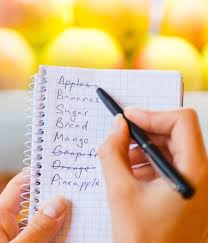
There are many ways to plan meals. Find one that fits you. Some people use a notebook.
They write down meals. They write their grocery list there. Others use apps on their phone.
These apps can help. They can store recipes. They can make lists.
Some people use a whiteboard. They write the week’s meals on the fridge. This lets everyone see the plan.
What works best for you? If you like writing things down, use a planner. If you’re always on your phone, an app might be better.
The goal is to make it easy. If it’s hard, you won’t do it. Pick a method that feels natural.
You can always change it later. The important thing is to start.
Many people find it helpful to have a list of “go-to” meals. These are meals you know how to make. They are usually simple.
Your family likes them. When you’re stuck, you can pick one from this list. This takes the pressure off.
It makes planning much faster. Think about your favorite quick meals. Write them down.
These are your lifesavers.
Quick Meal Planning Ideas
Theme Nights: Make cooking fun with theme nights. Think “Taco Tuesday,” “Pasta Night,” or “Soup Saturday.” This simplifies choices. It also creates anticipation for family meals.
Batch Cooking: Cook large portions of staples like rice, beans, or roasted vegetables. Use these in different meals throughout the week. This saves cooking time later.
Leverage Leftovers: Plan meals that can be repurposed. Roast chicken one night can become chicken salad sandwiches the next day. Don’t let good food go to waste.
“Pantry Raid” Meals: Designate one meal a week to use up odds and ends from your pantry and fridge. This is great for reducing waste and saving money.
Building Your Smart Grocery List
Your grocery list is your roadmap. It guides you through the store. A smart list saves you time.
It saves you money. It prevents impulse buys. The best grocery lists come directly from your meal plan.
They are organized. They are specific. They also consider what you already have.
First, make your meal plan. Then, go through each recipe. Write down every ingredient you need.
Be specific. Don’t just write “chicken.” Write “1 pound boneless, skinless chicken breasts.” This avoids confusion. It stops you from buying too much or too little.
Now, check your pantry and fridge. Do you already have any of the ingredients? Cross them off your list.
This is a vital step. It stops you from buying duplicates. It uses up what you have first.
Imagine finding an extra bag of flour you forgot you bought. That’s money wasted. Checking first prevents this.
Organize your list by store sections. Most supermarkets are laid out similarly. Group items by produce, dairy, meat, canned goods, frozen foods, and so on.
This means fewer trips up and down aisles. It makes shopping faster. You don’t backtrack.
You find things easily. This helps you stick to your plan.
Tips for an Organized Shopping Trip
Once your list is ready, it’s time to shop. But how do you shop smartly? It’s more than just having a list.
It’s about your habits in the store.
Shopping List Organization Example
Produce:
- 1 lb. broccoli florets
- 2 large onions
- 1 pint cherry tomatoes
Meat & Poultry:
- 1 lb. ground beef (85% lean)
- 4 boneless, skinless chicken thighs
Dairy & Refrigerated:
- 1 gallon 2% milk
- 1 dozen eggs
- 1 block cheddar cheese
Pantry Staples:
- 1 box spaghetti
- 1 jar marinara sauce
- 1 can black beans
Try not to shop when you are hungry. This is a classic mistake. When you’re hungry, everything looks good.
You’ll want to buy snacks. You’ll buy things you don’t need. Eat something before you go.
This helps you focus on your list.
Stick to your list. This is the golden rule. If an item is not on your list, ask yourself if you truly need it.
Is it for a planned meal? Or is it an impulse? Most of the time, it’s an impulse.
Leave it on the shelf. You can always go back if you realize you missed something important.
Consider store brands. Many store brands are just as good as name brands. They often cost less.
This is an easy way to save money. Compare prices. Look at the ingredients.
Often, they are identical. Don’t be afraid to try them.
Look for sales. But only buy sale items if they are on your list. Or if they are staples you use often.
Buying something just because it’s on sale can lead to waste. You might buy too much. You might not have a plan for it.
Take advantage of loyalty programs. Many stores offer rewards. These can save you money over time.
Sign up for them. Use your card or app when you shop.
Finally, check your receipt before you leave the store. Did you get everything on your list? Were there any errors?
Catching mistakes early is better. It saves you a return trip.
Budgeting Your Food Spending
Meal planning and smart shopping naturally help with budgeting. But you can take it a step further. Setting a food budget gives you a clear goal.
It helps you track your spending. It shows you where your money goes. This information is powerful.
First, figure out what you spend now. Look at your bank statements. Check credit card bills.
How much did you spend on groceries and dining out last month? Last few months? Get an average.
This is your starting point. It might be higher than you think.
Now, decide on a realistic budget. If your current spending is too high, don’t cut it in half overnight. Make small, achievable changes.
Perhaps you want to cut your food spending by 10%. Or maybe you want to reduce eating out by $100 a month.
Your meal plan is your biggest tool here. By planning meals, you know your grocery costs in advance. You can estimate the cost of your weekly shop.
If it’s too high, you can adjust your meal plan. Maybe swap a pricier meal for a more budget-friendly one. Beans and rice are cheaper than steak.
Lentil soup is often less than chicken pot pie.
Track your spending. Use a notebook, an app, or a spreadsheet. Note down every grocery trip.
Note down every restaurant meal. Compare this to your budget. At the end of the week or month, see where you stand.
Did you go over? Why? Did you stay under?
Great! What did you do differently?
Budget-Friendly Ingredient Swaps
Chicken Breast → Chicken Thighs: Thighs are often cheaper and more flavorful.
Fresh Berries → Frozen Berries: Frozen berries are great for smoothies and baking, and less expensive.
Beef Steaks → Ground Beef or Lentils: Use these in chili, tacos, or pasta sauces.
Pre-cut Veggies → Whole Veggies: Chop your own vegetables to save money.
Convenience Meals → Home-Cooked Staples: Make your own rice, pasta, and simple sauces.
Consider reducing food waste. Every bit of food thrown away is money lost. Your meal plan helps with this.
Using leftovers also helps. Before you buy more, ask yourself: Can I make something with what I have? This is good for your wallet and the planet.
Look for cheaper protein sources. Beans, lentils, and eggs are excellent and affordable. They are also healthy.
Incorporate them into your meals more often. Meat can be expensive. You don’t need meat at every meal to eat well.
Don’t forget about sales and coupons. But use them wisely. Only buy what you need and will use.
A coupon for something you don’t need is not a saving. It’s a potential waste of money.
Finally, review your budget regularly. Your needs might change. Your income might change.
Adjust your budget as needed. It’s a living document. The goal is to be mindful of your food spending.
Reducing Food Waste: A Smart Strategy
Food waste is a huge problem. It costs money. It wastes resources.
It harms the environment. Smart meal planning and grocery shopping are your best weapons against it. But there are other things you can do too.
Small changes make a big difference.
The most important thing is to buy only what you need. This is where your meal plan and organized list come in. If you don’t bring it home, you can’t waste it.
This might seem obvious, but it’s the foundation of waste reduction.
Store your food properly. This is crucial. Different foods need different storage.
Learn the best ways to keep fruits and vegetables fresh. Keep your fridge organized. Put older items in front.
Use airtight containers. This extends the life of your food. For example, herbs can last longer if you trim their stems and place them in a jar of water, like flowers.
Understand “best by” and “use by” dates. “Best by” is about quality. The food is still safe to eat after this date.
“Use by” is about safety. You should not eat food past its “use by” date. Many foods are perfectly good long after their “best by” date.
Use your senses: look, smell, and taste a small amount.
Get creative with scraps. Vegetable peels and stems can make great broth. Stale bread can become croutons or breadcrumbs.
Citrus peels can be zested and frozen for baking. There are many ways to use parts of food you might normally throw away.
Freeze food before it goes bad. If you know you won’t finish that loaf of bread, freeze half of it. If you have too many bananas, peel them and freeze them for smoothies.
Frozen fruits and vegetables are excellent for later use. This is a great way to save food and money.
Keep a running inventory of your pantry and fridge. This helps you see what you have. It prevents you from buying something you already own.
It also helps you plan meals using items that need to be used soon.
Food Storage Best Practices
Leafy Greens: Wash, dry thoroughly, and store in a breathable bag or container with a paper towel to absorb moisture.
Berries: Store unwashed in their original container or a breathable container. Wash just before eating.
Bananas: Keep at room temperature. Hang them to prevent bruising. Once ripe, you can freeze them.
Onions & Potatoes: Store in a cool, dark, dry place. Keep them separate from each other as they can cause spoilage.
Herbs: Trim stems, place in a jar with a little water, cover loosely with a plastic bag, and refrigerate.
Plan for leftovers. Don’t just put them in the fridge and forget them. Schedule a “leftover night” each week.
Or, pack leftovers for lunch the next day. This ensures they get eaten. Think about how you can transform leftovers into a new meal.
Leftover roasted chicken can become tacos or a salad topping.
Compost if you can. If you can’t eat it, and it’s not spoiled, composting is a good option. It turns food scraps into nutrient-rich soil.
This is much better than sending it to a landfill. Many cities have composting programs. Or you can start a home compost bin.
When you focus on using what you have, you naturally reduce waste. Your grocery bills go down. You feel more resourceful.
It’s a win-win situation.
Real-World Scenarios: Putting It All Together
Let’s look at how this works in a real week. Imagine a family of four. They want to eat healthier.
They also want to save money. They have busy weeknights. They have more time on weekends.
Step 1: The Weekly Review
On Sunday, they look in their fridge. They have half a carton of eggs. Some yogurt.
A few apples. About half a bag of spinach. In the pantry, they have pasta, rice, and canned beans.
Step 2: The Meal Plan
Their plan:
- Monday: Pasta with marinara sauce and a side salad (using spinach).
- Tuesday: Tacos (ground beef) with all the fixings.
- Wednesday: Chicken stir-fry with mixed vegetables (buying new veggies).
- Thursday: Leftover stir-fry or baked potatoes with beans and cheese.
- Friday: Homemade pizza night (using up any leftover veggies).
- Saturday: Roasted chicken with roasted root vegetables.
- Sunday: Leftover roasted chicken for lunches or a simple chicken soup.
Step 3: The Grocery List
Based on the plan and what they have:
- Produce: Onions, garlic, bell peppers (for stir-fry and pizza), carrots, potatoes, lettuce, cherry tomatoes.
- Meat: 1 lb ground beef, 1 whole chicken, 4 chicken thighs (for stir-fry, can swap for breast if preferred).
- Dairy: Milk, cheese, yogurt (already have some).
- Pantry: Marinara sauce (already have some), taco shells, stir-fry sauce ingredients, pizza dough ingredients (or pre-made).
They check their list. They have pasta, rice, beans, and spinach. They cross those off.
Step 4: Shopping Smart
They go to the store with their organized list. They stick to it. They choose store brands where possible.
They look for specials on chicken and vegetables.
Step 5: Meal Prep (Optional but helpful)
On Sunday afternoon, they might chop some vegetables for the stir-fry and tacos. They might wash the lettuce. This saves time on busy weeknights.
They could also roast the chicken and vegetables for Saturday’s dinner.
Step 6: Using It Up
Throughout the week, they use leftovers. They notice the spinach wilting and make sure to use it in the salad. Any leftover pizza toppings go on the homemade pizza.
The leftover roasted chicken is used for lunches. This prevents food from going to waste.
Sample Weekly Shopping List Breakdown
Produce: Onions (2), Garlic (1 head), Bell Peppers (3), Carrots (1 lb), Potatoes (5 lb bag), Lettuce (1 head), Cherry Tomatoes (1 pint).
Meat: Ground Beef (1 lb), Whole Chicken (1), Chicken Thighs (4).
Dairy: Milk (1 gallon), Cheese (1 block), Yogurt (1 tub).
Pantry: Marinara Sauce (1 jar), Taco Shells (1 box), Stir-fry Sauce ingredients (soy sauce, ginger, etc.), Pizza Dough Mix (1).
Already Owned: Pasta, Rice, Canned Beans, Spinach.
This scenario shows how planning and smart shopping work together. It’s not about rigid rules. It’s about creating a system that works for your life.
It’s about making cooking and eating enjoyable, not a chore.
When is it Normal, and When Should You Worry?
It’s completely normal to sometimes have a few items left over. It’s also normal to occasionally run out of something. Life happens.
The goal is not perfection. It’s about improving. It’s about reducing waste and saving money most of the time.
You should start to worry if you consistently:
- Throw away a lot of food every week.
- Find yourself making emergency grocery trips very often.
- Feel stressed about what to cook daily.
- Spend more on food than you planned or can afford.
- Buy groceries but don’t use them, and they expire.
If these sound familiar, it’s a sign that your current system isn’t working. That’s okay. It means it’s time to adjust.
Maybe your meal plans are too ambitious. Maybe your grocery lists are too vague. Or maybe you’re not checking your pantry before you shop.
A simple check is to look in your fridge at the end of the week. What did you not use? Why?
Was it a recipe ingredient you only needed a small amount of? Was it something you bought on impulse? Was it a perishable item you forgot about?
If you consistently find yourself with spoiled produce, it might mean you are buying too much, or not storing it correctly. If you constantly forget about items in the back of your fridge, maybe reorganize it. Put newer items behind older ones.
This way, older items are seen first.
Another indicator is your spending. If your grocery bills are steadily increasing, and you’re not buying more expensive items, it could be due to waste. You’re essentially paying for food that ends up in the trash.
Tracking your expenses can reveal this pattern.
It’s also worth considering your eating habits. Are you making too much food for your family size? Are you planning meals that your family doesn’t actually like?
Asking for feedback from your family can be very helpful. If everyone complains about the meals, it’s less likely they’ll be eaten, leading to waste.
The best approach is to be honest with yourself. Don’t get discouraged. Every week is a new chance to learn and improve.
If you notice a problem, ask yourself how to fix it. Small adjustments can lead to big changes over time.
Quick Tips for Smarter Shopping and Planning
Here are some easy things to do:
- Keep a running list: Have a notepad or app where you jot down items as you notice you’re running low.
- Theme your weeks: Plan one meal around a specific cuisine or type of cooking.
- Double-check your pantry first: Before planning, know what you already have.
- Use what you have: Prioritize recipes that use ingredients close to expiring.
- Don’t shop hungry: This is key to avoiding impulse buys.
- Stick to your list: This is the most important rule for smart shopping.
- Freeze extras: If you have too much of something, freeze it for later.
- Learn basic preservation: Knowing how to store food properly makes it last longer.
- Involve your family: Let them pick some meals. They are more likely to eat what they choose.
- Start small: If planning a whole week feels overwhelming, try planning 2-3 meals first.
Frequently Asked Questions
How often should I create a meal plan?
Most people find it most effective to create a meal plan weekly. This allows you to adjust based on your schedule and what’s on sale. Some prefer to plan bi-weekly or monthly for larger shops.
What if my family is picky eaters?
Start by planning meals you know they will eat. Then, slowly introduce new recipes by incorporating one new item into a familiar meal. For example, add a new vegetable to a favorite pasta dish.
Involve them in the planning process, letting them choose a few meals each week.
How can I make meal planning faster?
Keep a list of your family’s favorite meals. Rotate through these meals. Also, consider using meal planning apps that can suggest recipes and generate shopping lists based on your preferences and pantry items.
Is it okay to buy pre-cut vegetables or pre-made sauces?
It’s okay, but often more expensive. If your goal is to save money and reduce waste, whole ingredients are usually better. However, if convenience is a major factor and it helps you stick to a plan, occasional use is fine.
Just be aware of the cost difference.
What’s the best way to organize my grocery list?
Organize your list by store sections: produce, dairy, meat, pantry, frozen, etc. This saves time and prevents you from wandering through aisles unnecessarily. It also helps you avoid buying things you don’t need because you see them out of place.
How do I stop impulse buying at the grocery store?
The best ways are to shop with a detailed list and never shop when you’re hungry. Also, try to go to the store less often. Plan your meals and shopping trips so you only need to go once a week or even every two weeks if possible.
Final Thoughts on Your Kitchen Journey
Creating a smart grocery shopping and meal plan is a journey. It’s about making your kitchen work for you. It brings order to chaos.
It saves you time and money. Most importantly, it helps you feel good about the food you eat and the resources you use. Start small, be patient with yourself, and enjoy the process of transforming your kitchen habits.




Leave a Reply