
Smart grocery shopping and meal planning results can last from a few days for highly perishable items to several weeks for pantry staples. Effective planning maximizes freshness and minimizes waste, helping you save money and time by buying only what you need and using it before it spoils.
Understanding Smart Grocery Shopping and Meal Planning
Smart grocery shopping means more than just grabbing items off the shelf. It involves knowing what you need before you even leave the house. This often starts with looking at what you already have in your fridge and pantry.
It’s about being mindful of what you’ll actually use.
Meal planning is the backbone of this. It’s about deciding what you’ll eat for the week, or even longer. This helps you create a focused grocery list.
No more impulse buys! You know exactly which ingredients you need for your planned meals. This saves money and cuts down on food waste.
The Lifespan of Your Grocery Haul
When we talk about how long results from smart shopping and planning last, we’re really talking about how long the food itself stays good. This varies a lot based on the type of food. It also depends on how you store it.
Let’s break it down.
Fresh Produce: The Quick Movers
Fruits and vegetables are where many of us see waste happen. They are often the first to spoil. Smart planning helps you buy only what you need for meals planned in the next few days.
Leafy Greens
Think lettuce, spinach, and kale. These are delicate. If bought fresh and stored well, they might last 5 to 7 days.
Washing and drying them thoroughly, then storing them in a container with a paper towel, helps a lot. But if they’re already a bit wilted at the store, you’ve got less time.
Root Vegetables
Carrots, potatoes, onions, and sweet potatoes are tougher. Stored in a cool, dark, dry place, they can last for weeks, even months. Potatoes and onions should be kept separate.
They can make each other sprout faster.
Berries and Soft Fruits
Strawberries, raspberries, and blueberries are beautiful but fragile. They often last only 2 to 4 days. Buying them as close to when you plan to eat them as possible is key.
Inspecting each berry for mold before buying is a good idea.
Hardy Fruits and Vegetables
Apples, oranges, lemons, and sturdy vegetables like broccoli, cauliflower, and bell peppers can last longer. Stored correctly in the fridge, many of these can stay fresh for 1 to 3 weeks. For example, apples can be good for 3 weeks or more in the crisper drawer.
Produce Storage Secrets
Crisper Drawers: Use them! They control humidity. High humidity for leafy greens, low for fruits that rot easily.
Wash Before Storing? Usually No: Moisture can cause mold. Wash just before you eat.
Ethylene Gas: Some fruits produce this. It makes other produce ripen faster. Keep apples, bananas, and tomatoes away from lettuce and broccoli.
Dairy and Alternatives: A Shorter Shelf Life
Milk, yogurt, cheese, and plant-based alternatives have different timelines. Checking the ‘sell-by’ or ‘use-by’ dates is crucial. Smart shopping means buying what you’ll use before these dates.
Milk and Cream
Once opened, milk typically lasts 5 to 7 days in the refrigerator. Unopened, it lasts much longer, up to the date on the carton. The same goes for cream and half-and-half.
Yogurt and Sour Cream
These can last a week or two past their ‘use-by’ date if kept cold and unopened. Once opened, aim to use them within 7 days for best quality. Small tubs are better if you don’t use a lot.
Cheese
Hard cheeses like cheddar and Parmesan can last for months in the fridge if wrapped well. Softer cheeses like brie or cream cheese might last 1 to 2 weeks after opening. Proper wrapping prevents drying out.
Meats, Poultry, and Seafood: Handle with Care
These are highly perishable. Safety is paramount. Smart planning ensures you cook them early in the week or freeze them.
Fresh Meats and Poultry
Ground meat, chicken, and fish are best cooked within 1 to 2 days of purchase. Larger cuts of beef or pork might last 3 to 5 days. Always store them on the bottom shelf of the fridge to prevent juices from dripping.
Seafood
Fish and shellfish are the most delicate. Use them the same day you buy them, or within 2 days at most. Smell is a good indicator—if it smells strongly ‘fishy,’ it’s likely past its prime.
Meat Storage Safety Tips
Bottom Shelf: Always store raw meat, poultry, and seafood on the lowest shelf. This stops cross-contamination if they leak.
Original Packaging: Keep them in their original packaging until you’re ready to cook. If it looks damaged, place it on a plate.
Freezing is Your Friend: If you can’t use them within a few days, freeze them. Proper wrapping prevents freezer burn.
Pantry Staples: The Long Haul
Canned goods, dry pasta, rice, flour, and sugar are the stars of long-term food storage. Smart planning uses these items in meals throughout the week or month.
Canned Goods
Canned vegetables, fruits, soups, and beans can last for years if stored in a cool, dry place. Check for dents or rust, which can indicate spoilage.
Dry Goods
Pasta, rice, flour, sugar, and oats can last from 6 months to several years. Once opened, store them in airtight containers to keep them fresh and prevent pests. For longer storage, especially in humid climates, freezing flour or grains can prevent weevils.
Oils and Vinegars
Most cooking oils last 6 to 12 months after opening. Store them away from heat and light. Vinegars can last almost indefinitely if stored properly.
Frozen Foods: Extended Life
Freezing is a fantastic way to extend the life of many foods. Smart meal planning often involves freezing leftovers or portions of bulk purchases.
Meats and Poultry
When frozen properly, meat and poultry can last 6 months to a year. The key is airtight packaging to prevent freezer burn.
Fruits and Vegetables
Blanching vegetables before freezing helps them retain nutrients and color. Frozen fruits and vegetables can last 8 to 12 months. They are great for smoothies or cooking when fresh isn’t available.
Freezing Do’s and Don’ts
Do: Use airtight containers or freezer bags. Remove as much air as possible.
Don’t: Refreeze food that has already been thawed. This can affect quality and safety.
Label Everything: Date and name your frozen items. You’ll thank yourself later!
The “Results” of Smart Planning: Beyond Just Food Freshness
The “results” of smart grocery shopping and meal planning aren’t just about how long your lettuce stays crisp. They impact your life in many other ways. The real benefits are often felt over time.
Saving Money: The Obvious Win
When you plan, you buy less impulse stuff. You use what you buy. This means fewer trips to the store and less food thrown away.
In my own kitchen, I noticed my grocery bill drop by nearly 25% within a month of sticking to a plan. That was a huge relief!
Imagine buying chicken breasts for a planned stir-fry. You use half for the stir-fry. The other half is frozen for a soup next week.
You don’t end up with a half-used package of chicken going bad. That’s money saved directly.
Cost-Saving Habits
Shop Your Pantry First: Before making a list, see what you have. Plan meals around existing ingredients.
Buy in Bulk (Smartly): For non-perishables you use often, buying in bulk can save money. But only if you will use it all.
Embrace Sales: Plan meals around what’s on sale at your local grocery store.
Reducing Food Waste: A Greener Impact
The environmental impact of food waste is staggering. When we throw food away, we also waste all the resources that went into growing, processing, and transporting it. Smart planning directly combats this.
I remember throwing out a whole bag of spinach that I forgot about. It felt so wasteful. Now, I plan meals that use up greens quickly, like adding them to smoothies or wilting them into pasta sauces.
It makes a difference.
This includes compostable materials. Even those get sent to landfills where they can produce methane gas, a potent greenhouse gas. By using our food, we lessen this burden.
Saving Time: The Unexpected Bonus
While meal planning takes time upfront, it saves a ton of time later. No more staring into the fridge wondering what to make for dinner. No more last-minute trips to the store for one forgotten ingredient.
On a busy Tuesday night, instead of figuring out dinner from scratch, I can pull out pre-portioned ingredients for a meal that takes 20 minutes to cook. That extra hour I get back is priceless. It means more family time or just a chance to relax.
Time-Saving Strategies
Prep Ahead: Wash and chop veggies when you get home from the store. Store them in containers.
Batch Cooking: Cook large batches of grains like rice or quinoa. Make a big pot of soup or chili to eat over several days.
The “Use It Up” Meal: Designate one meal a week (like a frittata or a big salad) for using up leftovers and stray veggies.
Healthier Eating: A Natural Outcome
When you plan your meals, you’re more likely to cook healthy, balanced dishes. It’s easier to make better choices when you have the right ingredients on hand. You’re not tempted by fast food when a nutritious meal is ready to go.
I found that when I wasn’t planning, I’d often grab processed snacks or order takeout. Once I started meal planning, I naturally gravitated towards fresh ingredients and home-cooked meals. My energy levels improved, and I felt better overall.
Real-World Scenarios: When Planning Really Shines
Let’s look at some everyday situations where smart planning pays off. These are the moments where you see the true value of your effort.
Scenario 1: The Busy Work Week
You have a packed schedule. Monday morning, you know you need lunches for work and quick dinners for evenings. Your meal plan has you making a big batch of chili on Sunday.
This chili becomes lunch for Monday and Tuesday, and dinner Monday night.
On Tuesday, you cook chicken breasts and roasted vegetables. The chicken is for Wednesday’s lunch salad, and the veggies are a side for Tuesday’s dinner. This system ensures you eat well without spending hours cooking every single night.
Scenario 2: The Unexpected Guest
A friend calls Friday afternoon, saying they’re in town and can drop by for dinner. With a well-stocked pantry and a plan, you can easily whip something up. You might have pasta and sauce ready, or ingredients for a quick curry.
If you hadn’t planned, you’d be rushing to the store, stressed about what to buy. Now, you can relax and enjoy the company. This shows how planning offers flexibility, not just rigidity.
Scenario 3: Reducing Weeknight Dinner Stress
For many families, the 5 PM dinner question is a daily struggle. A meal plan takes the guesswork out. You know what’s for dinner each night.
You might even do some prep on the weekend.
This calm approach means less stress and more pleasant evenings. It helps avoid the urge to order expensive takeout when you’re tired and uninspired.
Everyday Kitchen Wins
Post-Grocery Store: When you get home, take 15 minutes to put away groceries and do a quick prep (wash greens, chop onions). This speeds up weeknight cooking.
Sunday Prep: Dedicate an hour on Sunday to cook grains, bake chicken, or make a big soup. These components can be used in meals throughout the week.
Leftover Lunches: Plan to eat leftovers for lunch. This is one of the easiest ways to save money and time.
What This Means for You: When to Worry and When to Relax
So, how long should you expect your smart shopping efforts to last? It’s about understanding the food and your own habits.
When is it Normal for Food to Go Bad?
It’s normal for some fresh produce to have a shorter life. Berries, leafy greens, and herbs are delicate. If you bought them a few days ago and they’re starting to turn, that’s expected.
The goal is to buy them closer to when you need them and use them fast.
It’s also normal to have a few items you forgot about. Life happens! The key is that this shouldn’t be the norm.
If most of your produce spoils before you can use it, your planning or shopping habits might need a tweak.
When Should You Be Concerned?
You should be concerned if you consistently throw away large amounts of food. This means your shopping habits aren’t matching your eating habits. Maybe you’re buying too much, or the wrong types of food.
If your pantry staples are expiring because you never use them, that’s also a sign. It’s not just about fresh food. It’s about making sure the food you buy actually gets eaten.
This points to a disconnect in your meal planning or how you incorporate those items into your meals.
Simple Checks You Can Do
Regular Fridge Audit: Once a week, before you shop, take a quick look at your fridge. What needs to be used up soon? What’s on its last leg?
Pantry Scan: Do the same for your pantry. Note items you haven’t touched in months. Can you plan a meal around them?
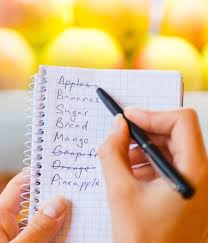
Grocery List Review: After a week, look at your grocery list and what you actually bought. Did you stick to it? Did you buy things you didn’t need?
What did you miss?
Quick Tips for Maximizing Freshness and Value
Here are a few easy things you can do to make your groceries last longer and get the most out of your shopping trips.
- Store food properly: Learn the best way to store different types of produce. Some like the fridge, others a cool dark pantry.
- FIFO (First-In, First-Out): When you buy new groceries, move older items to the front. Use the older stuff first. This applies to your fridge, pantry, and freezer.
- Freeze leftovers: Don’t let cooked food go bad. Freeze it in single-serving portions for quick meals later.
- Get creative with scraps: Vegetable scraps can make broth. Stale bread can become croutons or breadcrumbs.
- Understand ‘best by’ vs. ‘use by’: Many dates are about quality, not safety. Use your senses (smell, sight) to decide if food is still good.
Making Food Last Longer
Herbs: Treat fresh herbs like flowers. Trim stems and place in a jar of water in the fridge. Cover loosely with a plastic bag.
Avocado: To ripen avocados faster, put them in a paper bag with a banana. To slow ripening, store them in the fridge.
Onions and Garlic: Store these in a cool, dry, dark place with good air circulation. Don’t store them with potatoes.
Frequently Asked Questions About Smart Grocery Shopping Results
How long can I expect fresh herbs to last after buying them?
Fresh herbs can vary greatly. Delicate herbs like cilantro and parsley might only last 5-7 days, even with proper storage. Hardier herbs like rosemary and thyme can last 2-3 weeks.
Washing them and storing them upright in a glass of water in the fridge, covered with a plastic bag, helps extend their life.
What is the best way to store bread to keep it fresh?
For short-term storage (a few days), keep bread in a bread box or a paper bag at room temperature. For longer storage, freezing is best. Slice the bread before freezing, then store in a freezer-safe bag.
You can toast frozen slices directly. Avoid the refrigerator, as it can make bread stale faster.
My meal plan is for 7 days, but how long does the food purchased actually stay fresh?
Your meal plan helps you buy what you need for the week. Perishables like leafy greens and berries might only be good for 3-5 days. Hardier produce, pantry staples, and properly frozen items can last much longer.
The goal is to buy perishables in quantities that match your planned consumption within their fresh window.
How can I tell if dairy products like milk or yogurt are still good to eat?
Always check the ‘use by’ or ‘sell by’ date first. If it’s past the date, use your senses. For milk, if it smells sour or has a strange texture, discard it.
For yogurt, if the smell is off, there’s mold, or the container is bulging, it’s best to toss it. Unopened dairy is usually safe a bit past the date if refrigerated properly.
Is it okay to freeze meat that I bought a few days ago but haven’t used yet?
Yes, as long as the meat has been kept consistently refrigerated and is still within its safe handling window, you can freeze it. Ensure you wrap it tightly in freezer-safe material to prevent freezer burn. Freezing stops bacterial growth, preserving the meat for much longer.
What are some pantry staples that have a very long shelf life?
Pantry staples like dried beans, rice, pasta, flour, sugar, salt, and canned goods have very long shelf lives. When stored properly in airtight containers in a cool, dry place, they can last from one year to many years. Canned goods are often good for 2-5 years past their printed date.
Conclusion: Making Smart Choices Last
Smart grocery shopping and meal planning are investments. The results aren’t just about the food lasting longer. They’re about saving money, reducing waste, and gaining precious time.
By understanding food lifespans and storing items correctly, you empower yourself to make these benefits last.
Focus on buying what you need, using what you buy, and storing it with care. You’ll find your kitchen becomes a place of efficiency, not frustration. That feeling of accomplishment when you’ve used everything you bought is a true win!



Leave a Reply