
Strolling through the grocery store aisles can feel like a treasure hunt. You’re looking for good food that fits your budget. But sometimes, what seems like a smart move can end up costing you more.
Or worse, you end up with food that goes bad before you can eat it.
Many of us start grocery shopping with the best intentions. We want to eat healthier. We want to save money.
We dream of delicious home-cooked meals. Yet, we often fall into common traps. These little mistakes can add up quickly.
They can make your food bill higher than it needs to be.
Don’t worry. You’re not alone. We’ve all been there.
This guide is here to help. We will look at the common slips people make. We’ll explore how these lead to wasted money and food.
More importantly, we will learn how to avoid them. Get ready to shop smarter. Let’s make your grocery trips more successful.
Smart grocery shopping means more than just filling your cart. It’s about planning, knowing what you need, and buying wisely to reduce waste and save money. Avoiding common mistakes helps you get the most value from your food budget.
What Smart Grocery Shopping Really Means
At its heart, smart grocery shopping is about being intentional. It’s not just about buying food. It’s about buying the right food.
You want food that you will actually use. You want it to be good for you. And you want to pay a fair price for it.
Think about it. A trip to the store involves many choices. What aisle do you go down first?
Do you grab that brightly colored box? Do you pick up the sale item without thinking? These small decisions matter.
They shape what ends up in your kitchen.
Smart shopping also looks at the bigger picture. It’s about reducing food waste. When food spoils, your money is literally thrown away.
It’s about making your budget work harder. Every dollar saved on groceries can go towards other important things.
This approach involves a few key ideas. It means knowing your kitchen. It means understanding your eating habits.
It means being a savvy consumer in the store. And it means being mindful of your impact on the planet. It’s a full circle approach to feeding yourself and your family.
My Own Grocery Store Stumbles
I remember one trip vividly. I was excited about a new recipe I’d found. It called for a very specific, somewhat fancy ingredient.
I went to the store, found it, and bought it. I pictured myself making this amazing dish. Then life happened.
A friend invited me out for dinner. Then I had a busy week at work. Before I knew it, the fancy ingredient was wilting in my fridge.
It sat there, mocking me. I felt so guilty. And I felt like I’d wasted my money.
That ingredient cost a good bit, too.
It was a wake-up call. I realized I was buying things based on fleeting inspiration or just because they looked good. I wasn’t connecting those purchases to my actual life.
My fridge often became a graveyard for good intentions. This happened more than once. It made me rethink how I approached the grocery store.
I started to see the value in a more thoughtful plan.
Common Pitfalls: What Trips People Up
Impulse Buys: Grabbing items not on your list, often swayed by sales or attractive displays.
Overbuying Produce: Purchasing more fruits and vegetables than you can eat before they spoil.
Ignoring Expiration Dates: Buying items that are too close to their sell-by date, leading to quick waste.
Not Checking Your Pantry First: Buying duplicates of items you already have.
The Big Mistakes Smart Shoppers Avoid
Let’s talk about the most common slips. These are the things that make your grocery bill climb. They also lead to a lot of wasted food.
Knowing these can help you steer clear.
One of the biggest issues is shopping without a plan. People walk into the store without a list. They might have a vague idea of what they want.
But without a concrete list, it’s easy to get sidetracked. You might buy things you don’t need. You might forget essential items.
Another mistake is buying in bulk too often. Sales on large packages look great. But if you can’t use it all, it’s a waste.
This is especially true for perishable items. Think about that giant tub of yogurt. If your family only uses a little, half of it might end up in the trash.
Then there’s the issue of ignoring unit prices. The big package often looks cheaper. But is it really?
Sometimes a smaller package is a better deal per ounce or per pound. You need to check the unit price tag. This is often printed on the shelf below the item.
Many people also fall for “showrooming”. This means you see something in the store, think about it, and then leave. You might buy it later online.
But for groceries, this often means you don’t get the freshest items. Or you might forget it altogether.
Finally, not understanding sales is a trap. Stores use sales to get you to buy things. A “buy one, get one free” deal sounds amazing.
But do you need two? If not, you’re still paying for one item you might not use fully.
Mistake 1: Going to the Store Empty-Handed
This is probably the number one mistake. You walk into the grocery store. You have no list.
You might have a general idea. “I need some fruit.” “Maybe some chicken.” But without a specific list, your brain is open to suggestion.
The colorful displays catch your eye. The special end caps with new products draw you in. You see a tempting snack on sale.
Suddenly, your cart is filling up with things you didn’t plan for. This leads to impulse buys.
These impulse buys often aren’t part of your planned meals. They might be treats. They might be items you’ve never used before.
They often sit in your fridge or pantry, unused. Then they expire. This is money down the drain.
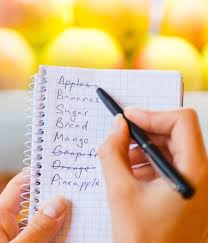
A simple shopping list stops this. It keeps you focused on what you actually need.
Mistake 2: Overstocking Perishables
Fruits, vegetables, dairy, and fresh meats are great. They are important for a healthy diet. But they also go bad quickly.
A common mistake is buying too much of them.
You see beautiful strawberries on sale. You buy three large containers. Your plan was to eat them with breakfast for a few days.
But halfway through the week, two containers are moldy. You only ate from one.
This happens with lettuce, tomatoes, and even bread. Buying too much leads to waste. It’s better to buy less and go to the store a bit more often.
Or, learn how to store these items properly so they last longer. This is a key part of smart grocery shopping.
Quick Scan: Pantry Check First
- Goal: Avoid buying duplicates.
- Action: Before you make a list, look in your fridge and pantry.
- What to look for: Items you are low on. Items you have plenty of.
- Benefit: Saves money and reduces clutter.
Mistake 3: Falling for “Buy One, Get One Free” Traps
Sales are a big part of grocery shopping for many people. “Buy One, Get One Free” (BOGO) offers are very popular. They seem like a fantastic deal.
You get two items for the price of one.
But here’s the catch: Do you need two of that item? If the item is non-perishable, like canned soup or pasta, it might be okay. You can store it for later use.
But if it’s something that expires, like fresh bread or yogurt, it can be a problem.
If you end up throwing away the second item because it went bad, you didn’t save money. You paid full price for one item and got nothing for the other. It’s essential to ask yourself if you will use both items before they expire.
Mistake 4: Ignoring the Unit Price
Many stores clearly display the unit price for items. This is the price per ounce, per pound, or per item. It’s a vital tool for smart shopping.
Often, the larger package has a lower unit price. This makes it seem like a better deal. But this isn’t always true.
Sometimes, smaller packages are more efficient. Or, a different brand might have a better unit price.
Always check the unit price. This helps you compare different sizes and brands fairly. It ensures you are truly getting the best value for your money.
Don’t just look at the total price on the shelf. Look at the price per unit.
Contrast: Sale vs. Need
Normal Sale: Item is on sale, and you were planning to buy it anyway.
Concerning Sale: Item is on sale, but you didn’t need it. You buy it “just in case” or because it’s a good deal.
Smart Strategy: Only buy sale items that are on your list or are non-perishable staples you always use.
Mistake 5: Not Storing Food Correctly
Even if you buy the right amount of food, it can still go bad if not stored properly. This is a huge area where mistakes happen. People put things in the wrong place.
For example, some fruits and vegetables release ethylene gas. This gas speeds up the ripening of other produce around it. Tomatoes and bananas are good examples.
If you store them with lettuce, the lettuce will wilt faster.
Some items need to be refrigerated right away. Others are fine at room temperature. Knowing the best way to store each food item can make a big difference in its lifespan.
It means less waste and more use from what you buy.
The Power of Meal Planning
Meal planning is the cornerstone of smart grocery shopping. It’s the antidote to many common mistakes. When you plan your meals, you create a roadmap for your shopping trip.
Think about it this way: You decide what you’re going to eat for the week. Breakfast, lunch, and dinner. Once you have this plan, you can make a detailed grocery list.
This list will be specific. It will tell you exactly which ingredients you need. You’ll know the exact quantity.
This stops impulse buys. It prevents you from buying things you don’t need. It also ensures you don’t forget key items.
Meal planning also helps reduce food waste. You’re more likely to use up the ingredients you buy. You can plan meals that use similar ingredients.
For example, if you buy a whole chicken, you can plan a roast chicken dinner, then use the leftovers for chicken salad, and the carcass for stock.
It takes a little time to plan. But the benefits are huge. You save money.
You reduce waste. You eat healthier meals. And the stress of “What’s for dinner?” disappears.
How to Start Meal Planning
Getting started with meal planning doesn’t have to be hard. You don’t need fancy apps or complicated systems.
Step 1: Choose Your Days. Decide how many days you want to plan for. Most people plan for 5-7 days.
Step 2: Check Your Schedule. Look at your week. Are there nights you’ll be busy? Plan quick meals or leftovers for those nights.
Are there nights you have more time? Plan more involved recipes.
Step 3: Browse Recipes or Ideas. Look through cookbooks, online recipes, or just think about your family’s favorites. Pick meals that sound good and fit your schedule.
Step 4: Make Your List. For each meal, write down the ingredients you need. Then, check your pantry, fridge, and freezer. Cross off anything you already have.
Add the remaining items to your master shopping list.
Step 5: Be Flexible. Life happens! Don’t feel tied to your plan if something comes up. You can swap meals or adjust as needed.
Meal Planning Flow:
Step 1: Pick 5-7 meals for the week.
Step 2: Check your pantry/fridge.
Step 3: Make your shopping list.
Step 4: Shop using the list.
Step 5: Cook and enjoy!
Smart Produce Buying: More Than Just Pretty Colors
Fruits and vegetables are the stars of a healthy diet. But they can also be a source of waste if not bought and stored wisely.
One common mistake is buying produce based on how it looks alone. Bright, shiny apples might look perfect. But are they in season?
Are they local? Sometimes, produce is picked too early and shipped long distances. It might look good, but the flavor can be bland.
And it may spoil faster.
Tip: Buy in Season. Produce that is in season is usually cheaper. It tastes better. And it’s more likely to be local.
This reduces transportation costs and time. Farmers’ markets are great places to find in-season produce.
Tip: Inspect Carefully. Don’t be afraid to look at the produce. For things like berries, check the bottom of the container. For things like lettuce or broccoli, look for wilting or brown spots.
Choose items that feel firm and look fresh.
Tip: Understand “Best By” vs. “Use By”. For produce, these dates are often more about peak quality than safety. Many items are still good to eat a few days past their “best by” date.
Use your senses: look, smell, and taste (if safe) to decide.
Tip: Don’t Overbuy. It’s better to buy a smaller amount of a few types of produce. You can always go back for more. This is especially true for delicate items like berries or leafy greens.
Plan to use them within a few days.
Tip: Learn Storage Secrets. Some items last longer when stored in the fridge. Others are better at room temperature. For instance, avocados ripen best on the counter.
Potatoes and onions should be kept in a cool, dark place, but not together.
Produce Storage Quick Guide
Keep Separate: Bananas, apples, and tomatoes release ethylene gas. Keep them away from other fruits and veggies.
Crispness: Leafy greens last longer when wrapped in a damp paper towel in a plastic bag in the fridge.
Root Veggies: Potatoes, onions, and garlic prefer a cool, dark, dry place (not the fridge).
Berries: Store unwashed in a breathable container in the fridge. Use them quickly.
Pantry Power: Building a Smart Stockpile
Your pantry is your secret weapon for smart grocery shopping. A well-stocked pantry means you’re less likely to make emergency trips to the store. These trips often lead to impulse buys.
It also means you can make meals from what you have.
The key is to stock staples that you use regularly. Don’t buy exotic ingredients you might use once. Focus on versatile items.
Smart Pantry Staples:
- Grains: Rice, pasta, oats, quinoa.
- Legumes: Dried or canned beans, lentils.
- Canned Goods: Tomatoes, corn, tuna, soup.
- Baking Needs: Flour, sugar, baking soda, baking powder, oil.
- Spices and Seasonings: Salt, pepper, herbs, spices.
- Broth/Stock: Chicken, vegetable, or beef broth.
- Long-lasting Produce: Potatoes, onions, garlic, winter squash.
- Healthy Fats: Nuts, seeds, peanut butter.
When you are meal planning, check your pantry first. You might find you already have half the ingredients needed for a meal. This saves you money and trips to the store.
Keep your pantry organized. Use clear containers. Label everything.
Store items with similar uses together. This makes it easy to see what you have. It also helps you use things before they expire.
Pantry Organization Tips
Clear Containers: See what’s inside easily.
Labels: Write the item name and date you opened it.
Group Like Items: Baking supplies together, canned goods together.
First-In, First-Out (FIFO): Put newer items behind older ones to ensure you use older stock first.
Reading Labels Like a Pro
Grocery store labels are full of information. But they can also be confusing. Knowing how to read them helps you make smarter choices.
Expiration Dates: These are often misunderstood.
- Sell-By: This is for the store. It tells them how long to display the product.
It’s not a safety date.
- Best-By / Best If Used By: This date indicates when the product will be at its best quality. It’s not an unsafe date.
- Use-By: This is usually the latest date recommended for peak quality. For some perishable foods, it might be related to safety.
For most non-perishable items, if they look and smell okay, they are likely safe to eat past the “best by” date.
For dairy and meats, be more cautious.
Ingredients List: Ingredients are listed in order of weight. The first few ingredients make up the bulk of the product. Look for whole foods and fewer artificial additives.
Nutrition Facts Panel: This tells you about serving size, calories, and nutrients. Pay attention to serving size. It’s easy to eat more than one serving.
Look at sodium, sugar, and saturated fat levels. Compare these between similar products.
Unit Price: As mentioned before, this is key for comparing value. It’s usually found on the shelf tag.
Label Check-off
1. Expiration Date: Is it still good?
2. Ingredients: What’s actually in it? Whole foods first?
3. Nutrition Facts: Serving size? Calories?
Sugar/Sodium?
4. Unit Price: Is it a good value per ounce/pound?
Budgeting for Groceries: Making Every Dollar Count
Sticking to a grocery budget is a vital part of smart shopping. It forces you to be mindful of your spending. It helps prevent overspending.
Set a Realistic Budget: Look at your past spending. How much do you normally spend on groceries? Adjust this based on your income and needs.
Be realistic. Don’t aim too low at first.
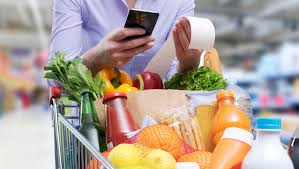
Track Your Spending: Use a notebook, an app, or a spreadsheet. Write down every grocery purchase. At the end of the month, see where your money went.
This helps you identify areas where you can cut back.
Use Coupons Wisely: Coupons can save money, but only if you use them for things you actually need. Don’t buy something just because you have a coupon. It’s better to use coupons for items that are already on sale or on your list.
Shop Store Brands: Store brands (generic brands) are often much cheaper than name brands. The quality is usually very similar. Give them a try.
You might be surprised.
Buy Cheaper Proteins: Meat can be expensive. Consider cheaper protein sources like beans, lentils, eggs, and tofu. When you do buy meat, look for sales or choose less expensive cuts.
Limit Pre-Packaged and Convenience Foods: These items are often more expensive than making them yourself. Things like pre-cut vegetables, pre-made sauces, and frozen meals add up quickly.
Budgeting Quick Wins
- Plan meals: Reduces impulse buys.
- Shop sales: But only for needed items.
- Store brands: Often as good, much cheaper.
- Cheaper proteins: Beans, lentils, eggs.
- Cook more: Avoid costly convenience foods.
When is it Okay to Splurge (Smartly)?
Smart shopping doesn’t mean never buying anything that isn’t on sale. It means being intentional about where your money goes.
Sometimes, a slightly more expensive item is worth it. This could be for:
- Quality: A really good cut of meat for a special occasion.
- Convenience (Limited): Pre-chopped onions if you’re severely short on time and know you’ll use them.
- Health: Organic produce if that’s a priority for you and it fits your budget.
- Local/Ethical: Supporting a local farmer or buying ethically sourced products.
The key is to make these “splurges” a conscious choice. They should be planned, not accidental.
For example, if you plan to make a special meal, you might budget a little extra for a nicer ingredient. You know you’ll use it. You’ll enjoy it.
It’s a planned expense, not a random impulse buy.
This is where having a clear understanding of your values and priorities comes in. What’s important to you? Is it saving every last penny?
Or is it having access to certain types of food?
What This Means for Your Next Grocery Trip
Understanding these common mistakes is the first step. It helps you see where you might be losing money or wasting food.
It’s not about being perfect. It’s about making small changes. Start with one or two things that feel manageable.
Perhaps this week, your goal is simply to make a shopping list and stick to it. Next week, you might try planning just three meals. Or you might focus on checking your pantry before you go.
The more you practice smart shopping habits, the easier they become. Your grocery budget will thank you. And you’ll feel better knowing you’re making the most of your food.
Common Questions About Smart Grocery Shopping
What is the most important rule of smart grocery shopping?
The most important rule is to always shop with a plan, usually a detailed grocery list created after meal planning and checking your pantry. This prevents impulse buys and ensures you only get what you need.
How can I reduce food waste when grocery shopping?
Reduce food waste by buying only what you need, especially for perishable items. Meal planning helps ensure you use what you buy. Properly storing produce and pantry items also extends their life.
Is buying in bulk ever a good idea for groceries?
Buying in bulk can be good for non-perishable staples that you use regularly, like rice, pasta, or toilet paper. It’s usually not a good idea for perishable items like fresh produce or dairy unless you are certain you can consume them before they spoil.
How do I know if a food item is still good past its expiration date?
For most foods, rely on your senses. Look, smell, and (if safe) taste the food. Dates like “Best By” are for quality, not safety.
For highly perishable items like meat and dairy, be more cautious and when in doubt, throw it out.
What is the best way to save money on groceries?
Saving money involves a mix of strategies: meal planning, sticking to a list, buying store brands, looking for sales on needed items, and choosing cheaper protein sources like beans and lentils.
Should I shop at farmers’ markets or regular grocery stores for smart shopping?
Both can be part of smart shopping. Farmers’ markets are great for fresh, in-season produce, often supporting local farmers. Regular grocery stores offer convenience, variety, and deals on a wider range of products.
The key is to plan your purchases at either location.
How often should I go grocery shopping?
The frequency depends on your lifestyle and family size. Many people find one large shop per week works well. Others prefer smaller, more frequent trips (2-3 times a week) to buy fresher produce and avoid overbuying.
Wrapping Up Your Smart Shopping Journey
Mastering smart grocery shopping is an ongoing process. It’s about building good habits one trip at a time. By avoiding common pitfalls and embracing planning, you can significantly cut costs and reduce waste.
Remember, the goal is not perfection but progress. Focus on making small, sustainable changes that fit your life. Your wallet and your conscience will thank you.


Leave a Reply