
Smart grocery shopping and meal planning go together like peanut butter and jelly. They help you eat healthier, save money, and reduce food waste. This means less stress and more delicious, nourishing meals for you and your family.
Understanding Smart Grocery Shopping
Smart grocery shopping is all about being prepared. It means going to the store with a plan. This plan helps you buy only what you need.
You avoid impulse buys. You also grab things that will actually get used. This saves you money.
It also helps you eat better foods.
Think about your trips to the store. Do you wander the aisles? Do you grab things you see?
That’s often how we end up with a cart full of snacks. Or maybe items we forget about later. Smart shopping stops this.
It makes your food budget work harder for you.
Why Smart Shopping Matters
Why is this even important? Well, food costs keep going up. We all feel that.
When you shop smart, you cut down on waste. Wasted food is wasted money. It’s also a wasted chance to eat something good for you.
Smart shopping puts you in control of your food spending.
It’s also about health. Stores are full of tempting, less healthy options. A good plan helps you stick to your goals.
You’re more likely to pick fresh produce. You’ll choose whole grains. You’ll find lean proteins.
These are the building blocks of a healthy diet.
And let’s not forget time. Spending less time wandering aisles or re-shopping because you forgot something saves precious minutes. These minutes can be used for other things you enjoy.
The Power of Meal Planning
Meal planning is the other half of the coin. It’s deciding what you’ll eat for a set time. This could be a few days or a whole week.
You think about breakfast, lunch, and dinner. You might even plan snacks.
When you plan your meals, you know what ingredients you need. This makes grocery shopping much easier. You take your meal plan to the store.
You check off your list. It’s like having a map for your kitchen. This map guides you to healthy eating.
Many people find meal planning overwhelming at first. They think it takes too much time. But the time you spend planning often saves you much more time later.
It stops the daily “what’s for dinner?” stress. It also helps you use ingredients before they go bad.
This is where the real magic happens. Planning meals means you know what to cook. You have the right items in your fridge.
You can make healthy choices happen. It turns good intentions into delicious reality. It’s a big step toward feeling better.
Connecting Smart Shopping and Meal Planning
These two ideas are a team. They make each other stronger. You can’t really do one well without the other.
Think of it this way: you plan amazing meals. But you go to the store without a list. You’ll likely forget key things.
Or buy too much of others.
Or, you might be a super shopper. You buy lots of healthy things on sale. But you have no plan for them.
Those veggies might sit in the crisper drawer. They might not get eaten. Then they sadly end up in the bin.
When you smart grocery shopping and plan meals together, you create a system. This system works for you. It cuts down on waste.
It ensures you have what you need. It makes healthy eating a habit, not a chore.
This connection is key. It’s the secret sauce. It makes eating well feel less like work.
It makes your food budget stretch further. It means less stress about food. It truly is the best way to manage your kitchen.
My Own Kitchen Wake-Up Call
I remember a time I was drowning in food guilt. It was a Tuesday night. I’d worked late.
I opened the fridge. It was a disaster. Half-used bell peppers.
A carton of yogurt that was about to expire. Some chicken breasts I’d bought on impulse. And a sad-looking bunch of kale.
I had no idea what to make. I felt exhausted. The thought of cooking something healthy seemed impossible.
So, what did I do? I ordered pizza. Again.
That pizza felt like a surrender. I felt like I was failing at adulting.
I looked at my grocery receipts. I saw all the money I’d spent. I also saw all the food I hadn’t used.
It felt like throwing cash into a black hole. That night, I decided enough was enough. I needed a better way.
A way that didn’t leave me stressed and wasteful.
I started looking into meal planning. Then I learned about smarter shopping. It wasn’t instant.
But slowly, things changed. I began making lists. I started checking what I already had.
The pizza orders became rare. My fridge started looking organized. And my wallet felt happier.
Meal Planning Basics
What to plan: Start with dinners. Then add lunches. Then breakfasts.
Pick 3-5 dinners for the week.
Check your pantry: See what you already have. Use those items first.
Shop your recipes: Look for recipes that use similar ingredients. This cuts down on waste.
Keep it simple: Don’t plan complex meals every night. Aim for easy wins.
What to Look for in the Grocery Store
When you’re at the store with a plan, you see things differently. You’re not just browsing. You’re on a mission.
You’re looking for items that fit your meals. You’re also looking for value. And quality.
Focus on the perimeter of the store. This is where most of the fresh foods are. Think produce.
Think lean meats. Think dairy. The inner aisles often hold more processed items.
While some are fine, they aren’t the core of healthy eating.
When you buy produce, aim for variety. Try to get different colors. This means different vitamins.
Don’t be afraid of frozen fruits and veggies. They are just as nutritious. And they last much longer.
This is a smart way to avoid waste.
For proteins, choose lean options. Chicken breast, fish, beans, and tofu are great. Look for sales.
But only buy what you need for your planned meals. If you see a great deal on chicken, and you have three chicken meals planned, go for it. If not, maybe pass.
Don’t forget whole grains. Brown rice, oats, quinoa, and whole wheat bread are good choices. They give you energy.
They also have fiber. Fiber is great for digestion.
Smart grocery shopping also means reading labels. Look at the nutrition facts. Pay attention to sugar, sodium, and unhealthy fats.
You don’t need to be an expert. Just start noticing. Small changes add up.
Making Meals That Are Actually Easy
The best meals are the ones you’ll actually make. This means they need to be easy. And tasty.
Nobody wants to spend hours in the kitchen after a long day. Or eat something that tastes like cardboard.
Think about simple cooking methods. Baking, roasting, steaming, and stir-frying are quick. They also keep nutrients in your food.
Avoid frying most of the time. It adds extra fat.
One-pot meals are a lifesaver. Think pasta dishes, stews, or sheet pan dinners. You cook everything together.
This means less cleanup. And often, less stress. They are perfect for busy weeknights.
Another trick is to prep ahead. Wash and chop veggies when you get home from the store. Cook a batch of grains like rice or quinoa.
Hard-boil some eggs. Having these items ready makes throwing a meal together much faster.
Don’t be afraid of shortcuts. Pre-cut vegetables are fine if they fit your budget and you’ll use them. Rotisserie chickens are a quick protein source.
Using canned beans saves a lot of cooking time.
Meal planning helps here too. If you plan a dish that uses roasted vegetables, you can roast extra. Then you have them for another meal or a salad.
This is smart cooking. It uses your time and ingredients wisely.
Quick Meal Ideas
- Sheet Pan Dinner: Toss chicken or sausage with veggies (broccoli, peppers, onions). Roast on a baking sheet.
- Stir-Fry: Cook lean protein with mixed veggies. Add a simple sauce over rice or noodles.
- Pasta with Veggies: Cook whole wheat pasta. Toss with steamed or sautéed vegetables and a protein like beans or chicken.
- Loaded Salad: Start with greens. Add lean protein, beans, chopped veggies, and a light vinaigrette.
- Soup & Sandwich: Pair a hearty vegetable soup with a whole-grain sandwich.
Common Grocery Shopping Mistakes to Avoid
We all make mistakes. It’s part of learning. But some shopping habits can really hurt your wallet and your health.
Being aware of them helps you avoid them.
One big mistake is shopping when you’re hungry. Everything looks good then! You’re more likely to buy junk food.
And things you don’t need. Always eat something before you go. It makes a huge difference.
Another issue is not checking what you have. You buy things you already own. Or you buy ingredients that don’t work with what you have.
A quick pantry and fridge check saves money and reduces waste.
Buying too much is also a problem. You see a sale and think you need a lot. But if you can’t use it all, it just goes to waste.
Stick to your list. Only buy in bulk if you know you’ll use it all before it spoils.
Not comparing prices is another trap. Stores have different prices for the same items. Look at unit prices.
This tells you the cost per ounce or pound. It helps you find the best deal. Don’t just grab the first thing you see.
This is part of smart grocery shopping.
Finally, avoiding the produce section is a mistake. Or only buying processed foods. This means missing out on vital nutrients.
Make fruits and veggies a priority. Even if you have to add them slowly. Your body will thank you.
Tips for Budget-Friendly Healthy Eating
Eating healthy doesn’t have to cost a fortune. It’s all about being smart with your money. And your food choices.
Start by basing meals around cheaper proteins. Beans, lentils, and eggs are very affordable. They are packed with protein and fiber.
They can be used in so many ways. Think bean chili, lentil soup, or omelets.
Buy produce that’s in season. It’s usually cheaper and tastes better. Check your local flyers to see what’s on sale.
Frozen fruits and vegetables are also great budget options. They last a long time.
Cook from scratch as much as possible. Processed foods are often more expensive. And less healthy.
Making your own sauces, dressings, and snacks saves money. It also lets you control the ingredients.
Reduce food waste. This is a huge money saver. Planning meals helps.
Storing food properly is also key. Learn how to keep herbs fresh. Or how to freeze leftovers.
Every bit you save is money in your pocket.
Don’t shop when you’re hungry. We said it before, but it’s worth repeating. It’s a classic budget trap.
You’ll buy more than you need. And often, it won’t be healthy choices.
Budget Shopping Checklist
Base meals on: Beans, lentils, eggs, rice.
Buy produce: In season, frozen, or on sale.
Cook from scratch: Sauces, snacks, meals.
Avoid: Impulse buys, convenience foods.
Store food: Properly to prevent waste.
When Healthy Eating Becomes a Hassle
Sometimes, even with the best intentions, healthy eating can feel like a chore. This happens when our system isn’t working for us. Or when we set unrealistic goals.
If you find yourself dreading meal prep, something needs to change. Maybe your meal plan is too complex. Maybe you don’t have the right tools.
Or maybe you’re trying to do too much at once.
It’s normal for life to get busy. There will be days when cooking a gourmet meal is not an option. On those days, it’s okay to lean on your simpler meals.
Or even a healthy convenience option. The goal is progress, not perfection.
If you’re constantly feeling stressed about food, take a step back. Are you making it too hard? Are you comparing yourself to others?
Remember, healthy eating is about nourishing your body. It should feel good, not like a burden.
Consider simplifying your approach. Focus on a few go-to meals. Invest in some basic kitchen tools.
Make sure your pantry is stocked with staples. These small steps can make a big difference. They can turn a hassle into a habit.
Making Your Grocery List Work Harder
Your grocery list is your best friend. It keeps you focused. It saves you money.
But you need to make sure it’s a good list. A well-made list is a game-changer.
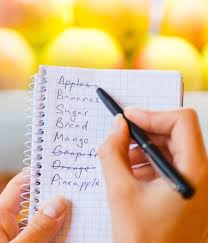
Start by looking at your meal plan. Write down every ingredient you need. Then, check your pantry and fridge.
Cross off anything you already have. This prevents double purchases. It’s a key part of smart grocery shopping.
Organize your list by store section. This saves you time in the aisles. Group produce together.
Then dairy. Then meats. Then canned goods.
This way, you don’t have to backtrack. You can move through the store efficiently.
Be specific. Instead of “veggies,” write “broccoli crowns” or “bag of spinach.” This helps you know exactly what to grab. It also helps you stick to your plan.
You won’t grab a random vegetable that doesn’t fit your meals.
Add a few “staple” items to your list each week, even if you don’t have a specific meal for them yet. Things like onions, garlic, canned tomatoes, or rice. These can be used in many dishes.
Having them on hand means you’re always ready to cook.
Finally, review your list before you leave the house. Make sure you haven’t forgotten anything. A quick double-check can save you a return trip.
And extra money spent on gas.
Smart List Tips
Step 1: Base list on your meal plan.
Step 2: Check pantry/fridge and cross off items.
Step 3: Group items by store aisle (produce, dairy, etc.).
Step 4: Be specific with quantities and items.
Step 5: Add a few versatile staples.
Step 6: Review list before leaving home.
Is it Normal to Spend a Lot on Groceries?
Yes, it is normal for grocery bills to add up. Especially with rising food prices. The average American household spends a significant amount on food each month.
This varies based on location, household size, and eating habits.
However, what’s normal doesn’t always mean optimal. You can spend a lot and still not eat well. Or you can spend less and eat better.
The key is smart choices. It’s about value and nutrition.
If your grocery bill feels too high, it’s a good sign to re-evaluate. Are you buying a lot of pre-made meals? Are you wasting food?
Are you buying items you don’t need? These are areas where you can likely cut back.
It’s also normal to spend more on fresh, whole foods. Compared to highly processed items. This is usually a good investment in your health.
But even then, you can be smart about it. Buying in season and on sale helps keep costs down.
Think about the cost of not eating well. Poor diet can lead to health problems. These problems can be expensive to treat.
So, spending wisely on nutritious food can save you money in the long run.
When to Seek More Help
If you’re struggling significantly with grocery shopping and meal planning, it’s okay to look for more support. Sometimes, a little expert guidance can make a big difference.
If you have specific dietary needs or health conditions, talking to a registered dietitian or nutritionist is a great idea. They can help you create a plan tailored to you. They can also teach you about specific foods and nutrients.
Many community centers or Extension offices offer cooking classes or nutrition workshops. These are often affordable. They can provide hands-on learning.
You can also find great resources online from trusted U.S. institutions like the USDA. They offer guides on healthy eating and budgeting.
If you feel overwhelmed by the sheer volume of information, start small. Focus on one area. Maybe just planning dinners for three nights.
Or trying one new healthy recipe a week. Small wins build confidence.
Remember, the goal is to make healthy eating sustainable. If it feels like a constant battle, it’s time to reassess your strategy. And perhaps, seek a little help.
It’s a sign of strength, not weakness.
Frequently Asked Questions
What is the most important part of smart grocery shopping?
The most important part is having a plan. This usually means creating a meal plan and then a grocery list based on that plan. This helps you buy only what you need and avoid impulse buys.
How often should I plan my meals?
Many people find planning meals for a week at a time works well. You can also plan for just 3-4 days if a whole week feels like too much. The key is consistency, whatever schedule works best for you.
What are the cheapest healthy foods?
Some of the cheapest healthy foods include beans, lentils, eggs, rice, oats, and in-season produce like potatoes and carrots. Frozen fruits and vegetables are also very budget-friendly.
How can I reduce food waste?
Reducing food waste involves careful meal planning, proper food storage, using leftovers creatively, and only buying what you know you will use. Regularly checking your fridge and pantry also helps.
Is it okay to buy pre-cut vegetables?
Yes, it can be okay, especially if they help you eat more vegetables. Pre-cut vegetables are often more expensive, but if they mean you’ll actually use them and avoid waste, they can be a worthwhile convenience.
What if I don’t like cooking?
That’s perfectly fine! Focus on very simple meals. Think assembly-style meals like salads or sandwiches, or one-pot dishes that require minimal steps.
You can also explore healthy convenience options.
Final Thoughts on Your Food Journey
Connecting smart grocery shopping with thoughtful meal planning is a journey. It’s not about perfection. It’s about making small, consistent changes.
These changes lead to healthier eating. They also lead to a less stressful kitchen. You’ve got this!




Leave a Reply