
Understanding key terms in smart grocery shopping and a food mea glossary helps you make better choices. This guide simplifies labels and offers tips for saving money and eating healthier. It aims to empower you with knowledge for confident shopping.
Why Smart Grocery Shopping Matters
Smart grocery shopping is more than just buying food. It’s about planning. It’s about making your money go further.
It’s also about choosing foods that are good for you. Many people struggle with this. They might buy too much.
They might buy things they don’t need. Or they might not know what they are buying.
When you shop smart, you help your wallet. You also help your health. You can avoid food waste.
This saves money too. Learning common food terms is a big part of this. It helps you understand what’s in your food.
This knowledge lets you pick the best options. It helps you avoid hidden sugars or unhealthy fats. We’re going to break it all down simply.
Understanding Key Grocery Shopping Terms
Let’s start with some common words you see when you shop. These words help you find deals. They also help you pick better products.
Knowing them means you won’t get tricked by fancy labels. It’s like having a secret code for the grocery store.
Unit Price
This is super important for saving money. The unit price tells you how much you pay for a certain amount of something. For example, it might be the price per ounce or per pound.
Stores usually show this on the shelf tag. It helps you compare different sizes of the same product. A bigger box might seem cheaper.
But the unit price can show you that a smaller one is a better deal.
Always look at the unit price when comparing. Don’t just look at the big number on the front of the package. A small bottle of olive oil might cost $5.
A larger one might cost $8. If you only look at the big numbers, the $5 bottle seems better. But if the unit price shows the large bottle is cheaper per ounce, you save money by buying it.
Best By / Use By Dates
These dates can be confusing. They tell you about the food’s quality. They don’t always mean the food is unsafe after that date.
Date Label Meanings
Best By: This is about peak quality. The food should taste best before this date. It’s still safe to eat after, but the flavor or texture might change.
Think of it as a suggestion for freshness.
Use By: This is more about safety. For certain perishable foods, this date is important. It’s best to eat or freeze the food by this date.
After this date, the food might not be safe to eat.
Many people throw away food because of these dates. But often, the food is still perfectly good. Use your senses – look, smell, and taste.
If it seems okay, it probably is.
Coupons and Discounts
These are direct ways to save money. Coupons give you money off a specific item. Discounts might be a percentage off your total bill.
Or they could be a special price on certain products.
Smart shoppers use coupons wisely. Don’t buy something just because you have a coupon. Make sure it’s something you actually need or want.
Check for digital coupons too. Many store apps have them. This saves you paper and makes it easy to track your savings.
Store Brands vs. Name Brands
You’ll see products from big companies. You’ll also see products made by the store itself. Store brands are often much cheaper.
Are they as good? Many times, yes! Stores work hard to make their own brands good quality.
Try a store brand for something you usually buy. You might be surprised. If you don’t like it, you can always switch back.
But you could save a lot of money over time. Think about things like sugar, flour, canned goods, or cleaning supplies. These are often safe bets for store brands.
The bigger savings can happen when you mix and match. Buy some name brands you love. Buy some store brands for staples.
This balance can stretch your grocery budget. It doesn’t mean you have to sacrifice quality entirely.
Sales and Flyers
Grocery stores have weekly sales. They advertise these in flyers. You can often find these online or in your mailbox.
Planning your shopping around sales can save you a lot. It’s a key part of smart grocery shopping.
Look through the flyer before you go. Make a list of what’s on sale that you need. You can even plan meals around sale items.
If chicken is on sale, plan a few chicken dinners. If berries are on sale, stock up for smoothies.
This takes a little effort. But the savings add up quickly. It prevents impulse buys too.
You go in knowing what you need. This keeps you focused and saves money.
Navigating the Food Glossary (MEA)
Now, let’s look at the words on food labels. These tell you what’s inside. Understanding them helps you make healthier choices.
This is a big part of smart grocery shopping.
Ingredients List
This list shows you everything in the food. The ingredients are listed in order. The ingredient used the most is first.
The ingredient used the least is last. This is a very powerful tool.
Look for whole foods at the top of the list. These are good signs. If sugar or unhealthy oils are the first few things, you might want to skip it.
It’s a simple way to see what’s really in your food. It cuts through marketing claims.
Nutritional Information Panel
This is usually a box on the back of the package. It gives you details about the food. It includes serving size, calories, and amounts of different nutrients.
Key Nutrition Facts to Watch
Serving Size: This is important. The numbers on the panel are for this amount. If you eat more than one serving, you eat more of everything listed.
Calories: Total energy from the food. Useful for managing weight.
Total Fat: Includes saturated and trans fats. Aim for lower amounts of these.
Sodium: Salt content. Too much can be bad for your heart.
Total Carbohydrate: Includes sugars and fiber. Look for fiber. Limit added sugars.
Protein: Good for building muscles and feeling full.
Vitamins and Minerals: Essential for health.
Always check the serving size first. A package might look healthy. But if it has 5 servings, and you eat the whole thing, the numbers are multiplied by five.
This is a common mistake. It changes the whole picture of what you are consuming.
Added Sugars
This is a big one for health. Natural sugars are found in fruits and milk. Added sugars are sugars put into food during making.
They don’t add much nutrition. They can lead to weight gain and other health issues.
Look for “Added Sugars” on the nutrition label. Try to keep this number low. Be aware that sugar has many names.
It can be called corn syrup, dextrose, sucrose, maltose, and more. The ingredient list is key here.
Fiber
Fiber is a type of carbohydrate. Your body can’t digest it. But it’s very good for you.
It helps you feel full. It keeps your digestion working well. It can help lower cholesterol.
Look for foods with high fiber content. Whole grains, fruits, vegetables, and beans are great sources. Aim for at least 25-30 grams of fiber per day.
This is a goal for healthy eating. Many processed foods have little to no fiber.
Sodium
Sodium is another word for salt. A little salt is okay. But too much can raise your blood pressure.
This increases your risk of heart problems and strokes. Many processed foods are packed with sodium.
Check the sodium content on labels. Especially in canned soups, frozen meals, and processed meats. Look for “low sodium” or “reduced sodium” options.
Rinsing canned beans or vegetables can also lower their sodium content.
Whole Grains
Grains come in different forms. Whole grains include all parts of the grain kernel. This means they have more fiber and nutrients.
Refined grains have had parts removed. This takes away fiber and nutrients.
Look for the word “whole” at the start of the ingredient. For example, “whole wheat flour” is good. “Enriched wheat flour” is not a whole grain.
Check bread, pasta, and cereal labels carefully. Choosing whole grains is a simple step for better health.
Fat Types (Saturated, Unsaturated, Trans Fat)
Fat is necessary for your body. But the type of fat matters.
Understanding Fats
Saturated Fat: Found in animal products like red meat and butter. Also in some plant oils like coconut and palm oil. Eating too much can raise bad cholesterol (LDL).
Unsaturated Fat: Found in plant oils, nuts, seeds, and fish. These are “good” fats. They can help improve cholesterol levels.
Includes monounsaturated and polyunsaturated fats.
Trans Fat: Often found in processed foods like baked goods and fried snacks. These are the worst kind of fat. They raise bad cholesterol and lower good cholesterol (HDL).
Many countries and places are banning them.
When you shop, try to pick foods lower in saturated and trans fats. Focus on getting fats from healthy sources like avocados, nuts, seeds, and olive oil. These are great for your heart.
Natural vs. Artificial Flavors
This can be tricky. “Natural flavors” can mean many things. They come from plants or animals.
But they can be processed a lot. “Artificial flavors” are made in a lab.
Some people prefer to avoid artificial flavors. Others don’t mind. For the most part, they are safe in the amounts used.
But if you want the most “real” food, look for products with no added flavors. Or just whole ingredients that taste good on their own.
Smart Shopping Habits in Action
Let’s talk about how to put this into practice. It’s about building good habits. These make shopping easier and save you money.
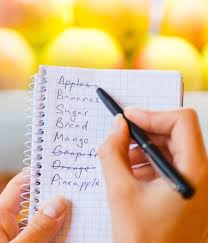
Make a List and Stick to It
This is rule number one for smart grocery shopping. Before you even leave the house, write down what you need. Look in your fridge and pantry.
See what you’re running low on. Check your meal plan for the week.
When you’re at the store, only buy what’s on your list. This stops you from buying things you don’t need. It helps you avoid impulse purchases.
Impulse buys are where a lot of extra money goes. Having a list keeps you focused. It makes your trip faster too.
Don’t Shop When You’re Hungry
This is a mistake many people make. When you’re hungry, everything looks good. You’re more likely to buy unhealthy snacks.
You might buy more food than you need.
Eat a snack or a meal before you go shopping. This way, your hunger won’t cloud your judgment. You’ll be able to think more clearly.
You’ll stick to your list better. You’ll make smarter choices. It seems simple, but it works wonders.
Compare Prices Using Unit Pricing
We talked about this earlier. It’s so important. Always compare the unit price.
This is the price per ounce, pound, or other measure. Stores usually print this on the shelf label.
For example, you might see two sizes of cereal. One box is $3.00 and the other is $4.50. The smaller box might seem like a better deal.
But if the unit price for the larger box is lower, you save more money by buying the bigger one. This is true for almost everything in the store.
Don’t assume bigger is always cheaper. Or smaller is always more expensive. Always check that tiny number.
It’s your best friend for saving money.
Shop the Perimeter of the Store
Grocery stores are usually set up the same way. The fresh foods are often around the outside edges. This includes produce, dairy, meat, and baked goods.
The inner aisles often have more processed foods. These can be more expensive and less healthy. By shopping the perimeter, you tend to pick more whole, fresh foods.
It’s a simple layout trick that can guide you to better choices. Plus, fresh foods often have fewer ingredients to worry about.
Buy In-Season Produce
Fruits and vegetables taste best and are cheapest when they are in season. This means they are grown locally or are readily available. Buying in season can save you money and give you better flavor.
For example, berries are usually cheaper and tastier in the summer. Root vegetables are often more affordable in the fall and winter. Knowing what’s in season where you live is helpful.
Farmers’ markets are great places to find this information. They also offer a chance to talk to the farmers directly.
Utilize Loyalty Programs and Apps
Many grocery stores have loyalty programs. You sign up, and you get discounts. You might also earn points for rewards.
Store apps are also very useful. They often have digital coupons. They might show you weekly ads too.
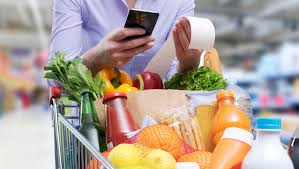
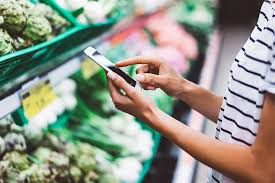
Make sure to sign up for your favorite stores. Check their apps regularly. Some apps even let you scan items as you shop.
This helps you keep track of your spending. It’s a modern way to make smart shopping even smarter.
These programs are designed to reward you for shopping there. It’s like getting a little thank you from the store for being a regular customer. The savings might seem small at first.
But they add up over time. It’s a small step with big rewards.
Cook More at Home
Eating out is often more expensive than cooking at home. Even buying pre-made meals from the store can cost more. When you cook at home, you control the ingredients.
You control the portion sizes. You save money.
Start with simple recipes. Don’t feel like you need to be a gourmet chef. Even basic meals can be healthy and delicious.
Planning meals helps you use up what you buy. This reduces food waste too. It’s a win-win for your health and your budget.
Think about packed lunches for work or school. Making your own coffee instead of buying it. These small changes make a big difference.
They put money back in your pocket. They also give you a better idea of what you’re eating.
Personal Experience: The Bulk Bin Revelation
I remember when I first started paying close attention to my grocery bill. I was a young adult, just starting out. My budget was tight.
I’d always bought pre-packaged items. Cereals, pasta, rice, nuts – all in boxes or bags. I thought it was the easiest way.
Then, I walked into a store that had a big bulk section. I saw bins of rice, beans, oats, nuts, and dried fruit. You scoop what you need into a bag and weigh it.
I noticed the prices. They were significantly lower than the packaged versions. I felt a bit silly.
Why was I paying more for something already in a bag?
That day, I decided to try it. I bought a pound of brown rice. The price was almost half of what I usually paid.
I bought some almonds too. Same story. I went home and cooked the rice.
It tasted exactly the same as the packaged stuff. From that day on, I switched as much as I could to the bulk bins. It was a small change, but it made a huge difference in my weekly grocery bill.
It also made me think more about reducing packaging waste. It was a true revelation for my wallet and my understanding of smart shopping.
When to Worry About Food Labels
While most food labels are helpful, sometimes they can be misleading. Or a product might just be unhealthy. Here’s when to be extra careful.
Excessive Sugar or Sodium
If a product has sugar or sodium as one of the first few ingredients, take note. If the nutrition panel shows very high amounts per serving, it’s probably not the best choice. Especially if you have health conditions like diabetes or high blood pressure.
This is common in sauces, dressings, cereals, and snacks. Be a label detective. Look for options with lower numbers.
Or consider making your own versions. It’s about being aware of what you’re consuming regularly.
Unclear Ingredient Lists
If an ingredient list is full of long, unpronounceable words, it might be a sign of a highly processed food. While some scientific names are necessary, a list that looks like a chemistry experiment can be a red flag.
If you can’t tell what something is, it’s often best to find a simpler alternative. Foods with fewer ingredients are usually less processed. They are more natural.
This is a good rule of thumb for healthy eating.
“Health Halo” Claims
Some products use words like “healthy,” “natural,” or “light” to make you think they are good for you. But these words don’t always mean much. A “light” soda might have artificial sweeteners.
“Natural” flavors can be highly processed.
Don’t let these marketing terms fool you. Always check the actual nutrition panel and ingredient list. Look at the numbers, not just the claims.
The facts on the label tell the real story. It’s about looking beyond the marketing. It’s about seeing the truth in the details.
Quick Tips for Smarter Shopping
Here’s a quick rundown of how to be a smart shopper:
Top Smart Shopping Tips
- Plan Meals: Know what you’ll eat to buy only what you need.
- Make a List: Write down everything you need and stick to it.
- Check Unit Prices: Compare costs per ounce or pound to find the best deals.
- Shop Sales: Build your meals around what’s on special.
- Buy In-Season: Fresher produce is often cheaper when it’s in season.
- Use Coupons Wisely: Only use them for items you actually need.
- Try Store Brands: They are often just as good and cost less.
- Read Labels: Understand ingredients and nutrition facts.
- Avoid Shopping Hungry: This stops impulse buys of unhealthy foods.
- Cook More at Home: It’s cheaper and healthier than eating out.
These tips are simple. But they work. They help you save money.
They help you eat better. They make grocery shopping less of a chore and more of a smart task.
Frequently Asked Questions About Grocery Shopping Terms
Here are some common questions people have:
What is the most important part of a nutrition label?
The most important part is the serving size. All the other numbers (calories, fat, sugar, etc.) are based on this amount. Always check the serving size first.
Is it safe to eat food after the “Best By” date?
Usually, yes. The “Best By” date is about peak quality. The food is often still safe to eat for some time after.
Use your senses to check for spoilage. “Use By” dates are more about safety, especially for highly perishable items.
Why are store brands cheaper than name brands?
Stores can control the costs more. They don’t have the same advertising budgets. They also might have more efficient production.
Often, the quality is very similar.
What’s the difference between “natural” and “organic” on food labels?
“Natural” can mean many things and isn’t well-regulated. “Organic” means the food was grown or produced without synthetic pesticides, fertilizers, or GMOs, and with specific animal welfare standards. Organic is a much stricter standard.
How can I reduce food waste?
Plan meals, store food properly, and use leftovers. Understand “Best By” dates and use your senses. Buying only what you need from bulk bins also helps.
Small steps can make a big difference in reducing waste.
Are all fats bad for you?
No. Unsaturated fats (found in avocados, nuts, olive oil, fish) are good for you. Saturated fats should be eaten in moderation.
Trans fats are the ones to avoid as much as possible.
Conclusion: Your Path to Smarter Shopping
Shopping for groceries doesn’t have to be overwhelming. By understanding key terms and using smart habits, you can save money and eat better. Knowledge truly is power at the grocery store.
Empower yourself with these tips. You’ll be a savvy shopper in no time!


Leave a Reply