
Smart grocery shopping involves planning meals, making a list, and buying what you need. It helps you save money, reduce food waste, and eat healthier. For beginners, it means starting simple and building good habits over time.
What Smart Grocery Shopping Looks Like
Smart grocery shopping isn’t about complicated diets or spending hours in the store. It’s really about being thoughtful. It means you buy food that you will actually use.
You also try to get the best value for your money. And importantly, you aim to waste less food. This saves your wallet and helps the planet.
Think of it like this: every item you buy is an investment. You invest money. You invest time in going to the store.
Smart shopping makes sure these investments pay off. You get good food. You make tasty meals.
You feel good about what you’re doing.
For beginners, this might sound like a lot. But we’ll take it step by step. We’ll cover the basics.
We’ll show you how to build these skills. Soon, you’ll feel more confident and in control of your kitchen.
My Own Grocery Store Stumbles
I remember my first apartment kitchen. It was small. My budget was even smaller.
I’d go to the grocery store with no plan. I’d just grab whatever looked good. Bananas?
Sure. A fancy cheese? Why not!
Then I’d get home. The bananas would get too ripe. The cheese would sit in the fridge, forgotten.
I’d end up throwing away so much food. It was frustrating. I felt like I was wasting money and effort.
One evening, I stared into a nearly empty fridge, except for that sad, half-eaten block of cheese. I felt a pang of guilt and a wave of annoyance. This wasn’t working.
That’s when I realized I needed a better way. I started looking into simple tips. Things like making a list.
Planning a few meals. Learning to store food right. It took time.
It wasn’t magic. But slowly, I saw a difference. My grocery bills went down.
I had more food to eat. And I wasn’t tossing out as much.
Smart Shopping: The Core Ideas
Plan First: Decide what you’ll eat before you go.
Make a List: Stick to what you need.
Buy Smart: Look for deals and what’s in season.
Store Well: Keep food fresh longer.
Use It Up: Cook or use leftovers creatively.
The Power of Meal Planning
Meal planning is the heart of smart grocery shopping. It’s like having a map before you start a journey. Without a map, you might wander aimlessly.
With a map, you know where you’re going.
What does meal planning involve? It’s simply deciding what meals you will eat for a set period. This could be for a few days, a week, or even longer.
You don’t need to plan every single bite. Just thinking about dinners is a great start. Maybe you plan for lunches too.
Or breakfasts if you tend to skip them or grab something unhealthy.
Why is this so helpful? When you plan your meals, you know exactly what ingredients you need. This stops those impulse buys.
You won’t grab a jar of olives just because they’re there if olives aren’t part of any meal you’ve planned. You also get to think about what’s on sale. You can build meals around those items.
For beginners, start small. Plan for three dinners this week. Then, check your pantry and fridge.
What do you already have that can go with those meals? This is called a “pantry check.” It’s a big money saver. It also helps you use what you’ve bought.
Let’s say you plan to make chicken stir-fry. You check your pantry. You find some rice.
You have some soy sauce. Great! Now you only need to buy chicken and vegetables for the stir-fry.
You didn’t buy ten other things you didn’t need.
Your First Meal Plan (Simple Start)
Goal: Plan 3 Dinners
Step 1: Pick 3 dinners you like.
* Tacos
* Pasta with sauce
* Sheet pan chicken and veggies
Step 2: Check what you have at home.
Step 3: Write down only what you need to buy.
Creating Your Grocery List
Once you have your meal plan, making a grocery list is easy. And this is where the magic happens. A list keeps you focused.
It prevents you from wandering down aisles and grabbing things you don’t need.
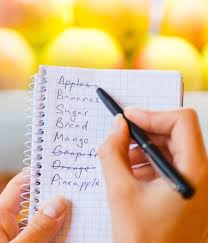
How do you build a good list? First, go through your meal plan. For each meal, write down the ingredients you need.
But before you add something, check your kitchen. Do you already have it? If you have half a bag of carrots, you might only need to buy a few more.
Organize your list. Most people find it helpful to group items by store section. This saves time when you’re shopping.
You can group by:
- Produce (fruits, vegetables)
- Dairy (milk, cheese, yogurt)
- Meat and Poultry
- Pantry Staples (rice, pasta, cans)
- Frozen Foods
- Bakery
This way, you can go down one aisle for your veggies, then head to the dairy section. You don’t have to backtrack. This makes your shopping trip faster and less likely to lead to impulse buys.
What about staples? Think about things you use often. Things like eggs, milk, bread, butter, onions, and potatoes.
Make sure these are on your list if you’re running low. Don’t forget things like oil, salt, pepper, and spices. These are often overlooked but vital for cooking.
When you’re a beginner, your list might be shorter. That’s okay! The goal is to buy what you need for your planned meals.
You can build up your pantry over time.
It’s also a good idea to add a small buffer for snacks or a simple breakfast item. This prevents you from having to make another trip if you get hungry between meals or want something easy to start your day. Just keep these in moderation.
List Power-Up Tips
Check Your Stock First: Always look in your fridge and pantry.
Organize by Store Section: Saves time and reduces impulse buys.
Be Specific: Instead of “veggies,” write “2 bell peppers, 1 lb broccoli.”
Don’t Forget Staples: Milk, eggs, bread, oil, salt.
Stick to It!: This is your guide.
Shopping Strategies for Beginners
Going to the grocery store can feel like a mission. But with a few smart strategies, you can make it easier and more effective.
Shop when you’re not hungry. This is a classic. When you’re hungry, everything looks good. You’re more likely to buy snacks or treats you don’t need.
Eat a snack or have a meal before you go.
Look for sales and coupons. Many stores have weekly flyers or apps that list their sales. If an item you use regularly is on sale, it’s a good time to stock up. Coupons can also help, but only use them for things you actually need.
Don’t buy something just because you have a coupon.
Buy in season. Fruits and vegetables are often cheaper and taste better when they are in season. For example, berries are usually less expensive in the summer. Root vegetables are often cheaper in the fall and winter.
Farmers’ markets are great places to find in-season produce.
Consider store brands. For many items, store brands are just as good as name brands but cost less. Try them out for things like canned goods, pasta, or cereal. You might be surprised by the quality.
Don’t buy pre-cut or pre-packaged unless necessary. A whole head of lettuce is usually cheaper than a bag of pre-shredded lettuce. Whole carrots are cheaper than baby carrots. Peeling and chopping yourself saves money.
However, if your time is extremely limited and you know you’ll use it, sometimes it’s a worthwhile trade-off.
Check unit prices. Unit price tells you the cost per ounce, pound, or unit. This is usually listed on the shelf tag. A larger package might look more expensive, but the unit price could be lower, meaning you save money per amount of product.
Stick to the perimeter. Most of the fresh, whole foods are located around the outside edges of the grocery store. This includes produce, dairy, meat, and bakery. The inner aisles often contain more processed foods, which can be more expensive and less healthy.
Of course, you’ll need to go into the aisles for pantry staples, but try to keep your trip focused.
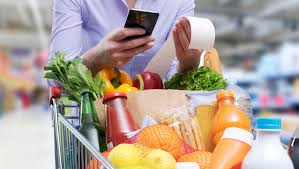
Use a calculator on your phone. If you’re trying to stick to a strict budget, keep a running total of your items as you scan them. This helps you avoid overspending.
Smart Shopping Habits Quick List
- Never shop hungry.
- Use sales and coupons wisely.
- Buy produce when it’s in season.
- Try store-brand products.
- Compare unit prices.
- Focus on the store’s perimeter.
Understanding Food Storage
You’ve planned, shopped smart, and brought your groceries home. Now, how do you make them last? Proper food storage is key to reducing waste and saving money.
It’s a big part of smart grocery shopping.
Refrigeration is your friend. Most perishable items need to be kept cold. This includes meat, dairy, eggs, and many fruits and vegetables. Make sure your refrigerator is set to the right temperature, usually around 40°F (4°C) or below.
The freezer should be at 0°F (-18°C).
Know where to store what. Not everything goes in the fridge! Potatoes, onions, garlic, and winter squash prefer cool, dark, dry places. Bananas are best kept at room temperature.
Tomatoes also taste better at room temperature, but can be refrigerated to slow ripening if they are very ripe.
Use airtight containers. Store leftovers and opened packages in airtight containers. This keeps food fresh longer, prevents it from drying out, and stops odors from spreading in the fridge. Glass or good-quality plastic containers are ideal.
Understand produce storage. Some fruits and vegetables produce ethylene gas, which can speed up ripening in other produce. Store apples, bananas, avocados, and tomatoes separately from leafy greens, broccoli, and carrots. There are many charts online that show which produce items should be stored together or apart.
Wrap herbs properly. To keep fresh herbs vibrant, you can store them like a bouquet of flowers. Trim the stems, place them in a jar with an inch of water, and cover the leaves loosely with a plastic bag. Store in the refrigerator.
Freeze for later. If you know you won’t use something before it spoils, freeze it! Bread, fruits (for smoothies), vegetables (blanch first for best quality), and even some dairy products like cheese can be frozen. Make sure to package them well to prevent freezer burn.
First-In, First-Out (FIFO). This is a simple but effective rule. When you put new groceries away, move older items to the front. This way, you’re more likely to use the older items first, reducing the chance they’ll go bad.
A little knowledge about storage can save a lot of food. And saving food means saving money. It also means you’re getting the most out of every item you buy.
Food Storage Basics
Fridge Temp: 40°F (4°C) or below.
Freezer Temp: 0°F (-18°C).
Room Temp for: Onions, potatoes, garlic, tomatoes (if not ripe).
Ethylene Gas Warning: Store apples/bananas away from greens.
Freeze extras: Bread, berries, veggies.
FIFO Rule: Oldest food goes in front.
Using What You Buy: Avoiding Waste
This is the final, crucial step. You’ve bought the food, stored it right, and now it’s time to eat it! Smart grocery shopping isn’t just about the store; it’s about what happens in your kitchen.
Embrace leftovers. Don’t see leftovers as a burden. See them as a free meal! Plan for them.
If you make a big batch of roasted chicken, you can have it as is the next day, then shred it for tacos or put it in a soup.
Get creative with odds and ends. Have a few lonely vegetables in the crisper drawer? Chop them up and throw them into an omelet, a frittata, or a stir-fry. A small amount of cooked rice can become fried rice.
Leftover cooked pasta can be added to soup.
Make a “Use It Up” meal. Once a week, try to make a meal out of whatever is about to go bad. This might be a “fridge clean-out” soup, a big salad, or a “mystery casserole.” It’s a fun challenge!
Learn preservation techniques. For beginners, this might mean freezing. But as you get more comfortable, you could explore making simple pickles from extra cucumbers or jams from sale fruits.
Understand “best by” vs. “use by” dates. “Best by” dates are about quality, not safety. Food is often still safe to eat after this date.
“Use by” dates are more about safety, especially for meats and dairy. Use your senses: look, smell, and taste (if safe) to decide if food is still good.
Compost food scraps. If you do have unavoidable scraps, consider composting. This turns food waste into valuable fertilizer for plants. Many cities offer composting programs.
Minimizing food waste is a win-win. It saves you money and is better for the environment. It feels good to know you’re using your food resources wisely.
Waste Not, Want Not: Quick Tips
Leftovers are Gold: Plan to eat them.
“Fridge Clean-Out” Meals: Use up odds and ends.
Freeze Before It Spoils: Extend food life.
Trust Your Senses: “Best by” isn’t always an expiry date.
Compost Scraps: Turn waste into good.
Real-World Scenarios for Smart Shopping
Let’s look at how smart grocery shopping plays out in different situations. These examples show how the principles we’ve discussed can be applied.
Scenario 1: The Busy Weekday Evening.
You get home late from work. You’re tired and hungry. If you haven’t planned, you might order takeout.
But if you planned for “Sheet pan chicken and veggies” and already have the ingredients prepped (or know they are easy to grab), you can have a healthy meal ready in about 30 minutes. The ingredients were bought with intention, not in a rush.
Scenario 2: Cooking for One.
Cooking for yourself can be tricky. You don’t want to buy large packages of meat or produce that will go bad. Smart shopping here means buying smaller portions, or buying items you can freeze.
For example, buy a pack of chicken breasts and freeze half. Buy a head of broccoli and plan to use it in two meals, or freeze some florets. You can also look for single-serving options or items that are easy to divide.
Scenario 3: Budgeting for a Family.
For families, budgets are often tighter. Smart shopping is essential. This means focusing on cheaper staples like rice, beans, and pasta.
Buying produce in season and in larger, more economical quantities (if you can store and use it). Planning meals around less expensive protein sources like chicken thighs or ground turkey. Shopping sales and using coupons becomes even more important.
Scenario 4: Trying New Recipes.
Excited to try a new dish? Smart shopping means carefully checking the recipe for ingredients you don’t normally buy. Can you find a smaller quantity?
Can you substitute something you already have? If you have to buy a specialty item, can you plan another meal that uses it so it doesn’t go to waste? This prevents your pantry from becoming a graveyard of single-use ingredients.
These examples show that smart grocery shopping is adaptable. It fits your life, your budget, and your needs. It’s not a rigid set of rules, but a flexible approach.
Smart Shopping in Action:
Busy Bee: Plan quick meals. Have easy ingredients ready.
Solo Cook: Buy smaller portions. Freeze extras. Use versatile items.
Family Budget: Focus on staples. Shop sales. Use cheaper proteins.
Recipe Explorer: Buy only what’s needed. Plan to use new items.
When to Be Concerned About Your Habits
Most of the time, smart grocery shopping is about positive habits. But there are times when your shopping or eating patterns might signal a need for a closer look. These aren’t about being “bad,” just noticing things.
You rarely have fresh food. If your fridge is mostly filled with condiments and expired items, and you’re always buying takeout, it’s a sign that your shopping isn’t leading to good meals. You might be buying things you don’t know how to use, or you’re not planning meals that include fresh ingredients.
Your grocery bill is always high, and you feel you have nothing to eat. This is a common frustration. It often means you’re buying expensive convenience foods, or a lot of items you don’t actually consume before they go bad. It’s a sign that planning and list-making could really help.
You frequently throw away large amounts of food. If you consistently find yourself tossing out half-empty containers or spoiled produce, your buying habits aren’t matching your consumption. This could be buying too much, not storing it correctly, or not having a plan to use it.
You feel stressed or overwhelmed by grocery shopping. If the thought of going to the store fills you with dread, or you feel lost and unsure what to buy, it’s a sign that the process isn’t working for you. This is a perfect opportunity to implement simple planning steps to regain control.
You rely heavily on convenience foods or fast food. While occasional treats are fine, if your diet is almost entirely made up of pre-made meals or restaurant food, you might be missing out on nutrition and spending a lot more money. Smart shopping aims to make home cooking accessible and easy.
These points aren’t about judgment. They are about recognizing patterns. If any of these sound familiar, it’s a gentle nudge to try some of the planning and list-making strategies we’ve discussed.
Small changes can make a big difference.
Red Flags to Notice:
- Fridge full of old food, not fresh.
- High grocery bills, but no food at home.
- Lots of food thrown away often.
- Shopping feels stressful or confusing.
- Almost all meals are from convenience or takeout.
Simple Fixes to Get Started
Ready to make some changes? Here are a few easy ways to start practicing smart grocery shopping today. You don’t need to do everything at once.
Pick one or two that feel manageable.
1. Plan Just One Meal: Don’t try to plan a whole week. Pick one dinner for tomorrow.
Write down the ingredients you need. Check your pantry. Make a list for just those items.
Go to the store and buy only those things. Cook that one meal.
2. Tidy Your Fridge: Before you go shopping, open your fridge and pantry. See what you have.
Write down what needs to be used up soon. This can help you decide what to cook for your “one meal” or inspire your next shopping trip.
3. Make a Basic List: Even if you aren’t planning meals, try to make a list of essentials. Things you know you’ll need for the week.
Like milk, eggs, bread, or fruit. Write them down before you leave the house.
4. Shop Once: Try to do all your grocery shopping in one trip for the week. This avoids multiple trips where you might buy extra things.
It saves time and gas.
5. Try a New Vegetable: Pick one new vegetable or fruit each time you go shopping. Look up one simple recipe online for it.
This helps you expand your diet and get comfortable with new foods.
6. Use a Reusable Bag: This is simple but effective. Keeping reusable bags by the door reminds you to use them.
It’s a small step toward waste reduction and a good habit.
These are small steps, but they build momentum. Each successful shopping trip and meal makes the next one easier. The key is consistency, not perfection.
Your First Steps to Smarter Shopping:
Action: Plan one meal.
Action: Check your pantry before shopping.
Action: Write a basic shopping list.
Action: Try to shop only once a week.
Action: Buy one new item to try.
Action: Use reusable shopping bags.
Frequently Asked Questions About Smart Grocery Shopping
What is the easiest way to start meal planning?
The easiest way is to plan just 2-3 dinners for the upcoming week. Don’t worry about breakfasts or lunches at first. Write down these meals, check your pantry, and make a list for only the ingredients you need for those specific meals.
This keeps it simple and manageable.
How can I avoid buying things I don’t need?
The best way is to always make a detailed grocery list based on your meal plan. Before you go to the store, eat something so you aren’t shopping hungry. Once you are in the store, stick to your list as much as possible.
If you see something not on your list, pause and ask yourself if you really need it or have a plan for it.
Is it cheaper to buy in bulk?
Often, yes, buying in bulk can be cheaper per unit. However, this is only true if you will actually use the entire bulk quantity before it spoils or goes bad. For beginners, it’s safer to buy smaller quantities of items you use frequently until you are confident you can use up bulk items.
Always check the unit price to compare.
How do I store fruits and vegetables so they don’t spoil quickly?
Proper storage is key! Some items like onions, potatoes, and garlic need a cool, dark, dry place. Others, like berries and leafy greens, do best in the refrigerator, but often need to be kept separate from fruits that produce ethylene gas (like apples and bananas) which speeds up ripening.
Many online charts show how to best store different types of produce.
What if I buy too much food and it starts to go bad?
Don’t worry, it happens to everyone! If food is still good but you won’t use it, try to freeze it for later use. For example, berries can be frozen for smoothies, and leftover cooked vegetables can be added to soups or stir-fries.
You can also plan a “use-it-up” meal where you combine whatever odds and ends you have.
Do I need to coupon to shop smart?
No, couponing is not required for smart grocery shopping, though it can help save money. The most important parts of smart shopping are planning meals, making a list, and buying what you need. Focusing on buying in-season produce and comparing prices are also effective ways to save money without using coupons.
Final Thoughts on Your Smart Shopping Journey
Embarking on smart grocery shopping is a journey, not a race. It’s about building small, manageable habits. You’ll save money, reduce waste, and eat better.
Remember, perfection isn’t the goal. Progress is. Be kind to yourself.
Celebrate small wins. Soon, grocery shopping will feel much less like a chore and more like a tool for a healthier, happier kitchen.


Leave a Reply