

Smart grocery shopping involves planning meals, making a list, checking your pantry first, and sticking to your budget. It’s about buying what you need, when you need it, to reduce waste and save money. Avoiding impulse buys is key.
Why Smart Grocery Shopping Matters
Grocery shopping is a big part of our lives. We do it almost every week. When we shop smart, good things happen.
We save money. We waste less food. Our meals at home get better.
We feel more in control of our kitchens. On the flip side, when shopping isn’t so smart, it can cause stress. It wastes money.
It leads to forgotten food in the fridge. We’ve all been there. This guide will help you avoid those common pitfalls.
It will help you shop smarter.
Common Grocery Shopping Failures
Let’s talk about the missteps many of us make. These are the little things that add up. They make our grocery trips less than ideal.
Recognizing these can be the first step to fixing them. It’s like finding a loose thread on a sweater. Once you see it, you can fix it.
One big failure is not having a plan. You just go to the store. You wander the aisles.
You grab what looks good. This is a recipe for overspending. It’s also a recipe for buying things you don’t need.
You might also miss important items.
Another common mistake is impulse buying. That display at the checkout? It’s designed to make you grab something.
That sale sign? It might tempt you to buy more than you need. These unplanned buys add up fast.
They often end up as food waste too.
Forgetting to check what you already have is another big one. You buy more milk. Then you find two other cartons in the fridge.
This happens a lot. It’s a waste of money and space. It can lead to food spoiling before you use it.
Not making a list is also a common issue. Or, making a list and not using it. A list keeps you focused.
It helps you remember everything. Without it, your mind wanders. You might forget essential ingredients for planned meals.
Sticking to a budget is also a challenge for many. Without a clear budget, it’s easy to overspend. Seeing those tempting items can lead you to spend more than you intended.
This can cause financial stress later.
Letting food go to waste is a huge failure too. Buying too much. Not storing food properly.
Forgetting about leftovers. All these lead to wasted food. It’s bad for your wallet and the planet.
My Own Grocery Shopping Snafus
I remember one Saturday morning. The sun was shining. I felt great.
I decided to pop into the grocery store for “just a few things.” I needed bread and eggs. That was it. Fast forward one hour.
I was at the checkout. My cart was overflowing. I had fancy cheese I didn’t need.
I bought three kinds of cookies. I even got a pre-made salad kit. It looked so fresh and easy.
I ended up spending over $100. The worst part? I forgot the bread.
I ate the cookies and cheese all weekend. The eggs went into an omelet. The salad kit never got eaten.
It wilted in the back of the fridge. That day taught me a valuable lesson. Wandering into the store without a solid plan is a risky game.
It felt so frustrating to have spent so much money on things I didn’t even truly want or need. That feeling of regret lingered.
Another time, I was planning a big dinner party. I made a super detailed list. I was so proud of myself.
I went to the store. I got everything. Or so I thought.
I got home. I started prepping. I reached for the basil.
It wasn’t on my list! I had it in my head. I never wrote it down.
The store was miles away. I had to go back. It took extra time.
It added stress to an already busy day. That’s when I learned that a list is only good if it’s complete and you actually use it. It showed me how easy it is for little details to slip through the cracks.
These experiences, though frustrating at the time, made me a much more mindful shopper. They showed me the real cost of unplanned trips and forgotten items.
The Root Causes of Shopping Failures
Let’s dig a bit deeper. Why do these shopping failures happen so often? It’s not just about being disorganized.
There are real reasons behind it.
Store Layout and Marketing: Grocery stores are designed to make you spend more. They put popular items far apart. This makes you walk through more aisles.
They place impulse buys near the checkout. Sales and colorful displays grab your eye. They want you to see things you didn’t plan to buy.
Emotional or Habitual Shopping: Sometimes we shop based on feelings. Had a bad day? Maybe you’ll grab comfort food.
Bored? You might wander the aisles. Or, it’s just a habit.
We go to the store without thinking. We buy the same things without checking if we need them.
Lack of Time and Energy: Life gets busy. We feel tired. Planning meals takes time.
Making a list takes effort. So, we cut corners. We do quick trips.
We grab what’s easy. This often leads to less smart choices.
Poor Planning Skills: Not everyone is a natural planner. Meal planning can seem like a chore. Inventorying your pantry might feel tedious.
Without these skills, planning a trip falls apart. It’s like trying to build something without instructions.
Confusing Sales and Deals: “Buy one, get one free” sounds great. But what if you only need one? Or you won’t use the second one before it spoils?
Sales can trick us into buying more than we planned or needed.
Information Overload: Seeing so many brands and options can be overwhelming. It’s hard to make quick decisions. You might just grab what you recognize.
This isn’t always the best or most cost-effective choice.
Understanding Your Shopping Triggers
Identify Your Weak Spots: What makes you overspend? Is it the candy aisle? The bakery section?
Knowing your triggers helps you avoid them.
Recognize Store Tactics: Stores use psychology. They put dairy and eggs at the back. This makes you walk past more tempting items.
Be aware of these tricks.
Avoid Shopping When Hungry: This is a classic. When you’re hungry, everything looks good. You buy more snacks and less healthy food.
Eat before you go.
Stick to the Perimeter: Most fresh foods are on the outer edges. Packaged and processed foods are in the center aisles. Try to shop the perimeter more.
The Impact of Food Waste
When we shop poorly, food waste happens. This isn’t just about a spoiled head of lettuce. It has bigger effects.
Think about the resources used to grow, transport, and package that food. Water, energy, and labor all go into it. When it’s thrown away, all those resources are wasted too.
For your household, food waste means wasted money. You bought it. You didn’t eat it.
It’s like throwing cash in the trash. For families trying to save money, this is a serious issue. Even small amounts of wasted food add up over time.
Environmentally, food waste is a major problem. Food in landfills breaks down. It releases methane gas.
This is a powerful greenhouse gas. It contributes to climate change. Reducing food waste is something we can all do to help the planet.
So, smart shopping isn’t just about convenience. It’s about being responsible. It’s about making your money go further.
It’s about caring for our world.
Strategies for Smarter Grocery Shopping
Okay, let’s talk solutions. How do we fix these common failures? How do we become smarter shoppers?
It takes practice. But these tips can make a big difference.
Meal Planning: Your Shopping Compass
This is perhaps the most important step. Before you even think about the store, plan your meals. Look at your schedule for the week.
What nights will you be home? What nights will you be busy? What are your family’s favorite meals?
Start simple. Plan dinners first. Then add lunches and breakfasts.
Think about meals that use similar ingredients. This helps reduce waste. For example, if you buy a bunch of carrots, plan two meals that use carrots.
This way, they all get used.
Consider theme nights. Taco Tuesday. Pasta night.
This can make planning easier and more fun. Don’t forget to plan for leftovers too. A big Sunday roast can become sandwiches or a hearty soup on Monday.
It’s also smart to build in a “flex” meal. This is for those nights when plans change. Or when you’re just too tired to cook something elaborate.
Maybe it’s a simple pasta dish or eggs on toast.
The Power of a Grocery List
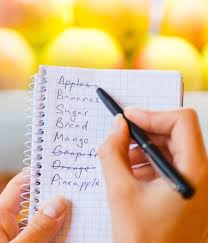
Once you have your meals planned, make your grocery list. This is your shopping map. Group items by section of the store.
This saves you from running back and forth. Put produce together. Dairy together.
Canned goods together.
Be specific. Don’t just write “vegetables.” Write “2 pounds of carrots,” “1 head of broccoli,” “1 bag of spinach.” This prevents buying too much or too little.
Crucially, check your pantry, fridge, and freezer before you make your list. What do you already have? What ingredients do you need for your planned meals?
This step alone can save you a lot of money and prevent duplicates.
Take your list with you to the store. And stick to it! It’s your best defense against impulse buys.
List-Making Checklist
- Plan your meals first.
- Check your pantry, fridge, and freezer.
- Write down all needed ingredients.
- Be specific with quantities.
- Organize by store section.
- Take it with you!
Budgeting: Know Your Numbers
Set a budget for your grocery shopping. How much can you afford to spend each week or month? This number will guide your choices.
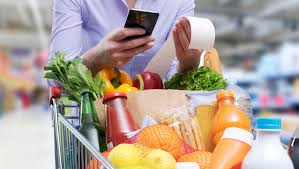
When you’re at the store, keep track of your spending. Many store apps allow you to scan items and see your running total.
Look for sales. But only buy sale items if they are on your list or if you truly need them and they are a good deal. Compare unit prices.
The bigger package isn’t always cheaper per ounce or pound.
Consider store brands. They are often much cheaper than name brands. For many staples, you won’t taste the difference.
Buying in bulk can save money, but only if you will use everything before it expires.
Smart Shopping Habits
Shop Less Often: Try to go to the store only once a week. Fewer trips mean fewer chances for impulse buys. It also saves time and gas.
Don’t Shop When Hungry: We talked about this. It’s worth repeating. A hungry shopper buys more.
Eat a snack before you go.
Use a Basket, Not a Cart, for Small Trips: If you only need a few items, use a basket. This physically limits how much you can buy. It helps you stay focused.
Avoid the Checkout Aisle Temptations: If possible, don’t look at the displays near the checkout. They are designed to make you grab candy or gum.
Be Wary of “Deals”: Think if you really need it. Is it a good deal compared to other stores? Will you use it all?
Quick Tip Table: Avoiding Impulse Buys
| Tactic | Why it Works | How to Do It |
|---|---|---|
| Make a List | Keeps you focused on needs. | Write down everything you need before you leave. |
| Shop with a Full Stomach | Reduces cravings for tempting items. | Eat a meal or snack before going to the store. |
| Set a Budget | Helps control spending. | Decide how much you will spend and track it. |
| Walk the Perimeter | Fresh foods are often on the edges. | Focus on produce, dairy, and meat sections. |
| Bring Your Own Bags | Reminds you to be mindful. | Reusable bags can be a visual cue. |
Understanding Produce and Shelf Life
Fresh produce is wonderful. It’s healthy and tasty. But it can also be a source of waste if not handled right.
Understanding how long different items last is key.
Leafy Greens: Spinach, lettuce, kale. These are best used within a few days. Store them in a plastic bag with a paper towel to absorb moisture.
Wash them just before you use them, not before storing.
Root Vegetables: Carrots, potatoes, onions. These last much longer. Keep potatoes and onions in a cool, dark place.
Carrots can be stored in the fridge. Don’t wash them until you are ready to use them.
Berries: Strawberries, blueberries, raspberries. These are delicate. They spoil quickly.
Consider buying them closer to when you plan to eat them. Or, wash them in a diluted vinegar solution (one part vinegar to three parts water), rinse well, and dry thoroughly. This can extend their life.
Bananas: They ripen fast. Store them on the counter. Once they get very ripe, they are great for banana bread or smoothies.
Don’t store them near other fruits, as they release ethylene gas which speeds up ripening.
Citrus: Lemons, limes, oranges. These last a good while on the counter or in the fridge. They are also great for zest and juice, which can be frozen.
Herbs: Fresh herbs like parsley and cilantro can be stored like flowers. Trim the stems and place them in a glass of water. Cover the tops loosely with a plastic bag.
Store in the fridge.
The goal is to buy what you can realistically use. Don’t get swayed by a big bunch of cilantro if you only need a pinch for one recipe.
When to Buy What
Knowing when to buy certain items can also save you money. Seasonal produce is usually cheaper and tastes better. Farmers’ markets are great for finding out what’s in season near you.
Winter: Apples, citrus fruits, root vegetables, kale, Brussels sprouts.
Spring: Asparagus, peas, strawberries, lettuce, radishes.
Summer: Tomatoes, corn, berries, peaches, zucchini, bell peppers.
Fall: Squash, pumpkins, apples, pears, potatoes, sweet potatoes.
Think about buying non-perishables in bulk when they are on sale. Canned goods, pasta, rice, and frozen vegetables can be stored for a long time. Stock up when prices are good.
Meat and dairy can be more expensive. Look for sales. Or consider buying smaller amounts and supplementing with plant-based proteins.
Seasonal Eating Benefits
- Better Taste: Fruits and vegetables taste best when they are in season.
- Lower Cost: When produce is abundant, prices usually drop.
- More Nutrients: Food harvested at its peak often has more vitamins and minerals.
- Supports Local Farms: Buying seasonal produce often means supporting local farmers.
Dealing with Leftovers and Scraps
Even with the best planning, you might have leftovers. Or vegetable scraps. Don’t just toss them!
There are many ways to use them.
Leftover Meals: Pack them for lunch the next day. Or freeze them for a quick meal later. Label and date your frozen meals.
Vegetable Scraps: Carrot tops, celery ends, onion skins, herb stems. Keep a bag in your freezer for these. When it’s full, make vegetable broth.
It’s free and delicious.
Stale Bread: Turn it into croutons or bread crumbs. You can also use it for French toast or bread pudding.
Fruit Scraps: Citrus peels can be zested and frozen. Apple cores and peels can be simmered to make apple cider. Overripe bananas are perfect for smoothies or baking.
Getting creative with leftovers and scraps is a fantastic way to reduce waste and save money. It’s like a treasure hunt in your own kitchen.
What to Do When Things Go Wrong
Even after reading all this, sometimes things still go sideways. You bought too much. You forgot something.
The food spoiled faster than you thought.
Too Much of Something: If you bought too much produce, try to use it quickly. Make soup, juice, or freeze it. If it’s something like cheese or bread, see if you can freeze it.
Forgotten Items: If you get home and realize you missed a crucial ingredient for tonight’s dinner, assess the situation. Is it something you can substitute? Or is a quick trip to the store absolutely necessary?
Sometimes, a quick trip is better than ordering expensive takeout.
Food Spoiling Too Fast: Review your storage methods. Are you keeping things in the right place? Are they sealed properly?
Sometimes, things just don’t last as long as we hope. Don’t beat yourself up. Learn from it for next time.
Maybe buy less of that item next time.
The key is not to aim for perfection, but for improvement. Every imperfect shopping trip is a chance to learn something new. It’s about progress, not perfection.
Quick Fixes and Tips
Here are some simple, actionable tips you can start using right away:
Tip 1: The “One In, One Out” Rule for the Fridge. When you buy new milk, find the older carton and use it first.
Tip 2: Keep a Running List. Have a notepad or app on your phone. As soon as you realize you’re out of something, add it to the list. Don’t wait until you’re at the store.
Tip 3: Use a Clear Container for Produce. Seeing what you have makes you more likely to use it.
Tip 4: Batch Cook Staples. Cook a big batch of rice, quinoa, or roasted vegetables on the weekend. This makes weekday meals much faster.
Tip 5: Freeze What You Won’t Use Soon. Bread, cheese, leftover soup, herbs in ice cube trays – freezing is your friend.
Tip 6: Embrace “Ugly” Produce. Many stores offer imperfect produce at a discount. It tastes the same and is great for cooking.
Frequent Questions About Smart Grocery Shopping
What is the most common grocery shopping mistake people make?
The most common mistake is going to the store without a plan or a list. This often leads to impulse buying and forgetting essential items.
How can I avoid impulse buying at the grocery store?
Stick to your list, avoid shopping when hungry, and be aware of store displays designed to tempt you. Consider leaving the store immediately after getting your list items.
Is it better to shop more often or less often?
Shopping less often, ideally once a week, is generally better. Fewer trips mean fewer opportunities for impulse purchases and less overall time spent shopping.
How much food waste is considered normal?
Ideally, you want to aim for very little food waste. Some waste is almost unavoidable, but reducing it to under 10% of what you buy is a good goal.
What’s the best way to store fresh herbs to make them last longer?
Trim the stems and place them in a jar with a little water, like a bouquet. Cover the tops loosely with a plastic bag and store in the refrigerator.
Should I always buy the store brand or name brand?
For many staples like flour, sugar, or canned goods, store brands are just as good as name brands and much cheaper. For items where quality or taste is critical, like certain cheeses or specific spices, you might prefer a name brand.
Conclusion
Smart grocery shopping is a skill. It takes a little effort upfront. But the rewards are big.
You save money. You waste less. You eat better.
Remember, it’s not about being perfect. It’s about making small, consistent changes. You’ve got this!


Leave a Reply