
Smart grocery shopping and meal planning are key to saving money and eating healthier. Free templates and worksheets can simplify this process. They help you stay organized, reduce waste, and make informed choices at the store.
This guide provides practical tools to achieve your goals without stress.
Understanding Smart Grocery Shopping
Smart grocery shopping means more than just buying food. It is about thinking ahead. It is about buying what you need.
It also means avoiding impulse buys. This saves you money. It also cuts down on food waste.
When you shop smart, you get more value. Your food budget stretches further. You are also more likely to eat healthier meals.
Think about your meals for the week. What ingredients do you need? What do you already have?
Answering these questions stops you from buying things twice. It also stops you from buying things you won’t use. This is a big part of saving money.
It also helps you use what you buy. Less waste means a happier wallet and a happier planet.
Many people just walk into the store. They grab what looks good. This is how money gets wasted.
They might buy too much. Or they buy things that spoil quickly. They might also buy less healthy options because they are easy.
Smart shopping changes this habit. It puts you in control of your food choices and your spending.
The Power of Meal Planning
Meal planning is your secret weapon. It tells you what you will eat each day. This might sound like a lot of work.
But it really makes life easier. When you plan meals, you know what to cook. You don’t have to figure it out last minute.
This saves time and stress. It also helps you eat better.
When you plan, you can make sure meals are balanced. You can include lots of vegetables. You can also make sure you are getting enough protein.
This is much harder to do if you are just guessing. Or if you are grabbing fast food. Planning allows for thoughtful choices about nutrition.
It helps you achieve your health goals.
Planning also helps with grocery shopping. Once you know what meals you want, you can make a list. This list is based on your plan.
It is very specific. This means you buy only what you need. This is a huge money saver.
No more sad, forgotten vegetables wilting in the fridge. No more buying too many snacks.
Free Templates to Get You Started
You do not need fancy apps. You do not need expensive software. Simple, free templates work wonders.
They are designed to be easy. They help you organize your thoughts. They guide you through the planning process.
Think of them as a helpful friend. They are there to make things simpler.
These templates can be found online. Many websites offer them for free. You can print them out.
Or you can use them on your computer. The goal is to find one that fits your style. Some are very simple.
Others have more details. The best one is the one you will actually use.
Let’s look at some popular types of templates. You will see how they help. They cover different parts of the process.
From jotting down ideas to making a final list. Each one plays a role. They work together to build a system.
A system that makes shopping and eating easy.
Types of Free Grocery Shopping & Meal Planning Templates
Meal Planner Template: Helps you decide meals for the week. You write down breakfast, lunch, and dinner. Some include snacks too.
This is your road map.
Grocery List Template: Organizes items you need to buy. It can be sorted by store aisle. This makes shopping faster.
It also prevents forgetting items.
Pantry Inventory Template: Lists what you already have. This stops you from buying duplicates. It helps you use what is on hand first.
Recipe Card Template: For writing down your favorite recipes. You can note ingredients and steps. This makes meal planning easier later.
Budget Tracker Template: Helps you monitor your grocery spending. You can see where your money goes. This is key for saving money.
My Own Journey with Planning
I remember when grocery shopping was a big event. I would wander the aisles for ages. I’d buy things on sale that I didn’t need.
Then I’d come home with bags full of stuff. But I had no idea what to cook. My fridge was a graveyard of good intentions.
Veggies would go bad. Leftovers would be forgotten. It was frustrating and expensive.
One Tuesday evening, I was staring into the fridge. It was empty except for some sad lettuce. I felt so annoyed.
I had spent a lot of money that weekend. Yet here I was, with no dinner. That’s when I decided enough was enough.
I searched online for “meal planning tips.” I found a simple printable template. It had boxes for each day of the week.
I printed it out. I sat down with it. I thought about what my family likes.
I looked at what I had in the pantry. I wrote down a few meals. I made a grocery list based on those meals.
The next time I went shopping, it was different. I had my list. I stuck to it.
I was in and out of the store much faster. And I had all the ingredients I needed for the week. It was a small change, but it made a huge difference.
Smart Shopping Habits to Adopt
Always Make a List: This is the golden rule. A list keeps you focused. It prevents impulse buys.
Shop Your Pantry First: Check what you already have. Plan meals around those items. This cuts down on waste.
Don’t Shop Hungry: When you are hungry, everything looks good. You buy more than you need. Eat a snack before you go.
Compare Prices: Look at unit prices. The bigger package isn’t always cheaper. Know what a good price is for staples.
Buy Seasonal Produce: Fruits and vegetables in season cost less. They also taste better.
Stick to the Perimeter: Most fresh foods are on the outer aisles. The inner aisles have more processed items. Stick to your list here too.
Using a Meal Planner Template Effectively
A meal planner template is your weekly guide. It helps you see the big picture. Start by jotting down meals you love.
Think about your family’s favorite dishes. Don’t try to be too fancy at first. Simple meals are often the best.
Things like spaghetti, chicken stir-fry, or tacos are great starters.
When you fill out your planner, consider balance. Try to include a protein, a vegetable, and a carb for dinner. For example, baked chicken, roasted broccoli, and rice.
This helps ensure you are eating well. It also makes the meal feel complete.
Don’t forget about leftovers. Plan to use them for lunches. Or make a “leftover night” once a week.
This is a huge money saver. It also means less cooking on busy nights. Some people like to plan theme nights.
Taco Tuesday or Meatless Monday can make planning fun.
Many templates have sections for each day. You can also add notes. Maybe you have a busy evening planned.
You might want to pick a quick meal. Or a meal you can make ahead. The template is flexible.
Use it to fit your life. The more you use it, the easier it becomes.
Think about variety too. You don’t want to eat the same thing every day. But you also don’t need to cook 21 different meals.
Mix and match. Use similar ingredients in different ways. This keeps things interesting.
It also helps you use up ingredients before they spoil.
Crafting a Smart Grocery List
Your grocery list is born from your meal plan. It’s not just a random list. It’s a strategic document.
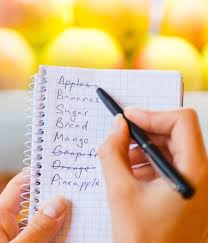
Look at your meal plan. What ingredients do you need for each meal? Write them down.
Now, check your pantry and fridge. What do you already have? Cross those items off your list.
This is a crucial step. It stops you from buying things you have. It ensures you use up what is already in your home.
This is a key to reducing waste.
Organize your list by store section. Most grocery stores have a similar layout. Produce is usually first.
Then dairy, meats, frozen foods, and canned goods. Grouping items saves time. You won’t be running back and forth.
You can get in and out of the store faster.
Consider using a template that has categories. This makes organizing easy. Some people like to add a “staples” section.
This is for things you always like to have on hand. Like flour, sugar, oil, or spices. Restock these when you are running low.
This is part of maintaining your pantry inventory.
Be specific on your list. Instead of “vegetables,” write “2 bell peppers, 1 head of lettuce, 1lb spinach.” This helps you buy the right amount. It prevents you from getting too much or too little.
I always add a “misc” or “extras” line. Sometimes I remember something small I forgot. Or I see a good deal on something I might need.
But I try to keep this line short. The main focus is always on the planned meals.
Quick Grocery List Building Steps
1. Review Meal Plan: Look at every meal you’ve planned.
2. List All Ingredients: Write down everything needed for those meals.
3. Check Your Stock: Go through your pantry, fridge, and freezer.
4. Remove Duplicates: Cross off anything you already have.
5. Categorize: Group items by store section (produce, dairy, meat, etc.).
6. Add Staples: Include items you need to replenish.
The Importance of Pantry Inventory
A pantry inventory might seem like overkill. But it’s a game-changer. It’s a list of everything you have in your kitchen.
This includes your pantry, fridge, and freezer. Why is this so important?
First, it prevents buying things you already own. How many times have you bought a second can of tomatoes? Or a second bottle of olive oil?
When you have a clear inventory, this stops happening. It saves you money directly.
Second, it helps you use what you have. You can look at your inventory. See what needs to be used up soon.
Then you can plan meals around those items. This reduces food waste significantly. Food waste is a huge drain on your budget and the environment.
Third, it makes grocery list creation easier. You know exactly what you’re missing. You can add items to your list directly from your inventory.
It’s a perfect partnership with your meal plan.
How do you create one? You can use a simple spreadsheet. Or a notebook.
Or a dedicated template. Go through your kitchen, shelf by shelf. Write down each item.
Note the quantity. You might also want to note the expiration date. Especially for things like dairy or meat.
Keep it updated. When you buy new things, add them. When you use something, cross it off.
It takes a little effort at first. But once you have it, maintaining it is simple. It becomes a habit.
And the rewards are big.
Budgeting for Groceries
Knowing how much you spend is vital. Many people guess their grocery budget. This often leads to overspending.
A budget tracker helps. You can see your numbers clearly. This allows you to make informed decisions about your spending.
Start by tracking your spending for a month. Use receipts. Write down every grocery purchase.
At the end of the month, add it all up. This is your baseline. Now, set a realistic budget.
It might be lower than what you spent. Or it might be similar.
When you plan meals, think about your budget. Can you swap a more expensive protein for a cheaper one? Can you use more beans or lentils?
These are cost-effective. They are also very healthy. Your budget can guide your meal choices.
Look for deals. Sales are great. But only buy sale items you will use.
Don’t buy something just because it’s on sale. This is where your meal plan and grocery list are key. They ensure you buy smart, not just cheap.
Consider buying in bulk for non-perishables. Things like rice, pasta, or canned goods. If you have storage space.
And if you use them regularly. Compare unit prices to see if it’s truly a saving.
Some people find it helpful to use cash for groceries. Set aside your budget amount in cash. Once the cash is gone, you stop spending.
This can be a powerful tool for sticking to a budget.
Budget-Friendly Meal Ideas
Beans and Lentils: Soups, stews, chilis, and burritos. Very filling and cheap.
Eggs: Omelets, frittatas, scrambled eggs. Great for any meal.
Pasta Dishes: With simple sauces, vegetables, or ground meat.
Rice and Grains: Base for many meals. Add beans, veggies, or a small amount of meat.
Seasonal Vegetables: Buy what’s in season. It’s cheaper and tastier.
Chicken Thighs: Often cheaper than breasts and very flavorful.
Real-World Scenarios for Using Templates
Let’s imagine a few situations. See how these free tools can help. Each one is a common challenge people face.
Scenario 1: The Busy Weeknight. You get home late from work. The kids need homework help. You have no idea what to cook.
You’re tired. You just want something easy. With a meal plan, you know tonight is “Sheet Pan Lemon Herb Chicken and Veggies.” You already bought the chicken and vegetables on Sunday.
Everything is prepped or easy to chop. Dinner is on the table in 30 minutes. No stress.
Scenario 2: The Overwhelmed Grocery Shopper. You walk into the supermarket. The shelves are packed. You feel lost.
You bought things last week that you didn’t use. You have a half-eaten bag of spinach. You have two bell peppers.
Your fridge is a bit chaotic. With a pantry inventory and a categorized grocery list, you know exactly what you need. You stick to your list.
You avoid impulse buys. You leave feeling in control.
Scenario 3: The Tight Budget. You look at your bank account. You realize you are spending too much on food. You need to cut back.
You start using a budget tracker. You also use your meal planner to focus on cheaper ingredients like beans, lentils, and seasonal produce. You plan meals that stretch further.
You make sure to use all leftovers. Over time, you see your grocery bill go down. You feel empowered by your spending.
Scenario 4: The New Cook. You are learning to cook. You don’t have many recipes. You want to make healthy meals.
You can use recipe card templates. Start collecting simple, healthy recipes. Then use your meal planner to choose one or two new recipes each week.
This helps you build your cooking skills. It also builds your repertoire of go-to meals.
Making the Most of Free Worksheets
Worksheets are like mini-versions of templates. They focus on specific tasks. For instance, a “Pantry Clean-Out Worksheet.” This helps you systematically go through your food.
It might ask questions like: “What items are expired?” “What items do you have too much of?” “What items do you never use?”
Another useful worksheet could be “Seasonal Produce Guide.” This lists fruits and vegetables that are in season in your region. This helps you choose the most affordable and freshest options at the store. It’s a great way to plan meals around what’s naturally available.
There are also “Staple Stock-Up Worksheets.” These help you identify essential items to keep on hand. They might list categories like Grains, Proteins, Canned Goods, Baking Supplies, and Spices. You can check off what you need to buy.
This ensures you always have the building blocks for meals.
Think about what you struggle with most. Is it coming up with meal ideas? Is it organizing your grocery list?
Is it tracking your spending? There’s likely a worksheet for that. Search for “free worksheet.” For example, “free quick meal ideas worksheet” or “free weekly grocery budget worksheet.”
The key is to use them. Don’t just download them and forget. Print them out.
Keep them somewhere visible. Make them part of your routine. Even just 10 minutes a week can make a big difference.
Worksheet Examples for Different Needs
Pantry Audit Worksheet: Helps you take stock of what you have. Lists items by category.
Seasonal Produce Tracker: Shows you what’s in season for better prices.
“Use It Up” Challenge Worksheet: Helps you identify ingredients nearing expiration and plan meals for them.
Meal Prep Checklist: Breaks down meal prep tasks for the week.
Budget Breakdown Worksheet: Allows you to allocate your grocery budget to different categories (produce, meat, dairy, etc.).
When It’s Normal vs. When to Worry
It’s totally normal to occasionally have a meal go wrong. Or to buy too much of something. Or to forget an ingredient.
Life happens. The goal isn’t perfection. It’s progress.
It’s building habits that make things easier over time.
You might worry if these things become the norm. Are you constantly overspending? Are you frequently throwing away spoiled food?
Do you feel stressed every time you go to the grocery store? Do you often end up ordering takeout because you have no idea what to cook?
If you are experiencing these issues regularly, it’s a sign that your current system isn’t working. That’s okay! It means it’s time to try something new.
The free templates and worksheets are there to help. They provide structure. They offer guidance.
They make the process less intimidating.
Start small. Pick one template. Maybe just the weekly meal planner.
Use it for one week. See how it goes. Then add the grocery list template.
Gradually build up your system. It should make your life easier. It should not add more stress.
If you are concerned about your spending habits or food waste, talk to someone. A budgeting app can help. Or a local extension office might offer advice on managing food resources.
Sometimes, talking it through with a friend who is good at planning can also offer insights.
Tips for Sticking to Your Plan
Once you have a plan, how do you make sure you follow it? This is where habits come in. It takes conscious effort at first.
Schedule Planning Time: Dedicate a specific time each week for meal planning and list making. Sunday afternoon is popular. Or Monday morning.
Treat it like an appointment you can’t miss.
Keep Templates Visible: Print your meal plan and grocery list. Hang them on the fridge. This is a constant reminder.
Prep Ahead: On a day off, wash and chop veggies. Cook a batch of grains. Make sauces.
This makes weeknight cooking much faster.
Be Flexible (Within Reason): If plans change, it’s okay to swap meals. Just try to adjust your grocery list if needed. Don’t let a small change derail your whole plan.
Review and Adjust: At the end of the week, look at what worked and what didn’t. Did you eat all the planned meals? Were there too many leftovers?
What meals were big hits? Use this feedback for next week’s plan.
Celebrate Small Wins: Did you stick to your budget? Did you waste less food? Acknowledge your success!
This helps you stay motivated.
It’s a learning process. Don’t get discouraged if you slip up. Just get back on track.
The more you practice, the easier it becomes. And the more you see the benefits. Those benefits include more money in your pocket.
And less stress in your kitchen.
Frequently Asked Questions
What is the best way to find free meal planning templates?
You can find free meal planning templates by searching online. Use terms like “free printable meal planner” or “meal planning template pdf.” Many popular food blogs and budgeting websites offer these for free download.
How often should I update my pantry inventory?
Ideally, you should update your pantry inventory as you use items and buy new ones. A good practice is to do a quick check when you make your grocery list. For a more thorough update, consider doing it once a month or every few months.
Can meal planning really save me money?
Yes, meal planning can significantly save you money. By knowing what you need before you shop, you reduce impulse buys and overspending. It also helps you use up ingredients before they expire, cutting down on food waste, which is a direct cost.
What if I don’t like the meals I planned?
It’s okay to swap meals. If you planned something and then decided you don’t want it, look at your other planned meals. Can you swap it for something else?
If not, adjust your grocery list if you’ve already bought specific ingredients. The goal is flexibility, not rigid adherence that leads to frustration.
How can I get my family involved in meal planning?
Ask your family for their favorite meal ideas. Let them choose one or two meals for the week. You can also involve them in the grocery shopping process.
When they feel heard, they are more likely to embrace the plan.
Are there specific apps that offer free templates?
While many apps offer premium meal planning services, some have free basic versions or offer free templates. Look for apps that allow manual input and offer downloadable lists. However, printable templates are often the most straightforward for beginners.
Conclusion
Taking control of your grocery shopping and meal planning doesn’t have to be hard. Free templates and worksheets are powerful tools. They simplify the process.
They help you save money. They also help you eat healthier. Start with one tool.
Make it a habit. You’ll be amazed at the difference it makes in your home and your wallet.




Leave a Reply