
Feeling like your grocery bill keeps climbing higher and higher? It’s a common frustration. You head to the store with good intentions, but walk out feeling like you spent too much for too little.
You’re not alone in this. Many folks struggle to make their food budget work. This guide is here to help.
We’ll break down simple ways to shop smarter and plan meals that save you money. You’ll learn how to get more for your dollar and feel good about what you’re eating.
Smart grocery shopping and meal budgeting involve planning ahead, choosing wisely at the store, and using food efficiently. This guide offers practical tips for beginners to save money, reduce waste, and create delicious meals within a budget.
Understanding Your Grocery Spending
Let’s talk about where your money goes. The grocery store can feel like a maze. Prices change.
Sales pop up. It’s easy to get caught up in impulse buys. Most people don’t track their spending closely.
They just pay at the checkout. But knowing where your food money goes is the first step to saving it. We need to look at what you buy.
We also need to see how much you spend each week or month.
Think about your pantry and fridge right now. What’s in there? Are there items you bought but never used?
Food waste is like throwing money away. It happens more often than we think. Sometimes we buy things on sale that we don’t really need.
Other times, we don’t plan meals well. This leads to spoiled food. Understanding these habits is key.
It helps us make better choices next time we shop.
It’s also about what’s in season. Fruits and vegetables are often cheaper and taste better when they are in season. They also travel shorter distances.
This means they are fresher. Buying in-season produce can make a big difference in your bill. Plus, it’s a great way to support local farmers.
We’ll explore how to spot what’s in season in your area.
The Power of Meal Planning
Meal planning is your secret weapon. It’s not about being a gourmet chef. It’s about being organized.
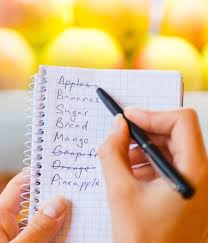
When you plan your meals for the week, you know exactly what you need. You make a list. You stick to the list.
This stops those unplanned trips to the store. Those trips are where you often spend extra. Planning also helps you use what you already have.
You can build meals around ingredients that are about to go bad. This is great for reducing food waste.
Start small. Plan for three or four dinners a week. Then add lunches and breakfasts.
Look at your schedule. Some nights are busy. Plan simple meals for those nights.
Other nights you might have more time. Plan something a little more involved. Having a plan makes cooking less of a chore.
It turns it into a more relaxed activity. It also means less stress when you ask, “What’s for dinner?”
Think about theme nights. Taco Tuesday is popular for a reason. It’s easy.
It’s fun. Other ideas include pasta night, soup and sandwich night, or breakfast for dinner. Theme nights simplify planning.
They also make meals exciting for families. When you plan, you can also look for recipes that use similar ingredients. This helps you buy in larger quantities without waste.
For example, if you use half an onion in one meal, plan another meal soon after that uses the other half.
Meal Planning Steps
1. Check Your Schedule: See what nights are busy or free.
2. Browse Recipes: Find meals that fit your schedule and taste.
3. List Ingredients: Note what you need to buy.
4. Check Your Pantry: See what you already have.
5. Create Your Grocery List: Only list what you truly need.
Creating a Smart Grocery List
Your grocery list is your guide. It’s what keeps you on track in the store. A well-made list prevents impulse buys.
It also ensures you get everything you need for your planned meals. When you create your list, be specific. Instead of “chicken,” write “2 boneless, skinless chicken breasts.” This helps you buy the right amount.
It stops you from buying too much or too little.
Organize your list by store section. Most grocery stores are laid out similarly. Grouping items by aisle saves time.
It also means you walk down each aisle only once. Think about produce, dairy, meat, frozen foods, and pantry staples. Having your list organized like this makes shopping much faster.
It also reduces the chance of forgetting something important.
Always check your pantry, fridge, and freezer before you finalize your list. You might already have half the ingredients for a recipe. Using what you have is the best way to save money.
It also cuts down on food waste. Don’t be afraid to swap ingredients if needed. If a recipe calls for basil and you have parsley, see if parsley works.
This flexibility is part of smart shopping.
Navigating the Grocery Store Wisely
The grocery store layout is designed to make you spend more. Stores often place popular items at the back. This makes you walk through more aisles.
End caps of aisles often feature promotions. These aren’t always the best deals. Sometimes, the regular price is lower.
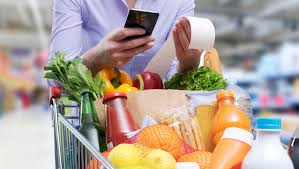
Always compare prices. Look at the unit price. This is usually listed on the shelf tag.
It tells you the cost per ounce or pound.
Stay away from the pre-cut fruits and vegetables. They cost a lot more. It’s cheaper to buy them whole and cut them yourself.
Packaged snacks and convenience foods are also more expensive. They are designed for quick consumption. Making your own snacks from scratch can save a lot of money.
This includes things like granola bars or trail mix.
Don’t shop when you are hungry. This is a classic mistake. When you’re hungry, everything looks appealing.
You’re more likely to buy things you don’t need. Stick to your list. If you see something not on your list, pause.
Ask yourself if you truly need it. Can you fit it into your meal plan? Is it a good value?
If not, leave it on the shelf.
Savvy Shopper Habits
- Compare Unit Prices: Look at cost per ounce/pound.
- Buy Whole Produce: Avoid expensive pre-cut options.
- Limit Convenience Foods: Make snacks and meals from scratch.
- Stick to Your List: Resist impulse buys.
- Shop Sales Strategically: Buy only what you need when it’s on sale.
Understanding Sales and Coupons
Sales can be great. But they can also trick you. Stores often advertise deep discounts on items.
These items might not be things you normally buy. Or they might be items you have plenty of. Only buy sale items if they are on your list.
Or if they are staples you know you will use. Stock up on non-perishable items when they are on sale. This includes things like pasta, canned goods, and rice.
Coupons can also save money. Many stores offer digital coupons through their apps. You can also find paper coupons in newspapers or flyers.
When using coupons, make sure you are buying the exact product. Sometimes a coupon is for a specific brand or size. Always check the expiration date.
Expired coupons are useless.
Don’t let a coupon dictate your purchase. Buy what you need. If a coupon is for an item you would have bought anyway, great!
If not, it might tempt you to buy something extra. This can end up costing you more. Think of coupons as an added bonus, not a reason to buy.
Buying in Bulk Smartly
Buying in bulk can save money. But it’s not always the best option. This is especially true for perishable items.
If you buy a huge bag of apples but can’t eat them before they spoil, you’ve wasted money. Bulk buying is best for items you use frequently. This includes things like rice, pasta, oats, dried beans, and certain toiletries.
Before buying in bulk, consider your storage space. Do you have room in your pantry or freezer? If not, a large package might just create clutter.
Also, compare the bulk price to the regular price of smaller packages. Sometimes, the savings aren’t as big as they seem. Look at the unit price.
This is the best way to compare value.
For frozen items, buying larger bags can be a good deal. You can portion them out. This prevents thawing and refreezing.
For pantry staples, consider sharing bulk purchases with a friend or family member. You can split the cost and the food. This way, you both get a good price without overbuying.
When Bulk Makes Sense
Good for Staples:
Rice, beans, pasta, oats, flour, sugar, nuts, spices.
Consider Storage:
Do you have space? Avoid clutter.
Check Unit Price:
Ensure it’s truly cheaper than smaller sizes.
Share the Load:
Split bulk items with friends or family.
Choosing Produce Wisely
Produce is where you can really see savings. Buying in-season is a major factor. For example, berries are cheaper and tastier in the summer.
Winter squashes are great in the fall. Farmers’ markets are fantastic places to find in-season produce. You can often talk to the farmers directly.
They can tell you what’s freshest and what’s a good deal.
When selecting produce, look for items without bruises or soft spots. These will spoil faster. For fruits, smell them.
A ripe melon or peach will have a sweet aroma. For vegetables, check for firm texture. Leafy greens should look crisp, not wilted.
Don’t be afraid to buy imperfect-looking produce. Often, it tastes just as good and is priced lower.
Learn how to store your produce properly. Some items do better in the fridge. Others are fine at room temperature.
Berries, leafy greens, and chopped vegetables need refrigeration. Onions, potatoes, and tomatoes are usually better stored outside the fridge. Proper storage extends the life of your produce.
This means less waste and more savings.
Meat and Protein Budgeting
Meat can be a significant part of your grocery bill. Look for cheaper cuts of meat. These can be just as delicious when cooked properly.
For example, chicken thighs are often cheaper than chicken breasts. They are also more forgiving if overcooked. Lentils, beans, and tofu are excellent, affordable protein sources.
Consider having a few meatless meals each week.
When meat is on sale, buy extra and freeze it. You can portion it out into meal-sized servings. This saves you money when prices are high.
Look for store brands. They are often cheaper than national brands. Also, consider buying whole chickens.
You can roast one for dinner and use the leftovers for other meals. You can even make broth from the carcass.
Don’t overlook canned fish like tuna or salmon. These are affordable and healthy protein options. They can be used in salads, sandwiches, or pasta dishes.
Eggs are another budget-friendly protein. They are versatile and can be used for any meal of the day.
Budget Protein Ideas
Cheaper Meat Cuts: Chicken thighs, pork shoulder, ground meat.
Plant-Based Proteins: Lentils, beans (dried or canned), tofu, edamame.
Affordable Fish: Canned tuna, canned salmon.
Versatile Eggs: Great for any meal, very budget-friendly.
Pantry Staples: The Foundation of Savings
Your pantry is full of potential. Stocking up on a few key staples can make meal prep easier and cheaper. Think about dried beans, lentils, rice, pasta, oats, and flour.
These items are inexpensive and have a long shelf life. They form the base of many meals. Learning to cook with dried beans, for example, can save you a lot of money compared to canned beans.
Spices are also important. A good spice collection can transform simple ingredients into flavorful dishes. Buy spices in bulk when possible.
Or check ethnic grocery stores, where they are often cheaper. Keep an eye on canned goods too. Tomatoes, corn, peas, and beans are versatile.
They are great to have on hand.
When buying canned goods, compare prices. Look for sales. Consider store brands.
They are usually just as good as name brands. Also, check the sodium content. Sometimes you can find low-sodium versions.
This is a healthier choice and can also be part of your budget strategy. Learning to make your own broth from vegetable scraps or bones is another pantry saver.
Reducing Food Waste
Food waste is a huge drain on your budget. It’s estimated that a significant portion of food purchased by households is thrown away. This is food that you paid for but didn’t get to eat.
The good news is that reducing waste is directly linked to smart shopping and planning. If you plan your meals, you buy only what you need. This means less food is likely to go bad.
Proper storage is crucial. Learn how to store different foods. For example, storing onions and potatoes together can cause them to sprout faster.
Keep ethylene-producing fruits away from ethylene-sensitive produce. Use your freezer! It’s a great place to store leftovers, bread, fruits, and vegetables.
You can freeze herbs in ice cube trays with water or oil.
Get creative with leftovers. Leftover chicken can become chicken salad or go into a stir-fry. Leftover vegetables can be added to omelets or soups.
Don’t let food sit in the back of the fridge forgotten. Make a habit of checking your fridge before you plan meals. Use up older items first.
This is sometimes called the “first-in, first-out” method.
Food Waste Fighters
Plan Meals: Buy only what you need.
Store Properly: Learn best practices for fridge and pantry.
Use Your Freezer: Freeze leftovers, bread, and produce.
Love Leftovers: Transform them into new meals.
First-In, First-Out: Use older food first.
Smart Meal Ideas on a Budget
Let’s talk about actual meals. Many delicious and affordable meals exist. Think about lentil soup.
It’s hearty, healthy, and very cheap to make. A big pot can feed you for days. Chili is another great option.
You can make it with beans or a small amount of ground meat. Serve it with rice or cornbread.
Pasta dishes are usually budget-friendly. A simple pasta with marinara sauce is a classic. You can add vegetables or protein to make it more substantial.
Baked potatoes are incredibly versatile. Top them with beans, cheese, chili, or steamed vegetables. They are filling and inexpensive.
Rice and beans is a staple in many cultures for a reason. It’s nutritious and very affordable. You can add different spices and vegetables to make it interesting.
Omelets and frittatas are great for breakfast, lunch, or dinner. Use up any leftover vegetables or cheese you have on hand.
Consider stir-fries. They are a fantastic way to use up vegetables. Use rice or noodles as a base.
A simple soy sauce-based sauce is easy to make. You can add small amounts of chicken, tofu, or shrimp for protein.
Simple & Budget-Friendly Meals
- Lentil Soup: Hearty, cheap, and nutritious.
- Bean Chili: Versatile and filling.
- Pasta with Marinara: A classic, easy base.
- Baked Potatoes: Top with anything you have.
- Rice and Beans: A global budget staple.
- Omelets/Frittatas: Use up leftover veggies.
- Stir-fries: Great for using up produce.
Tracking Your Progress
It’s important to see how far you’ve come. Keep a record of your grocery spending. You can use a notebook, a spreadsheet, or a budgeting app.
Compare your spending week by week or month by month. You should start to see a decrease if you are following these tips.
Note down what meals were successful. What recipes did you enjoy? What items did you find were good value?
This information will help you refine your plan for the future. It’s a learning process. Don’t get discouraged if you have an off week.
Just get back on track. Small, consistent changes add up over time.
Celebrate your successes. Did you save $20 this week? That’s fantastic!
Put that money towards something you’ve been wanting. Or simply let it grow in your savings. Seeing the tangible results makes it easier to stick with these habits.
This journey is about creating a sustainable way to eat well without breaking the bank.
When to Seek More Help
If you’re still struggling significantly with your grocery budget, don’t hesitate to look for more resources. Many community organizations offer classes on budgeting and healthy eating. Online communities can provide support and recipe ideas.
Sometimes, talking to a registered dietitian or a financial advisor can offer personalized strategies.
Remember that everyone’s situation is different. What works for one person might not work for another. The goal is to find a system that fits your life and your budget.
Don’t be afraid to adjust. Flexibility is key. This guide provides a strong foundation for smart grocery shopping and meal budgeting.
Frequently Asked Questions
How often should I plan my meals?
Most people find planning for one week at a time to be effective. This allows for flexibility. It also helps you stay organized.
You can do it on a Sunday or Monday.
What are the best times to shop for groceries?
Many stores put new sales flyers out on Wednesday. Shopping on a Wednesday or Thursday might let you catch early sales. If you prefer fewer crowds, try shopping early in the morning on a weekday.
Is it cheaper to buy organic food?
Organic food can sometimes be more expensive. However, the prices are coming down. Buying organic produce that is in season or on sale can make it more affordable.
Also, consider the “Dirty Dozen” and “Clean Fifteen” lists from the Environmental Working Group (EWG). These can help you prioritize which produce to buy organic.
How can I save money on meat?
Look for cheaper cuts like chicken thighs or pork shoulder. Consider plant-based proteins like beans and lentils. Buy meat when it’s on sale and freeze it.
Also, try having a few meatless meals each week.
What are some good pantry staples to keep stocked?
Good staples include dried beans, lentils, rice, pasta, oats, flour, sugar, canned tomatoes, and various spices. These items are versatile and have a long shelf life, forming the base for many meals.
How can I make my grocery budget last longer?
Focus on meal planning to avoid impulse buys and waste. Stick to your grocery list. Compare unit prices to ensure you’re getting the best value.
Utilize sales and coupons wisely. Buying in bulk for non-perishable items you use regularly can also help.
The Path to Smarter Spending
Mastering smart grocery shopping and meal budgeting takes practice. It’s about making small, consistent changes. You’ll start to feel more in control of your food spending.
You’ll enjoy delicious meals. And you’ll waste less. This journey is about empowering yourself.
It helps you make your money work harder for you. Happy shopping and happy cooking!


Leave a Reply