
Smart grocery shopping and meal planning involve buying food wisely and preparing meals in advance. This saves time and money. It also helps reduce food waste and leads to healthier eating habits. Online courses offer structured learning for these skills.
Understanding Smart Grocery Shopping and Meal Planning
What does “smart” really mean here? It’s about thinking ahead. It means making good choices at the store.
It also means knowing what you’ll cook. This stops last-minute stress. It stops you from buying things you don’t need.
A good plan makes life easier. It makes your wallet happier too.
Why is this so important today? Our lives are busy. Time is precious.
Food costs keep going up. We also hear a lot about food waste. It’s a big problem.
Smart planning tackles all these issues. It’s a skill everyone can learn. It brings calm to your kitchen.
It brings order to your budget.
When you plan well, you buy less stuff. You buy only what you need. This means less food goes bad.
You can use what you buy. This saves money. You can also eat better.
You choose fresh foods more. You avoid junk food buys. It feels good to have control.
It feels good to be organized.
My Own Grocery Shopping Struggles
I remember one week vividly. I had a big grocery haul. I felt so proud.
I bought all the fresh veggies. I got fancy cuts of meat. Then life happened.
A work project blew up. I was working late every night. The beautiful spinach wilted.
The fresh berries got moldy. The expensive steak sat in the fridge. By the weekend, my fridge was a sad sight.
Much of that food went to waste. I felt so guilty. I also felt like a failure at adulting.
I’d spent good money. I’d let good food go bad. It was a messy, expensive lesson.
That’s when I knew I needed a better system. I started looking for ways to get organized. I found that planning was key.
But I didn’t know how to start.
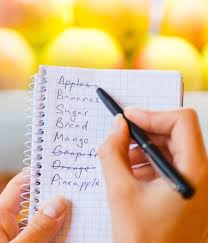
I’d often walk into the store without a list. I’d just wander. I’d grab things that looked good.
“Oh, those look nice!” I’d think. Then I’d get home. I’d stare at my bags of food.
I had no idea what to make. This led to many nights of takeout. That was expensive and not healthy.
It felt like a cycle. I knew I needed to break it. The thought of planning meals felt overwhelming at first.
Where do you even begin? What if you don’t like what you planned? What if you forget something?
These thoughts held me back for a while. But the guilt of wasted food pushed me. I had to find a way.
Taking a course seemed like a good next step. It offered structured learning. It promised proven methods.
I was ready for it.
One thing I learned early on was to check my pantry first. Before I even thought about a list, I’d look at what I already had. Often, I’d find items I forgot about.
These could be used in meals. This saved me from buying duplicates. It also helped me use up older ingredients.
This was a small step. But it made a big difference. It reduced waste right away.
It also made my grocery list shorter. This meant I spent less money. It was a win-win-win.
These little tricks are often what courses teach you. They break down big tasks into simple steps. They give you tools.
They give you confidence.
Smart Shopping Tip: The Pantry Check
Why: Reduces duplicate purchases and food waste.
How: Before making a grocery list, take 5 minutes to look through your pantry, fridge, and freezer. Note down items you can use for upcoming meals.
Benefit: Saves money and helps you use up what you have.
Why Online Courses?
Online courses are great for this. You can learn at your own pace. You don’t have to go anywhere.
You can watch lessons on your phone. You can do it on your lunch break. Or late at night.
Many courses are affordable. Some are even free. They are made by people who know their stuff.
They share their best tips. They show you step-by-step. This makes learning easy and fun.
You get practical advice. You get real examples. You can replay parts you don’t get.
This is helpful. You can learn from experts. They share years of experience.
This saves you from making the same mistakes I made.
The structure of a course is also a big help. It breaks down a big task into small parts. You get lessons.
You get assignments. You might get printables. These can be shopping lists.
They can be meal planners. These tools are super useful. They help you put what you learn into action.
You build habits over time. It’s not just about getting information. It’s about changing how you do things.
It’s about building skills. Skills that last a lifetime. Skills that improve your daily life.
Skills that make you feel more in control.
What’s really cool is that many courses focus on different areas. Some are all about saving money. Others focus on healthy eating.
Some teach you how to cook quickly. You can pick a course that fits your needs. Maybe you struggle most with planning.
Or maybe you just need help with budgeting. There’s a course for that. You can find courses that teach you how to cook with simple ingredients.
Or how to use up leftovers creatively. The options are vast. It’s about finding the right fit for your life.
Your goals matter most. What do you want to achieve?
Quick Scan: Benefits of Online Learning
- Learn anytime, anywhere.
- Go at your own speed.
- Affordable options available.
- Expert-led instruction.
- Practical tools and printables.
- Build lasting skills.
Top Online Courses for Smart Grocery Shopping & Meal Planning (2025)
Finding the best can be tricky. What works for one person might not work for another. But based on what people look for, and what experts recommend, here are some strong contenders.
These courses focus on practical, actionable advice. They aim to make a real difference in your daily life. We’ll look at a few different styles.
Some are super budget-focused. Others are more about healthy eating or quick meals.
We want courses that are up-to-date. Things change. New apps come out.
New strategies emerge. The best courses will reflect this. They’ll teach you current methods.
They’ll also be easy to understand. They won’t use fancy jargon. They’ll speak your language.
They’ll feel like a friend is helping you. That’s the goal. To make these skills accessible.
To make them feel doable. To make them feel achievable for everyone. This is about empowering you.
It’s about giving you the tools to succeed.
Remember to check reviews. See what other students say. Look for courses with good instructors.
Good instructors are passionate. They are clear. They are helpful.
They answer questions. They make you feel supported. This is a journey.
You want good guides. You want resources that inspire you. Resources that make you feel excited to try new things.
That’s what these courses aim to do. They aim to make your life better. One meal at a time.
One grocery trip at a time.
Course 1: Budget-Savvy Grocery Pro
This course is a dream for anyone looking to cut down their food bills. It dives deep into smart shopping strategies. You’ll learn how to read sale ads.
You’ll discover how to use coupons effectively. You’ll get tips on buying in bulk wisely. It also covers how to compare unit prices.
This is key to saving money. You’ll learn to identify generic brands that are just as good.
Meal planning is a big part of this course. It shows you how to create weekly meal plans based on sales. You’ll learn to build meals around discounted items.
This is a powerful strategy. It takes planning, but it pays off. The course includes downloadable templates.
These are for shopping lists and meal plans. They are designed to be super simple to use. You’ll also get recipes.
These recipes use affordable ingredients. They are also quick to make. This course is perfect if your main goal is to save money.
One thing I love about this style of course is its focus on practicality. It’s not about being perfect. It’s about making smart, achievable changes.
You learn to work with your budget. You learn to make your money go further. It teaches you that eating well doesn’t have to cost a fortune.
It’s about being smart with your resources. It shows you how to get the most bang for your buck. It’s about empowerment through knowledge.
Knowledge that directly impacts your wallet. It makes you feel in control of your spending.
Budget-Savvy Grocery Pro: Key Takeaways
Focus: Maximum savings on groceries.
Skills Taught: Sale ad analysis, coupon strategies, unit price comparison, bulk buying basics, meal planning around sales.
Included: Templates for lists and plans, budget-friendly recipes.
Best For: Those prioritizing cost reduction.
Course 2: The Healthy Meal Prep Masterclass
If your goal is eating healthier, this is the one to check out. This course focuses on making healthy eating easy. It shows you how to plan nutritious meals.
You’ll learn about balanced plates. You’ll learn about portion control. It teaches you how to incorporate more fruits and vegetables.
It also talks about lean proteins and whole grains. You get guidance on reducing processed foods. It’s about making healthier choices natural.
Meal prepping is a huge part of this course. You’ll learn efficient ways to prepare meals ahead of time. This saves you time during the week.
It also ensures you have healthy options ready. No more grabbing unhealthy snacks. You’ll learn about safe food storage.
This is important for keeping food fresh. You’ll get recipes that are both healthy and delicious. They are designed for busy people.
They are also easy to pack for lunches. This course helps build a foundation for a healthier lifestyle. It’s about sustainable change.
What stands out here is the emphasis on long-term wellness. It’s not a quick fix. It’s about building habits that support your health.
The instructors often share their own health journeys. They make it relatable. They show you that healthy food can taste amazing.
They debunk myths about healthy eating being bland or difficult. You learn practical tips. You learn how to shop for nutrient-dense foods.
You learn how to store them to keep their goodness. It’s a holistic approach. It’s about nourishing your body.
It’s about feeling your best every day. It’s a powerful investment in yourself.
Healthy Meal Prep Masterclass: Key Takeaways
Focus: Nutritious eating and efficient meal preparation.
Skills Taught: Balanced meal planning, portion control, healthy ingredient selection, safe food prep and storage, quick healthy recipes.
Included: Meal prep guides, healthy recipe collection, nutrition basics.
Best For: Individuals aiming for a healthier diet and lifestyle.
Course 3: The Efficient Kitchen Commander
This course is for people who feel overwhelmed by the whole process. It’s about streamlining your kitchen. It teaches you how to be more efficient.
From grocery shopping to cooking to cleanup. You’ll learn how to create a smart kitchen layout. This makes cooking faster.
You’ll get tips on organizing your pantry and fridge. Good organization is key. It saves time and reduces stress.
You’ll learn how to plan your meals in minutes.
The course also covers time-saving cooking techniques. Think one-pan meals. Think batch cooking.
Think quick prep methods. You’ll learn how to maximize your time. You’ll also learn how to minimize cleanup.
This is a big one for many people! It teaches you how to shop with a purpose. It shows you how to pick versatile ingredients.
Ingredients that can be used in many ways. This reduces the number of items you need to buy. It simplifies your cooking.
It simplifies your life.
I found courses like this incredibly helpful for overcoming that feeling of chaos. It’s about bringing order to the kitchen. It makes cooking feel less like a chore.
It makes grocery shopping feel less like a gamble. It’s about having a system. A system that works for you.
The instructors often share their personal stories of kitchen overwhelm. They understand the struggle. They offer practical solutions that are easy to implement.
They help you feel like a commander of your kitchen. Not a victim of it. It’s about taking back control of your time.
And your sanity. It’s a practical, actionable approach.
Efficient Kitchen Commander: Key Takeaways
Focus: Streamlining kitchen tasks and saving time.
Skills Taught: Kitchen organization, time-saving cooking methods, efficient meal planning, batch cooking, reducing cleanup time.
Included: Kitchen organization guides, time-saving recipe ideas, planning templates.
Best For: Those feeling overwhelmed or short on time.
Course 4: The Zero-Waste Food Advocate
This is a newer but very important area. This course focuses on reducing food waste. It teaches you how to use every part of your food.
You’ll learn how to store produce properly to make it last longer. You’ll get tips on using scraps. For example, vegetable peels can make stock.
Stale bread can become croutons. It’s about being resourceful. It’s about getting the most value from your food.
It aligns with sustainable living principles.
Meal planning in this course is about using what you have. It’s about avoiding impulse buys. You’ll learn to plan meals that use up ingredients.
Before they go bad. This course might also cover composting. Or how to freeze food effectively.
It encourages creativity in the kitchen. It makes you think about food differently. It’s not just about eating.
It’s about respecting the resources. It’s about being a mindful consumer. This approach can also lead to significant savings.
Less waste means less money spent on food that ends up in the bin.
I’ve seen people transform their relationship with food by taking courses like this. They start to see the potential in items they used to throw away. It’s empowering.
It makes you feel like you’re contributing to something bigger. While also saving money. It’s a win for your budget and a win for the planet.
The instructors often have a passion for sustainability. They share their personal experiences with reducing waste. They make it feel achievable for everyday people.
It’s about small changes. Small changes that add up to a big impact. It’s a mindful way to approach food.
It’s a way to be more connected to your meals.
Zero-Waste Food Advocate: Key Takeaways
Focus: Minimizing food waste and maximizing ingredient usage.
Skills Taught: Proper food storage, using scraps, creative leftover transformation, mindful shopping, composting basics.
Included: Food waste reduction tips, recipes for using scraps, storage guides.
Best For: Eco-conscious individuals and those wanting to reduce waste.
Real-World Scenarios Where These Courses Shine
Let’s talk about real life. These courses aren’t just theory. They are practical tools for everyday situations.
Imagine a busy parent. They rush home from work. Kids need dinner.
The fridge is empty. Without a plan, it’s takeout again. A healthy meal prep course helps.
They can have healthy meals ready. Or a young couple starting out. They have a tight budget.
A budget-savvy course teaches them how to shop smart. How to stretch their dollars. They can enjoy good food without breaking the bank.
Think about someone living alone. Food can spoil quickly. A zero-waste course teaches them how to buy smaller portions.
How to use everything up. They save money and feel good. Or someone who wants to eat better but feels lost.
The healthy meal prep course guides them. It shows them how to make healthy choices easy. How to build a balanced plate.
It’s about fitting healthy habits into their lives.
These courses also help with specific challenges. Like dealing with picky eaters. Or learning how to cook for one.
Or mastering batch cooking for the week. They provide strategies. They provide recipes.
They provide support. They show you that you’re not alone in these struggles. Many people face similar issues.
They offer a clear path forward. A path to less stress. A path to more savings.
A path to better health. A path to a more organized life.
What This Means for You: When to Worry and When It’s Normal
It’s normal to have an occasional wasted apple. Or to forget an ingredient. Life happens!
Don’t beat yourself up. What’s not normal is a constant stream of wasted food. Or always spending more than you planned.
Or always resorting to unhealthy fast food. That’s a sign something needs to change.
If your grocery bill is always a shock. If your fridge is always full of forgotten food. If meal times are always stressful.
These are signals. They mean a structured approach could help. Online courses offer that structure.
They give you the tools to manage these things better. You can learn to check your pantry first. You can learn to make a list.
You can learn to plan meals. These are skills. Skills that make life easier.
Here’s a simple check: look in your fridge right now. How much food is there that you bought recently? Is it something you plan to eat?
Or is it something you might forget? If it’s the latter, it’s a sign. A sign that planning could help.
It’s a sign that a course could give you the boost you need. Don’t let food go to waste. Don’t let your money go to waste.
It’s about making conscious choices. It’s about taking small steps. Steps that lead to big improvements.
Normal vs. Concerning: Food Management
Normal:
- Occasional forgotten item.
- Planning for a few meals ahead.
- Slight overspending one week.
Concerning:
- Frequent food spoilage.
- Always exceeding grocery budget.
- Meal times are always a panic.
- Lack of a grocery list or plan.
Quick Tips and Guidelines
Even before diving into a full course, you can start small. Try making a list before you go shopping. Even a short list.
Write down what you need for the next two meals. Check your pantry and fridge first. See what you can use.
This one step can save you money. It can reduce impulse buys. It makes your trip more focused.
Another simple thing is to pick one meal to plan each week. Maybe it’s just Sunday dinner. Or maybe it’s your lunches for Monday and Tuesday.
Start small. Build from there. Don’t try to change everything at once.
That’s overwhelming. Small, consistent changes work best. They lead to lasting habits.
They make the process feel less daunting.
Consider dedicating a small amount of time each week to planning. Maybe 15-30 minutes. This is an investment.
An investment in saving money. An investment in reducing stress. An investment in eating better.
You’ll find that this time pays off. It saves you much more time and money later. It makes your whole week smoother.
It makes your kitchen feel more peaceful. These simple habits are the building blocks. The foundation for smarter shopping and planning.
Starter Tips for Smarter Habits
1. Make a List: Always shop with a list. Check your pantry first.
2. Plan One Meal: Start by planning just one or two meals ahead.
3. Store Food Right: Learn basic food storage to make items last longer.
4. Eat Leftovers: Plan at least one meal a week using leftovers.
Frequently Asked Questions
What is the main goal of smart grocery shopping?
The main goal is to buy only what you need. This helps save money. It also reduces food waste.
It ensures you have food for planned meals.
How can meal planning save me money?
Meal planning helps you avoid impulse buys. You know what you need. You use what you buy.
This means less food goes to waste. You also buy fewer convenience foods. All of this adds up to savings.
Are online courses for meal planning effective for busy people?
Yes, many online courses are designed for busy people. They offer flexible learning. They teach quick planning and prep methods.
This makes healthy eating and smart shopping manageable.
How do I choose the right online course for me?
Consider your main goals. Do you want to save money? Eat healthier?
Reduce waste? Look at the course descriptions. Read reviews.
Check the instructor’s experience. Pick one that matches your needs.
Can these courses help reduce my food waste?
Absolutely. Many courses focus specifically on reducing food waste. They teach proper storage.
They show how to use scraps and leftovers. They help you plan meals that use up ingredients.
What if I’m a terrible cook?
Many courses offer simple, beginner-friendly recipes. They focus on basic techniques. They teach you how to make tasty meals with minimal effort.
The goal is to build confidence in the kitchen.
Conclusion: Your Path to Smarter Eating
Taking control of your grocery shopping and meal planning is a game-changer. It reduces stress. It saves you money.
It leads to healthier eating. Online courses offer a fantastic way to learn these skills. They provide structured guidance.
They give you practical tools. You can find a course that fits your budget and your goals. Start your journey today.
You’ll be amazed at the positive changes. Your kitchen will thank you. Your wallet will thank you.
You will thank yourself.





Leave a Reply