

Ever feel like you’re drowning in grocery bills? Or maybe you spend hours planning meals, only to end up throwing half the food away? It’s a common feeling.
Many of us want to eat well and save money. But it feels like a constant battle. You grab what looks good.
Then you get home and wonder what to make. Or you buy too much. Food goes bad.
Money goes down the drain. This happens more than you think. Let’s figure out how to make it better.
This guide will show you how to approach grocery shopping and meal planning smartly. We’ll cover simple steps. These steps help you save cash. They also help you eat healthier. You will learn to shop with a plan. You will learn to use what you buy. We aim to make your kitchen work for you.
The Smart Grocery Shopping and Meal Planning Journey
Shopping for food can feel overwhelming. Meal planning can feel like a chore. But it doesn’t have to be.
It’s all about finding a system that works for you. Think of it like getting ready for a trip. You pack what you need.
You don’t bring everything. Smart shopping is like that. You buy what you will use.
Meal planning is like making an itinerary. It makes sure you get the most out of your time and money.
Many people jump into shopping without a clear idea. They wander the aisles. They see a sale.
They buy it. Then they come home. The item sits there.
It’s not part of any meal. This leads to wasted food. It leads to wasted money.
It also leads to stress. You might not have the right ingredients for a planned meal. You might end up ordering takeout instead.
That costs even more.
The goal here is to feel in control. You want to feel good about what you buy. You want to feel good about what you eat.
This guide will break down how to do that. We will look at small steps. These steps can make a big difference.
You will learn to see your kitchen as a place of abundance, not waste. You will learn to shop with purpose. You will learn to cook with confidence.
This is the start of a smarter way to eat.
My Grocery Store Slip-Up: A Real-Life Tale
I remember one particularly rough Tuesday. I had a huge project at work. My brain was fried.
I hadn’t planned dinner. I stopped at the grocery store on the way home. I was so tired.
I just grabbed a rotisserie chicken. I got a bag of fancy salad mix. I picked up a carton of strawberries that looked good.
I thought, “That’s easy.” I also grabbed some pre-made pasta salad because it was on sale. That was about it. I spent nearly $40.
When I got home, I was still hungry. The rotisserie chicken was dry. The fancy salad was wilted by the next day.
The strawberries were mushy. The pasta salad was heavy. I ended up eating cereal for my second dinner.
The next morning, I looked in the fridge. The salad was totally wasted. The strawberries were sad.
The pasta salad sat there, untouched. I felt so annoyed. I had spent good money.
I had brought home food. Yet, I ended up eating cereal. And I had wasted food.
It felt like a total failure.
That night, I realized I needed a better way. I was letting my fatigue and impulse guide me. I wasn’t thinking about what I actually needed or wanted.
I was just grabbing things. This experience stuck with me. It showed me how easy it is to fall into bad habits.
It also showed me how much better things could be with a little bit of planning. It’s not about being perfect. It’s about being mindful.
It’s about making conscious choices. My wasted strawberries and wilted salad became my teacher.
Smart Shopping Checklist
Before You Go:
- Check your pantry and fridge first.
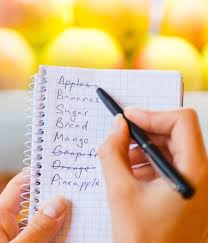
- Make a list based on what you have.
- Plan a few meals for the week.
- Look at store flyers for sales.
- Stick to your list!
The Core of Smart Eating: Planning and Purpose
The biggest change you can make is to shift your mindset. Stop seeing grocery shopping as a chore. Start seeing it as an investment.
You are investing in your health. You are investing in your budget. You are investing in less stress.
The core idea is simple: plan before you shop.
Why is planning so important? Because it gives you purpose. When you have a plan, you know what you need.
You know what you want to cook. This stops you from buying random things. It stops you from buying things you don’t need.
You walk into the store with a mission. This saves you time. It saves you money.
It also helps you eat better. You are more likely to buy fresh produce. You are more likely to buy lean proteins.
You are less likely to grab junk food.
Meal planning doesn’t mean every single meal is mapped out. It can be flexible. It can be simple.
For example, you might decide to have chicken Tuesday and fish Thursday. Or you might plan to make a big batch of soup for lunches. The key is to have a general idea.
This idea guides your shopping. It ensures you buy ingredients that work together. It makes sure you have what you need for the meals you want.
When you plan, you also think about what you already have. This is a huge money saver. So many people buy duplicates.
Or they buy ingredients for a recipe. Then they forget they already have it. A quick look in your fridge and pantry is vital.
It’s the first step in smart shopping. It stops waste before it even starts. It connects what you own with what you buy.
This creates a cycle of smart use.
From Pantry Peek to Purposeful Purchases
Let’s get practical. The very first step is to look. Really look.
Open your fridge. Open your freezer. Open your pantry shelves.
See what you have. What needs to be used up? Is that half-bag of spinach wilting?
Is that can of beans open? Is that chicken breast frozen solid? Take a mental note.
Or better yet, jot it down. A small notepad or a note on your phone works well.
Now, think about meals. Based on what you have, what can you make? If you have chicken breasts, you can grill them.
You can bake them. You can slice them for a salad. If you have those beans, you can make chili.
Or add them to a salad. Don’t try to make complicated meals. Think simple.
Think about using up what you have. This is where purposeful purchases come in.
Once you have an idea of what you need to use, make your list. Your list should be based on these items. And on your meal ideas.
For example, if you want to make chili, and you have beans, you might need ground beef, diced tomatoes, and chili powder. Add those to your list. If you have spinach, and you want to make a salad, maybe you need some cherry tomatoes or a nice vinaigrette.
This process turns your shopping from a guessing game into a strategy. You are not just buying food. You are buying components for specific meals.
You are buying things to complete dishes. You are reducing the chance of buying things that will go to waste. This is the foundation of smart grocery shopping.
It’s about intention. It’s about using what you have wisely.
Meal Idea Starters
Use what you have to spark ideas:
- Chicken Breast: Tacos, stir-fry, salad topper, grilled main dish.
- Ground Beef: Pasta sauce, burgers, chili, shepherd’s pie.
- Canned Beans (Black, Kidney, Chickpeas): Salads, soups, dips, taco filling.
- Rice/Pasta: Side dish, base for bowls, pasta salads.
- Leafy Greens (Spinach, Kale): Salads, smoothies, sautéed side dish.
Navigating the Grocery Store Like a Pro
You have your list. You know what you need. Now, it’s time to hit the store.
This is where many good intentions go to die. Sales beckon. Displays tempt.
But remember your list. Your list is your shield. It protects you from impulse buys.
Most grocery stores are designed to make you wander. They put popular items at the back. They put tempting end-cap displays everywhere.
The best strategy is often to shop the perimeter. This is where you usually find the fresh produce, dairy, meat, and fish. These are the core of healthy meals.
They are also often the most perishable. So, buying them with a plan is smart.
When you’re in the produce section, pick what looks good. But also consider what’s in season. Seasonal produce is often cheaper.
It tastes better too. Don’t buy more than you can use in a few days unless you have a plan for it. For example, if you buy a whole head of lettuce, plan to use it in salads and maybe a quick sauté.
In the meat and dairy aisles, again, stick to your list. If you see a great sale on something you planned to buy, great! That’s a win.
But if it’s something random, resist the urge. Consider buying in bulk for non-perishables if you use them often. Things like rice, pasta, and canned goods.
Just make sure you have space to store them.
Don’t forget the frozen section. Frozen fruits and vegetables are often just as nutritious as fresh. They last much longer.
They are great for smoothies or adding to cooked dishes. They are perfect for avoiding waste. Keep a few bags of frozen veggies on hand.
They are a lifesaver for quick meals.
Shopping Strategy: Perimeter First
Focus on these areas:
- Produce: Fruits, vegetables.
- Meat/Poultry/Fish: Proteins.
- Dairy/Eggs: Milk, cheese, yogurt, eggs.
- Bakery (if fresh): Bread.
Inner Aisles for Staples:
- Canned goods, grains, pasta, oils, spices.
Beyond the List: Smart Swaps and Savvy Buys
Even with a list, there’s room for smart choices. Think about how you can get more value. Or how you can make healthier choices.
This is where understanding food labels comes in. But for most of us, it’s about simple, practical tips.
One great tip is to buy whole ingredients. For example, a whole chicken is often cheaper than pre-cut pieces. You can roast the chicken for dinner.
Then use the carcass to make stock. You can use the leftover meat for sandwiches or salads. This stretches your food further.
It also gives you more control over what goes into your meals. You know exactly what’s in your chicken stock.
Similarly, buy larger bags of rice or pasta if you use them a lot. These are pantry staples. They last a long time.
They are usually cheaper per pound. Just make sure you have a good container to store them in. Airtight containers keep them fresh.
They also prevent pests.
Consider store brands. Often, store brands are just as good as name brands. They are usually cheaper.
You can do a side-by-side taste test if you’re unsure. But for most staples like flour, sugar, canned tomatoes, or pasta, the store brand is perfectly fine.
Don’t fall for “convenience” pricing. Pre-cut vegetables or pre-shredded cheese cost more. The small amount of time you save is usually not worth the extra expense.
You can cut up your own vegetables. You can shred your own cheese. It’s a small step that adds up.
It also helps you reduce packaging waste.
Finally, think about your shopping frequency. Shopping once a week is usually best. If you go every day, you’re more likely to make impulse buys.
You might also end up buying things that spoil. A weekly trip with a solid list is usually the sweet spot. This helps you stay focused and in control.
Meal Prep: Making Your Week Easier
Meal prep is a game-changer. It’s not about cooking every single meal from scratch every day. It’s about doing some work upfront.
This work makes your week much smoother. It means you’re less likely to grab unhealthy takeout. It means you’ll have good food ready when you need it.
What can you prep? Lots of things! After you shop, take an hour or two.
Wash and chop vegetables. Cook a batch of grains like rice or quinoa. Roast some chicken breasts or hard-boil eggs.
Make a big pot of soup or chili. These prepped ingredients can be used in many ways.
For example, that roasted chicken can go into salads, sandwiches, or stir-fries. The chopped veggies can be added to omelets, salads, or sautéed. The grains can be a base for grain bowls or a side dish.
The soup or chili can be a quick lunch or dinner.
You can also assemble components. Put salad greens, chopped veggies, and a protein into containers. Add dressing separately.
You have grab-and-go salads ready. You can portion out smoothie packs with fruit and greens into bags in the freezer. Just add liquid and blend.
The key to successful meal prep is not to overdo it. You don’t need to cook every meal. Focus on things that make your week easier.
Things that you often find yourself rushing for. Think about breakfasts, lunches, or components for dinners. Start small.
See what works for you. Even prepping a few items can make a huge difference.
Remember, meal prep is not about restriction. It’s about freedom. It’s the freedom to eat well without the daily struggle.
It’s the freedom to know you have healthy options. It’s the freedom to save money because you’re not buying expensive convenience foods. It’s about setting yourself up for success during the busy week.
Meal Prep Ideas to Get You Started
Focus on these:
- Cook Grains: Rice, quinoa, farro.
- Roast Meats: Chicken breasts, chicken thighs, ground turkey.
- Chop Veggies: Onions, bell peppers, carrots, celery, broccoli.
- Hard-Boil Eggs: For snacks or salads.
- Make a Big Batch: Soup, chili, stew, or pasta sauce.
- Portion Snacks: Nuts, seeds, fruit, yogurt.
Creative Cooking: Using Up Everything
What happens when you have bits and pieces left over? That lonely carrot? Half an onion?
A small amount of cooked chicken? Don’t let them become waste! This is where creative cooking shines.
It’s about being resourceful. It’s about getting the most value from your food.
Soups and stews are perfect for this. You can toss in almost any vegetable. Almost any leftover cooked meat.
They are forgiving. They are hearty. They are great for using up small amounts of ingredients.
A simple broth base with whatever veggies and protein you have can become a delicious meal.
Stir-fries are another excellent option. Chop up your leftover veggies. Add them to a hot pan with some protein.
A simple sauce made from soy sauce, ginger, and garlic ties it all together. Serve over pre-cooked rice. It’s a quick, healthy meal.
Omelets and frittatas are fantastic for breakfast or a light dinner. You can add any chopped cooked vegetables. Any bits of cheese or leftover cooked meats.
They are quick to make. They are very satisfying.
Smoothies are great for using up fruit that’s a bit too ripe. Add it to your blender with some yogurt or milk. You can also toss in a handful of spinach.
It’s a healthy way to use fruit that might otherwise get thrown away.
Don’t forget about making stock. If you buy a whole chicken, use the carcass. Toss it in a pot with water, onion scraps, celery ends, and carrot peels.
Simmer for a few hours. You get rich, homemade stock. This can be used in soups, stews, or sauces.
It’s a great way to use food scraps.
The goal is to train yourself to see these leftovers as opportunities. Not as waste. Think, “What can I make with this?” instead of “This is going bad.” It requires a little bit of creativity.
But it’s very rewarding. It saves money. It reduces your environmental footprint.
It also makes your cooking more interesting.
When to Worry: Understanding Normal vs. Concerning
Sometimes, food waste isn’t just about planning. It can be about understanding what’s normal. And what might signal a bigger issue.
Normal Food Waste Scenarios:
- Slight wilting: Leafy greens that aren’t crisp anymore can still be used in cooked dishes like soups or sautés.
- Overripe fruit: Perfect for smoothies, baking (like muffins or banana bread), or sauces.
- Leftover cooked components: A small amount of rice or chicken is great for future meals, not waste.
- Buying too much of a non-perishable: If you bought a huge bag of flour and only need a cup, that’s not necessarily waste. It’s just stored for later.
Concerning Food Waste Scenarios:
- Moldy food that was recently bought: This could indicate spoilage in the store or issues with packaging.
- Food spoiling very quickly, even when stored properly: This might mean your refrigerator temperature is too high or too low.
- Consistently throwing away large amounts of fresh produce: This suggests a disconnect between shopping and cooking. Your planning or buying habits need adjustment.
- Throwing away whole meals regularly: This points to a significant issue with meal planning or portion control.
If you find yourself in the “concerning” category often, it’s a sign to re-evaluate. Are you buying too much? Are you storing things correctly?
Are your meal plans realistic? Are you cooking the food you buy? These are all questions to ask yourself.
The good news is, most of these are fixable with better planning and habits.
The goal is not zero waste. That’s very difficult for most households. The goal is less waste.
Significant reduction. By being mindful and strategic, you can drastically cut down on what you throw away. And that’s a win for your wallet and the planet.
Storage Savvy: Keep Food Fresher Longer
Tips to prevent spoilage:
- Berries: Store unwashed in their original container, or a breathable one.
- Leafy Greens: Wash, dry thoroughly, and store in a container with a paper towel to absorb moisture.
- Herbs: Treat like flowers. Trim stems and place in a jar of water, covered loosely with a bag.
- Vegetables: Store most in the crisper drawer. Some, like potatoes and onions, need cool, dark, dry places (not in plastic bags).
- Bread: Room temperature for a few days, or freeze for longer storage. Avoid the fridge, which dries it out.
Making It Stick: Habits for Long-Term Success
Changing how you shop and plan isn’t always easy. It takes time to build new habits. The key is to start small.
And to be consistent. Don’t try to overhaul everything at once.
Pick one thing to focus on first. Maybe it’s making a grocery list. Or maybe it’s doing a quick pantry check before you shop.
Once that feels natural, add another step. Perhaps it’s planning just two meals a week. Or doing a small amount of meal prep on Sunday.
Celebrate your small wins. Did you stick to your list? Did you use up all your lettuce?
Did you make a tasty meal from leftovers? Acknowledge these successes. They build momentum.
They show you that you can do this.
Don’t get discouraged by slip-ups. Nobody is perfect. You’ll have days where you forget your list or buy something you didn’t need.
That’s okay. Just get back on track for your next shopping trip. Or your next meal.
Involve others in your household if possible. If you have a partner or children, talk to them about why this is important. Get their input on meal ideas.
Make it a team effort. This can make it more fun. And it ensures everyone is on the same page.
Finally, remember why you are doing this. You are doing it to save money. You are doing it to eat healthier.
You are doing it to reduce stress. Keep those goals in mind. They will help you stay motivated.
Over time, these new habits will become second nature. Your kitchen will feel more organized. Your meals will be more enjoyable.
And your wallet will thank you.
Frequently Asked Questions about Smart Grocery Shopping and Meal Planning
What is the most important first step for smart grocery shopping?
The most important first step is to check your pantry and fridge. See what you already have. This stops you from buying things you don’t need. It also helps you plan meals around what needs to be used up.
How often should I plan my meals?
Planning meals once a week is a good starting point. You can plan for the whole week. Or you can just plan a few meals. The key is to have some idea of what you will eat. This guides your shopping list.
Is it really worth the time to make a grocery list?
Yes, it is absolutely worth the time. A grocery list helps you stay focused in the store. It prevents impulse buys. This saves you money and reduces food waste. It turns shopping into a planned activity, not a guessing game.
What if I find a great sale on something not on my list?
If it’s a staple item you use often and it’s a good price, consider buying it. But if it’s something new or something you rarely use, it might just end up wasted. Stick to your list as much as possible to avoid overspending.
How can I avoid buying too much produce that spoils?
Buy produce that is in season. It’s often cheaper and lasts longer. Only buy what you can realistically eat within a few days. Or plan meals specifically to use up certain items quickly. Frozen fruits and vegetables are also great options for long-term storage.
Is meal prepping time-consuming and difficult?
It can seem that way at first. But it doesn’t have to be. You don’t need to cook every meal. Start small. Prep just a few items like chopped veggies or cooked grains. This small effort upfront can save you a lot of time and stress during the week.
What’s the best way to use up leftover ingredients?
Soups, stews, stir-fries, and frittatas are excellent for using up small amounts of leftover vegetables and proteins. Smoothies are great for overripe fruit. Don’t forget to make stock from vegetable scraps and meat bones!
Final Thoughts on a Smarter Kitchen
Transforming your grocery shopping and meal planning habits is a journey. It’s about making small, consistent changes. These changes add up to big results.
You’ll save money. You’ll eat healthier. You’ll feel more in control of your kitchen.
Embrace the process. Celebrate your progress. Your kitchen will thank you.


Leave a Reply