
Automating smart grocery shopping and meal planning involves using technology and smart strategies to streamline food preparation. This means less time in stores, fewer forgotten items, and easier weeknight dinners. It helps you save money by reducing waste and impulse buys.
The goal is a more organized and efficient kitchen life.
What is Smart Grocery Shopping and Meal Planning?
Smart grocery shopping is about buying what you need. It’s also about buying it at the right time. It means thinking ahead.
You don’t just grab things off the shelf. You have a plan. Meal planning is deciding what you’ll eat.
You plan this for a set period. This is usually a week. It helps you use what you buy.
It also stops food waste. When you combine these, you get a powerful system. It helps you save time and money.
It makes your kitchen life much simpler.
Why does it matter? In our busy lives, planning is key. We rush around.
We grab food on the go. This costs more. It’s often less healthy.
Smart planning fights this. It gives you control. You know what’s for dinner.
You have the ingredients ready. This reduces stress. It also helps you stick to a budget.
You buy less junk food. You use up all your produce. It’s a win-win for your wallet and your well-being.
My Own Kitchen Chaos
I remember one Tuesday evening. It was raining hard. I got home late from work.
My stomach growled. I opened the fridge. A lonely carrot.
Half an onion. Some wilting lettuce. Panic set in.
What could I possibly make? My mind raced. I’d forgotten to shop.
Again. The thought of driving to the store in the downpour was awful. I ended up ordering expensive takeout.
It felt like such a waste. And I knew I’d have to go shopping the next day anyway. This happened way too often.
The endless cycle of forgetting, rushing, and wasting was a huge source of frustration. It felt like I was always one step behind my own kitchen.
This cycle is super common. Many people feel this way. They want to cook more.
They want to eat better. But life gets in the way. The sheer effort of planning meals and then going to the store can feel like a second job.
It’s easy to fall back into old habits. Habits that cost time and money. And leave you feeling a bit defeated.
I knew I had to change something. I started looking for ways to make it easier. I wanted a system that worked for me, not against me.
Your Kitchen Workflow Checklist
Check Your Pantry & Fridge: What do you already have?
List Meals Needed: How many breakfasts, lunches, dinners?
Gather Recipes: Find recipes for those meals.
Make a Shopping List: Based on recipes and what you have.
Shop Smart: Stick to your list.
Prep Ahead: Wash veggies, chop onions.
The Power of Meal Planning
Meal planning is the backbone of smart grocery shopping. When you know what you’ll cook, you know what you need. This stops those impulse buys.
Those chips you grab because they look good. Or that extra box of cookies. Planning helps you use ingredients before they go bad.
This means less food waste. And saving money. Think about it.
If you plan 5 dinners, you buy ingredients for those 5 dinners. You don’t buy random items you might not use.
It takes a little time to set up. But it pays off quickly. You’ll spend less time wondering what’s for dinner.
You’ll make fewer trips to the store. And your grocery bills will likely shrink. Plus, you’ll probably eat healthier.
Because you’re choosing your meals. You’re not grabbing the first thing you see. It’s about taking control of your food.
And making your meals work for your life.
Choosing Your Planning Style
There’s no single “right” way to meal plan. What works for one person might not work for another. It’s about finding what fits your life.
Some people plan every single meal for the week. Breakfast, lunch, and dinner. Others just plan dinners.
That’s a great starting point. Maybe you have busy nights. You can plan quick meals for those nights.
And more involved meals for weekends. Some people like to plan around sales. They check store flyers.
Then they build meals around discounted items.
Consider your family’s tastes. What do they like to eat? Are there picky eaters?
Planning meals that everyone enjoys makes it easier to stick to the plan. Don’t aim for perfection right away. Start simple.
Try planning just 3 dinners. Then, as you get more comfortable, add more. You can also plan for leftovers.
A big Sunday roast can provide lunches for Monday and Tuesday. This is smart use of your cooking effort.
Meal Planning Styles at a Glance
Full Weekly Plan: Every meal, every day. Great for control.
Dinner Focus: Plans only the evening meal. Easier start.
Theme Nights: Taco Tuesday, Pasta Night. Fun and simple.
Cook Once, Eat Twice: Plan for leftovers. Saves time.
Sale-Driven: Plan around grocery store deals. Saves money.
Automating Your Grocery List
This is where things get really interesting. Your meal plan is your guide. But making the list can be tedious.
Automation can help. Many grocery stores have apps. You can build your list right in the app.
As you plan meals, you add ingredients. Some apps even let you save favorite lists. Or reorder past purchases easily.
This is a huge time saver. You don’t have to dig out old lists or rewrite everything each week.
There are also dedicated list-making apps. Apps like AnyList or OurGroceries let you share lists. This is great for families.
Everyone can add what they need. Or see what’s already on the list. When you get to the store, you have your phone.
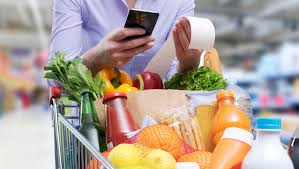
The list is right there. You can check things off as you go. No more crumpled paper lists.
No more forgetting a key item. It makes the actual shopping trip much smoother. And less prone to impulse buys.
Digital Tools for Your List
Think of your phone as your shopping assistant. Many apps do more than just list items. They can categorize your list by aisle.
This helps you move through the store faster. Some apps can even suggest recipes based on what’s in your cart. Or tell you if an item is on sale.
It’s like having a personal shopper in your pocket. But without the extra cost!
When you’re planning your meals, jot down ingredients as you go. Don’t wait until the end of the week. This makes the list building process feel less overwhelming.
If you’re using a recipe app, many will automatically add ingredients to your list. This is pure magic for busy cooks. It reduces the chance of error.
And makes the whole process much more enjoyable. It turns a chore into a simple task.
Smart List Features to Look For
Shared Lists: For families or roommates.
Aisle Sorting: Helps you navigate the store quickly.
Recipe Integration: Adds ingredients directly from recipes.
Past Purchases: Easily reorder common items.
Sale Notifications: Alerts you to discounts.
Online Grocery Shopping Options
This is a game-changer for many people. Online grocery shopping is more than just a trend. It’s a powerful tool for automation.
You can order everything you need from your computer or phone. You don’t even have to leave your house. Most major grocery chains offer this service.
You browse their website or app. You add items to your virtual cart. Then you choose a delivery time or a pickup slot.
The benefits are huge. First, time savings. No driving, parking, or walking aisles.
Second, budget control. You see your total as you shop. It’s harder to make impulse buys.
You can compare prices easily. Third, convenience. Get groceries delivered right to your door.
Or pick them up at your convenience. This is especially helpful for busy parents, people with mobility issues, or anyone who dislikes grocery shopping.
Delivery vs. Pickup Services
Both delivery and pickup services offer similar benefits. Delivery brings the groceries to your home. This is ideal if you’re home during delivery hours.
Or if you can’t easily get to the store. Pickup services (also called click-and-collect) let you order online. Then you drive to the store.
They bring your order out to your car. This is great if you’re already out and about. Or if you prefer to see your produce yourself.
Some services charge a fee. Others have subscription models. Compare the costs and convenience for your situation.
When using these services, accuracy is key. Double-check your order before submitting. Read product descriptions carefully.
Look for reviews if available. Many services allow you to specify preferences. For example, you can ask for greener bananas.
Or specify a brand for an item. This helps ensure you get what you really want. It takes a little practice to get it just right.
But once you do, it’s incredibly efficient. It frees up so much of your valuable time.
Online Grocery Shopping: How It Works
Browse Online: Use the store’s app or website.
Add to Cart: Select your items like you would in person.
Schedule: Choose delivery to your home or pickup at the store.
Pay Online: Secure payment processing.
Receive Groceries: Your order arrives or is brought to your car.
Meal Kit Services: Another Automation Option
Meal kit services are a fantastic way to automate both planning and shopping. Companies like HelloFresh, Blue Apron, or Home Chef send you pre-portioned ingredients. They also send you recipe cards.
All you have to do is cook. These services take the guesswork out of meals. They offer a variety of recipes each week.
You can choose what you want. They handle the shopping and portioning for you.
This is perfect for people who want to cook more. But lack the time or inspiration to plan and shop. It’s also great for learning new recipes.
You get to try different cuisines. And develop your cooking skills. The ingredients are fresh.
The portions are just right. This reduces waste. You’re not buying a whole bunch of cilantro for one recipe.
You get exactly what you need. It’s a higher cost per meal than cooking from scratch. But it saves immense amounts of time and mental energy.
Is a Meal Kit Service Right for You?
Meal kits are a great option if you:
Want to cook more but are short on time. Struggle with meal planning and grocery shopping. Enjoy trying new recipes and cuisines.
Want to reduce food waste. * Are willing to pay a premium for convenience.
They might not be the best fit if:
You have very strict dietary needs that are hard to accommodate. You’re on a very tight food budget. You enjoy the process of grocery shopping and meal planning.
You have a lot of specific pantry staples you like to use.
Many services offer introductory discounts. It’s worth trying one out for a week or two. See if it fits your lifestyle and taste preferences.
It can be a wonderful way to bring ease and variety to your dinner table.
Meal Kit Pros and Cons
Pros:
- Convenient: No planning or shopping needed.
- Reduces Food Waste: Pre-portioned ingredients.
- Variety: Try new recipes and cuisines.
- Skill Building: Learn new cooking techniques.
Cons:
- Cost: More expensive than buying groceries yourself.
- Packaging: Can generate a lot of packaging waste.
- Limited Customization: May not suit all diets.
Smart Pantry Management
Even with automated shopping, a well-managed pantry is crucial. This means knowing what you have. And knowing when you’re running low.
A smart pantry makes meal prep easier. And prevents you from buying things you already own. It’s about creating an inventory of your food.
One simple method is the FIFO system. FIFO stands for First-In, First-Out. When you buy new items, you place them behind the older ones.
This ensures you use older items first. This helps prevent spoilage. Another approach is to keep a running inventory.
You can use a notebook, a spreadsheet, or a pantry app. When you use something up, cross it off. When you buy new items, add them to the list.
This gives you a clear picture of your stock.
Tips for a Tidy and Smart Pantry
Organize by Category: Group similar items together. Canned goods, pasta, baking supplies. This makes it easy to see what you have.
Use Clear Containers: Store dry goods like flour, sugar, and pasta in clear, airtight containers. You can see what’s inside. And they keep food fresh.
Label Everything: Put labels on containers. Include the item name and purchase date. This helps with tracking and FIFO.
Regular Check-ins: Spend a few minutes each week looking through your pantry. Check expiration dates. Make a note of anything you’re running low on.
Designate a “Use First” Shelf: Put items that are close to expiring or need to be used soon on a dedicated shelf. This reminds you to incorporate them into meals.
A well-organized pantry is like a secret weapon for efficient cooking. It makes finding ingredients a breeze. And it helps you avoid buying duplicates.
It’s a small step that has a big impact on your workflow.
Pantry Organization Quick Wins
Clear Containers: See what you have at a glance.
Categorize Shelves: Baking, grains, cans, snacks.
Label with Dates: Know when you bought it.
“Use First” Spot: Eat older items before they spoil.
Regular Tidy-Up: A quick scan prevents waste.
Prepping Ingredients in Advance
Automation doesn’t just stop at buying. It extends to preparing. Once your groceries are home, take a little time to prep.
This is often called “batch cooking” or “meal prep.” It involves doing some of the cooking and chopping ahead of time. So that weeknight meals are faster.
For example, you can wash and chop all your vegetables. Store them in airtight containers in the fridge. You can cook a batch of rice or quinoa.
Make a large pot of chili or soup. Roast a chicken or bake some chicken breasts. Hard-boil eggs for snacks or salads.
Portion out smoothie ingredients into bags and freeze them.
The Benefits of Prep Work
Doing some prep work saves you so much time during the week. Imagine coming home to pre-chopped onions and peppers. Or cooked chicken ready to be added to a salad or pasta.
It turns a 45-minute cooking process into a 15-minute one. This is especially helpful on busy weeknights. When you’re tired and just want dinner on the table quickly.
It also makes healthy eating easier. When healthy ingredients are prepped and ready, you’re less likely to reach for less healthy options. You’ve already done the hard part.
Cooking becomes less of a chore and more of a simple assembly. It’s a small investment of time upfront that yields significant returns throughout your week. It makes your automated grocery shopping efforts even more effective.
Prep Steps You Can Do Now
Wash & Chop Veggies: Store in airtight containers.
Cook Grains: Rice, quinoa, pasta – ready to go.
Pre-cook Proteins: Chicken breasts, ground meat, hard-boiled eggs.
Make Sauces/Dressings: Homemade is often healthier and tastier.
Portion Snacks: Yogurt, fruit, nuts for easy grab-and-go.
Integrating with Smart Home Devices
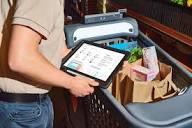
For those who embrace smart home technology, there are even more ways to automate. Smart refrigerators can track inventory. Some can even suggest recipes based on what you have.
Smart speakers like Alexa or Google Assistant can help manage your grocery list. You can say, “Alexa, add milk to my shopping list.” Or, “Hey Google, what’s on my grocery list?”
Some smart ovens can guide you through recipes. Or even preheat to the right temperature. While these are more advanced options, they show the potential for full automation.
Imagine a kitchen that works with you. Your fridge tells you when you’re low on eggs. Your speaker reminds you about your planned meal for the night.
Your oven is ready when you are. This level of integration can free up mental space.
Voice Commands for Efficiency
Voice assistants are incredibly useful for grocery lists. You’re cooking and realize you’re out of garlic. Instead of stopping to write it down, you just say, “Hey Google, add garlic to the grocery list.” It’s captured instantly.
Many apps integrate with these assistants. So your list stays synced across all your devices.
You can also use voice assistants for recipe help. “Alexa, how much flour do I need for pancakes?” Or, “Hey Google, set a timer for 15 minutes.” These small tasks, when automated through voice, reduce interruptions. And keep your hands free for cooking.
It’s about making technology work for you, in the background, to simplify your life.
Smart Kitchen Helpers
Smart Refrigerator: Tracks inventory, suggests recipes.
Voice Assistants (Alexa/Google): Add to lists, set timers, ask questions.
Smart Ovens: Guided cooking, precise temperature control.
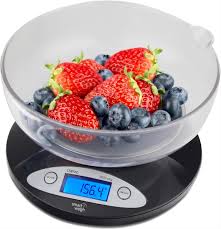
Smart Scales: Automatically log ingredients for recipes.
When is it Normal, and When to Worry?
It’s normal to sometimes forget an item. Or to have a meal plan that needs adjusting. Life happens!
The goal of automation is to reduce these occurrences. Not to eliminate them entirely. If you find yourself frequently running out of staples.
Or if your meal plan feels like a constant source of stress. Then it’s time to re-evaluate your system.
If you’re consistently overspending on groceries. Or throwing away a lot of food. These are signs your system isn’t working as efficiently as it could.
Don’t worry too much. These are opportunities to improve. Look at where the breakdown is happening.
Is it meal planning? Is it your shopping list? Or is it how you store your food?
Simple Checks for Your System
Grocery Bill: Is it higher than you expected? Are you buying too many convenience items?
Food Waste: Are you throwing away produce or leftovers often?
Stress Levels: Does thinking about dinner or shopping make you anxious?
Time Spent: How much time do you spend each week on food-related tasks?
If any of these raise a red flag, revisit the earlier sections. Maybe you need a simpler meal plan. Or a more reliable list app.
Perhaps your pantry needs a better organization system. The beauty of these automated systems is that they are flexible. You can tweak them to fit your changing needs.
Quick Tips for Smarter Shopping
Stick to Your List: This is the golden rule. It’s designed to save you money and time.
Shop When Not Hungry: Hunger leads to impulse buys. Eat before you shop, or after ordering online.
Check Unit Prices: The biggest package isn’t always the cheapest. Look at the price per ounce or pound.
Buy Store Brands: Often, store brands are just as good as name brands. And much cheaper.
Use Coupons and Loyalty Programs: If you shop in person, take advantage of these savings.
Don’t Shop When Rushed: If you’re short on time, opt for online ordering or a quick pickup. A rushed shop leads to forgotten items and impulse buys.
Frequently Asked Questions
How often should I meal plan?
Most people find planning once a week works best. This aligns with grocery shopping cycles. You can also do a bi-weekly or monthly plan if you prefer.
Some people plan specific days. Like planning dinners for Monday to Friday.
What if I don’t have time to prep ingredients?
Start small! Even washing produce or chopping one or two items can make a difference. If time is very limited, focus on online grocery ordering or meal kits.
Prioritize what gives you the biggest time savings.
Are meal kit services worth the cost?
For many, the convenience and time savings are absolutely worth it. If you struggle with planning and shopping, a meal kit can be a lifesaver. Consider the cost of takeout or wasted groceries you might avoid.
It’s about finding your personal value.
How do I manage dietary restrictions with meal planning?
Be clear about your needs when planning. Look for recipes that fit your diet. Many recipe websites and meal kit services allow you to filter by dietary needs (e.g., gluten-free, vegetarian).
Keep a list of go-to recipes that fit your restrictions.
What’s the best app for grocery lists?
This depends on your needs. Popular choices include AnyList, OurGroceries, and general note-taking apps like Google Keep. Many grocery store apps also have robust list features.
Try a few to see which interface you like best.
How can I reduce food waste with meal planning?
Plan meals using ingredients you already have. Buy only what you need by sticking to your list. Store food properly to extend its life.
Use leftovers creatively. And implement the FIFO (First-In, First-Out) system for your pantry and fridge.
Conclusion
Automating your grocery shopping and meal planning workflow isn’t about magic. It’s about using smart tools and habits. It’s about making your kitchen life easier.
You can save time, money, and stress. Start with small steps. Find what works for you.
You’ll be surprised how much smoother your weeks can become. Enjoy more time for what matters most.




Leave a Reply