Have you ever felt overwhelmed by the sheer amount of food you need to buy each week? Or maybe you spend hours in the kitchen after a long day, just trying to get dinner on the table? Many of us juggle busy lives.
We want to eat well but find it tough. This guide is for you. We will break down smart grocery shopping and meal prep.
We’ll cover it for everyone, from those just starting to seasoned cooks. You’ll learn how to make it work for your life. Let’s make feeding yourself and your family easier and healthier.
Scaling grocery shopping and meal prep involves smart planning and organization. It helps you save time and money while eating healthier meals. Start with a simple plan, build a grocery list, and prep ingredients in advance.
You can adjust techniques as you become more comfortable.
What is Smart Grocery Shopping and Meal Prep?
Smart grocery shopping is more than just grabbing items. It means buying what you need, when you need it. It also means buying it wisely.
You aim to get the best value. You also want to reduce waste. Meal prep is preparing meals or parts of meals ahead of time.
This makes busy weeknights much simpler. Instead of cooking from scratch every night, you have healthy options ready.
Think of it as a system. The grocery shopping part is about filling your pantry and fridge smartly. The meal prep part is about using those items efficiently.
Together, they create a smooth path to good food. It takes the stress out of feeding yourself. It helps you stick to your health goals too.
Many people find that when they shop and prep well, they eat better naturally.
Why does this matter? Life is busy. We have work, family, and social lives. Finding time to cook healthy meals can feel impossible.
Smart shopping saves you trips to the store. It stops you from buying things you don’t need. Meal prep saves you cooking time each day.
It often means less takeout food. This saves money and is healthier. It means you are in control of what you eat.
In essence, it’s about working smarter, not harder, in the kitchen. It’s about making good food accessible. It’s about giving yourself back precious time.
We will explore how to do this at any skill level. You don’t need to be a gourmet chef. You just need a willingness to try a few simple steps.
My Own Kitchen Chaos: A True Story
I remember a time, not too long ago, when my fridge was a mystery box. I’d go grocery shopping without a list. I’d buy things on impulse.
Then, I’d get home and forget what I had. Produce would wilt in the back. Meat would be past its prime.
By Wednesday, I’d stare into the fridge with dread. My stomach would growl, and my brain would scream, “Order pizza!”
One evening, I was trying to make a quick stir-fry. I pulled out the chicken. It looked a bit gray.
I then realized I had no fresh broccoli. The sad, limp carrots didn’t inspire much joy. I felt a wave of frustration.
I had spent good money on these ingredients. Now, they were going to waste. And I still had to figure out dinner.
It felt like a constant battle. I wanted to eat better, but it felt like too much work. This was a turning point for me.
I knew there had to be a better way.
I started reading about meal planning. I looked into making grocery lists. At first, it felt like another chore.
But the idea of having some things ready was appealing. I decided to try just one small change. I would chop some veggies after shopping.
It took maybe twenty minutes. The next day, when I wanted soup, the onions and peppers were already cut. It was a small win.
But it showed me the power of a little prep.
That small change grew. Soon, I was roasting a batch of chicken. I was washing and chopping greens.
I was making a big pot of quinoa. It wasn’t about cooking every meal from scratch anymore. It was about setting myself up for success.
My fridge started to look organized. My weeknights felt less frantic. I was actually enjoying cooking again, because it was easier.
This is the journey many of us are on.
Beginner’s Grocery Shopping Wins
Plan Ahead: Before you go to the store, think about your meals for the week. Even a rough idea helps.
Make a List: Write down what you need based on your meal ideas. Stick to the list!
Shop the Perimeter: Most fresh foods like fruits, veggies, dairy, and meats are on the outer edges of the store. These are often the healthiest choices.
Avoid Shopping Hungry: When you’re hungry, you’re more likely to buy unhealthy snacks or things you don’t need.
Check Sales: Look at store flyers. Plan meals around items that are on sale.
Scaling Up: From Beginner to Advanced
Starting smart grocery shopping and meal prep is achievable for anyone. The “scaling” part comes in as you get more comfortable. It’s about doing more.
It’s about being more efficient. It’s about building on your early successes. What works for a beginner is a great foundation.
Advanced techniques build upon that foundation.
For beginners, the focus is on making small, manageable changes. You might plan just three dinners. You might chop one type of vegetable.
The goal is to build habits. It’s to see what works for you without feeling overwhelmed. This builds confidence.
It shows you that this approach is possible in your life.
As you move to advanced levels, you might plan every single meal. You might do a “big shop” once a month. You might spend a dedicated few hours on the weekend.
You could batch cook several main dishes. You might portion out lunches for the entire week. The advanced level is about optimizing your time and resources even further.
It’s about fine-tuning the system.
The key is that the principles stay the same. You still need a plan. You still need a list.
You still need to prepare ingredients. The difference is the scale. It’s the volume.
It’s the frequency. It’s how much you do at one time. You can move at your own pace.
There’s no rush to become an “advanced” meal prepper overnight. Enjoy the process of learning and adapting.
The Heart of Smart Shopping: Planning Your Meals
Planning meals is the cornerstone of smart grocery shopping. Without a plan, you’re just wandering through the aisles. You’re guessing what you’ll eat.
This often leads to buying too much, or not enough of the right things. A good meal plan guides your entire shopping trip.
Start by looking at your week. How many nights will you be home for dinner? Do you have social events?
Will you eat out for lunch? Be realistic. If you know Tuesday will be hectic, plan a quick meal or leftovers.
If you have a free Saturday, maybe plan a more involved recipe.
Next, think about what you want to eat. Do you want to try new recipes? Are you sticking to family favorites?
Consider your budget. Are you trying to use up pantry staples? Are certain proteins on sale?
Jot down a few dinner ideas for each night. Don’t forget breakfast, lunch, and snacks. This doesn’t have to be a rigid schedule.
It can be flexible. It’s a guide.
A helpful tip is to group meals by protein or main ingredient. For example, if you plan to cook chicken twice, you’ll know you need to buy enough chicken for both. This also helps reduce waste.
If you buy a large package of chicken, you can use it for two different meals. You’re not buying separate small packs for each meal.
Consider theme nights. “Taco Tuesday” or “Pasta Wednesday” can make planning easier. It gives you a starting point.
You can then fill in the other nights. This makes the process feel less like a chore. It can even be fun.
You’re designing your week’s menu.
When you have your meal ideas, think about the ingredients. What do you already have? Check your pantry, fridge, and freezer.
Make a note of what you need to buy for each meal. This is how you build your grocery list.
Advanced Tip: Create a master list of meals you love and that are easy to prepare. Refer to this list when you’re stuck. It saves mental energy.
You can also categorize meals by effort level. Some days need a “quick 30-minute meal.” Other days might allow for a “slow cooker special.”
Your First Meal Plan: A Simple Start
Monday: Chicken stir-fry (using pre-cut veggies)
Tuesday: Lentil soup (can use canned lentils for speed)
Wednesday: Pasta with marinara sauce and a side salad
Thursday: Leftovers from Monday
Friday: Homemade pizzas (easy way to use up odds and ends)
Building Your Smart Grocery List
Once you have your meal plan, creating a grocery list is the next crucial step. A well-organized list prevents impulse buys. It ensures you don’t forget essentials.
It saves you time in the store. You can get in and out faster.
Go through your meal plan recipe by recipe. For each meal, write down every ingredient you need. Then, cross-reference this with what you already have.
This is where checking your pantry, fridge, and freezer is key. You don’t want to buy something you already own. That’s money wasted and potential waste created.
Organize your list by store sections. Most grocery stores have a similar layout. You’ll have produce, dairy, meat, frozen foods, pantry staples, etc.
Grouping items this way means you can shop more efficiently. You won’t have to backtrack. This saves time and reduces the temptation to browse aisles you don’t need to visit.
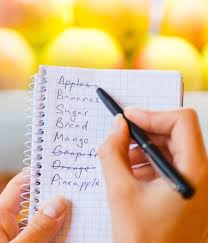
For example, your list might look like this:
- Produce: Onions, bell peppers, broccoli, spinach, bananas, apples
- Meat/Poultry: Chicken breasts (2 lbs), ground beef (1 lb)
- Dairy: Milk, yogurt, cheese
- Pantry: Pasta, marinara sauce, lentils, olive oil, rice
- Frozen: Frozen corn, frozen peas
Be specific. Instead of “vegetables,” write “2 yellow onions, 1 red bell pepper, 1 head of broccoli.” This avoids confusion. It ensures you buy the right amount.
Beginner Tip: Stick to your list strictly for the first few weeks. Resist the urge to grab that tempting treat. The more you practice, the easier it becomes.
You’ll train yourself to buy only what’s on the list.
Advanced Tip: Use a digital grocery list app. Many sync across devices. You can add items as you notice you’re running low.
Some apps even allow you to share lists with family members. You can also check store inventory or prices online before you go. This helps you find the best deals.
Grocery List Organization: Store Sections
Produce: Fruits, vegetables, herbs
Meat & Poultry: Chicken, beef, pork, lamb
Seafood: Fish, shrimp, other ocean fare
Dairy & Refrigerated: Milk, cheese, eggs, yogurt, butter, tofu
Bakery: Bread, pastries, tortillas
Pantry/Dry Goods: Pasta, rice, beans, canned goods, oils, spices, baking supplies
Frozen Foods: Vegetables, fruits, meals, ice cream
Beverages: Water, juice, soda, coffee, tea
The Art of Meal Prep: Saving Time and Energy
Meal prep is where the magic happens. It’s about transforming your planned ingredients into ready-to-eat meals or components. This can seem daunting, but it doesn’t have to be.
You can start small and build up.
What is Meal Prep? It’s preparing food in advance. This can be full meals, or just parts of meals. For example, you might cook a large batch of rice.
You might chop all your onions for the week. You might assemble grab-and-go salads for lunches. The goal is to have healthy food ready when you need it.
Why Do It? The primary benefits are saving time and reducing stress. On a busy weeknight, instead of facing a mountain of cooking, you can simply heat and eat. It also helps with healthy eating.
When healthy food is readily available, you’re less likely to opt for less healthy convenience foods or takeout. It also helps reduce food waste. You’re more likely to use ingredients before they spoil.
Beginner Meal Prep: Focus on Components
If you’re new to meal prep, don’t try to cook every single meal for the week on Sunday. That can be overwhelming. Instead, focus on prepping components.
This is often called “prep work” or “ingredient prep.”
- Wash and Chop Veggies: Wash and chop onions, peppers, carrots, celery, etc. Store them in airtight containers in the fridge.
- Cook Grains: Make a big batch of rice, quinoa, or pasta. These are staples for many meals.
- Roast Vegetables: Roast a big tray of vegetables like broccoli, sweet potatoes, or Brussels sprouts.
- Cook Proteins: Grill or bake chicken breasts or thighs. Cook ground meat. Hard-boil eggs.
- Wash Greens: Wash and dry lettuce and other salad greens. Store them properly so they stay fresh.
With these components prepped, you can quickly assemble meals during the week. A quick lunch might be a salad with pre-chopped veggies and hard-boiled eggs. Dinner could be pre-cooked chicken served with roasted vegetables and rice.
Advanced Meal Prep: Full Meal Assembly
As you get more comfortable, you can move towards preparing full meals. This often involves cooking larger batches and portioning them into individual containers.
- Batch Cooking: Make large quantities of soups, stews, chilis, or casseroles. These reheat well.
- Portioning Meals: Divide cooked meals into individual servings. Use microwave-safe containers. This is ideal for lunches or quick dinners.
- Breakfast Prep: Prepare overnight oats, breakfast burritos, or muffins for grab-and-go breakfasts.
- Snack Prep: Portion out fruits, nuts, or yogurt into snack bags or containers.
This level of prep requires more time upfront, usually on a weekend. But it pays off in spades during the week. You truly have ready-to-eat meals for almost every occasion.
It requires good organization and reliable storage solutions.
Meal Prep Container Essentials
Airtight Glass Containers: Great for storing prepped ingredients and full meals. They are durable and don’t retain odors.
BPA-Free Plastic Containers: Lighter and often more affordable. Ensure they are microwave and dishwasher safe.
Mason Jars: Perfect for overnight oats, salads (layered), and individual servings of soup.
Silicone Bags: Reusable and great for snacks, marinating meats, or freezing portions.
Insulated Lunch Bags: For transporting your prepped meals to work or school.
Real-World Scenarios: Putting It Into Practice
Let’s look at how smart shopping and meal prep play out in different situations. These are common scenarios many of us face. Seeing how the principles apply can make it clearer how to adapt them for yourself.
Scenario 1: The Busy Working Parent
Meet Sarah. She has two young children and a demanding job. Weeknights are a rush.
She wants to feed her family healthy meals but often resorts to quick, less healthy options. Her fridge is usually full of random ingredients she bought with good intentions.
How Smart Prep Helps: Sarah starts by planning just four dinners for the week. On Sunday, she spends one hour. She washes and chops all the vegetables for those four meals.
She bakes a large batch of chicken breasts. She also cooks a big pot of rice. Her grocery list is specific and organized by store section.
This saves her from impulse buys.
During the week, assembling meals is fast. Monday, she makes chicken and rice with pre-chopped veggies. Tuesday, she uses leftover chicken in a quick quesadilla.
Wednesday, she makes a simple pasta dish with pre-chopped onions and peppers. Thursday is leftovers. Friday is often a more relaxed meal, but she still has components ready if needed.
She feels less stressed. Her family eats better.
Scenario 2: The Solo Professional on a Budget
Mark lives alone. He struggles with buying too much food. He often ends up throwing away produce.
He wants to save money and eat healthier, but cooking for one can feel like a lot of effort.
How Smart Prep Helps: Mark’s focus is on minimizing waste and maximizing value. He plans meals that can be easily stretched or frozen. He buys ingredients that have multiple uses.
For example, a bag of spinach can go into salads, smoothies, and stir-fries.
He shops once a week with a very strict list. He buys proteins that freeze well, like chicken thighs or fish fillets. He cooks a big batch of something like chili or lentil soup.
He portion it into three or four containers. The rest he freezes for later weeks. He also preps some lunches.
This could be a big batch of roasted vegetables and a grain like quinoa. He can then add a protein source each day.
His grocery bill goes down because he buys only what he needs. His food waste reduces significantly. He has healthy meals ready to go, saving him money on eating out.
He feels more in control of his diet and his finances.
Scenario 3: The Health-Conscious Couple
Emily and David are active and focused on nutrition. They want to eat clean, whole foods. They find themselves spending a lot of time cooking complex meals from scratch every night.
They are looking for ways to streamline their process without sacrificing quality.
How Smart Prep Helps: They approach meal prep as a partnership. On Saturday mornings, they dedicate two to three hours. They tackle the shopping together, with a detailed list based on their weekly nutrition goals.
Then, they divide and conquer. One might focus on prepping proteins and cooking grains. The other focuses on washing, chopping, and roasting a variety of vegetables.
They often prepare larger batches of base meals that can be customized. For example, a big pot of chicken or lentil stew can be eaten as is, or served over rice, or with a side salad. They assemble several grab-and-go smoothie packs for busy mornings.
They also prep healthy snacks like trail mix or energy balls.
This allows them to have nutritious, home-cooked meals ready. It frees up their evenings for other activities. They can still enjoy cooking, but the intense prep work is done.
They feel confident they are meeting their nutritional needs. They are also saving time and reducing decision fatigue.
Real-World Meal Prep Ideas
Mason Jar Salads: Layer dressing, hard vegetables, grains, protein, and greens. They stay fresh for days.
Sheet Pan Dinners: Toss protein and veggies with oil and seasoning. Roast on one pan for easy cleanup.
Stir-Fry Kits: Pre-chop all your stir-fry veggies. Store them with your protein. Sauce can be made ahead.
Overnight Oats: Mix oats, milk (or non-dairy alternative), and toppings. Refrigerate overnight for a quick breakfast.
Breakfast Burritos: Make a batch, wrap them individually, and freeze. Great for busy mornings.
Making the Most of Your Groceries: Reducing Waste
One of the biggest benefits of smart grocery shopping and meal prep is reducing food waste. When you plan your meals and buy only what you need, less food ends up in the trash. This is good for your wallet and the planet.
Buy What You Need: This sounds obvious, but it’s the first step. A strict, organized grocery list prevents overbuying. If you’re cooking for one or two, don’t buy family-sized packages of items you’ll only use once.
Use Everything: Get creative with leftovers and scraps. Broccoli stems can be peeled and sliced for stir-fries or slaw. Vegetable scraps (onion peels, carrot tops, celery ends) can be saved in the freezer for making homemade vegetable broth.
Herb stems can add flavor to stocks or sauces.
Proper Storage: How you store your food makes a big difference. Store fruits and vegetables correctly. Some need to be refrigerated, others on the counter.
Use airtight containers for prepped ingredients and leftovers. This keeps them fresh longer.
FIFO Method: This stands for “First In, First Out.” When you bring new groceries home, move older items to the front. Use them up first. This applies to your fridge and pantry.
Freezer Power: The freezer is your best friend for reducing waste. If you know you won’t get to an ingredient in time, freeze it. This includes bread, cooked grains, leftover herbs (chopped and frozen in ice cube trays with water or oil), and portions of meals.
Know Your “Use By” Dates: Understand the difference between “best by,” “sell by,” and “use by” dates. Many foods are still safe to eat after their “best by” date. Use your senses (smell, sight) to judge food safety.
Advanced Waste Reduction: Consider buying in bulk only when you know you can use it all. If buying bulk produce, plan meals around it for the week. Learn preservation techniques like pickling or dehydrating if you have a lot of a particular item that might spoil.
Smart Storage Tips
Leafy Greens: Wash, dry thoroughly, and store in a container lined with paper towels. This absorbs excess moisture.
Herbs: Treat them like flowers. Trim the ends and place in a jar of water. Cover loosely with a plastic bag.
Berries: Do not wash until you are ready to eat them. Store them in their original container or a breathable one.
Onions & Garlic: Store in a cool, dry, dark place. Do not store them near potatoes, as they can cause each other to spoil faster.
Tomatoes: Store at room temperature, not in the refrigerator, to preserve their flavor and texture.
What This Means for You: Normal vs. Concerning Signs
Understanding when your meal prep and shopping habits are working well, and when they might be a sign of a larger issue, is important. Most of the time, these are positive habits. But sometimes, they can indicate underlying stress or a need for adjustment.
When It’s Normal and Good:
- Feeling in Control: You know what you’re eating. You have healthy options available.
- Saving Time: Your weeknights are less rushed. You spend less time deciding and cooking daily.
- Saving Money: Your grocery bill is lower. You rely less on expensive takeout.
- Reduced Stress: The mental load of “what’s for dinner?” is significantly lighter.
- Eating Healthier: You’re consuming more whole foods and fewer processed options.
- Less Food Waste: You’re throwing away less food, which feels responsible.
- Enjoying Cooking: It can become a relaxing, creative activity rather than a chore.
When to Pay Attention (Signs of Potential Issues):
- Overwhelm and Burnout: If meal prep feels like a huge burden that causes stress, you might be doing too much. The goal is to reduce stress, not add to it.
- Lack of Variety: Eating the same few meals every single week can lead to boredom and nutrient deficiencies.
- Rigidity and Perfectionism: If you feel like a failure because you didn’t stick to the plan exactly, it’s time to loosen up. Life happens.
- Not Enjoying Food: If the focus on prep takes away the pleasure of eating, reassess your approach.
- Food Safety Concerns: If you’re consistently unsure about the safety of your prepped food, revisit proper food handling and storage.
- Cost Overload: If your investment in containers and high-quality ingredients is straining your budget, find simpler, more cost-effective solutions.
Simple Checks:
Ask Yourself: How do I feel on Monday when I look at my prepped food? Excited? Drained?
How do I feel on Thursday evening? Relieved? Or still stressed?
Look at Your Fridge: Is it organized and inviting, or chaotic and full of forgotten items?
Review Your Schedule: Does your meal prep fit realistically into your life, or does it feel like another impossible task?
If you’re experiencing more of the “concerning” signs, it’s okay! It just means you need to adjust your strategy. Perhaps scale back your prep.
Focus on just one or two days a week. Or try simpler recipes. The goal is a sustainable system that serves you.
Quick Fixes & Tips for Success
Here are some easy tips to make your smart grocery shopping and meal prep journey smoother. These are small changes that can make a big difference.
- Invest in Good Containers: They don’t have to be fancy. But having a good set of airtight containers is crucial for keeping food fresh.
- Read Recipes Before Shopping: Always read through a recipe before you head to the store. This helps you catch any missing ingredients or steps you might have overlooked.
- Double Recipes When Possible: If you’re making something that freezes well, like soup or chili, double the recipe. Eat one now and freeze the other half for a future busy day.
- Keep a “Pantry Staples” List: Have a running list of things you always like to have on hand, like rice, pasta, canned tomatoes, onions, and garlic.
- Utilize Your Freezer: Don’t be afraid to freeze prepped ingredients or full meals. It’s a lifesaver for busy weeks.
- Prep in Batches: If you’re already chopping onions, chop a few extra for another meal later in the week.
- Don’t Aim for Perfection: Life is messy. Some weeks will be more organized than others. That’s okay. Do your best and keep going.
- Involve the Family: If you have kids or a partner, get them involved in planning and prepping. It makes it a team effort and teaches them valuable skills.
- Theme Nights are Your Friend: “Taco Tuesday” or “Soup Sunday” can simplify planning and make it more fun.
- Embrace Simple Meals: Not every meal needs to be gourmet. A perfectly cooked piece of fish with a side of prepped steamed vegetables and rice is a fantastic, healthy meal.
Beginner-Friendly Prep Tasks
Wash and Chop Base Veggies: Onions, celery, carrots, bell peppers.
Cook a Batch of Grains: Rice, quinoa, or couscous.
Hard-Boil Eggs: Great for snacks and salads.
Wash and Portion Fruit: Grapes, berries, melon chunks.
Pre-portion Snacks: Nuts, crackers, cheese sticks.
Frequently Asked Questions
How often should I go grocery shopping?
This depends on your lifestyle and how much food you buy. Many people find success shopping once a week. Some prefer to do a large shop every two weeks and a smaller top-up shop in between.
If you’re just starting, weekly shopping is usually easiest. It helps you get into a routine and minimizes food spoilage.
I hate cooking. Can meal prep still help me?
Absolutely! Meal prep is designed to reduce the amount of cooking you do during the week. You can focus on prepping components like pre-chopped vegetables, cooked grains, and roasted proteins.
Then, during the week, you can do minimal assembly or reheating. It’s about making healthy eating accessible even if you don’t love to cook.
How much time does meal prep actually take?
The time commitment varies. For beginners, focusing on component prep might take 30-60 minutes. For those doing full meal assembly for a week, it could be 2-4 hours on a weekend day.
The key is that this upfront time saves you much more time during the busy weeknights. It’s an investment.
What are the best containers for meal prepping?
Good quality, airtight containers are essential. Glass containers are durable, oven-safe, and don’t stain or absorb odors. BPA-free plastic containers are lighter and often more affordable.
Mason jars are great for individual servings like salads or overnight oats. Reusable silicone bags are also useful for smaller portions or freezing.
Is it safe to eat prepped food after a few days?
Yes, if done correctly. Always use fresh ingredients. Store prepped food in airtight containers in the refrigerator.
Most prepped meals are good for 3-4 days. For longer storage, freezing is best. Always use your senses to check for spoilage before eating.
If in doubt, throw it out. Proper food handling is key.
What if I don’t have much time on the weekend for prep?
You can scale back your meal prep. Focus on just a few key tasks. For example, chop your vegetables for the week.
Or cook a large batch of chicken or grains. You can also do “mini-preps” on weeknights. Even 15-20 minutes after grocery shopping can make a difference.
Or, try prepping ingredients for just two or three meals instead of the whole week.
How do I prevent meal prep from becoming boring?
Vary your recipes and ingredients! Use different spices and herbs. Try different cooking methods.
Explore cuisines. Also, think about how you can use your prepped components in different ways. For example, grilled chicken can go into salads, wraps, or over a bed of greens.
Conclusion: Your Journey to Easier, Healthier Meals
Smart grocery shopping and meal prep are powerful tools. They can transform your relationship with food. They save you time, money, and stress.
They help you eat healthier. Remember, this is a journey. Start small.
Find what works for your life and your budget. Be patient with yourself. Every step you take towards more organized shopping and prep is a win.
You’ve got this!
},
},
},
},
},
},
}
]
}