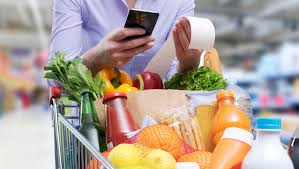
Smart grocery shopping means planning meals, sticking to a list, and smartly using sales and coupons. It focuses on buying what you need and can use, reducing waste, and choosing cost-effective options without sacrificing nutrition. This approach helps you manage your monthly food budget effectively.
Understanding Your Grocery Spending Habits
First, let’s get real about where your money goes. Many folks just grab what they need. Or they just wander the aisles.
Then they are surprised by the total at checkout. This is a common trap. We don’t always see the small things that add up fast.
Like those impulse buys near the register. Or the fancy brand name we don’t really need.
Think about your last few grocery trips. What did you buy? Were these planned items?
Or were they spontaneous choices? Keeping track is key. You can use a notebook.
Or a simple app on your phone. Note down what you buy. Also, note how much it costs.
This helps you see patterns. You might find you buy a lot of snacks. Or maybe pre-made meals.
These are often more costly.
Understanding your habits is step one. It’s like a doctor checking your health. You need to know the starting point.
This information helps you make real changes. It’s not about judging yourself. It’s about getting smart data.
Data that helps you save money. Data that helps you shop better next time. Most people miss this crucial first step.
They jump straight to tips without knowing their own spending style.
Your Grocery Snapshot
Track for One Week:
- List everything you buy.
- Note the price of each item.
- Add up the total cost for the week.
- What surprised you the most?
This simple exercise can be eye-opening. You might see where you can cut back. Or where you might be overspending.
It’s the foundation for smarter choices. Without this view, your efforts might miss the mark. You’d be guessing instead of knowing.
Meal Planning: Your Monthly Savings Blueprint
Meal planning is a game-changer. It’s not just about what you’ll eat. It’s about what you’ll buy.
When you plan your meals, you know exactly what ingredients you need. This stops you from buying things you won’t use. Food waste is a huge money drain.
We often buy too much. Then some of it goes bad before we can eat it.
Start small. Plan your dinners for the week. Then, look at your schedule.
Do you have busy nights? Plan quick meals then. Have more time on weekends?
Try a recipe that takes longer. Think about what you and your family like. Don’t plan meals no one will eat.
This defeats the purpose.
Once you have your meals planned, make a grocery list. Be very specific. If a recipe calls for one onion, put “1 onion” on your list.
Not just “onions.” This prevents buying a whole bag when you only need one. Stick to this list like glue when you’re at the store. This is where most people falter.
The siren call of the snack aisle is strong!
Planning also helps you use ingredients wisely. If you buy a big bunch of carrots for one meal, plan another meal that uses carrots too. Maybe carrot sticks for lunch.
Or grated carrots in a salad. This uses up what you buy. It makes your money work harder.
It’s a simple system that pays off big time. My sister, Sarah, started this. She said it cut her grocery bill by almost 20% in the first month.
She used to dread grocery shopping. Now, she plans and feels in control.
Meal Planning Quick Tips
Start Simple: Plan 3-5 dinners for the week.
Check Your Pantry: See what you already have.
Make a List: Be specific with quantities.
Stick to the List: Resist impulse buys.
Use Leftovers: Plan for them!
This process takes a little time. But the savings are worth it. It gives you a clear path.
It stops random spending. It makes your entire grocery trip much more efficient.
Smart Shopping Strategies for Maximum Savings
Now, let’s talk about smart shopping inside the store. This is where you can really make a difference. It’s about being strategic.
It’s not about buying the cheapest version of everything. It’s about getting the best value.
Leverage Sales and Flyers: Before you even make your list, check the weekly flyers. See what’s on sale. Plan some of your meals around these sale items.
If chicken breasts are on a great deal, plan chicken for a couple of meals. This takes some effort. But it can save you a lot of cash.
Most stores have their flyers online now. You can check them from your couch.
Coupons and Loyalty Programs: Don’t forget coupons. Many stores offer digital coupons through their app. Loyalty programs are also your friend.
They can give you special discounts. Or earn you points towards future savings. Sign up for the ones that make sense for the stores you visit most often.
I used to think coupons were for a certain type of shopper. But I found they can add up to real money. Especially on bigger ticket items like diapers or cleaning supplies.
If you are buying them anyway, why not save?
Compare Prices: Don’t assume one store is always cheaper. Prices can vary a lot. Especially for produce and pantry staples.
If you have a few grocery stores nearby, it’s worth doing a quick price check. Even just for your most common items. Many apps can help with this.
Or you can just jot down prices as you shop. You might find that one store has better prices on meat. Another might have better deals on dairy.
Buy in Bulk (Wisely): Buying in bulk can save money. But only if you will actually use it all. Think about things like rice, pasta, oats, or canned goods.
If you eat these items regularly, buying a larger size can be cheaper per unit. Just make sure you have a place to store it. And that it won’t go bad before you finish it.
I learned this the hard way with a giant bag of flour. Half of it went stale because I didn’t bake enough. Now I’m much more careful.
Consider Store Brands: Store brands are often much cheaper than name brands. Many are just as good, if not better. They have to meet the same quality standards.
The main difference is the packaging and the marketing. Try a store brand for items you use often. You might be pleasantly surprised.
It’s a simple swap that can add up over time. I switched to store brand coffee creamers. Saved about $1.50 per container.
That’s nearly $20 a year just on creamer!
Savvy Shopping Checklist
Before You Go:
- Check weekly sales flyers.
- Load digital coupons.
- Review your meal plan and list.
In the Store:
- Stick to your list.
- Compare unit prices (price per ounce/pound).
- Consider store brands.
- Only buy bulk items you use frequently.
These strategies work best when you use them together. A combination of planning and smart in-store tactics gives you the most power. It’s about making informed choices every step of the way.
It’s not about deprivation. It’s about being efficient.
Reducing Food Waste to Save More Money
This one is huge. Food waste is literally throwing money away. It happens at every stage.
From buying too much to not storing food properly. Or forgetting about leftovers in the back of the fridge. When you reduce waste, you automatically save money.
You get more value from what you buy.
Proper Storage: Learn how to store different foods. Fruits and vegetables often need specific conditions. Some things do better in the fridge, others on the counter.
For example, onions and potatoes should be kept in a cool, dark, dry place. Not in the fridge. Berries last longer if you don’t wash them until you’re ready to eat them.
Taking a few minutes to learn this can extend the life of your produce. It means less spoilage.
Love Your Leftovers: Don’t let leftovers become science experiments. Plan to eat them! Designate one night a week as “leftover night.” Or pack them for lunch the next day.
Get creative. You can often transform leftovers into new meals. Chicken from Sunday dinner can be the base for chicken salad sandwiches on Monday.
Roasted vegetables can be added to omelets or stir-fries. Make it a habit. It’s a major money saver.
Understand Date Labels: “Best by” dates are about quality, not safety. “Use by” dates are more about safety. Most foods are perfectly fine to eat after the “best by” date.
Use your senses. Look, smell, and taste. If it seems okay, it probably is.
Over-reliance on these dates leads to unnecessary discarding of good food. This is a common reason for waste in American homes. It’s a mental hurdle many need to overcome.
Use It Up First: When you bring home new groceries, put older items at the front of the fridge or pantry. This way, you’ll see them and use them before they go bad. This is called FIFO – First In, First Out.
It’s a simple rotation system. It ensures that older items get eaten first. This is especially important for items with shorter shelf lives.
Waste Not, Want Not: Your Action Plan
Storage Smarts:
- Store onions and potatoes separately from other produce.
- Keep berries dry until ready to use.
Leftover Power:
- Designate a “leftover night” each week.
- Transform leftovers into new dishes.
Date Label Wisdom:
- Trust your senses (look, smell, taste).
- “Best by” is about quality, not safety.
Rotation is Key:
- Use the FIFO method (First In, First Out).
- Put older items at the front.
Reducing food waste isn’t just good for your wallet. It’s also good for the planet. Less waste means less going to landfills.
It’s a win-win situation. Many people are surprised how much they save when they focus on this aspect.
Building a Versatile Pantry and Freezer
A well-stocked pantry and freezer can be your secret weapons for saving money and eating well. They allow you to take advantage of sales. They also help you make quick meals when you’re short on time.
It’s about having staples on hand.
Pantry Staples: Think about non-perishable items that form the base of many meals. Things like pasta, rice, beans (dried or canned), oats, flour, sugar, and canned tomatoes. These are usually affordable.
They can last a long time. They are also very versatile. You can make a simple pasta dish.
Or a hearty bean soup. Or use rice as a side for almost anything.
Freezer Finds: The freezer is amazing for extending the life of food. You can freeze meat when it’s on sale. You can freeze fruits and vegetables when they are in season and cheap.
Think about buying larger cuts of meat when they are discounted. Then portioning them out to freeze. This way, you always have protein ready.
Frozen fruits are great for smoothies. Frozen vegetables can be added to soups or stews.
The “Buy Ahead” Mentality: When you see a staple item you use all the time at a really good price, buy a little extra. If you have the storage space, this can save you money in the long run. You are essentially buying at a discount.
Then you have it when you need it. Just be sure you have a plan to use it. Don’t just buy it to have it.
Batch Cooking: This goes hand-in-hand with a good freezer. Cook larger batches of things like chili, soups, stews, or sauces. Then portion them out into freezer-safe containers.
This is a lifesaver on busy weeknights. You can pull a healthy, homemade meal from the freezer. It’s much cheaper than ordering takeout.
It’s also often healthier. I found that spending a few hours on a Sunday batch cooking saved me so much stress during the week. And it cut down on impulse takeout orders dramatically.
Your Smart Pantry & Freezer Guide
Essential Pantry Items:
- Pasta, Rice, Beans
- Oats, Flour, Sugar
- Canned Tomatoes, Broth
- Oils, Vinegars, Spices
Smart Freezer Uses:
- Freeze sale meats in portions.
- Stock up on seasonal produce.
- Batch cook meals for easy defrosting.
The “Buy Ahead” Rule:
- Purchase extra of non-perishables on sale.
- Ensure you have storage space and a use plan.
Building these resources takes time. Start by stocking a few key items. Then slowly add more as you find good deals.
A well-equipped pantry and freezer empower you to make smart food choices year-round. They give you flexibility.
When to Splurge and When to Save
It’s not all about cutting back. Smart grocery shopping also means knowing when to spend a little more. And when to stick to the budget.
Not everything is created equal.
Save on Basics: For everyday staples like rice, pasta, beans, and basic produce, stick to budget-friendly options. Store brands are often excellent here. Buying in bulk for these items makes sense if you use them.
Don’t overspend on these items when there are perfectly good, cheaper alternatives.
Splurge on Quality (When It Matters): There are times when paying a bit more is worth it. This might be for certain cuts of meat that are more tender or flavorful. Or for fresh, out-of-season produce that you really love.
It could also be for specialty ingredients that make a dish shine. Or for organic items if that’s a priority for you. The key is to be intentional about these splurges.
Avoid Impulse “Splurges”: The danger zone is the impulse buy. Seeing a fancy cheese or an expensive snack and grabbing it without thought. This is different from a planned splurge.
Be mindful. If you see something you want, take a moment. Ask yourself: Is this planned?
Does it fit my budget? Will I really enjoy it?
Consider Value Over Price: Sometimes the cheapest option isn’t the best value. If a slightly more expensive product lasts longer, tastes better, or is healthier, it might be a better buy overall. For example, a good quality olive oil might cost more, but you use less of it for better flavor.
Or a more expensive cut of meat might be more tender, leading to less waste and a better meal experience.
Special Occasions: It’s okay to spend a little more for holidays or special gatherings. The goal isn’t to eat bland food every day. It’s to be smart and intentional with your spending.
Plan for these events. Build them into your overall budget. This way, you can enjoy them without guilt.
Value vs. Price: A Quick Guide
Usually Save On:
- Pantry staples (rice, beans, pasta).
- Everyday produce.
- Store brand versions of common items.
Consider Splurging On:
- Premium cuts of meat.
- Specialty ingredients for a planned dish.
- Organic options if a priority.
- Items that offer superior flavor or quality when it truly matters.
Always Be Mindful Of:
- Impulse buys.
- Is the higher price justified by better value?
This balance is what makes smart shopping sustainable. It’s about enjoying your food. And feeling good about how you spend your money.
It’s not about extreme restriction. It’s about smart choices.
Making Smart Choices for Health and Budget
Often, the healthiest food choices are also the most budget-friendly. It’s a happy overlap. Focusing on whole foods can be your best friend for both your body and your wallet.
Whole Foods are Key: Think fruits, vegetables, whole grains, lean proteins, and healthy fats. These are the building blocks of a healthy diet. They are also often cheaper than highly processed foods.
For example, a bag of brown rice is far cheaper than a box of sugary cereal. Whole chicken breasts are often more cost-effective than pre-marinated or processed chicken products.
Limit Processed Foods: Pre-packaged snacks, sugary drinks, frozen pizzas, and many convenience meals are loaded with extra salt, sugar, and unhealthy fats. They also tend to be more expensive. They offer fewer nutrients for the money.
Cutting back on these items frees up money in your budget. It also significantly improves your diet.
Cook More at Home: This is perhaps the single biggest way to save money and eat healthier. Restaurant meals, even fast food, cost more per serving. And they often contain more sodium and unhealthy fats.
Cooking at home gives you full control over ingredients. You can use less salt, sugar, and oil. You can pack in more vegetables.
It’s a skill that pays dividends for life.
Seasonal Produce: Eating fruits and vegetables when they are in season is usually cheaper. They are more abundant. They also tend to taste better.
Check what’s in season in your region. Plan meals around those items. For example, in the summer, focus on berries and corn.
In the fall, apples and squash become more affordable.
DIY Healthier Snacks: Instead of buying expensive granola bars or pre-cut fruit cups, make your own. Trail mix with nuts, seeds, and dried fruit is easy and cheap. Yogurt with fresh or frozen fruit is a great snack.
Hard-boiled eggs are a protein powerhouse. These homemade versions are usually healthier and much more economical.
Healthful Choices, Wallet-Friendly Prices
Focus On:
- Fruits and Vegetables (fresh, frozen, or canned without added salt/sugar).
- Whole Grains (brown rice, oats, whole wheat pasta).
- Lean Proteins (beans, lentils, chicken, fish).
Limit These:
- Sugary drinks and sodas.
- Highly processed snacks and baked goods.
- Pre-made meals with long ingredient lists.
Home Cooking Wins:
- Control ingredients and cost.
- Pack in more nutrients.
Seasonal Eating:
- Cheaper and tastier produce.
- Build meals around what’s in season.
It’s amazing how often making healthier choices aligns with saving money. It’s a powerful motivator. It shows that you don’t have to sacrifice your health to be smart with your budget.
In fact, they often go hand-in-hand.
Real-World Scenarios: Putting it All Together
Let’s look at a few common situations to see how these tips play out. Life happens, and we need to adapt.
Scenario 1: The Unexpected Guest. You planned meals for two, but suddenly you have four for dinner. What now? Instead of panicking and ordering expensive takeout, check your pantry and freezer.
Do you have extra pasta? Canned tomatoes? Beans?
You can likely whip up a larger batch of a simple, filling meal. Or if you have frozen chicken, you might be able to cook an extra portion. Having staples on hand makes these surprises much easier to handle without breaking the bank.
Scenario 2: The “Nothing to Eat” Feeling. You open the fridge, and it feels empty. But your pantry is stocked. This is where your pantry staples shine.
A can of beans, some rice, and spices can make a quick and healthy meal. Or pasta with a jarred sauce and some frozen veggies tossed in. It stops the expensive trip to the convenience store for a single-serving meal.
It’s about resourcefulness.
Scenario 3: The Busy Week. You have back-to-back meetings and hardly any time to cook. This is where batch cooking and freezing come in. Pull out a pre-made chili or stew.
Heat it up. Add a side salad. You have a healthy, home-cooked meal in minutes.
It’s far cheaper and healthier than fast food. It requires that initial investment of time, but the payoff is huge during busy periods.
Scenario 4: The Produce Sale. You see apples on sale for a great price. Buy a few extra bags. Plan to make applesauce.
Or bake an apple crisp. Or simply have them for snacks. If you have a freezer, you can even freeze peeled and sliced apples for later use in smoothies or baking.
This turns a good deal into multiple uses and meals.
These situations show that smart shopping isn’t rigid. It’s flexible. It’s about having systems in place.
Systems that allow you to navigate life’s little curveballs. Without blowing your budget. The key is preparation.
Preparation through planning, stocking your pantry, and being ready to use what you have.
Scenario Survival Tips
Unexpected Guests:
- Raid your pantry for staples (pasta, rice, beans).
- Use frozen proteins if available.
- Aim for a simple, filling meal.
Empty Fridge Feeling:
- Your pantry is your friend.
- Combine staples for a quick meal.
- Avoid costly convenience store runs.
Busy Weeknights:
- Rely on batch-cooked and frozen meals.
- Have quick pantry meals ready.
- Think 10-minute assembly meals.
These real-life examples highlight how proactive planning makes a huge difference. It transforms potential budget-busters into manageable situations. It empowers you to feel in control of your food spending.
What This Means for Your Monthly Budget
So, what’s the big picture here? Implementing even a few of these smart shopping and planning strategies can lead to significant savings over time. We’re not talking about tiny amounts either.
For many families, shifting to a more planned, intentional approach can reduce their monthly grocery bill by 15-30%. That’s money that can go towards other important things.
Think about what that extra money could do. Maybe it’s building up an emergency fund. Or paying down debt faster.
Or saving for a vacation or a home improvement project. Or simply having a little more breathing room in your budget each month. The impact is real and tangible.
It’s also about more than just the money. It’s about reducing stress. When you know you have a plan, and you have food in the house, grocery shopping becomes less of a chore and more of a task you can manage.
You feel more in control. You avoid the panic of needing something at the last minute.
The key is consistency. These aren’t one-off tricks. They are habits.
Building these habits takes a little effort at first. But once they become routine, they feel natural. And the rewards keep coming.
You become a smart shopper. You become someone who wins with their monthly groceries. This shift changes your relationship with food and your finances.
Remember that this is a journey. Don’t feel like you have to implement everything at once. Start with meal planning.
Then add smart shopping strategies. Then focus on reducing waste. Each step you take will make a difference.
Your monthly grocery wins will start to add up. It’s empowering to take control of this significant part of your household budget.
Frequently Asked Questions About Smart Grocery Shopping
Is meal planning really worth the time?
Yes, absolutely. While it takes some upfront time to plan meals and make a list, it saves you much more time and money in the long run. You spend less time figuring out what to eat each day, make fewer impulse purchases at the store, and reduce food waste.
How can I stick to my grocery list when I’m in the store?
The best way is to shop when you’re not hungry. Hunger can make even the most disciplined shopper deviate. Also, try to shop quickly and efficiently, focusing only on what’s on your list.
Avoid aisles that tempt you with impulse buys if possible.
Are store brands truly as good as name brands?
In most cases, yes. Store brands are manufactured to meet quality standards, often by the same companies that make name brands. The main difference is usually the packaging and marketing, not the product itself.
It’s worth trying store brands for common items to see if you notice a difference.
How do I start reducing food waste if I don’t know where to begin?
Start by tracking what you throw away for a week. You might be surprised. Then, focus on one or two simple changes.
Like properly storing produce or making an effort to eat leftovers. Small steps can make a big impact over time.
Is it okay to buy organic if I’m on a budget?
It depends on your priorities and budget. Some organic items are priced comparably to conventional ones. For others, the difference can be significant.
Consider focusing on “clean fifteen” produce items (those with less pesticide residue) if you want to choose organic selectively. Otherwise, focus on eating plenty of conventional produce.
How much money can I realistically save with smart grocery shopping?
Savings vary greatly by household. However, families who adopt consistent meal planning, smart shopping strategies, and waste reduction can often cut their grocery bills by 15-30% or more. It’s about consistent effort rather than a single trick.
Conclusion: Your Path to Smarter Grocery Wins
Mastering smart grocery shopping is a journey, not a destination. By planning your meals, shopping strategically, reducing waste, and building a solid pantry, you can take control of your food budget. These practices not only save you money but also lead to healthier eating and less stress.
Start small, be consistent, and celebrate your progress. You’ve got this!
},
},
},
},
},
} ] }