
It can feel like a puzzle, right? You want to eat well, save money, and not waste food. But heading to the grocery store often feels overwhelming.
You might wander the aisles, grab things that look good, and then end up with a fridge full of stuff you don’t know what to do with. Or perhaps you stick to the same few meals, feeling bored and spending more than you planned. We get it.
Making smart choices at the grocery store is a skill. It impacts your wallet, your health, and even your stress levels. This guide is here to help you unlock that skill.
Smart grocery shopping is about planning ahead. It means knowing what meals you’ll make, checking what you already have, and making a list. Stick to your list as much as possible.
Compare prices and look for deals. Buying in bulk can save money if you’ll use it all. Buying seasonal produce is often cheaper and tastier.
Pack your own bags to avoid paying for them. This approach saves money and reduces food waste.
What is Smart Grocery Shopping?
Smart grocery shopping is more than just buying food. It’s a thoughtful process. It helps you get the most for your money.
It also helps you eat healthier. And it cuts down on wasted food. This means you plan your meals first.
You make a list based on those meals. Then you stick to that list when you shop. You also look for good deals.
You compare prices between brands and stores. Buying things like pasta or rice in larger sizes can save cash. But only if you will eat it all before it spoils.
It’s about being a savvy shopper. You learn what things cost. You know when to buy certain items.
You also know when to pass them up. This kind of shopping helps your home budget. It means less money spent on food.
It also means less food thrown away. That’s good for your bank account and the planet.
My Grocery Store Trip That Changed Everything
I remember one Saturday morning. I was rushing, as usual. My fridge was nearly empty.
I needed food for the week. I grabbed my keys and headed to the big supermarket. Inside, it was chaos.
Music blared. People rushed around. I felt a wave of pressure.
I just started grabbing things. A package of chicken breasts. Some pre-washed salad.
A box of cookies. A fancy cheese I’d never tried. I was on autopilot.
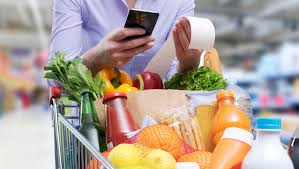
By the time I got to the checkout, my cart was overflowing. I felt a knot in my stomach when I saw the total. It was way more than I expected.
Later that week, I found some of that chicken had gone bad. The fancy cheese was still in the fridge, untouched. I felt so wasteful and a little silly.
That was a turning point for me. I realized I was just spending money, not shopping smart. I decided to change my ways.
I started with small steps. I tried planning just two meals. Then I made a list for those meals.
It felt awkward at first. But it worked! I bought only what I needed.
Nothing went to waste. That feeling of control over my food and my money was amazing. It showed me that with a little planning, grocery shopping doesn’t have to be a stressful chore.
It can be a smart way to manage your life.
Smart Shopping Checklist
Plan Ahead: Know your meals for the week.
Make a List: Write down everything you need.
Check Your Pantry: See what you already have.
Compare Prices: Look at different brands and sizes.
Look for Sales: Use coupons or store flyers.
Buy Seasonal: Produce in season is often cheaper.
Avoid Impulse Buys: Stick to your list.
Consider Bulk: If you use it, buy more.
Understanding Your Grocery Store
Grocery stores are designed to make you spend money. They use clever tricks. Think about the layout.
Fresh foods are often at the front. This makes you think of health first. The most expensive items are often at eye level.
Cheaper brands might be on higher or lower shelves. End caps of aisles often show special deals. But sometimes these are not the best prices.
Store brands are usually cheaper than name brands. They are often made in the same factories.
Paying attention to these details helps. You can start to see the patterns. You can learn to shop based on your needs, not the store’s suggestions.
Knowing the store’s layout can also save time. You can plan your route through the aisles. This helps you avoid backtracking.
It also stops you from seeing things you don’t need.
Store Layout Secrets
Fresh Foods First: Usually at the front (produce, meat, dairy).
Eye-Level Placement: Where the most profitable items sit.
End Caps: Highlighted items, not always the best deals.
Aisle Flow: Stores often guide you in a specific direction.
Checkout Temptations: Small, impulse items near the register.
Meal Planning: Your Shopping Superpower
Meal planning is the heart of smart grocery shopping. It sounds like a lot of work, but it’s not. Start simple.
Think about your week. What days will you be busy? What days will you have time to cook?
Plan meals that fit. If you have a busy Tuesday, plan something quick. A simple pasta dish or soup.
If you have more time on Saturday, try a recipe that takes longer. This stops you from ordering takeout when you’re tired.
When you plan meals, write them down. What do you want to eat for breakfast, lunch, and dinner? For example, Monday might be: Oatmeal for breakfast, a leftover dinner for lunch, and chicken stir-fry for dinner.
Once your meals are planned, look at what ingredients you need. Check your pantry, fridge, and freezer first. See what you already have.
This stops you from buying things you already own.
Then, make your grocery list. Only list the things you absolutely need for your planned meals. Be specific.
Instead of “vegetables,” write “one head of broccoli” or “two bell peppers.” This keeps you focused in the store. It prevents those unplanned purchases. Meal planning saves money because you buy less.
It saves food because you use what you buy. And it saves time because you don’t have to think “what’s for dinner?” every night.
Meal Planning Steps
Pick Your Days: Decide how many meals you’ll plan.
Consider Your Schedule: Busy nights need easy meals.
List Your Meals: Write down breakfast, lunch, and dinner.
Check Your Stock: See what ingredients you already have.
Write Your List: Add only what you need for the meals.
Be Realistic: Don’t plan meals you won’t cook.
Making a Smart Grocery List
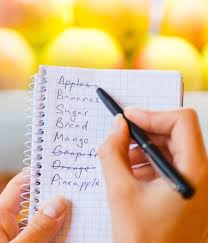
Your grocery list is your best friend in the store. A well-made list is your shield against impulse buys. When you make your meal plan, write down every ingredient needed.
After checking your pantry, cross off what you already have. The remaining items go on your list. It’s helpful to organize your list by store section.
Most stores put produce together, then dairy, then meats, then dry goods. Grouping your list makes shopping faster. You don’t have to run back and forth across the store.
For example, your list might look like this:
- Produce: Apples, Bananas, Spinach, Onions, Garlic, Potatoes
- Dairy/Refrigerated: Milk, Eggs, Yogurt, Butter, Cheese
- Meat/Poultry: Chicken Breasts, Ground Beef
- Pantry: Rice, Pasta, Canned Tomatoes, Olive Oil, Bread
This way, you can go through the produce section once. Then move to the next section without retracing your steps. A clear, organized list helps you stay focused.
You know exactly what you need. This means less browsing and fewer unplanned purchases. This is a key part of smart grocery shopping.
Navigating Deals and Discounts
Sales and coupons can save money. But you have to be smart about them. Don’t buy something just because it’s on sale.
Buy it if you need it for a planned meal. Some coupons are for items you never use. Those are not real savings.
Look at the unit price. This is the price per ounce or per pound. Sometimes a larger size is cheaper per unit.
But sometimes a smaller size on sale is better.
Store loyalty programs can also offer savings. Many stores have apps. You can load digital coupons onto your card.
You might also get personalized offers. Some stores offer cash back through apps. It’s worth signing up for these.
Just be mindful of what you’re signing up for. Don’t give away too much personal information. Focus on deals that help you buy what you already planned to buy.
Deal Hunter’s Tips
Unit Price Matters: Compare price per pound/ounce.
Sale Items: Only buy if you need it.
Coupons: Use for items on your list.
Store Apps: Check for digital deals and loyalty rewards.
Flyers: Browse weekly ads before you shop.
Buying Produce: Freshness and Savings
Produce is a big part of healthy eating. It can also be expensive. Buying produce in season is a great way to save money.
Fruits and vegetables are abundant and cheaper when they are in season. For example, berries are cheap in the summer. Root vegetables are cheaper in the fall and winter.
Look up what’s in season in your area. Farmers’ markets are also a good place to find seasonal produce. You might even find better quality there.
When you buy produce, inspect it. Look for firm fruits and vegetables. Avoid bruised or soft items.
If you see a good deal on something you’ll use soon, grab it. If you see a great price on something you can freeze, like berries or corn, consider buying extra. You can freeze them to use later.
This is a great way to enjoy seasonal savings year-round. Don’t buy too much fresh produce if you know you won’t eat it. It’s better to buy what you need and make another trip if necessary.
Understanding Meat and Protein Choices
Meat and protein can be a large part of your grocery bill. Buying cheaper cuts of meat and cooking them properly can save money. For example, chicken thighs are often cheaper than chicken breasts.
They can be just as tasty when cooked right. Ground beef is usually more affordable than steaks. Look for sales on meat.
If you see a good price on a large package, you can divide it into smaller portions and freeze them.
Consider plant-based proteins too. Beans, lentils, tofu, and eggs are much cheaper than meat. They are also very healthy.
A can of beans costs very little. It can be used in many dishes. Lentils are great for soups and stews.
Eggs are a versatile and affordable breakfast or light meal option. Mixing these into your diet can significantly lower your grocery costs. It’s also good for your health and the environment.
Remember to check the dates on all packaged proteins. For smart grocery shopping, freshness is key.
Protein Power-Ups
Cheaper Cuts: Thighs instead of breasts, roasts instead of steaks.
Ground Meats: Often more budget-friendly.
Bulk Freezing: Buy sales, divide, and freeze portions.
Plant-Based Options: Beans, lentils, tofu, chickpeas.
Eggs: A versatile and affordable protein source.
Pantry Staples: The Foundation of Savings
Having a well-stocked pantry is essential for smart grocery shopping. Non-perishable items like rice, pasta, canned goods, flour, and sugar are the backbone of many meals. Buying these in bulk when they are on sale can save a lot of money over time.
For example, a large bag of rice or a case of canned tomatoes will last a long time. Just make sure you have a cool, dry place to store them.
Think about what you use most often. Do you eat a lot of pasta? Buy a large pack when it’s on sale.
Do you make a lot of soups? Stock up on broth and canned vegetables. These staples allow you to create many different meals.
They also help you stretch more expensive ingredients. For instance, adding beans or lentils to ground beef can make a meal go further. A well-organized pantry makes it easy to see what you have.
This prevents duplicate purchases.
Smart Shopping Habits in Action
Let’s talk about what this looks like in the real world. Imagine you’re planning meals for the week. You decide on chicken stir-fry, lentil soup, pasta with marinara, and beef tacos.
You check your pantry and find rice, pasta, canned tomatoes, onions, and some frozen chicken breasts. You have lentils and taco shells already.
Your grocery list would include: broccoli, bell peppers, carrots (for the stir-fry), celery (for the soup), ground beef, taco seasoning, and maybe some fresh garlic. You also need milk and eggs for breakfast. You look at the store flyer.
Broccoli is on sale. You decide to buy a little extra to freeze. The ground beef is also on sale.
You buy a larger pack to freeze half. You stick to your list for everything else. You don’t buy that tempting ice cream or the bag of chips.
At the checkout, you notice the unit price on the pasta. The store brand is much cheaper than the name brand you usually buy. You switch to the store brand.
You also remember to bring your reusable bags. By making these small, smart choices, you’ve saved money and avoided waste. This is smart grocery shopping in practice.
Daily Smart Shopping Habits
Eat Before You Shop: Avoid shopping when hungry.
Stick to the List: Your planned purchases only.
Look Up, Look Down: Cheaper brands are often not at eye level.
Unit Prices: Always check the price per ounce/pound.
Reusable Bags: Good for the environment and sometimes offer discounts.
Shop Less Often: Fewer trips mean fewer chances for impulse buys.
When is it Normal, and When to Worry?
It’s completely normal to sometimes overspend at the grocery store. We all have those weeks where life gets hectic. You might grab more convenience foods.
Or you might just forget your list. The key is to recognize it and get back on track. If you consistently find yourself spending way more than you planned, or throwing away a lot of food, that’s when it’s worth looking closer.
A few forgotten vegetables in the crisper drawer are fine. But if half your produce goes bad every week, something needs to change. If you’re constantly relying on expensive takeout because you didn’t plan meals, that’s a sign.
If your grocery bill keeps creeping up and you can’t figure out why, it’s time for a deep dive into your shopping habits. Maybe you’re buying too many pre-packaged snacks. Or perhaps you’re not checking unit prices carefully enough.
Quick Tips for Better Grocery Runs
Here are some actionable tips to make your next grocery trip smoother:
- Shop on a full stomach: You’re less likely to buy junk food.
- Go alone if possible: Kids can add extra items to the cart.
- Set a budget: Know how much you can spend before you go.
- Use a calculator: Keep a running total on your phone.
- Stick to the perimeter: Most fresh, whole foods are located around the outer walls of the store.
- Buy generic when possible: Store brands are often just as good.
- Don’t shop when tired: You make poorer decisions.
Quick Wins for Your Grocery List
Don’t Shop Hungry: A simple rule with big impact.
Budget Tracker: Use your phone’s calculator.
Perimeter Focus: Veggies, fruits, dairy, and meats are usually on the outside aisles.
Generic is Good: Try store brands for staples.
Avoid Late-Night Shopping: Your choices suffer.
Frequently Asked Questions about Smart Grocery Shopping
How often should I go grocery shopping?
For most people, one big trip per week works best. This helps you plan meals and stick to a budget. Some people like to go twice a week for fresh produce.
But try to limit your trips to avoid impulse buys.
Is it cheaper to buy organic?
Organic food can be more expensive. The cost depends on the item and the store. Some organic items are not much more costly than conventional ones.
Others are significantly pricier. If budget is a concern, focus on buying organic for produce on the “Dirty Dozen” list. These are fruits and vegetables that tend to have higher pesticide residues.
How can I avoid food waste?
Meal planning is the biggest help. Also, store food properly. Learn which fruits and vegetables need to be refrigerated.
Use older food items first. Get creative with leftovers. Freeze what you won’t use right away.
Compost if possible.
What are the best times to shop for groceries?
Early mornings on weekdays are often less crowded. This makes for a more pleasant shopping experience. Wednesday or Thursday mornings are often when new sales start.
Shopping then can give you the best selection of sale items.
Are store brands really as good as name brands?
Often, yes. Many store brands are made by the same manufacturers as name brands. They may use slightly different recipes or packaging.
But for most staple items like flour, sugar, canned goods, and pasta, store brands offer great value. It’s worth trying them out.
How do I meal plan if I don’t like cooking?
Start with very simple meals. Think about meals that require minimal cooking. Sandwiches, salads with pre-cooked chicken, or pre-made soups can be good options.
You can also use slow cookers or Instant Pots. These appliances do most of the work for you. Focus on assembly rather than complex cooking.
Conclusion
Mastering smart grocery shopping is a journey. It takes practice and patience. But the rewards are huge.
You’ll save money. You’ll reduce waste. You’ll likely eat healthier too.
Start with one small change. Maybe it’s making a list. Or planning just three meals.
Build from there. Your wallet and your peace of mind will thank you. Happy shopping!



Leave a Reply