
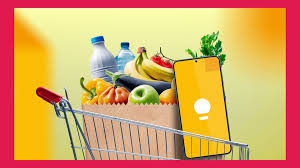
Smart grocery shopping and meal planning offer a practical, everyday avenue to attract email subscribers. By sharing useful tips, recipes, and budget advice related to food, you can build a community of engaged followers who trust your recommendations and eagerly await your newsletters.
What is Email List Building Through Food?
This is all about using the everyday act of planning meals and buying groceries as a way to attract people to your email list. Think of it as sharing your food wisdom. You know how to plan meals for the week.
You know how to find good deals at the store. You know how to cook delicious food. Sharing these skills with others can draw them in.
When people find your food tips helpful, they might want to get more advice from you. An email list is a great way to give them that. It’s a way to keep in touch and share more of what you know.
This method is for anyone who loves food and wants to connect with others who feel the same. It’s about being useful and building trust. It’s not about being a fancy chef.
It’s about making real food for real people.
Imagine you love making budget-friendly family meals. You post a quick tip on social media about how to stretch a pound of chicken. People find it super helpful.
They ask for more tips. This is your chance! You can then mention your email list.
You can say, “Want more easy meal ideas like this? Sign up for my newsletter!” That’s the basic idea. You offer value related to food, and people give you their email address to get more of that value.
This approach works because food is something everyone needs and enjoys. It’s a universal topic. Most people are always looking for ways to eat better, save money, or just find new recipes.
When you can help them with these common goals, they are naturally drawn to you. It’s like being the helpful friend everyone turns to for cooking advice. Your email list becomes that friendly space where you share your best food secrets.
My Own Kitchen Strategy for List Growth
I remember a time when my email list felt like a ghost town. I’d post recipes, and a few people would like them. But getting them to actually sign up for my newsletter?
Crickets. I was frustrated. I love sharing my passion for cooking, but I wanted a more direct way to connect.
One evening, I was staring into my pantry, trying to plan meals for the week on a tight budget. I realized this was a struggle for so many people. I decided to share my process.
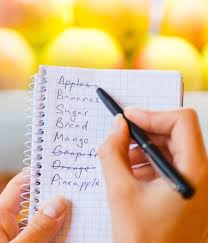
I took photos of my ingredients. I wrote down my meal plan. I even included the rough grocery list.
I shared it all on my blog and social media. The response was amazing! People loved seeing how I did it.
They asked questions about substitutions and how I kept costs down. It hit me then. This was my angle.
This is what people wanted to learn from me. I then added a simple call to action: “Want my full weekly meal plan and printable grocery list? Sign up for my newsletter!” And just like that, my list started growing.
People weren’t just interested in recipes; they wanted the whole system. They wanted to be smart shoppers and planners too. That feeling of seeing those new subscribers roll in, knowing they were genuinely interested in what I had to offer, was incredibly rewarding.
It wasn’t just about sharing recipes anymore. It was about sharing a lifestyle. It was about showing people they could eat well without breaking the bank.
The trust started to build. They saw I was real and that my advice worked in a regular kitchen, not some fancy test kitchen. This gave them the confidence to trust my other tips and recipes too.
It felt like building a little community, one shared meal plan at a time.
Smart Shopping Habits That Help Grow Your List
Focus on Value: Offer more than just a sign-up. Give them a freebie!
- Recipe Guides: Short ebooks with 5-10 budget-friendly meals.
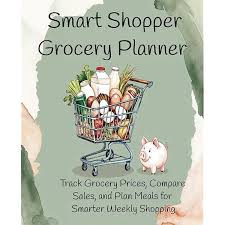
- Printable Checklists: Pantry staples, weekly meal planner templates.
- Discount Finders: How to spot sales and use coupons effectively.
Be Consistent: Share food tips regularly on your blog or social media. This keeps you top-of-mind.
Engage Your Audience: Ask them what food problems they need help with. This gives you ideas for valuable content.
The Core Connection: Meal Planning and Smart Shopping
Meal planning and smart grocery shopping go hand-in-hand. They are the two sides of the same coin. Planning your meals helps you know exactly what you need to buy.
This means you don’t waste money on things you don’t use. It also stops those last-minute trips to the store. Those trips often end up costing more.
Smart shopping means looking for sales. It means buying in bulk when it makes sense. It means choosing seasonal produce.
It means using apps or flyers to compare prices. When you combine these two, you get more control over your food budget. You also reduce food waste.
This is a huge win for many households. People are looking for ways to save money and be more eco-friendly. Your advice on how to do this is very valuable.
It shows you understand their real-life problems. This builds a strong connection with them. They see you as someone who gets it.
They want to learn more from you.
Think about it. Someone is trying to get dinner on the table after a long day. They’re tired.
They don’t want to think too hard. If you’ve provided a simple meal plan and a shopping list that makes sense, you’ve solved a big problem for them. They feel relieved.
They feel grateful. This positive feeling gets associated with you. When you then ask them to join your email list for more of this helpful content, they are much more likely to say yes.
They see it as a way to get ongoing help and support for their busy lives.
This connection isn’t just about saving money or time. It’s also about reducing stress. Food is emotional.
When people feel overwhelmed by meal prep or grocery costs, it affects their mood. By offering solutions, you’re not just offering recipes. You’re offering peace of mind.
You’re offering a way to make their lives a little bit easier and happier. That’s a powerful way to build loyalty and encourage sign-ups to your email list. It’s about being a helpful guide in a part of life that touches everyone.
Contrast: Myth vs. Reality in Grocery Shopping
| Myth | Reality |
| You have to buy expensive organic food to eat healthy. | You can eat healthy on a budget by focusing on whole foods and seasonal items. Smart shopping is key. |
| Meal planning takes too much time. | Once you get the hang of it, meal planning saves time and stress during the week. |
| Store brands are always lower quality. | Many store brands are just as good as name brands, often at a lower price. |
| You need fancy gadgets to cook well. | Basic kitchen tools and good planning are more important than expensive gadgets. |
Who Are You Talking To? Understanding Your Audience
When you’re building an email list around food, it’s helpful to know who you’re trying to reach. Are they busy parents trying to feed their families? Are they young adults just learning to cook?
Are they people trying to stick to a budget? Or maybe they are folks looking for healthier options. Knowing your audience helps you create content they really want.
It helps you speak their language. If you’re talking to parents, you’ll focus on quick, kid-friendly meals. If you’re talking to budget shoppers, you’ll highlight deals and savings.
Your content should solve their specific problems. It should answer their questions. When you do this well, they feel understood.
They feel seen. This makes them more likely to trust you. And when they trust you, they are happy to sign up for your email list.
Think about the language you use. Are you using complicated cooking terms? Or are you using simple words that everyone understands?
Most people looking for help with groceries and meals want practical, easy advice. They don’t want to feel overwhelmed. So, keep your explanations clear and simple.
Use examples they can relate to. This makes your content more accessible. It also makes you seem more approachable.
You become the friendly expert they can count on. This approach naturally attracts people who are looking for that kind of help. They will then see your email list as a valuable resource.
It’s a place where they can get more of the simple, practical advice they need.
For example, instead of saying “emulsify the vinaigrette,” you might say “whisk the dressing until it looks creamy.” This small change can make a big difference. It makes your advice feel less intimidating. It makes people feel more capable.
This is exactly what you want. You want them to feel empowered by your tips. When they feel that, they associate that good feeling with you.
They are more likely to want to hear from you again. That’s the power of speaking directly to their needs and understanding their world. It’s the foundation of building a loyal email list.
Quick Scan: What Your Audience Wants
Time-Saving Tips: Meals that cook fast. Prep ahead ideas.
Budget-Friendly Meals: How to cook well without spending a lot.
Healthy Options: Ways to make meals better for you and your family.
Reducing Food Waste: Using up leftovers. Storing food properly.
Easy-to-Follow Instructions: Simple recipes and clear advice.
Where to Share Your Foodie Expertise
You don’t need a fancy website to start. You can use places you might already be. Your blog is a great spot.
Write posts about meal planning tricks. Share your weekly grocery hauls. Post recipes that use cheap ingredients.
At the end of each post, invite people to join your email list. Make it clear what they will get. Maybe it’s a free recipe ebook or a printable meal planner.
Social media is another powerful tool. Instagram is perfect for sharing appealing food photos and short videos. You can also share quick tips in your captions or Stories.
Pinterest is fantastic for food. People search there for recipes and meal ideas all the time. Create visually appealing pins that lead back to your blog posts or a dedicated sign-up page.
Facebook groups can be very effective. Find groups focused on cooking, budgeting, or family meals. Share helpful tips and advice.
But be careful not to just spam the group with links. Engage with members. Answer their questions.
Build relationships. When it feels natural, you can mention your email list. You can also create your own Facebook group.
This allows you to build a more direct community. YouTube is amazing for showing people how to cook. You can film yourself shopping for groceries.
You can show how you prep ingredients. You can demonstrate recipes step-by-step. These videos are highly engaging.
You can link to your email sign-up in the video description.
The key is to be present where your audience already hangs out. Share valuable content that helps them with their food-related challenges. Make it easy for them to find you and sign up for your list.
Think about what type of content you enjoy creating most. Do you love writing? Or do you prefer making videos?
Play to your strengths. This will make the process more enjoyable for you. It will also help you create better content.
Better content leads to more sign-ups. It’s a win-win situation. And remember, even small, consistent efforts can make a big difference over time.
Don’t get discouraged if you don’t see huge numbers overnight. Keep providing value, and your list will grow.
Observational Flow: Turning a Recipe Share into a Subscriber
- Share a Recipe: Post a delicious, easy recipe on your blog or social media.
- Highlight Key Benefits: Mention how it’s quick, budget-friendly, or healthy.
- Offer a “Next Step” Freebie: “Want more recipes like this? Get my free 7-day meal plan!”
- Link to Sign-Up: Direct them to a simple landing page to enter their email.
- Welcome Email: Send an immediate welcome email with the freebie and a friendly intro.
- Nurture with Value: Continue sending helpful tips, recipes, and grocery advice via email.
Creating Irresistible Lead Magnets
A lead magnet is like a free gift you offer in exchange for someone’s email address. For food content, these can be incredibly effective. Think about what people struggle with most when it comes to food.
Do they need help planning meals? Do they want to save money on groceries? Do they want healthier options?
Your lead magnet should directly address one of these pain points. A simple printable weekly meal planner is a great example. It’s useful, practical, and easy to create.
You can add a section for a grocery list on it too. This tackles both planning and shopping in one go.
Another idea is a mini e-book of budget-friendly recipes. Choose 5-10 simple meals that use common ingredients. Make sure the recipes are easy to follow.
Include photos if possible. A grocery list for those recipes would make it even better. People love having everything they need in one place.
You could also create a shopping guide. This could be a PDF that explains how to shop for produce, how to choose cuts of meat, or how to find the best deals on pantry staples. Focus on actionable tips.
Things people can use right away.
Don’t forget about seasonal ideas. A “Summer Grilling Favorites” guide or a “Cozy Fall Soup Recipes” collection can be very timely. People are often searching for ideas related to the current season.
When creating your lead magnet, keep it focused. Don’t try to cover too much. A single, well-done lead magnet is better than a messy, overwhelming one.
Make it look professional, even if it’s just a simple PDF. Use clear headings and formatting. Make sure it’s easy to read.
The quality of your lead magnet reflects the quality of your email content. It’s your first impression. Make it a good one!
Consider offering different lead magnets to different segments of your audience if you can. For instance, one for busy families and another for single people on a tight budget. This shows you understand their unique needs.
It makes the offer feel more personal. The more relevant your lead magnet is, the higher the conversion rate will be. People are more likely to sign up if they know exactly what they’re getting and if it solves a real problem for them.
That’s the magic of a well-crafted lead magnet.
Stacked Micro-Sections: Lead Magnet Ideas
Printable Meal Planners: Weekly layouts with space for notes and shopping lists.
Budget Recipe Ebooks: Collections of 5-10 easy, affordable meals.
Grocery Shopping Checklists: Essential pantry items, seasonal produce guides.
“Use It Up” Guides: Tips for using leftover ingredients creatively.
Healthy Swaps List: Simple ingredient substitutions for healthier meals.
What This Means for Your Email List Growth
When you approach list building through grocery shopping and meal planning, you attract a specific kind of subscriber. These are people who are actively looking for practical solutions. They are engaged with their daily lives.
They want to improve their eating habits, save money, or reduce stress around meals. This means your email list will likely be filled with people who are genuinely interested in your niche. They are not just random sign-ups.
They have a clear need that you are helping them meet.
This type of audience is often more engaged. They are more likely to open your emails. They are more likely to click on your links.
They are more likely to respond to your offers. Because you’ve already provided value through your lead magnet and free content, they trust you. They see you as a helpful resource.
When you send out a newsletter, they know it will contain something useful. This makes them look forward to hearing from you. This engagement is gold for any email marketer.
It means your emails are reaching the right people. They are doing what they are supposed to do.
It also means you can build deeper relationships. Since the topic of food is so personal, you can share stories and connect on a more emotional level. People relate to real-life experiences.
They appreciate honesty and transparency. This approach allows you to be authentic. You can share your own kitchen wins and fails.
This human element makes your emails more relatable. It strengthens the bond with your subscribers. They start to feel like they know you.
And when they know you, they are more likely to support you. This could mean buying a product you recommend, joining a course you offer, or simply continuing to read your content.
The implication is clear: by focusing on a universally relevant topic like food, and by offering tangible help with everyday tasks like shopping and planning, you can build an email list that is not only larger but also more loyal and engaged. This is the foundation of sustainable email marketing success. It’s about building a community that truly values what you have to share.
Simple Checks for a Healthy List
When you’re growing your email list, it’s good to check in on how things are going. Are people actually opening your emails? Are they clicking on the links?
A healthy email list is active. It’s engaged. One simple check is to look at your open rates.
If they are low, maybe your subject lines need some work. Or perhaps the content isn’t what people expect. Another check is your click-through rates.
If people open your emails but don’t click anything, the calls to action might not be clear enough. Or the content inside might not lead them to take the next step.
You can also look at your unsubscribe rate. If it’s high, it means people are leaving your list. This could be because you’re sending too many emails.
Or the content might not be relevant anymore. Or maybe you’re sending emails at the wrong time. Most email services give you these stats.
They are like a report card for your list. Use them to make your emails better. Don’t be afraid to experiment.
Try different subject lines. Try different types of content. See what works best for your audience.
It’s also smart to clean your list now and then. Remove people who haven’t opened your emails in a long time. These are called inactive subscribers.
They can hurt your sending reputation. Most email services have tools to help you identify and remove them. This keeps your list healthy and engaged.
It ensures your emails are going to people who actually want to read them. This makes your efforts more effective. It also saves you money, as many email services charge based on the number of subscribers you have.
A smaller, engaged list is better than a large, inactive one. It’s about quality over quantity.
Quick Fixes and Tips for Email Sign-Ups
Making it super easy for people to sign up is key. Have clear sign-up forms on your website. Put them in prominent places.
Like at the end of blog posts or in a sidebar. A pop-up form can also work, but don’t make it too annoying. Offer your lead magnet right away.
Make sure the link in your welcome email works. Test it yourself. Make sure the download is quick and easy.
On social media, include a link to your sign-up page in your bio. You can also create posts that highlight your lead magnet. Use eye-catching images.
Keep the text brief and clear. Tell people exactly what they will get when they sign up. For example, “Get our free weekly meal planner and never wonder ‘What’s for dinner?’ again!
Link in bio.”
Consider adding a P.S. to your blog posts or social media updates. This is a small but effective way to remind people about your email list.
Something like, “P.S. Want more tips like this delivered straight to your inbox? Sign up here!” Also, make sure your emails are mobile-friendly.
Many people check emails on their phones. If your email looks bad on a phone, they might not read it. Always use an active voice and simple words.
This makes your emails easy to read. It also helps people feel like they are getting advice from a friend.
Frequently Asked Questions
How often should I send emails to my list?
It depends on your audience and content. Many food bloggers send newsletters once a week. Some send them twice a month.
The most important thing is consistency. Pick a schedule you can stick to. And always provide value in every email.
Can I build an email list just from social media?
You can grow your list from social media, but it’s best to have a dedicated sign-up page. Social media platforms change their algorithms. Relying only on them is risky.
Your email list is an asset you own. It’s more reliable.
What if I don’t have a lot of recipes?
You don’t need hundreds of recipes. Focus on themes like budget meals, quick dinners, or healthy lunches. You can also share tips on grocery shopping, meal prep, or using pantry staples.
Value comes in many forms, not just recipes.
Is it okay to promote products in my emails?
Yes, it’s okay, but do it thoughtfully. Make sure the products you promote align with your content and audience interests. Only recommend things you truly believe in.
Don’t make every email a sales pitch. Balance promotion with helpful content.
How do I get people to click the sign-up link?
Make the benefit clear. Tell them exactly what they will gain by signing up. Use a compelling call to action.
Offer a valuable freebie. Make the sign-up process short and simple. Test different calls to action to see what works best.
What is a good conversion rate for an email sign-up form?
A good conversion rate varies a lot. For a website pop-up, 1-5% is common. For a dedicated landing page with a strong offer, it can be much higher, sometimes 20-40% or more.
Focus on offering great value in your lead magnet.
Final Thoughts on Smart List Building
Building an email list doesn’t have to feel like a chore. By tapping into the everyday world of grocery shopping and meal planning, you can create a natural flow of interested subscribers. It’s about being helpful, relatable, and consistent.
Focus on giving real value, and the sign-ups will follow. Your kitchen holds more potential than you might think for connecting with people who love food as much as you do. Keep sharing your passion, and watch your community grow.
Leave a Reply