
Starting a side project is exciting. You’re full of energy and ideas. But then reality hits.
Time flies. Money can disappear fast. One big drain is daily life.
We all need to eat. We all need to buy food. This can eat into your project time and budget.
How can you make grocery shopping and meal planning smarter for your side project? It’s not about cutting corners. It’s about being clever.
It’s about freeing up your mind and resources. Let’s figure this out together.
Smart grocery shopping and meal planning for side projects involve strategic planning and efficient execution. This approach helps save both valuable time and project funds. It allows you to focus more on your passion project.
What Smart Grocery Shopping and Meal Planning Mean for Side Projects
Think about your side project. It could be anything. Maybe you’re writing a book. Perhaps you’re building an app. Or maybe you’re learning a new skill. Whatever it is, it needs your focus. Your energy is precious. Your money might be tight. Food is a constant need. Every day you need to eat. This means buying food. This means preparing food. It can feel like a huge chore. It can steal time and money.
Smart grocery shopping means buying food wisely. It’s about getting what you need. It’s about not wasting money. It’s about saving trips to the store. It’s about planning ahead. Meal planning means deciding what you will eat. You do this before you shop. This stops impulse buys. It stops food waste. It makes cooking easier. For a side project, this is gold. Less time on food. More time on your project. Less money spent on food. More money for your project.
Why does this matter so much? Because your side project is important. You want it to succeed. You don’t want daily chores to block you. You want to feel in control. You want to feel efficient. When food is handled well, you feel less stressed. Your mind is clearer. You have more headspace. This is crucial for creative work. This is vital for problem-solving. It’s the hidden engine that keeps your project going.
My Own Journey with Project Food Woes
I remember when I started my first big side project. I wanted to build a small online course. I was so excited. I spent my evenings and weekends creating content. But I also had to eat. I lived alone then. I wasn’t a great cook. My grocery trips were chaotic. I’d wander the aisles. I’d grab whatever looked good. I’d buy too much of some things. I’d forget other things entirely.
My fridge was a mess. Food would go bad. I’d throw away wilted greens. I’d toss out old bread. I was wasting food. I was wasting money. And then dinner time would come. I’d stare into the fridge. Nothing seemed appealing. I’d end up ordering takeout. That felt so wasteful. It cost a lot. It wasn’t healthy. It took me away from my course work. I’d feel guilty. I’d feel frustrated. It was a cycle.
One Tuesday night, I was supposed to be writing a lesson. I was tired. I opened the fridge. Just half a sad bell pepper and some yogurt. I sighed. I ordered pizza. As I ate, I felt a pang of annoyance. This pizza cost almost as much as my weekly groceries used to. And I had wasted so much food already. That’s when it hit me. My food habits were hurting my project. I was draining my resources. I was losing precious time. I needed a better way. A smarter way.
Smart Shopping Checklist
Before you go to the store, always:
- Check your pantry and fridge. See what you already have.
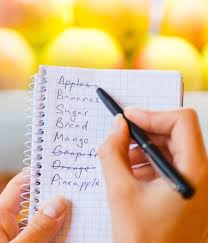
- Plan your meals for the week. Write them down.
- Make a detailed shopping list. Stick to it.
- Look at sale flyers. Plan meals around deals.
The Core of Smart Grocery Shopping
So, what makes grocery shopping smart? It’s all about intention. You walk into the store with a plan. You know what you need. You know what you want to cook. This is the opposite of aimless wandering. Aimless wandering leads to impulse buys. It leads to buying things you don’t need. It leads to buying things that will go to waste.
Your core strategy should be this: plan meals, then shop. This is the golden rule. Don’t shop first and then try to figure out what to cook. That’s a recipe for disaster. Or rather, a recipe for stress and waste.
Let’s break this down. First, you need to know what you will eat. This is meal planning. Think about your week. How many days do you have for projects? How many days do you need quick meals? How many days can you spend a little more time cooking? Plan simple meals. Think about ingredients you can use in different ways. This is key for efficiency.
For example, roast a whole chicken. You can eat it for dinner one night. Then use the leftovers for chicken salad sandwiches. You can use the bones to make broth. This is multi-tasking with food. It saves time. It saves money. It reduces waste.
Once you have your meals planned, you make a list. A very specific list. Not “vegetables.” But “two bell peppers, one onion, a bunch of spinach.” This list is your guide. It keeps you focused in the store. It stops you from buying things that aren’t on the plan.
Putting Meal Planning into Practice
Meal planning might sound like a chore. But it’s actually liberating. Especially when you have a side project. It frees up your mental energy. You don’t have to ask “What’s for dinner?” every single night. That question can be a huge time suck.
Here’s a simple way to start. Take a piece of paper or open a note on your phone. Write down the days of the week. Monday, Tuesday, Wednesday, and so on. For each day, jot down a meal idea.
Try to make meals that share ingredients. If you buy a bag of carrots, plan to use them in a soup. Then maybe in a side salad. Or roast them with dinner. This way, you use up the whole bag. You don’t end up with sad, forgotten carrots.
Consider batch cooking. On a Sunday afternoon, when you might have a little more time, cook a big batch of something. This could be rice. It could be lentils. It could be a big pot of chili. You can then use this base for different meals throughout the week. Add veggies for one meal. Add a protein for another.
Think about your energy levels. On days when you know you’ll be deep in project work, plan a super easy meal. Maybe a pre-made soup. Or a sandwich. On days when your project work is lighter, you can tackle something a bit more involved.
Don’t be afraid to repeat meals. If you find a meal you love and that’s easy to make, have it twice a week. Or even three times. Nobody is judging your meal repetition. Your project success is more important. This is about efficiency.
Meal Prep Quick Wins
Prep Ahead: Wash and chop veggies when you get home from the store. Store them in airtight containers.
Batch Cook Staples: Cook grains like rice or quinoa, or legumes like beans in large batches.
Portion Meals: Divide pre-cooked meals into single-serving containers for grab-and-go convenience.
Real-World Grocery Shopping Strategies
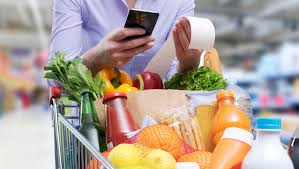
Let’s talk about the actual shopping trip. This is where smart planning really pays off. You have your list. You walk into the store with purpose.
First, stick to your list. This is the hardest part for many. You see something tempting. It’s not on your list. It’s on sale. Resist the urge. If you really want it, make a note to buy it next week if you still think about it. Often, the urge passes.
Second, shop the perimeter. The outer edges of the grocery store usually have the fresh stuff. Produce, dairy, meat. The inner aisles are often full of processed foods. These can be more expensive. And less healthy. Focus on the fresh items first.
Third, compare unit prices. Don’t just look at the price of the package. Look at the price per pound or per ounce. Sometimes the bigger package isn’t actually cheaper. You want the best value for your money. This is especially important for staple items.
Fourth, don’t shop when you’re hungry. I learned this the hard way. When you’re hungry, everything looks good. You’ll buy things you don’t need. You’ll buy snacks you’ll regret. Eat a snack before you go shopping. Or have a meal.
Fifth, consider generic brands. For many staple items, the generic brand is just as good as the name brand. The taste difference is often minimal. But the price difference can be significant. This saves money for your project.
Sixth, plan around sales. Look at the weekly flyers. See what’s on sale. Can you incorporate those items into your meal plan? If chicken breasts are on sale, plan a few chicken meals. If broccoli is cheap, plan to have broccoli as a side dish.
Finally, limit your trips. The more you go to the store, the more you’ll spend. Try to do one big shop for the week. This saves time. It also prevents those little “just popping in for milk” trips that turn into big spending sprees.
Understanding Food Waste and Its Cost
Food waste is a silent killer of project budgets and time. When you buy food, you’re spending money. When that food goes bad, that money is gone. It’s like throwing cash in the trash.
Think about it. You buy a bunch of spinach for $3. You forget about it. It wilts. You throw it away. That’s $3 gone. Now imagine this happening with a few items each week. It adds up quickly. For a side project, every dollar counts.
Food waste isn’t just about money. It’s also about the time and energy used to produce that food. It’s about the resources involved in getting it to your plate. When you waste food, you’re wasting all of that.
Smart planning tackles this head-on. Meal planning ensures you buy only what you need. Shopping with a list stops impulse buys. Storing food properly keeps it fresh longer. Using ingredients in multiple ways prevents spoilage.
When is Grocery Shopping “Normal” vs. “Concerning” for a Project?
It’s important to know when your current habits are just part of life, and when they might be actively hindering your side project.
Normal habits might look like:
You occasionally buy a treat you didn’t plan for, but it’s a small indulgence.
You might have a few items in your fridge that are nearing their end, but you have a plan to use them.
Your grocery bill is consistent week to week, and you feel it’s reasonable for your needs.
You can go a few days without grocery shopping without feeling stressed about food.
Concerning habits could include:
You frequently buy takeout or delivery because you have no food at home. This is costly and time-consuming.
You throw away a significant amount of food every week because it spoiled. This is a huge waste of money.
Your grocery shopping trips are long, unplanned events where you buy many items you don’t have a plan for.
You feel stressed or overwhelmed by the thought of grocery shopping or meal preparation. This drains your project energy.
Your grocery spending is unpredictable and often exceeds your budget, taking funds away from your project.
Recognizing these patterns is the first step. It’s about acknowledging that how you manage food directly impacts your project’s health.
Myth vs. Reality: Smart Eating for Projects
| Myth: Healthy eating is too expensive. | Reality: Planning, buying in season, and reducing waste make healthy eating affordable. |
| Myth: Meal prep takes too much time. | Reality: A little prep saves lots of time later. Batch cooking and chopping ahead are key. |
| Myth: I need to buy exotic ingredients. | Reality: Simple, whole foods are best and often cheapest. Focus on staples. |
Quick Fixes and Tips for Better Habits
If you’re looking to make changes, here are some simple, actionable tips. These are small steps that can lead to big results for your side project.
The “Use It Up” Fridge Drawer: Designate one shelf or drawer in your fridge for items that need to be eaten soon. When you open the fridge, look here first.
Simple Recipe Database: Keep a small collection of your favorite easy recipes. Have them readily available on your phone or a printed card. This makes choosing meals faster.
Frozen Veggies are Your Friend: Don’t underestimate frozen fruits and vegetables. They are often cheaper than fresh. They are already prepped. And they last a long time. They are perfect for quick additions to meals.
Embrace Canned Goods: Canned beans, lentils, and tomatoes are pantry powerhouses. They are inexpensive. They last forever. They can form the base of many quick meals.
“No-Cook” Meals: Have a few go-to meals that require no cooking. Think salads with pre-cooked chicken or beans, or wraps. These are lifesavers on busy project nights.
Invest in Good Storage Containers: Airtight containers are key. They keep food fresh longer. They help with batch cooking and meal prep. They also make your fridge look much tidier.
Schedule Your Shopping: Put grocery shopping on your calendar like any other appointment. This helps you treat it with the importance it deserves.
Remember, these are guidelines. The goal isn’t perfection. It’s improvement. It’s about making small, consistent changes that free up your resources for your passion.
Frequently Asked Questions About Project-Focused Eating
How much time should I spend on meal planning each week?
You don’t need hours. Start with 15-30 minutes. This might be on a Sunday afternoon.
Or a quiet evening. The time spent upfront saves you much more time later.
Is it okay to eat the same few meals repeatedly for my side project?
Absolutely! Consistency is key for efficiency. If you find a few meals that are quick, healthy, and affordable, repeat them.
Your project success is the priority, not culinary variety.
What if my project requires travel or odd hours?
This is where portable, easy-to-eat options shine. Think sandwiches, wraps, trail mix, and pre-portioned snacks. Having a small cooler bag can also be very helpful.
How can I avoid impulse buys when I’m stressed about my project?
Make a list and stick to it. Avoid shopping when hungry or tired. If you see something tempting, tell yourself you can get it next time if you still want it.
Focus on your project goals.
Are generic brands really as good for my health?
For many staple items, yes. Generic brands often have very similar nutritional profiles to name brands. Always check the ingredient list and nutrition facts if you have specific concerns.
What’s the best way to store produce to make it last longer?
Washing and drying produce thoroughly before storing is important. Some items like berries are best stored unwashed. Keeping certain fruits and vegetables separate can also prevent premature spoilage.
Can I still enjoy some treats while working on my side project?
Of course! Deprivation is not the goal. The key is moderation.
Plan for occasional treats. Don’t let them derail your budget or meal plan. A small, planned indulgence is fine.
Final Thoughts on Project-Focused Food Management
Managing your food needs smartly is a powerful tool for your side project. It’s about more than just eating. It’s about optimizing your resources. It’s about reclaiming your time and energy. By planning your meals and shopping with intention, you free yourself from daily food stress. This allows you to pour more of yourself into what you truly want to achieve. Your side project deserves that focus. Make food work for you, not against you.


Leave a Reply