

Top performers in smart grocery shopping focus on planning meals first. They build a shopping list from that plan. Then, they stick to the list at the store.
This saves time and money. It also helps reduce food waste. Smart shopping is about knowing what you need before you go.
The Smart Shopper’s Mindset
What makes someone a top performer at grocery shopping? It’s not just about finding deals. It’s about a whole approach.
This approach saves stress. It also saves your wallet. Smart shoppers think ahead.
They see the grocery store as a place to stock their kitchen well. They know what goes into a good meal. They also know how to get those things without overspending.
This mindset is about being organized. It is also about being aware. You need to be aware of what your family eats.
You need to know what’s on sale. Being aware of what you already have at home is key too. This stops you from buying things twice.
It keeps your pantry from overflowing with stuff you won’t use.
Think of it like this: a chef plans a menu before cooking. They don’t just open the fridge and hope for the best. They know what they want to make.
Then they gather the right ingredients. Smart grocery shoppers do the same for their week’s meals. They are like home chefs for their families.
Mastering Meal Planning
Meal planning is the heart of smart grocery shopping. If you don’t plan meals, your shopping list will be messy. You might forget things.
You might buy too much. Or you might buy things you don’t need. This leads to wasted food and money.
It also leads to more trips to the store.
How do you start meal planning? It’s simpler than it sounds. First, look at your week.
How many nights will you eat at home? Are there any special events? Think about what your family likes to eat.
It’s good to have a mix of meals. Include some quick meals for busy nights. Also include some more involved meals for when you have time.
Start with a few favorite meals. Write them down. Then, try to build a weekly plan.
You can use a notebook or an app. Just seeing it all laid out helps. Don’t forget to plan for leftovers.
Leftovers can be a whole other meal! This is a great way to save time and prevent waste.
Quick Meal Planning Steps
1. Check Your Calendar: See what days you’ll be home for dinner.
2. Browse Your Pantry: What do you already have? Use what you own.
3. Pick Main Meals: Choose 3-5 dinners for the week. Mix it up!
4. Add Sides: Think about what goes well with your main dishes.
5. Plan Breakfast & Lunch: Don’t forget these! Simple options are best.
6. Note Snacks: What will you need for in-between meals?
A common mistake is to plan too many complex meals. This can make meal planning feel hard. It can make cooking feel like a chore.
Start simple. Your goal is to have a plan you can stick to. A simple plan is better than no plan at all.
Over time, you can add more variety. You can learn new recipes. But for now, focus on making it work for your life.
Building a Smart Shopping List
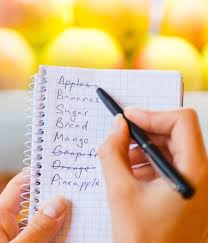
Once you have your meal plan, it’s time for the shopping list. This list is your map in the grocery store. It keeps you on track.
It helps you find everything you need quickly. A good shopping list is organized. It matches how the store is laid out.
Most grocery stores are set up in sections. You have produce, dairy, meat, dry goods, and so on. When you make your list, group items by section.
So, all your fruits and veggies together. All your milk and cheese together. This saves you from walking back and forth across the store.
This saves a lot of time.
When you write down an item, be specific. Don’t just write “milk.” Write “1 gallon 2% milk.” Don’t just write “bread.” Write “1 loaf whole wheat bread.” This avoids confusion. It stops you from grabbing the wrong thing.
It also helps you buy the exact amount you need.
I remember one time I just wrote “cheese.” I ended up buying three different kinds by mistake. I needed shredded cheddar. I bought slices and a block of Swiss too.
They were all on sale. But I didn’t need them. My meals didn’t call for them.
So they sat in the fridge until they went bad. That was money straight into the trash. Now I’m very specific on my list.
Shopping List Organization Tips
Categorize by Store Section:
- Produce (Fruits, Vegetables)
- Dairy (Milk, Cheese, Yogurt)
- Meat & Poultry
- Seafood
- Frozen Foods
- Pantry Staples (Grains, Pasta, Cans)
- Bread & Bakery
- Beverages
- Household Items
Be Specific: Write exact items and quantities.
Check Your Pantry First: Cross off what you already own.
Review Your Meal Plan: Ensure everything needed is on the list.
It’s also wise to leave some room on your list. You can have a small “Optional” section. This is for things you might buy if you see a great deal.
But only if they fit your meal plan or are staples you use often. This keeps you from impulse buying things you don’t need.
Navigating the Grocery Store
Walking into the grocery store without a plan is a recipe for disaster. It’s easy to get distracted. Bright displays and “special offers” can pull you in.
The smart shopper walks in with purpose. They have their organized list. They know where they are going.
The first rule is to stick to your list. It sounds simple, but it’s the hardest part. Your list is your guide.
It is designed to get you what you need efficiently. Avoid the tempting end-caps. These displays are often filled with impulse buys.
They might not be the best deals anyway.
Think about the store’s layout. Most stores put fresh items like produce and meat at the outer edges. The inner aisles have packaged goods.
If you can, shop the perimeter first. This gets you the freshest items. Then, go down the aisles for your pantry staples.
This path often makes sense. It reduces backtracking.
Another trick is to avoid shopping when you’re hungry. When you’re hungry, everything looks good. You’re more likely to buy snacks and pre-made meals.
These are often more expensive. They might not be the healthiest options either. Have a small snack or a meal before you go.
This helps you make better choices.
I once went grocery shopping right after a huge lunch. I felt so full. I wasn’t tempted by all the tempting treats.
I just focused on getting the few things on my list. It was the easiest trip I’d had in ages. My cart was small.
I spent less money. And I didn’t buy junk food I didn’t need.
Smart Shopping Store Navigation
1. Enter with a Plan: Never shop without a list.
2. Shop the Perimeter: Start with fresh produce, dairy, and meat.
3. Use the Aisles Wisely: Go for pantry staples last.
4. Avoid Temptation: Steer clear of end-caps and checkout lanes.
5. Don’t Shop Hungry: Eat a snack or meal beforehand.
6. Compare Unit Prices: Look at the price per ounce or pound.
Pay attention to where things are placed. Sometimes, brands pay for prime placement. This doesn’t always mean it’s the best value.
Look at different brands. Check store brands too. They are often much cheaper.
They are usually just as good.
Understanding Unit Pricing
This is a super important tip that many people miss. Unit pricing tells you the cost of an item per unit of measurement. This could be per ounce, per pound, or per quart.
It’s usually listed on the shelf tag. It’s often in smaller print. Looking at unit prices helps you find the real best deal.
The bigger package isn’t always cheaper.
For example, you might see two sizes of cereal. One box is 18 ounces and costs $3.50. Another box is 24 ounces and costs $4.00.
Which one is cheaper? You need to do the math. Or just look at the unit price.
The 18-ounce box might be $0.19 per ounce. The 24-ounce box might be $0.17 per ounce. In this case, the larger box is the better deal.
This applies to everything. From paper towels to canned beans to cleaning supplies. Always check the unit price.
It’s your best friend for saving money. Sometimes a smaller package is on sale and looks like a good deal. But if the unit price is higher, it’s not truly saving you money over the long run.
I used to always grab the big family-size anything. I assumed it was the best value. Then I started looking at the little numbers on the shelf tags.
I was surprised! Often, a slightly smaller size was a much better deal. Or sometimes, two smaller packages were cheaper than one big “value” pack.
It really opened my eyes to how much I could save.
Unit Price Savings Breakdown
What it is: Cost per ounce, pound, or other standard unit.
Where to find it: Usually on the shelf tag, often in small print.
Why it matters: Helps compare different sizes and brands accurately.
When to check: Always! Especially for staple items you buy often.
Example: 16 oz detergent at $3.20 = $0.20 per oz. 32 oz detergent at $5.76 = $0.18 per oz. The larger size is a better value.
Don’t be afraid to do a quick calculation in your head or on your phone. It takes seconds. But it can save you dollars over the course of a shopping trip.
And those dollars add up. They make a big difference over time. This is a core skill of any top-performing shopper.
Smart Use of Sales and Coupons
Sales and coupons can be great tools. But they can also lead you to overspend. The key is to use them for things you actually need.
Don’t buy something just because it’s on sale. If it’s not on your list, and you don’t have a plan for it, it’s likely a waste of money.
Look at your weekly ads. See what’s on sale that fits your meal plan. If chicken breasts are on sale, and you planned to make chicken stir-fry, great!
Buy the chicken. If they’re on sale but you planned fish, maybe rethink your meal for that night. Or skip the chicken.
Coupons are similar. Many stores now have digital coupons through their apps. You can “clip” them before you shop.
This saves you the paper hassle. Always check the expiration dates on coupons. Also, read the fine print.
Some coupons are only good on specific sizes or varieties.
I used to be a huge coupon clipper. I had binders full of them. I’d spend hours looking for deals.
Then I realized I was buying so much stuff just because I had a coupon. Half of it sat in my pantry unused. It was more money than I saved.
Now, I only use coupons for items that are already on my list and on sale. It’s a much more effective way to save.
Strategic Coupon and Sale Usage
Match to Your Plan: Only buy sale items or use coupons for items you need.
Check Ads Weekly: See what’s discounted that fits your meals.
Use Store Apps: Digital coupons are convenient and easy.
Read the Fine Print: Understand expiration dates and product restrictions.
Avoid Impulse Buys: Don’t buy something just because it’s on sale.
Consider Loyalty Programs: Many stores offer rewards for frequent shoppers.
Think about loss leaders. Stores sometimes heavily discount a few popular items. This is to get you in the door.
They hope you’ll buy other, more profitable items while you’re there. If a great deal on something you need is a loss leader, go for it! Just be disciplined about the rest of your shopping.
The Art of the Quick Grocery Trip
Sometimes, despite your best planning, you’ll need to make an extra trip. Or maybe you just need a few things for dinner tonight. Top performers know how to do these quick trips fast.
The goal is in and out, with only what you need.
The key here is speed and focus. You can’t browse. You can’t get sidetracked.
Have your very short list ready. Know exactly where the items are. If you don’t know, it might be faster to go another time or adjust your meal.
For a quick trip, I often head straight for the section I need. If it’s just milk and bread, I go to the dairy aisle and then the bakery section. I don’t even look at the other aisles.
I might use self-checkout if it’s available and looks quick.
Self-checkout can be a time-saver for small orders. Just be aware of the weight sensors. Sometimes they can be a bit finicky.
If you have more than a few items, the regular checkout might still be faster. It depends on the store and the time of day.
One of my biggest pet peeves is seeing someone with a full cart in the express lane. That’s not fair to anyone! If you have more than 10-15 items, use a regular lane.
Respecting the store’s rules makes the shopping experience better for everyone.
Secrets to a Fast Grocery Run
Super Short List: Only 1-5 items needed.
Know Your Store: Go directly to the item’s location.
Avoid Aisles: Focus only on the needed sections.
Use Self-Checkout: For small orders, this can be quicker.
Be Prepared: Have your payment ready.
Don’t Browse: Your mission is to get in and out.
For those really small trips, sometimes the convenience store is an option. However, prices are usually much higher there. It’s really only for emergencies.
A well-planned week of shopping should minimize these last-minute dashes to the store.
Making Meals from Your Groceries
You’ve got your groceries home. Now what? Smart shoppers don’t just let food sit in the fridge.
They have a plan for using it. This is where the meal plan really pays off. It helps you use ingredients before they spoil.
Think about your meal plan. What ingredients did you buy? How can you combine them?
If you bought chicken, broccoli, and rice, you know you can make a stir-fry. Or baked chicken with a side of broccoli and rice. The plan guides you.
One of my favorite strategies is to cook in batches. On a Sunday, I might roast a whole chicken. We eat some for dinner.
Then I use the leftovers for chicken salad sandwiches for lunch. The leftover carcass can be used to make chicken broth. This broth can be the base for soup later in the week.
This batch cooking saves time during the week. It also ensures you use up your ingredients. You can also chop vegetables ahead of time.
Store them in airtight containers. This makes throwing together meals much faster. It’s like having a head start every day.
Leftovers are your best friend. Don’t let them go to waste. Make it a habit to plan a “leftover night” each week.
Or pack leftovers for lunch. This is a simple way to reduce food waste and save money. It also means less cooking on some nights.
Maximizing Your Grocery Haul
Follow Your Meal Plan: Cook the meals you planned.
Embrace Leftovers: Plan for them as lunches or another dinner.
Batch Cook Staples: Cook grains or roast meats ahead of time.
Prep Veggies: Wash and chop vegetables for quicker meal assembly.
Creative Combinations: Think about how ingredients can be used in different ways.
Zero Waste Mentality: Use scraps for broths or compost.
Understanding how long different foods last is also helpful. Knowing that spinach wilts quickly means you should use it sooner. Potatoes and onions last much longer.
This helps you prioritize what to cook first. It prevents food from going bad in the back of your fridge.
Reducing Food Waste
Food waste is a huge problem. It’s bad for your wallet and for the planet. Smart shoppers are mindful of waste.
They plan meals to use everything. They store food properly. And they get creative with scraps.
Proper food storage is critical. Use airtight containers for leftovers. Store produce in the right place.
Some fruits and vegetables need refrigeration. Others do better at room temperature. Learn the best way to store each item.
This helps them last longer.
For example, bananas should not be stored in the fridge. They turn black. But avocados ripen faster in a paper bag.
Herbs can be stored like flowers in a glass of water. Tomatoes taste better at room temperature. Knowing these little tricks makes a big difference.
When you notice food is about to go bad, act fast. Overripe bananas? Make banana bread.
Slightly soft berries? Make a smoothie or jam. Wilted greens?
Sauté them with garlic. This creative cooking turns potential waste into delicious meals.
Another idea is to freeze food before it spoils. You can freeze leftover portions of meals. You can freeze extra bread.
You can freeze fruit for smoothies. Make sure to label everything with the date. This way, you know what you have and when it needs to be used.
Tips to Cut Food Waste
Proper Storage: Use airtight containers and learn optimal storage for each food.
FIFO (First-In, First-Out): Use older items before newer ones.
Meal Plan for Usage: Plan meals that use ingredients that need to be used soon.
Freeze Wisely: Freeze portions or ingredients that won’t be used immediately.
Creative Cooking: Use overripe or slightly wilted items in new dishes.
Understand Dates: “Best by” dates are about quality, not safety.
The “best by” and “sell by” dates on food packaging can be confusing. “Best by” refers to peak quality. The food is often still safe to eat after this date.
Use your senses – smell, sight, and taste – to judge if food is still good. This is a key skill that top performers develop. It saves money and prevents waste.
Smart Shopping for Specific Diets
Many people shop for specific dietary needs. This could be gluten-free, vegetarian, low-carb, or allergies. Smart shopping becomes even more important here.
For special diets, meal planning is absolutely essential. You need to know exactly what you can and can’t buy. Reading labels becomes a daily task.
You need to be vigilant about ingredients. Hidden allergens can be a serious concern.
When shopping for specific diets, focus on whole foods. Fruits, vegetables, lean proteins, and healthy fats are usually safe bets. They are naturally free of many common allergens and ingredients.
Building meals around these core components simplifies shopping.
For example, if you are gluten-free, focus on rice, quinoa, potatoes, and corn. Avoid wheat, barley, and rye. If you are vegetarian, focus on beans, lentils, tofu, and tempeh for protein.
If you are low-carb, emphasize non-starchy vegetables and proteins.
I have a friend who is celiac. Grocery shopping for her used to be a nightmare. She’d spend hours reading labels.
She’d always worry if she missed something. Now, she plans her meals around naturally gluten-free foods. She buys certified gluten-free products when needed.
She also discovered great recipes using ingredients like almond flour and coconut flour. It’s made her life so much easier.
Dietary Shopping Strategies
Plan Meticulously: Know what ingredients are allowed and forbidden.
Read Every Label: Look for hidden allergens or restricted ingredients.
Focus on Whole Foods: Build meals around fruits, vegetables, and lean proteins.
Seek Certified Products: Look for labels like “Certified Gluten-Free.”
Discover Alternatives: Explore gluten-free flours, dairy-free milks, etc.
Connect with Others: Online communities can offer great tips and support.
It’s also helpful to know which brands are reliable for specific dietary needs. Many brands now clearly label their products. This makes shopping much faster.
Don’t be afraid to try new brands. But start with small quantities to make sure you like them.
Budgeting for Groceries
Smart grocery shopping is deeply tied to budgeting. Knowing how much you can spend is key. It helps you make choices about what to buy.
First, figure out your grocery budget. Look at your past spending. How much do you typically spend each week or month?
Based on your income and other expenses, decide on a realistic amount. It’s better to set a slightly higher budget you can meet than a too-low one you can’t.
Once you have a budget, track your spending. Use a spreadsheet, an app, or a notebook. Write down every grocery purchase.
This helps you see where your money is going. Are you spending more on snacks? Or on pre-made meals?
This awareness helps you adjust your habits.
When you’re at the store, keep your budget in mind. Your shopping list helps with this. It’s already broken down into what you need.
If you see something expensive that wasn’t planned, ask yourself if you truly need it. Can you substitute it with something cheaper? Can you wait until it’s on sale?
I found that when I first started budgeting, it felt restrictive. But as I got better at meal planning and shopping, it became easier. I learned to make delicious meals without spending a fortune.
I also found that I wasted less food, which is a huge budget saver in itself.
Grocery Budgeting Essentials
Set a Realistic Budget: Determine how much you can afford to spend.
Track Your Spending: Record all grocery purchases to see where money goes.
Prioritize Needs Over Wants: Focus on staples and essential meal ingredients.
Look for Savings: Utilize sales, coupons, and loyalty programs.
Reduce Waste: Wasted food is wasted money.
Plan for Occasional Splurges: If budget allows, allow for a treat now and then.
Don’t get discouraged if you go over budget sometimes. It happens. The goal is to improve over time.
Learn from each shopping trip. See what worked and what didn’t. This continuous learning is what makes a shopper a top performer.
When to Buy Organic or Specialty Items
The choice to buy organic or specialty items like grass-fed meat is personal. It also depends on your budget and priorities.
Organic foods are grown without synthetic pesticides or fertilizers. Grass-fed meat comes from animals that eat grass instead of grain. These items often cost more.
They might be worth it for health reasons or ethical concerns.
If your budget is tight, focus on the “Dirty Dozen” and “Clean Fifteen.” These lists, published annually by the Environmental Working Group (EWG), highlight produce with the most and least pesticide residues. You might choose to buy organic for the Dirty Dozen. You can likely buy conventional for the Clean Fifteen.
For meat, if grass-fed is important to you, look for sales. Sometimes local farms offer better prices if you buy in larger quantities. If it’s not a top priority, conventional options can be a more budget-friendly choice.
I try to buy organic for items I eat the skin of, like apples and berries. For things like bananas and avocados, where I peel the skin, I’m less concerned. This strategy helps me manage costs while still being mindful of pesticide exposure.
Smart Choices for Organic & Specialty
Consult the EWG Lists: Use the “Dirty Dozen” and “Clean Fifteen” for produce choices.
Prioritize Based on Skin: Buy organic for produce you eat with the skin.
Look for Sales & Bulk Buys: Specialty items can be cheaper in larger quantities or on promotion.
Consider Your Budget: Don’t overspend if it causes financial stress.
Local Farms: Explore farmers’ markets for potentially better prices and quality.
Understand Your “Why”: Know your reasons for choosing these items.
Ultimately, the decision is yours. It’s about finding a balance that works for your health, your values, and your wallet. Smart shoppers make informed choices, not just expensive ones.
The Role of Technology
Technology has made smart grocery shopping easier than ever. Grocery store apps offer digital coupons and loyalty programs. Online shopping and delivery services can save time.
Many grocery store apps let you create shopping lists right on your phone. You can also load digital coupons directly to your loyalty card. This means no more forgotten coupons.
When you scan your card at checkout, the discounts are applied automatically.
Online grocery shopping is a game-changer for many. You can browse products, compare prices, and build your cart from your computer or phone. You can then choose to pick it up at the store or have it delivered.
This saves you the trip altogether.
However, there’s a catch with online shopping. You can’t physically pick out your produce or meat. You have to trust the shopper.
Also, delivery fees can add up. For some, it’s a huge time-saver worth the cost. For others, it might be more expensive than shopping in person.
I’ve used online grocery shopping a few times. It’s great for stocking up on pantry staples. But for fresh produce, I still prefer to pick it myself.
I like to feel the weight of the fruit and check for bruises. It’s a personal preference.
Leveraging Tech for Smart Shopping
Store Apps: Access digital coupons, loyalty programs, and create lists.
Online Ordering: Browse, compare, and purchase groceries from home.
Delivery & Pickup: Choose convenient ways to receive your groceries.
Recipe Apps: Find meal ideas and generate shopping lists directly from recipes.
Budgeting Apps: Track grocery spending and manage your budget.
Price Comparison Tools: Some apps can help you find the best prices across stores.
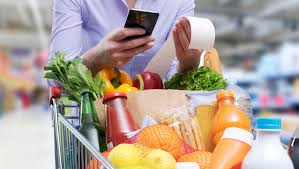
When using technology, always review your order carefully. Check for any errors. Make sure the discounts were applied correctly.
Technology is a tool to help you. But you still need to be the smart shopper making the final decisions.
Common Pitfalls to Avoid
Even with the best intentions, it’s easy to fall into grocery shopping traps. Being aware of these pitfalls can help you steer clear of them.
One big mistake is not checking your pantry before you shop. This leads to buying duplicates. It fills your home with food you don’t need.
Always do a quick scan of your fridge, freezer, and pantry. See what you have and what’s running low.
Another common error is impulse buying. Those tempting displays at the front of the store? They’re designed to make you buy things you didn’t plan for.
Stick to your list. If you see something interesting, write it down to consider for next week. Don’t buy it on the spot.
Shopping when hungry is another pitfall. As mentioned before, hunger makes everything look more appealing. This leads to buying more snacks and convenience foods.
These are often more expensive and less healthy. Have a snack before you go.
Not comparing unit prices is a huge missed saving opportunity. Always look at the price per ounce or pound. The larger package isn’t always the best deal.
This is a simple change that can save you a lot of money over time.
Finally, not planning meals at all is the root of many problems. Without a meal plan, your shopping list is haphazard. You end up buying too much or too little.
You waste food. You make more trips to the store. Meal planning is the foundation of smart shopping.
Grocery Shopping Mistakes to Avoid
Mistake: Not checking pantry inventory.
Result: Buying duplicates, food waste.
Mistake: Impulse buying.
Result: Overspending, buying unneeded items.
Mistake: Shopping while hungry.
Result: Buying more expensive, less healthy foods.
Mistake: Ignoring unit prices.
Result: Missing out on better deals.
Mistake: No meal plan.
Result: Disorganized shopping, food waste, extra trips.
Learning from your mistakes is part of the process. Don’t get discouraged. Each shopping trip is a chance to practice and get better.
The more you focus on these smart strategies, the more natural they will become.
Building Your Smart Shopping Habits
Becoming a top performer in smart grocery shopping isn’t an overnight change. It’s about building consistent habits. These habits make the process easier and more effective over time.
Start small. Pick one or two new habits to focus on each week. Maybe this week, you commit to always making a shopping list.
Next week, you focus on organizing that list by store section. Gradually add more strategies.
Consistency is key. Try to do your main grocery shop on the same day each week. This helps create a routine.
It makes planning and shopping a regular part of your life, not a chore you dread.
Review your efforts. After each shopping trip, take a moment. What went well?
What could you do better next time? This self-reflection is vital for improvement. It helps you refine your approach.
Involve your family. If you shop for a family, get them involved. Ask them for meal suggestions.
Teach them about smart shopping habits. When everyone is on board, it’s easier to stick to the plan.
The goal is to make smart shopping feel less like work and more like a normal, efficient part of your week. It’s about gaining control over your food choices, your budget, and your time.
Developing Lasting Habits
Start Small: Implement one new habit at a time.
Be Consistent: Aim for a regular shopping schedule.
Reflect and Adjust: Review your trips and identify areas for improvement.
Involve Your Family: Make it a team effort.
Celebrate Progress: Acknowledge your successes, no matter how small.
Stay Flexible: Life happens; adapt your plans as needed.
Remember that perfection isn’t the goal. The aim is progress. Every step you take towards more organized, mindful shopping is a win.
It leads to less stress, more savings, and better meals for you and your loved ones.
Frequently Asked Questions
What is the most important part of smart grocery shopping?
The most important part is meal planning. Knowing what you will cook for the week helps you create an accurate shopping list. This prevents impulse buys and food waste, saving you time and money.
How can I save money on groceries without sacrificing quality?
Focus on unit pricing to find the best deals. Buy store brands for staples, use sales and coupons strategically for items you need, and reduce food waste by planning meals and storing food properly. Prioritize whole foods over processed items.
Is it better to shop online or in person?
It depends on your priorities. Online shopping offers convenience and saves time, but may have fees and you can’t pick your own produce. In-person shopping allows you to select fresh items yourself and avoid delivery costs.
Both can be smart if planned well.
How often should I go grocery shopping?
For most people, one main trip per week is ideal. This allows for thorough planning and shopping. Shorter, targeted trips for a few items can be done as needed, but aim to minimize them to save time and prevent impulse buys.
What should I do if I have a very tight grocery budget?
Focus heavily on meal planning and using what you already have. Prioritize versatile staples like rice, beans, and pasta. Look for sales on basic proteins.
Minimize pre-packaged or convenience foods. Consider growing some of your own herbs or vegetables if possible.
How can I reduce food waste at home?
Accurate meal planning is key. Store food properly to extend its shelf life. Use leftovers creatively for lunches or other meals.
Freeze food before it spoils. Understand “best by” dates and use your senses to determine food safety. Make a conscious effort to use up all the food you buy.
Are store brands really as good as name brands?
Often, yes. Store brands are usually made by the same manufacturers as name brands. They tend to be significantly cheaper because they don’t have the same marketing costs.
It’s worth trying them for staples to see if you notice a difference.
Conclusion
Mastering smart grocery shopping is a journey. It’s about thoughtful planning and mindful choices. By focusing on meal plans, organized lists, and smart store navigation, you can save time and money.
Reducing food waste and staying within budget are also key. These habits lead to better meals and less stress. Start implementing these tips today and see the difference they make.




Leave a Reply