
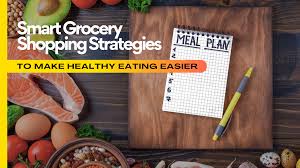
Finding healthy, tasty food can feel like a challenge. You want good meals but feel overwhelmed. The grocery store aisles are packed.
Meal planning seems so complicated. Many people struggle with this daily. It’s hard to find time and a simple way to get it done.
This guide will help you shop smarter. You’ll learn how to plan meals easily. We’ll show you how to make your food routine flow smoothly.
Get ready to save time and money. Feel good about what you eat every day.
Smart grocery shopping and a daily meal workflow involve planning meals, making a list, sticking to it, and prepping food ahead. This approach saves time, reduces waste, and helps you eat healthier consistently.
Understanding Smart Grocery Shopping
Smart grocery shopping is more than just buying food. It’s about making choices that fit your life. It means buying what you need.
It also means avoiding things you don’t. This helps your budget. It also cuts down on food waste.
When you shop smart, you feel in control. You know what’s for dinner. You have the right ingredients.
This makes cooking fun, not a chore.
Think about your meals for the week. What will you eat? What do you need to make it?
A good plan stops impulse buys. Impulse buys often lead to wasted food. They also cost more money.
Smart shopping is about being prepared. It’s about knowing your kitchen needs. It’s about knowing your family’s tastes.
It makes your food budget work better. It helps you eat a wider variety of foods.
Why Meal Planning Matters
Meal planning is the backbone of smart shopping. It tells you what to buy. It stops you from wandering the store.
It keeps you on track with your goals. Goals might be eating healthier. Or maybe it’s saving money.
Perhaps it’s just reducing stress. Having a plan makes life easier. You don’t have to think about food all the time.
When you plan, you see patterns. You might notice you always buy too much pasta. Or you always forget to buy fresh herbs.
Planning helps you spot these habits. You can then adjust. This makes your shopping trips more effective.
You buy only what is needed. This means less food goes bad in your fridge. It means you spend less money on groceries each week.
It’s a win-win for your wallet and your kitchen.
My Own Grocery Shopping Wake-Up Call
I remember one Tuesday evening. It was late. I was tired after a long day at work.
My fridge was pretty empty. I had a few random items. Nothing really went together for a meal.
I felt that familiar pang of panic. What were we going to eat? I ended up at the convenience store.
I grabbed some pre-made sandwiches. They were not healthy. They also cost a small fortune.
I felt a wave of annoyance at myself. Why did I let this happen again? It was a wake-up call.
That night, I vowed to change. I realized my scattered approach was costing me. It cost me money.
It cost me my health goals. It cost me peace of mind. I sat down the next day.
I pulled out a simple notepad. I started listing meals for the next week. I thought about what I had.
I looked at what was on sale. I wrote down everything I needed. It felt like a small step.
But it was the start of something big. My grocery trips got shorter. My fridge became organized.
My meals got healthier. It all started with that one night of frustration and a simple plan.
Smart Shopping Habits to Start Today
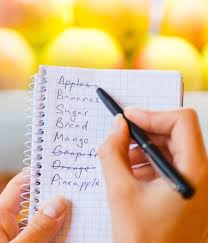
Make a List: Always write down what you need. Check your pantry first.
Don’t Shop Hungry: You’ll buy more junk food.
Buy in Bulk Wisely: Only buy what you’ll use before it spoils.
Look at Unit Prices: The bigger package isn’t always cheaper per ounce.
Seasonal Produce: Fruits and vegetables are cheaper and tastier when in season.
Building Your Daily Meal Workflow
A daily meal workflow is your plan in action. It’s how you make mealtime simple. It’s not about fancy cooking.
It’s about being organized. It means having a routine. This routine helps you get meals on the table.
It makes cooking feel easy. It helps you use the food you buy.
This workflow usually starts before you even shop. It’s the planning part. Then it flows into your shopping trip.
After shopping, it moves to food prep. Finally, it’s the actual cooking. Having a smooth flow makes a big difference.
It removes the guesswork. It removes the last-minute stress. You always know what’s next.
Your kitchen becomes a happy place.
The Essential Meal Planning Steps
Let’s break down meal planning. It’s not as hard as it seems. Start with a few basic steps.
These steps will guide you each week. They make the whole process manageable. Don’t try to do too much at once.
Start simple and build from there.
First, take stock of what you have. Look in your pantry. Check your fridge and freezer.
What ingredients can you use up? This prevents waste. It also saves you money.
Next, think about your schedule for the week. Do you have busy nights? Plan quick meals for those days.
Do you have more time on weekends? Save more involved recipes for then. Having this schedule helps you pick the right meals.
Quick Meal Plan Outline
Monday: Quick Pasta Dish (use pantry staples)
Tuesday: Taco Night (use ground meat, beans)
Wednesday: Sheet Pan Chicken and Veggies (easy cleanup)
Thursday: Leftover Buffet (use up what’s left)
Friday: Homemade Pizza (fun and customizable)
Saturday: Slow Cooker Meal (set and forget)
Sunday: Roast Chicken (great for leftovers)
Once you have your schedule, pick your meals. Aim for variety. Try to include different proteins.
Use a mix of vegetables. Think about balance. Don’t forget about breakfast and lunch.
These can often be simpler. Leftovers are your friend here. A big batch of soup can feed you for days.
Finally, write your grocery list. Group items by section of the store. This saves time.
It stops you from backtracking. It also helps you remember everything. A well-organized list is key.
It’s the bridge between your plan and your shopping trip.
Making Your Grocery List Smart
Your grocery list is your map. It guides you through the store. A smart list makes shopping fast.
It prevents impulse buys. It ensures you get what you need. The best lists are organized.
They mirror the store layout. This is a simple trick. It saves you time and frustration.
Start by sorting your list. Put produce items together. Then group dairy.
Do the same for meats, frozen foods, and dry goods. If you know your store well, you can group them by aisle. This means you can walk through the store once.
You grab everything on your list as you go. You don’t have to wander around. You don’t get sidetracked by tempting displays.
List Organization Example
Produce:
- Spinach
- Tomatoes
- Onions
- Bananas
Dairy:
- Milk
- Yogurt
- Cheese
Proteins:
- Chicken Breasts
- Ground Beef
Pantry:
- Pasta
- Canned Beans
- Rice
Be specific on your list. Don’t just write “vegetables.” Write “broccoli,” “carrots,” and “bell peppers.” This avoids confusion. It ensures you buy the right things.
It also helps you track quantities. How many onions do you need? How much milk?
Being precise is important.
Review your list before you leave home. Did you forget anything? Did you add something you don’t need?
This quick check is vital. It stops last-minute additions. It keeps you focused on your mission.
A good list is a confident shopper’s best friend.
Navigating the Grocery Store Like a Pro
The grocery store can be a battlefield. So many choices. So many tempting deals.
To shop smart, you need a strategy. The first rule is to stick to your list. That list is your shield.
It protects you from impulse buys. These are the items that aren’t planned. They often end up wasted.
They also inflate your grocery bill.
Another pro tip is to shop the perimeter. Most fresh foods are found here. This includes produce, dairy, meat, and seafood.
The inner aisles often contain processed foods. These are usually more expensive. They are also less healthy.
Focus your shopping on the outer edges of the store. That’s where the real food lives.
Store Navigation Strategy
Start with Produce: Get your fruits and veggies first. They are the most fragile.
Move to Proteins: Next, grab your meats or plant-based proteins.
Dairy and Cold Items: Pick these up as you get closer to the checkout.
Pantry Staples Last: Dry goods and canned items can wait. They don’t need refrigeration.
When you’re in the aisles, be mindful. Read labels. Compare prices.
Look at the unit price. This is the cost per ounce or per pound. It tells you the true value.
Sometimes a smaller package is cheaper. Don’t be afraid to walk away from a deal if it’s not on your list.
Finally, try to shop when it’s less crowded. Weekday mornings are often good. This gives you space to think.
It helps you avoid rushing. Rushing leads to mistakes. It leads to buying things you don’t need.
A calm shopping trip is a successful shopping trip.
The Power of Food Prep
Food prep is where your plan truly comes alive. It’s the step between shopping and cooking. It makes cooking during the week much faster.
It means you can grab healthy ingredients easily. This saves so much time. It makes eating well feel effortless.
What is food prep? It’s simply getting ingredients ready before you need them. This can mean washing and chopping vegetables.
It can mean cooking grains like rice or quinoa. It can mean portioning out snacks. It can even mean cooking entire meals ahead of time.
Common Food Prep Tasks
- Wash and chop produce: Bell peppers, onions, carrots, celery.
- Cook grains: Rice, quinoa, oats, pasta.
- Hard-boil eggs: Great for snacks and salads.
- Portion proteins: Cook chicken breasts or ground beef.
- Make dressings or sauces: Vinaigrettes, pesto.
- Assemble grab-and-go snacks: Nuts, dried fruit, cheese sticks.
I started with simple prep. I would wash lettuce. I would chop a few carrots.
Then I moved to bigger tasks. I would cook a batch of chicken. I would roast a tray of vegetables.
It took a few hours on Sunday. But it saved me an hour each night during the week. That time was well spent.
It meant I could relax more. It meant I wasn’t scrambling for dinner.
The key is to find what works for you. You don’t have to do it all at once. Start small.
Wash your berries. Chop your onions for the first few meals. As you get comfortable, add more tasks.
Food prep makes your healthy eating goals achievable. It makes weeknights so much smoother. It takes the stress out of “What’s for dinner?”
Creating Your Daily Routine
A daily routine ties it all together. It’s about consistency. It’s about making these steps a habit.
It doesn’t need to be rigid. It just needs to be something you can follow. Your routine will evolve.
It will get better with practice.
Let’s think about a typical day. Morning: Check your plan for the day. What’s for breakfast?
Is there any quick prep needed? Lunch: Use prepped ingredients. Pack your lunch if you’re going out.
Afternoon: Maybe a quick snack. Evening: Prepare and eat your planned dinner. Clean up: Put away leftovers.
Wash dishes or load the dishwasher.
Sample Daily Food Routine
Morning (7 AM – 8 AM):
- Eat a planned breakfast (e.g., oatmeal with fruit).
- Quickly review dinner plan for the evening.
Midday (12 PM – 1 PM):
- Eat a prepped lunch (e.g., salad with pre-cooked chicken).
Evening (5 PM – 7 PM):
- Prepare dinner using prepped ingredients.
- Enjoy your meal.
- Clean up kitchen.
The weekend is often where the magic happens for your routine. Spend some time on Sunday. Plan your meals for the week.
Do your grocery shopping. Then, do your food prep. Wash and chop veggies.
Cook grains. Portion out snacks. This batch prep makes your weekdays so much easier.
It sets you up for success.
Don’t aim for perfection. Aim for progress. Some days will be smoother than others.
That’s okay. The goal is to build a system. A system that supports your health.
A system that saves you time and money. Your routine is a tool. It’s a tool to make your life better.
Real-World Scenarios and Habits
Life happens. Schedules change. Sometimes you’re just too tired to cook.
Your smart grocery shopping and workflow need to be flexible. Think about common scenarios. How can your plan adapt?
Consider a busy work night. You have a planned meal. But a meeting runs late.
You get home an hour later than usual. What do you do? If you have prepped ingredients, you can still make it work.
Chopped veggies are ready. Cooked chicken is in the fridge. You can throw together a quick stir-fry or salad.
If you didn’t prep, this scenario leads to takeout. Having a backup plan is smart.
Adapting to Busy Nights
Scenario: Unexpected late meeting.
Prepared Solution: Use pre-chopped veggies and pre-cooked protein. Whip up a quick meal in 15-20 minutes.
Unprepared Consequence: Order expensive, less healthy takeout.
Another habit to consider is eating out. We all do it. If you plan to eat out, adjust your grocery list.
Don’t buy ingredients for a meal you won’t cook. Or, plan to use leftovers. If you have a big meal planned for Sunday, eat it throughout Monday.
This cuts down on needing new ingredients.
Think about your family’s habits too. Do your kids prefer certain meals? Do they have specific snacks they like?
Incorporate those into your plan. A plan that doesn’t fit your family’s life won’t stick. Make it work for everyone.
This might mean having a few “go-to” meals. These are meals you can always fall back on.
The design of your kitchen can also affect your workflow. Is your pantry organized? Is your fridge clean?
Easy access to ingredients makes prep faster. If your kitchen is cluttered, it can feel like a barrier. Spend a little time organizing.
It makes a big difference. Clear counters and organized shelves speed things up. They make cooking more enjoyable.
When Your Food Choices Are Normal
It’s important to know what normal looks like. Normal means your meal plan is mostly followed. It means you’re buying food you eat.
It means you’re not throwing out half your groceries. It means you feel generally good about your food choices. You might have a few off nights.
You might buy a treat now and then. This is all normal and perfectly fine.
Your pantry should have staples. You should have ingredients you use often. Your fridge should have fresh items.
Your freezer can hold proteins and other items. You have a system for meal planning. You have a routine for shopping.
You do some amount of food prep.
Signs of a Healthy Food Routine
- You generally know what’s for dinner each night.
- Your grocery bill is predictable and manageable.
- You throw away very little food.
- You feel satisfied with your meals.
- You have a basic plan for the week.
Normal also means you’re not stressed about food. You don’t dread grocery shopping. You don’t feel guilty about what you eat.
You have a balanced approach. You allow for flexibility. You enjoy your food.
This is the goal of smart shopping and a good workflow.
When to Worry About Your Food Habits
There are times when things might not be going so well. It’s good to recognize these signs. If you’re constantly buying food you don’t use, that’s a concern.
It means money is being wasted. It means food is going to the landfill. It’s a sign that your planning or shopping isn’t working.
If you’re always ordering takeout because you “have nothing to eat,” that’s another red flag. This suggests your pantry is bare. Or your meal plan is not realistic.
It can also mean you’re not doing any food prep. This can become expensive and unhealthy very quickly.
Warning Signs in Your Food Habits
Wasted Food: You frequently toss out produce or leftovers.
Constant Takeout: You rely on restaurants most nights.
Grocery Bill Shock: Your weekly grocery cost is much higher than planned.
Stress Around Meals: You feel anxious about what to cook.
Lack of Variety: You eat the same few meals over and over.
If your grocery bill keeps going up. And you can’t figure out why. It’s time to look at your habits.
Are you buying too many convenience items? Are you buying things not on your list? Are you wasting food that you paid for?
Feeling constantly unhealthy or lacking energy. And you suspect your diet might be part of it. This is a sign to re-evaluate.
Your food choices have a big impact on your well-being. If your current system isn’t supporting your health. It’s time for a change.
Simple Checks and Next Steps
If you see some of those warning signs. Don’t get discouraged. The first step is recognizing the issue.
The next step is making small changes. You don’t need a complete overhaul.
Start by tracking your food waste for a week. Write down everything you throw away. Why did you throw it away?
Was it spoiled? Did you forget about it? This gives you clear insight.
Easy Food Waste Tracker
Item Thrown Away: (e.g., Half a head of lettuce)
Reason: (e.g., Wilts too fast, forgot it was there)
Potential Solution: (e.g., Buy smaller heads, use in smoothies)
Next, try making a meal plan for just three days. Write down the meals. Then write down the exact ingredients you need.
Go to the store and buy only those things. See how that feels. Does it reduce waste?
Does it make cooking easier?
If takeout is your go-to. Try planning for one takeout meal a week. And cooking the rest.
Or, plan for one night a week to eat leftovers. These small adjustments can make a big difference. They help you regain control.
Focus on one area at a time. Maybe this week you focus on making a better grocery list. Next week, you try a new food prep task.
Small, consistent steps lead to lasting change. Celebrate your successes. Be kind to yourself on tough days.
Quick Tips for Smarter Shopping
Here are some extra tips to make your grocery trips and meal routine even better.
Use a calculator. When comparing prices, especially for items like cereal or snacks, use your phone’s calculator. Divide the total price by the weight or quantity to see the true unit price. This helps you avoid buying a larger package that isn’t actually cheaper.
Check clearance sections. Many stores have a clearance area for items nearing their sell-by date. This can be a great place to find deals on bread, dairy, or even meat. Just be sure you can use or freeze them before they expire.
Bonus Smart Shopping Tips
Store Brands: Often just as good as name brands, but cheaper.
Loyalty Programs: Sign up for store loyalty cards. They offer discounts and rewards.
Online Shopping: Use online tools to compare prices quickly. But stick to your list!
Freeze Extras: Bought too much bread? Freeze half. Got a great deal on chicken?
Freeze some for later.
Buy store brands. Generic or store brands are usually less expensive than name brands. They often taste the same. Try them out.
You might be surprised. This can cut your grocery bill significantly.
Freeze what you won’t use. If you buy a large pack of meat or a bunch of herbs, and you know you won’t use it all, freeze it. Portion it out before freezing. This prevents waste and saves you money in the long run.
Plan for leftovers. When you cook a meal, make a little extra. That extra portion can be lunch the next day. Or it can be dinner on a night you didn’t plan to cook.
This is a simple form of food prep.
Frequently Asked Questions
How often should I plan my meals?
Most people find planning meals once a week works best. Saturday or Sunday is often a good time. It allows you to shop for the week ahead. Some people prefer to plan for just a few days at a time. Find a schedule that fits your life.
What if I don’t like cooking?
Meal planning and smart shopping can help even if you dislike cooking. Focus on simple recipes. Try “sheet pan” meals where everything cooks on one pan. Prep ingredients ahead of time. This makes cooking faster and less of a chore. Batch cooking can also help.
How can I save money on groceries?
Making a list and sticking to it is key. Buy in-season produce. Compare unit prices. Consider store brands. Use coupons and loyalty programs. Reduce food waste by planning meals and using what you buy. Cooking from scratch is often cheaper than buying pre-made foods.
Is it better to shop online or in the store?
Both have pros and cons. Online shopping can save time and help you stick to a list. It’s easy to compare prices. However, you can’t see produce quality. In-store shopping lets you pick the best items. It also helps you avoid impulse buys in the aisles. Many people use a mix of both.
What is the best way to store fresh produce?
Proper storage keeps produce fresh longer. Some items like onions and potatoes do best in a cool, dark place. Others, like berries, should be kept in the fridge. Wash produce right before you use it, not before storing. Research specific needs for different fruits and vegetables.
How much food prep is too much?
There’s no such thing as too much food prep if it helps you. But don’t burn yourself out. Start with tasks you find easy. Gradually add more complex prep. The goal is to make your week easier, not add more stress. If a task feels like too much, scale it back.
Conclusion
Smart grocery shopping and a good daily meal workflow are powerful tools. They help you eat better. They save you time and money.
They reduce stress around food. It’s about planning, preparing, and being organized. Even small changes can make a big difference.
Start today with one simple step. Make a list. Try a new recipe.
Or just do a little food prep. Your future self will thank you. Enjoy the ease and health benefits of a well-managed food life.


Leave a Reply