
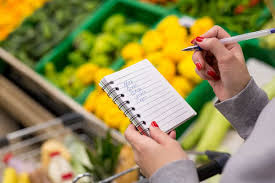
The Simple Path to Smart Shopping and Meal Prep
Shopping smart means knowing what you need. It means avoiding impulse buys. Meal prep means getting a head start on your cooking.
This saves time during busy weeks. It also helps you eat healthier. You control what goes into your food.
We will break down these ideas into easy steps. Think of this as your friendly guide.
Smart grocery shopping and meal prep are achievable goals for beginners. They involve planning meals, making a shopping list, choosing versatile ingredients, and preparing components ahead of time. This approach saves money, reduces food waste, and promotes healthier eating habits with less daily stress.
What Smart Grocery Shopping Really Means
Smart grocery shopping is more than just filling your cart. It’s about being a detective. You’re looking for the best deals.
You’re picking out foods that work for your meals. You want to avoid buying things you won’t use. This saves your wallet and the planet.
It means less food goes to waste.
Think about your week. What will you eat? When will you eat?
Having a plan is key. A plan stops you from buying extra snacks. It stops you from buying that fancy item you’ll only use once.
It helps you focus on what you truly need. This makes your shopping trip faster too. Less time wandering means more time for you.
Why Meal Prep Feels Tough (And How to Fix It)
Many folks think meal prep means cooking huge batches of food. They imagine spending all Sunday in the kitchen. That’s a lot of pressure!
It doesn’t have to be that way. Meal prep can be simple. It can mean just chopping veggies.
It can mean cooking a pot of rice. Or it can mean making a big batch of chicken.
The goal is to make weeknights easier. When you get home from work, dinner is half done. Or maybe you just need to assemble a salad.
This saves you from ordering takeout. It helps you stick to your health goals. Even a little bit of prep makes a big difference.
It’s about giving yourself a break later in the week.
My Own “Oh No!” Grocery Moment
I remember my first real attempt at being a “smart shopper.” I’d read all the blogs. They said to plan meals. They said make a list.
So, I sat down with a blank notebook. I wrote down “Taco Tuesday.” And then. nothing.
I had no idea what else to put. I felt a wave of panic. What if I forgot something vital?
I marched into the grocery store with a vague idea. I bought ground beef. I bought some lettuce.
Then I saw a big bag of tortilla chips on sale. “Great for snacks!” I thought. I grabbed a few more things that looked good.
I ended up with a cart full of random items. Back home, I realized I had no salsa, no cheese, and not enough tortillas. The taco night was a flop.
And I had spent way more than I planned. That’s when I knew I needed a better system. A system that worked for real life, not just for Pinterest.
Smart Shopping Staples
Build a Base: Always try to have these on hand.
- Rice or quinoa
- Pasta
- Canned beans (black, kidney, chickpeas)
- Canned tomatoes (diced, crushed)
- Onions and garlic
- Eggs
- Oats
- Frozen vegetables (peas, corn, broccoli)
Planning Your Meals: The Foundation
This is where the magic starts. Don’t overthink it. Just think about a few meals.
Start with maybe three dinners for the week. What do you like to eat? Think about what’s on sale.
If chicken breasts are cheap, plan a chicken dish. If pasta is on sale, plan a pasta night. Keep it simple.
Here’s a simple way to start. Pick one protein. Pick one vegetable.
Pick one starch. For example: Chicken breast, broccoli, rice. Or: Ground beef, green beans, potatoes.
Or: Lentils, carrots, quinoa. This basic formula makes planning easy. It also helps you buy versatile ingredients.
You can use chicken in stir-fry, salads, or pasta.
Don’t forget breakfast and lunch. Oatmeal is easy for breakfast. Sandwiches or salads work for lunch.
Leftovers from dinner are also great for lunch. This makes your grocery list shorter. It makes your shopping trip faster.
Quick Meal Idea Formula
Your Weeknight Win:
- Protein: Chicken, fish, beans, tofu, eggs
- Veggie: Broccoli, spinach, bell peppers, sweet potatoes
- Starch: Rice, pasta, potatoes, bread
Example: Baked chicken + Roasted sweet potatoes + Steamed green beans.
Making Your Grocery List: Your Roadmap
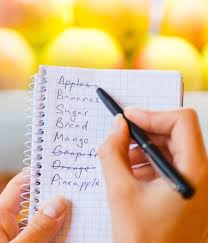
Once you have your meal ideas, make a list. Group items by store section. This saves time walking back and forth.
Put produce together. Put dairy together. Put pantry items together.
This makes shopping much faster.
Look through your pantry and fridge first. What do you already have? Cross those items off your list.
This stops you from buying duplicates. It also helps you use up what you own. This reduces waste.
A good list is your best friend in the store.
Be specific on your list. Instead of “vegetables,” write “2 bell peppers” or “1 bag of spinach.” This stops you from buying too much or too little. It helps you stay on track.
Your list is your guide. Stick to it as much as possible.
List-Making Hacks
Shop Smarter, Not Harder:
- Organize by Aisles: Produce, Meat, Dairy, Grains, Canned Goods, Frozen.
- Check Your Stock: Always look before you list.
- Be Specific: “1 lb ground beef” instead of “meat.”
- Add Staples: Don’t forget your go-to items.
Navigating the Store Like a Pro
Walk down the aisles with purpose. Try to avoid browsing. If it’s not on your list, don’t pick it up.
This is where impulse buys happen. Those tempting cookies or that extra bag of chips can add up fast.
Pay attention to unit prices. This is the price per ounce or pound. Sometimes a larger package is cheaper.
Sometimes it’s not. The unit price is usually on the shelf tag. It helps you see the real savings.
Look for sales and use coupons. But only for things you will actually use.
Consider store brands. They are often much cheaper. The quality is usually just as good.
Don’t be afraid to try them. You might find a new favorite. Stick to the perimeter of the store first.
This is where fresh items are usually found: produce, meat, dairy. Then go into the center aisles for pantry staples.
Sales and Savings
Maximize Your Budget:
- Look for Flyers: Check weekly ads before you go.
- Buy in Bulk (Smartly): Only if you’ll use it all.
- Manager Specials: Often near the meat or bakery, for items nearing their date.
- Loyalty Programs: Sign up for store rewards.
Choosing Versatile Ingredients
This is a game-changer for both shopping and prep. Think about ingredients that can be used in many ways. Chicken is a great example.
You can bake it, grill it, or shred it for tacos. Spinach can go in salads, smoothies, or cooked dishes.
Root vegetables like potatoes and sweet potatoes are also super useful. Roast them, mash them, or add them to stews. Rice and pasta are filling bases for many meals.
Canned beans are cheap protein. They work in chili, salads, or as a side dish.
Having these versatile items on hand means you can be more flexible. If your original meal plan changes, it’s okay. You have the building blocks for something else.
This reduces stress and food waste. It makes you a more confident cook.
Kitchen Heroes: Versatile Foods
Mix and Match Masters:
- Proteins: Chicken breasts, ground turkey, canned tuna, eggs, lentils, beans.
- Vegetables: Onions, garlic, bell peppers, spinach, broccoli, carrots.
- Starches: Rice, pasta, potatoes, oats, tortillas.
- Fruits: Apples, bananas, berries (fresh or frozen).
The Art of Simple Meal Prep
Meal prep doesn’t have to be a full-day event. It’s about getting ahead. What can you do in 30 minutes that makes your week easier?
Maybe it’s just washing and chopping vegetables. Or cooking a big batch of grains.
Think about components. Cook a big chicken breast. You can slice it for salads later.
Or shred it for sandwiches. Cook a pot of rice or quinoa. This is ready for stir-fries or bowls.
Chop up onions, peppers, and carrots. Store them in containers. They are ready to go for omelets or pasta sauce.
Even small tasks help. Portion out snacks. Make overnight oats for breakfast.
These little steps save so much time and mental energy later. You come home, and a healthy meal is within reach. No last-minute scrambling.
Prep-Ahead Power Moves
Easy Wins for Busy Weeks:
Wash & Chop: Fruits and veggies.
Cook Grains: Rice, quinoa, oats.
Batch Cook Protein: Chicken, hard-boiled eggs.
Portion Snacks: Nuts, fruit, yogurt.
Make Dressings/Sauces: Vinaigrettes, simple marinara.
When Prep Goes Wrong: A Real-Life Hiccup
One week, I decided to prep everything. I cooked chicken. I roasted a huge tray of vegetables.
I made a big batch of lentil soup. I felt so proud. I packed my lunches for the week.
Then Monday morning rolled around. I opened my fridge. The chicken looked a little sad.
The roasted vegetables were a bit mushy. The lentil soup was fine, but I was already tired of it.
I realized I had prepped too much of the wrong things. I also didn’t plan for variety. By Wednesday, I was craving something different.
I ended up ordering pizza. The point of prep is to make healthy eating easier. But if you’re not enjoying it, it backfires.
It’s a lesson learned. Prep smart, not just hard. And always leave room for a little spontaneity!
Storage is Key: Keeping Food Fresh
Good storage keeps your prepped food safe and tasty. Use airtight containers. Glass containers are great because they don’t stain or hold odors.
Plastic containers are lighter for on-the-go meals. Make sure everything is cool before you put it in the fridge.
Label your containers. Write what’s inside and when you made it. This helps you use things up in time.
Most cooked food lasts about 3-4 days in the fridge. Some things, like hard-boiled eggs, last a bit longer. Vegetables might get soggy faster.
If you’re prepping for the whole week, consider freezing some meals. Soups, stews, and cooked grains freeze well. Portion them into freezer-safe containers.
This way, you have quick meals ready for weeks to come. Just thaw them in the fridge overnight.
Container Guide
Best Practices for Food Storage:
- Airtight: Essential to keep food fresh.
- Glass vs. Plastic: Glass is durable; plastic is lightweight.
- Labeling: Date and contents help track freshness.
- Cool Down: Let food reach room temp before sealing and refrigerating.
- Freezer-Safe: Use bags or containers designed for freezing.
Putting It All Together: Your First Smart Week
Let’s plan a simple week. This uses the ideas we talked about.
Meal Ideas:
- Monday: Baked chicken with roasted sweet potatoes and green beans.
- Tuesday: Tacos (ground turkey, corn tortillas, lettuce, tomatoes).
- Wednesday: Pasta with marinara sauce and a side salad.
- Thursday: Leftover pasta or taco meat bowls.
- Friday: Homemade pizza on pre-made crusts.
Prep List (Sunday):
- Bake chicken breasts (4-6).
- Roast sweet potatoes (enough for Monday and maybe Thursday bowls).
- Cook a batch of rice (for Tuesday bowls).
- Wash and chop lettuce, tomatoes, and onions.
Grocery List:
- Chicken breasts
- Sweet potatoes
- Green beans
- Ground turkey
- Corn tortillas
- Taco seasoning
- Lettuce
- Tomatoes
- Onions
- Pasta
- Marinara sauce
- Salad greens
- Salad dressing
- Pre-made pizza crusts
- Pizza sauce
- Cheese
On Monday, dinner is easy. Just heat and serve. For Tuesday, you can make quick taco bowls with the turkey, rice, and chopped veggies.
Wednesday is simple with jarred sauce. Thursday uses leftovers. Friday is a fun, easy meal.
Smart Shopping Scenario
A Balanced Week:
Breakfasts: Oatmeal, yogurt with fruit.
Lunches: Leftovers, sandwiches, salads.
Dinners: Planned meals using versatile ingredients.
Snacks: Fruit, nuts, raw veggies with dip.
When Is This “Normal” and When to Worry?
It’s normal to have a week where you didn’t shop perfectly. Or maybe you didn’t prep as much as you wanted. Life happens.
The key is to get back on track. Don’t let one “off” day turn into a whole week.
You might worry if you’re consistently spending too much on food. Or if you always feel stressed about what to eat. If you find yourself throwing away a lot of food often, that’s a sign too.
These are signals to adjust your plan. Maybe you need simpler meals. Maybe you need to check sales more closely.
If you have specific dietary needs or health concerns, always talk to a doctor or a registered dietitian. They can give you personalized advice. This guide is for general smart eating and saving money.
It’s not medical advice.
Red Flags to Watch For
Signs You Might Need to Tweak Your Plan:
- Budget Burnout: Consistently overspending on groceries.
- Food Waste Frenzy: Lots of food going bad before you use it.
- Mealtime Meltdown: Feeling stressed or overwhelmed by cooking daily.
- Unhealthy Habits: Relying heavily on takeout or processed foods.
Quick Tips for Immediate Wins
Don’t try to do everything at once. Pick one thing to start with. Maybe it’s just making a list.
Or maybe it’s prepping one type of vegetable. Small wins build confidence.
Use frozen fruits and vegetables. They are just as nutritious as fresh. They last much longer.
This means less waste and more convenience. They are often cheaper too.
Learn a few simple, go-to recipes. Ones that use few ingredients and are hard to mess up. Keep them in your back pocket for those days when you’re tired.
Having a few easy meals ready makes a big difference.
Beginner’s Toolkit
Start Small, Win Big:
Master One Recipe: Like spaghetti or grilled cheese.
Frozen is Fine: Embrace frozen fruits and veggies.
One Meal Prep Task: Chop onions once a week.
Stick to the List: Your best defense against impulse buys.
Your Most Asked Questions About Smart Shopping & Prep
What’s the easiest way to start meal prepping?
Start with one meal a day. Maybe just make your breakfast the night before. Overnight oats or portioning out cereal and fruit are simple.
Or prep just one component for dinner, like chopping veggies.
How can I save money on groceries without feeling deprived?
Focus on versatile staples like beans, rice, and pasta. Buy produce that’s in season. Look for sales and compare unit prices.
Plan meals around cheaper proteins. Don’t be afraid of store brands for pantry items.
I hate cooking. Can I still do meal prep?
Yes! Meal prep is about reducing work later. It doesn’t always mean cooking from scratch.
Prep could be assembling a salad kit. Or simply portioning out snacks. You can also rely on simple recipes like baked potatoes or quesadillas.
How much food should I prep for a week?
It depends on your needs. For beginners, prepping components is best. Think a big batch of rice, chopped onions, or cooked chicken.
If you want full meals, aim for 3-4 dinners. Any more might feel overwhelming or lead to food fatigue.
What are some beginner-friendly, quick weeknight meals?
Pasta with jarred sauce and a pre-made salad. Quesadillas with canned beans and cheese. Sheet pan dinners like sausage and peppers.
Stir-fries using pre-cut veggies and a simple sauce. Omelets or scrambled eggs with toast.
How do I avoid buying too much food I won’t use?
Make a very specific grocery list based on planned meals. Check your pantry and fridge before you shop. Stick to your list strictly in the store.
Avoid impulse buys by not browsing aisles unnecessarily.
Your Journey to Smarter Eating Starts Now
You’ve got this! Smart grocery shopping and meal prep are skills. They get better with practice.
Start small. Celebrate your wins. Be kind to yourself on days when things don’t go as planned.
You are learning a new way to manage your food and your time. It’s a journey, not a race.


Leave a Reply