
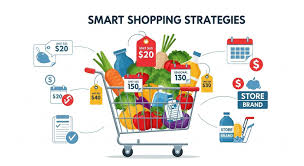
This article will help you understand how to shop smarter. We’ll look at how your income affects your choices. You’ll learn ways to save money without feeling deprived. Let’s make grocery shopping less of a headache and more of a win for your wallet.
Smart grocery shopping, especially when managing income, involves making informed choices about what to buy and how to buy it. It focuses on maximizing value, reducing waste, and aligning spending with your budget. Key strategies include meal planning, comparing prices, utilizing sales, and choosing cost-effective ingredients.
Understanding Your Grocery Budget
Your income plays a big role in how you shop for food. When money is tight, every dollar counts. It’s important to know exactly how much you can spend. This isn’t just about a number. It’s about planning your meals around that number.
Think about your paychecks. How much do you get each month? Then, look at your bills. Rent or mortgage, utilities, car payments – these come first. What’s left is what you have for everything else, including food. Setting a clear grocery budget is the first step to smart shopping.
Most people find it helpful to break down their monthly food budget into weekly amounts. This makes it feel more manageable. If your monthly budget is $400, that’s $100 a week. This simple math helps you see if you’re on track.
Meal Planning: The Foundation of Savings
Meal planning is the cornerstone of smart grocery shopping. It’s more than just deciding what to eat. It’s about looking at what you already have. It’s about seeing what’s on sale at the store. Then, you make a list based on all of this.
When I first started trying to save money, I’d just grab things I thought I’d need. This led to so much waste. Food would spoil in the fridge. I’d end up buying things twice. Meal planning changed all of that. It felt like a chore at first, but the results were amazing.
Start simple. Take a look in your pantry and fridge. What can you use up this week? What meals can you make from those items? Then, check the weekly ads for your local grocery stores. Plan meals around what’s on sale. This way, you’re buying things you will actually eat, and they’re often cheaper.
Your Weekly Meal Plan Steps
Check Your Stock: See what’s in your pantry, fridge, and freezer.
Browse Sales: Look at grocery store flyers for deals.
Plan Dinners: Decide on 5-7 dinners for the week.
Plan Lunches & Breakfasts: Use leftovers or simple options.
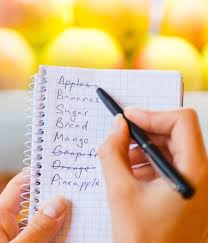
Create a Grocery List: Write down only what you need for your plan.
Making Smart Choices in the Store
Once you have your list, you’re ready for the store. But even in the store, smart choices matter. Not all products are created equal, especially when it comes to price and value.
One of the biggest tips is to compare unit prices. The price tag might show one cost, but that doesn’t always tell the whole story. Unit price tells you the cost per ounce, pound, or item. This is usually printed on the shelf tag.
For example, a small box of cereal might look cheaper. But a larger box often has a lower unit price. You get more cereal for your money. This applies to almost everything – from pasta to cleaning supplies.
Price Comparison Quick Guide
- Larger Sizes: Often cheaper per unit.
- Store Brands: Usually less expensive than name brands.
- Fresh vs. Frozen/Canned: Frozen and canned can be cheaper, especially out of season.
- Bulk Bins: Good for spices, grains, and nuts if you only need a little.
Another important thing is to stick to your list. It’s easy to get distracted by tempting displays or impulse buys. If it’s not on your list, try to resist. Remind yourself of your budget and your meal plan. This discipline is key to staying on track.
Understanding Store Brands and Generic Options
I remember when I was younger, I always thought name brands were better. My parents always bought them. But as I started managing my own household budget, I began to experiment. And guess what? Many store brands are just as good, if not better, and much cheaper.
Grocery stores create their own brands, like Kroger, Walmart’s Great Value, or Target’s Market Pantry. They often contract with the same manufacturers that make name brands. This means the quality can be very similar. The main difference is you’re not paying for the fancy advertising or brand name.
Generic products used to mean very basic packaging. Now, they often look very similar to name brands. For staple items like flour, sugar, milk, eggs, and canned goods, store brands are a fantastic way to save money. Always compare them to name brands on the shelf.
Store Brand vs. Name Brand: Key Differences
Price: Store brands are generally 20-50% cheaper.
Quality: Often very similar; check reviews or try a small amount first.
Ingredients: Can be identical or nearly identical.
Packaging: Usually simpler, focusing on function over flair.
Of course, there are exceptions. For some specialty items or products where quality is absolutely critical, a name brand might be worth it. But for everyday essentials, give store brands a try. You might be surprised how much you save.
Shopping Sales and Using Coupons Wisely
Sales and coupons can be great tools for saving money. But you need to use them smartly. Buying something just because it’s on sale isn’t saving money if you don’t need it.
This is where meal planning really helps. If you know chicken breast is on sale this week, plan a few chicken dishes. Don’t buy five pounds of chicken if you only need one for the week. This can lead to waste if it spoils.
For coupons, look for them in store flyers, newspapers, or online. Many grocery stores have apps where you can “clip” digital coupons. When using coupons, always check the expiration date. Make sure the coupon matches the exact product you’re buying.
Smart Couponing Tips
Plan Around Sales: Buy items on sale that you need.
Check Expiration Dates: Use them before they expire.
Stacking: See if you can use a store coupon and a manufacturer coupon on the same item.
Digital vs. Paper: Both can be effective; choose what works best for you.
One common mistake is buying an item on sale that you don’t normally use, just to save a few cents. This can lead to trying new things, which is fine sometimes. But if it sits in your pantry unused, it’s wasted money. Focus on deals for things you already buy and use.
Buying in Bulk: When It Makes Sense
Buying in bulk can seem like a great way to save money. For some items, it really is. But it’s not always the best choice for everyone or every product.
Think about non-perishable items that you use a lot. Things like rice, pasta, oats, canned goods, toilet paper, and cleaning supplies. If you have the storage space and you know you’ll use them before they expire or go bad, buying a larger size can lower your per-unit cost.
I learned this lesson with paper towels. I bought a huge pack. It took up so much space in my small pantry. Then, I realized I was running out of space for actual food items. Plus, the deal wasn’t as good as I thought compared to a sale on smaller packs.
Bulk Buying Checklist
Do you use it regularly?
Do you have storage space?
Will it expire or go bad before you use it all?
Is the unit price significantly lower than smaller sizes or sales?
For perishable items like fresh produce, dairy, or meat, buying in bulk can be risky. If you can’t use it all before it spoils, you’re throwing money away. Sometimes, buying a smaller amount and going to the store more often is better. Or, if you buy meat in bulk, plan to freeze portions right away.
The Role of Fresh vs. Frozen vs. Canned Produce
The produce aisle can be a source of healthy foods, but also a place where budgets can get strained. Fresh fruits and vegetables are wonderful, but their prices can change with the seasons.
This is where frozen and canned options become lifesavers. Frozen fruits and vegetables are picked at their peak freshness and then flash-frozen. This locks in nutrients. They are often cheaper than fresh, especially when they are out of season.
Canned goods are also very convenient and often very affordable. Look for cans packed in water or their own juices, with no added salt or sugar. These are great for stocking up and using in recipes.
Produce Choices: Pros and Cons
Fresh: Best flavor and texture, but can be expensive and seasonal.
Frozen: Nutritious, convenient, often cheaper than fresh year-round.
Canned: Very affordable, long shelf life, convenient for pantry staples.
Don’t be afraid to mix and match. Use fresh produce when it’s in season and on sale. Stock your pantry with canned tomatoes or beans. Keep frozen berries for smoothies or frozen corn for side dishes. This approach saves money and ensures you always have healthy options.
Minimizing Food Waste
One of the biggest drains on a grocery budget is food waste. When you throw away food, you’re literally throwing away money.
This goes back to meal planning and smart shopping. If you buy food you don’t use, it spoils. If you buy too much, it might go bad before you can eat it. Proper storage also plays a big part.
Learn to store your food correctly. Keep fruits and vegetables in the right conditions. Use airtight containers for leftovers. “First In, First Out” (FIFO) is a great rule for your fridge and pantry. Put newer items behind older ones so you use the older ones first.
Waste Reduction Strategies
- Proper Storage: Learn how to store different foods.
- Use Leftovers Creatively: Turn dinner scraps into lunch or another meal.
- “Eat Me First” Box: Designate a spot in the fridge for items nearing their end.
- Freezing: Preserve food nearing its expiration date.
Don’t feel guilty if you sometimes have to throw something away. The goal is to reduce it as much as possible. Small changes in how you shop, store, and use food can make a big difference to your budget.
Smart Protein Choices
Protein is an important part of a healthy diet. However, protein sources can also be some of the most expensive items on your grocery bill. Making smart protein choices is key.
Meat, poultry, and fish are popular choices. But they can be costly. Look for less expensive cuts of meat. For example, chicken thighs are often cheaper and more flavorful than chicken breasts. Ground turkey or chicken can be more budget-friendly than ground beef.
Plant-based proteins are excellent and very affordable. Beans, lentils, and chickpeas are packed with protein and fiber. They are incredibly versatile and can be used in soups, stews, salads, and even as meat substitutes in dishes like chili or tacos.
Budget-Friendly Protein Sources
Legumes: Beans (black, kidney, pinto), lentils, chickpeas.
Eggs: A versatile and inexpensive protein source.
Tofu and Tempeh: Plant-based options great for stir-fries and other dishes.
Canned Fish: Tuna and salmon can be good options when on sale.
Cheaper Meat Cuts: Chicken thighs, pork shoulder, ground meats.
You don’t need to eat meat at every meal. Incorporating plant-based protein sources a few times a week can significantly reduce your grocery bill. Plus, they offer great health benefits.
The Impact of Convenience Foods
Convenience foods are designed to save you time. Pre-cut vegetables, frozen meals, and pre-made sauces can be tempting when you’re busy. But they almost always come with a higher price tag.
Think about a bag of pre-cut carrots versus a whole bag of carrots. The pre-cut ones cost more because someone already did the chopping for you. The same applies to many other items.
While occasional convenience foods might be okay, relying on them can really add up. Making your own meals from scratch, even simple ones, is almost always more cost-effective. If you’re short on time, try dedicating an hour or two on the weekend to do some prep work.
Convenience Cost Comparison
Pre-cut Veggies: Higher cost for pre-chopped.
Frozen Meals: Often cost more per serving than cooking from scratch.
Pre-made Sauces: Can be expensive; simple ingredients make great sauces.
Snack Packs: Individual portions cost more than buying larger sizes and portioning yourself.
Even simple prep, like chopping vegetables for the week or cooking a batch of rice, can make weeknight meals much faster. This helps you avoid reaching for the more expensive convenience options.
Shopping on a Very Tight Budget
When income is very limited, grocery shopping becomes a true challenge. Every purchase must be carefully considered. The focus shifts to the absolute essentials.
On a very tight budget, you might rely heavily on staples like rice, beans, pasta, and oats. These are filling, nutritious, and very cheap. You’ll also want to maximize sales and use coupons aggressively.
Local food banks and community resources can be invaluable. Don’t hesitate to seek them out if you are struggling to put food on the table. Organizations like Feeding America provide resources and information on local assistance programs.
Tips for Ultra-Low Budgets
- Focus on Staples: Rice, beans, oats, potatoes.
- Maximize Sales: Buy only what’s on deep discount.
- Avoid All Processed Foods: Cook everything from basic ingredients.
- Seek Assistance: Food banks and government programs are there to help.
- Grow Your Own: Even a small herb garden can save money.
It’s also helpful to connect with others who are in similar situations. Sharing recipes and tips for stretching food can be a great source of support and practical advice.
Making Your Income Work for You
Ultimately, smart grocery shopping is about making your income work as hard as possible for you. It’s about being mindful and making deliberate choices.
This doesn’t mean you have to eat bland food or feel deprived. It means being strategic. It means planning ahead. It means understanding where your money is going and making sure it’s spent wisely.
By implementing these strategies, you can take control of your grocery spending. You can feed yourself and your family well without breaking the bank. It takes practice, but the rewards – both financial and in terms of reduced stress – are well worth the effort.
Frequently Asked Questions About Smart Grocery Shopping
Is it always cheaper to buy store brands?
Generally, yes. Store brands are typically less expensive than name brands because the marketing and packaging costs are lower. However, it’s always a good idea to compare unit prices to be sure.
For some specialty items, name brands might offer unique benefits that justify the cost.
How often should I go grocery shopping?
This depends on your lifestyle and storage space. For many, a weekly trip is ideal for planning meals and keeping things fresh. If you have limited storage or a very strict budget, you might need to shop more frequently, perhaps every few days, to buy only what you need.
What are some easy ways to save money on produce?
Buying produce that is in season is usually cheaper. Frozen and canned fruits and vegetables are also excellent budget-friendly options that are still nutritious. Don’t forget about less common but still healthy options like cabbage, carrots, and potatoes, which are often very affordable year-round.
How can I avoid impulse buying at the grocery store?
The best way is to stick to your grocery list. Before you go, plan your meals and list everything you need. Avoid shopping when you are hungry, as this can lead to impulse purchases.
Also, try to stick to the perimeter of the store, where most fresh foods are located, and minimize trips down the tempting center aisles.
What is unit pricing and why is it important?
Unit pricing tells you the cost of an item per standard unit of measurement, like per ounce, per pound, or per item. It’s usually listed on the shelf tag. It’s crucial because it allows you to accurately compare the value of different sizes or brands of the same product.
A larger package might have a higher total price but a lower unit price, meaning it’s a better deal.
Is it worth buying meat in bulk if I don’t have a lot of freezer space?
If you don’t have ample freezer space, buying large quantities of meat in bulk can lead to spoilage, which means wasted money. It’s better to buy what you can use within a few days or what you can safely freeze in smaller, manageable portions. Look for sales on smaller packages and plan your meals around those deals.
Conclusion
Mastering smart grocery shopping is a journey, not a destination. It’s about small, consistent changes that add up. By planning, comparing, and being mindful, you can make your income go further.
You’ve got this! Start with one or two strategies and build from there. Your wallet will thank you, and you’ll feel more in control of your food budget.



Leave a Reply