
We all want to save money on groceries. And we all want to eat well. But sometimes, it feels like a huge chore.
Figuring out what to buy and then planning meals can be tough. It’s easy to get overwhelmed. You might even feel like you’re just throwing money away on food you don’t eat.
This guide is here to help. We’ll look at the best ways to get smart about shopping. We’ll also explore how great newsletters and blogs can make it all easier.
Get ready to shop smarter and eat better.
Finding reliable information for smart grocery shopping and meal planning is key. The best newsletters and blogs offer practical advice, money-saving tips, and easy meal ideas. They help you reduce waste, stick to a budget, and enjoy delicious home-cooked meals without the stress.
Understanding Smart Grocery Shopping
Smart grocery shopping isn’t just about buying things on sale. It’s a whole approach to food. It means buying what you need.
It also means buying it at a good price. And importantly, it means using what you buy. Food waste is a big problem for many families.
It’s like throwing money right in the trash. Smart shopping helps stop this. It makes your food budget work harder for you.
You get more meals for less money.
This way of shopping takes a little practice. But the rewards are worth it. You’ll feel more in control of your kitchen.
You’ll also feel better about your impact on the planet. Less waste means less landfill. This is a win-win.
We can all do this. It starts with a few simple steps and the right information.
The Power of Meal Planning
Meal planning is the secret weapon of smart shoppers. It’s about deciding what you will eat. You do this before you go to the store.
This one step changes everything. You won’t wander the aisles aimlessly. You won’t grab things on impulse.
You’ll know exactly what ingredients you need. This saves time and money.
When you plan meals, you also reduce food waste. You use up what you buy. Leftovers can become new meals.
This is smart cooking. It helps you get creative in the kitchen. It also helps you eat healthier.
You are more likely to cook at home. This means fewer trips to expensive restaurants or fast food places.
My Kitchen Struggle: The Overstuffed Fridge
I remember a time when my fridge was a disaster. It was packed. So many things were crammed in.
I would buy things because they looked good or were on sale. Then they’d get pushed to the back. Weeks would go by.
I’d find sad, forgotten produce. Or maybe a half-used jar of something. It was so frustrating.
I felt guilty about the waste. I also felt stressed trying to figure out what to cook each night. My grocery bills were way too high.
It felt like I was always rushing. I’d grab whatever was easiest. This often meant less healthy choices.
I knew I needed to change something. I just didn’t know where to start. It took a while to realize the problem wasn’t just buying too much.
It was not planning. And it was not using what I already had.
Why Newsletters and Blogs Are Your Best Friends
In today’s world, information is everywhere. But not all of it is helpful. Good newsletters and blogs cut through the noise.
They give you clear, actionable advice. They are written by people who know what they are talking about. Many have faced the same struggles you have.
They share their knowledge to help you. They offer tips on saving money at the grocery store. They provide easy recipes.
They also teach you how to plan meals. This makes the whole process much less daunting. Think of them as your online cooking and shopping coaches.
They are always there when you need them. You can read them when you have a moment. They help you build good habits.
These resources are often free. You sign up and get regular updates. This keeps you motivated.
It also reminds you of your goals. You’ll learn about seasonal produce. You’ll discover new ways to use common ingredients.
You might even find new favorite dishes. It’s a great way to keep your cooking and shopping fresh and exciting.
Smart Shopping Quick Tips
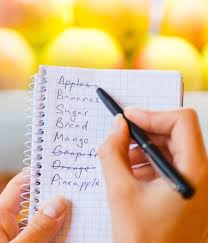
- Make a List: Always go to the store with a list.
- Check Your Pantry: See what you already have.
- Buy in Bulk Wisely: Only buy what you will use.
- Compare Prices: Look at different brands and sizes.
- Use Coupons: Digital and paper coupons save money.
- Avoid Impulse Buys: Stick to your list.
Finding the Best Newsletters for You
There are so many newsletters out there. How do you pick the right ones? It helps to know what you are looking for.
Do you want quick tips? Or detailed recipes? Maybe you want to focus on a specific diet.
Or maybe you just want to save money.
Look for newsletters that have a clear focus. Read a few past issues if you can. Do they offer practical advice?
Is the tone helpful and encouraging? Do they match your cooking style? Some newsletters are very general.
Others are very specific. For example, some focus on plant-based eating. Others focus on budget-friendly meals for families.
Many popular food bloggers have newsletters. These often link to their latest recipes and tips. Some grocery stores also have good newsletters.
They highlight sales and new products. You might even get a coupon. Think about what you struggle with most.
Then look for a newsletter that addresses that. You can always unsubscribe later if it’s not a good fit. It’s worth trying a few to see what works best for your needs.
My own journey started with a few recipe newsletters. I liked seeing new ideas. But then I realized I needed more than just recipes.
I needed help with the planning and shopping part. So I looked for newsletters that talked about budgets and saving money. It made a big difference.
Top Blog Categories for Smart Shoppers
Blogs offer a different kind of value. They often have more in-depth articles. You can search for specific topics.
For example, you can search for “how to freeze herbs” or “best way to store tomatoes.” This makes them a great resource when you have a specific question.
Here are some types of blogs that are super helpful for smart grocery shopping and meal planning:
Budget Cooking Blogs
These blogs are all about making delicious food without spending a lot. They show you how to stretch ingredients. They often have sections on stocking a pantry on a budget.
You’ll find recipes that use common, inexpensive items. They might also discuss how to buy smart at discount stores.
Meal Planning Blogs
These blogs focus on the strategy of planning. They might offer printable planners. They can show you how to create a weekly or monthly meal plan.
Some blogs even have ready-made meal plans you can follow. They discuss how to build a balanced plan that works for your family.
Zero-Waste and Low-Waste Blogs
These blogs are great for reducing food waste. They offer tips on using up scraps. They might show you how to store food to make it last longer.
You’ll learn about composting and repurposing leftovers. This is a key part of smart shopping. It means getting the most out of every ingredient you buy.
Seasonal Eating Blogs
Eating with the seasons is often cheaper and tastier. These blogs highlight what produce is in season in your area. They offer recipes using those ingredients.
They also explain why seasonal food is better for you and the environment. This knowledge helps you shop smarter.
Choosing Your Blogs
Look for clarity: Can you understand their advice easily?
Check their experience: Do they seem like they know what they’re talking about?
See if they fit you: Do their recipes and tips match your lifestyle?
Read comments: What do other readers say? This shows engagement.
My Experience with a Meal Planning Blog
I stumbled upon a meal planning blog a few years ago. The writer, Sarah, talked about her own struggles. She mentioned feeling overwhelmed by dinner every night.
This really resonated with me. She shared her system for planning. It was simple.
She planned five dinners a week. Then she’d make a grocery list based on those five meals. She also showed how she used leftovers for lunches.
It wasn’t complicated. It felt doable. So, I decided to try it.
I picked five meals from her blog. I made my list. I went shopping.
That week felt different. I wasn’t stressed about dinner. I had all the ingredients.
And I didn’t throw away any food. It was a small change, but it felt huge. I realized that with a little planning, cooking could be enjoyable, not a chore.
Specific Blogs and Newsletters to Explore
It’s hard to pick just a few because there are so many great ones. But here are some types and examples that consistently offer fantastic advice for smart grocery shopping and meal planning. Remember, the best one for you depends on your personal needs.
For Budget-Conscious Families
Blogs like Budget Bytes are legendary for this. They focus on making delicious meals for very little money. Their recipes are tested and true.
They often have a specific budget goal for each recipe. Their approach is practical and easy to follow. You’ll find inspiration for using up pantry staples.
They also offer tips on smart shopping to keep costs down. Many families rely on this blog for their weekly meal plans.
For Quick and Easy Meals
If you’re short on time, blogs like RecipeTin Eats are amazing. While not strictly budget-focused, their recipes are often simple. They use common ingredients.
Many are one-pot or sheet-pan meals. This means less cleanup. Their detailed instructions and tips are invaluable.
They help you succeed even if you’re not an experienced cook. Their approach is about making cooking accessible.
For Reducing Food Waste
Websites like Epicurious or Food52 often have excellent sections on reducing food waste. They might have articles on using vegetable scraps for broth. Or how to revive wilted greens.
They also share recipes that use up common leftovers. Look for their “tips” or “how-to” sections. They offer practical advice that can save you a lot of money over time.
For Meal Planning Systems
Some blogs focus specifically on the how-to of meal planning. They might offer free printables. Or they discuss different planning methods.
For instance, sites that focus on “batch cooking” or “freezer meals” can be very helpful. They teach you how to prepare food ahead of time. This saves you time on busy weeknights.
Newsletters vs. Blogs: What’s Best for You?
Newsletters:
- Pros: Direct to your inbox, convenient, curated updates, often shorter content.
- Cons: Can get lost in your inbox, less searchable than a blog.
Blogs:
- Pros: Deep dives, searchable archive, wide range of topics, community comments.
- Cons: Requires actively visiting the site, can be overwhelming with information.
Many people benefit from both!
Leveraging Newsletters for Sales and Deals
Grocery store newsletters are often overlooked. But they can be goldmines for savings. Most major grocery chains have them.
They will send you weekly flyers electronically. You can see what’s on sale before you even go to the store. This lets you plan your meals around discounted items.
Many of these newsletters also offer exclusive coupons. Sometimes you get a birthday coupon. Other times, they might have a special offer for long-time subscribers.
It’s easy to sign up online. Just visit your favorite grocery store’s website. Look for a link that says “Sign up for emails” or “Join our rewards program.”
Some independent food bloggers also focus on deals. They might highlight specific store sales. Or they’ll show you how to get the best value at certain stores.
These can be very specific to your region, so look for blogs that cover your local area if possible.
I found that signing up for my local supermarket’s newsletter was a game-changer. I started seeing the weekly specials. I’d jot down a few items that were a great price.
Then I’d build my meals around those. It forced me to be creative. And it saved me so much money.
The Role of Expert Advice
When you’re looking for advice, it’s good to know who you’re listening to. Many bloggers and newsletter writers have real experience. They might be chefs, nutritionists, or just passionate home cooks.
They share what they’ve learned through trial and error.
Look for sources that cite reliable information. For example, if a blog talks about food safety, do they mention guidelines from the FDA or USDA? If they discuss nutrition, do they refer to general dietary recommendations?
This shows they are building their advice on solid ground.
The U.S. Department of Agriculture (USDA) provides great resources on food. They have information on nutrition.
They also have guides on food storage. Some blogs may link to these resources. This adds to their credibility.
It shows they are providing trustworthy information.
It’s also good to understand that advice isn’t always one-size-fits-all. What works for one family might not work for another. The best sources will acknowledge this.
They will offer options and encourage you to find what fits your life best. This is part of what makes their advice feel real and helpful.
Checking for Expertise
Author Bio: Who is writing this? What is their background?
Source Citations: Do they link to reliable sources for facts?
Community Feedback: What do other readers say about the advice?
Consistency: Does the advice align with general best practices?
Making Smart Choices for Your Household
Every household is different. Your budget, your family size, and your food preferences all matter. The best newsletters and blogs will help you tailor advice to your own situation.
For example, if you have young children, you might look for blogs that focus on kid-friendly meals. These often have simple recipes. They also focus on picky-eater approved foods.
They can teach you how to sneak in extra vegetables. This is a win for parents.
If you live alone, you might focus on recipes that are easy to halve. Or on how to store leftovers so they stay fresh. Blogs that discuss smaller batch cooking can be very useful here.
Consider your time. Are you someone who loves to cook? Or do you see it as a necessary task?
Be honest about this. Then find resources that match your style. If you hate spending hours in the kitchen, look for quick recipes.
If you enjoy the process, you can explore more complex dishes.
It’s also important to think about your health goals. Are you trying to eat more fiber? Or cut down on sugar?
Many blogs and newsletters now have categories for specific diets. You can find resources for vegetarian, vegan, gluten-free, and low-carb eating. This helps you stay on track with your health.
What This Means for Your Groceries
Using newsletters and blogs can change how you approach the grocery store. Instead of impulse buys, you’ll make intentional purchases. You’ll start to recognize sales.
You’ll know which items you can buy in bulk. You’ll also become more aware of food seasonality. This means buying produce when it’s at its best and cheapest.
You might find yourself buying fewer pre-packaged convenience foods. This is because you’ll have recipes and ideas for making your own. It often tastes better and costs less.
You’ll also be more likely to use up all parts of an ingredient. For example, you might learn how to make stock from chicken bones. Or how to use broccoli stems in a stir-fry.
This is smart shopping in action.
The goal is not to be perfect. It’s to make progress. Each smart choice you make adds up.
You’ll save money. You’ll waste less food. And you’ll likely eat better.
It’s a journey, and these resources are your guides. They make the journey less stressful and more enjoyable. They offer support and inspiration when you need it most.
When to Worry (and When Not To!)
It’s normal to have occasional food waste. Sometimes plans change. Or maybe a recipe doesn’t turn out as expected.
Don’t beat yourself up about it. The goal is to reduce waste, not eliminate it entirely. If you’re throwing away large amounts of food regularly, that’s when it’s time to look closer.
Frequent issues could mean:
- Over-buying: Are you buying too much of something?
- Poor storage: Are you storing food correctly so it lasts longer?
- Not planning meals: Are you buying things without a plan for them?
- Cooking too much: Are your portion sizes too large?
Most of the time, the advice in good newsletters and blogs can help with these problems. They offer practical tips on storage. They teach you how to plan meals effectively.
They also provide recipes that use up ingredients. If you’re struggling with food safety, always refer to trusted sources like the FDA or your local health department.
Quick Fixes and Smart Habits
Here are some easy things you can start doing today. These habits, often reinforced by good blogs and newsletters, can make a big difference.
The “First In, First Out” Fridge Rule
When you buy new groceries, move older items to the front. This ensures you use things before they expire. It’s a simple habit that prevents waste.
“Use It Up” Meals
Once a week, plan a meal that uses up odds and ends. This could be a frittata, a stir-fry, or a “clean out the fridge” soup. It’s a great way to prevent waste.
Smart Storage
Learn how to store different foods. For example, herbs can often be stored like flowers in a glass of water. Onions and potatoes should be kept in cool, dark places, but not together.
Blogs often have detailed guides on this.
Repurpose Leftovers
Don’t just reheat leftovers. Get creative! Roast chicken can become chicken salad.
Leftover vegetables can go into an omelet or a quesadilla. This saves you cooking time too.
Your Smart Shopping Checklist
Before Shopping:
- Check pantry, fridge, and freezer.
- Make a meal plan.
- Create a grocery list based on the plan.
- Check for sales flyers or digital coupons.
At the Store:
- Stick to your list.
- Compare prices per unit.
- Buy only what you need.
- Check expiration dates.
After Shopping:
- Store food properly.
- Put older items in front.
Frequent Questions About Smart Shopping
What is the best way to start meal planning?
Start small. Plan just 3-4 meals for the week. Choose meals that use similar ingredients.
Check your pantry first. Then make a list for the missing items. This makes it less overwhelming.
How can I save money on groceries without sacrificing quality?
Focus on seasonal produce. Buy store brands for staples like flour, sugar, and canned goods. Look for sales and use coupons.
Learn to cook from scratch more often. Buying whole chickens and breaking them down yourself can save money.
I always end up throwing away produce. How can I stop this?
Buy only what you need. Learn proper storage methods for each fruit and vegetable. Consider freezing produce if you have too much.
Plan meals around produce that needs to be used soon. Make smoothies or soups with overripe items.
Are there specific blogs that focus on gluten-free budget meals?
Yes, many blogs cater to specific dietary needs. Search for “gluten-free budget meal blog” or “cheap gluten-free recipes.” Look for those that offer practical tips for saving money on specialty ingredients.
How often should I check grocery store newsletters and sales?
Most sales cycles are weekly. Check them at the beginning of the week to plan your shopping trip. This allows you to take advantage of the best deals before they expire.
What are some easy ways to reduce food waste at home?
Store food properly to extend its life. Plan meals to use what you have. Get creative with leftovers.
Use vegetable scraps for broth. Compost food scraps if possible. Understanding what you have and planning around it is key.
Conclusion
Smart grocery shopping and meal planning don’t have to be hard. By using reliable newsletters and blogs, you gain valuable knowledge. You can save money.
You can reduce waste. And you can enjoy delicious, home-cooked meals. Start small.
Find resources that speak to you. Implement a few new habits. You’ll be amazed at the difference it makes.


Leave a Reply