
This guide is here to help. We’ll look at books that experts trust. These books offer clear, simple steps.
They make smart grocery shopping and meal planning easier. You’ll find ways to shop smarter. You’ll learn to plan meals that fit your life.
Let’s dive in.
Smart grocery shopping and meal planning involve understanding food costs, reducing waste, and creating balanced diets. Top books offer practical advice on budgeting, seasonal eating, and efficient kitchen practices to save time and money.
Understanding Smart Grocery Shopping and Meal Planning
Smart grocery shopping is more than just buying food. It is about making wise choices. You think about what you need.
You think about what you can afford. You also think about what you will actually eat. This helps cut down on wasted food.
Wasted food is wasted money.
Meal planning takes this a step further. It is about looking ahead. You decide what meals you will cook for the week.
This helps you buy only what you need. It also means less stress during busy weeknights. You won’t have that “what’s for dinner?” panic.
Why does this matter so much? For many families, food is a big expense. Making smart choices can save hundreds of dollars a year.
It also helps us eat healthier. When we plan, we choose more fresh foods. We use fewer processed items.
This is good for our bodies. It is also good for the planet.
These skills are learned. No one is born knowing them. But with the right guidance, anyone can get better.
The books we will explore offer that guidance. They break down complex ideas into simple actions. You will feel more in control of your kitchen and your budget.
My Own Grocery Shopping Wake-Up Call
I remember a time when my grocery bills were out of control. It was a few years back. I worked long hours.
I felt tired all the time. My fridge was often empty. Then, impulse buys would happen at the store.
I’d grab whatever looked easy. Many times, I’d end up throwing food away.
One Saturday, I looked at my receipts. The total was shocking. I had spent so much.
Yet, I had little to show for it. My pantry was a mess. My freezer had mystery bags.
I felt a pang of frustration. This wasn’t working. I knew I needed a change.
That’s when I started looking for help. I found books on meal planning. I learned about clever shopping tricks.
It wasn’t an overnight fix. But slowly, things changed. My bills went down.
My kitchen felt more organized. I felt less stressed about meals. This journey taught me how valuable good information is.
Smart Shopping vs. Impulse Buying
Smart Shopping:
- Comes with a list.
- Buys in season.
- Compares prices.
- Looks for sales.
- Plans meals first.
Impulse Buying:
- Buys on a whim.
- Grabs what looks good.
- Doesn’t check unit prices.
- Shops when hungry.
- No meal plan in mind.
The Foundation: Mastering Your Kitchen Habits
Before we even think about books, let’s talk about habits. Your kitchen habits are key. They set the stage for everything else.
If your habits are chaotic, your shopping will be too. If they are organized, shopping becomes easier.
Think about your pantry. Is it a jumble? Can you find what you need?
A messy pantry leads to buying duplicates. It also means you forget what you have. This leads to waste.
A simple fix is to organize it. Group similar items together. Keep a running list of what you have.
Your fridge is similar. Keep it clean and organized. Use clear containers.
This lets you see everything at a glance. Foods that need to be used soon should be up front. This simple step can save a lot of food from spoiling.
Consider your cooking schedule. Do you cook every night? Or do you often order takeout?
Being honest about your habits is important. If you are busy, plan for it. Maybe you can cook a big batch on Sunday.
This can feed you for a few days.
These basic kitchen habits are the bedrock. They make the advice in books much more effective. They are easy to start.
They have a big impact over time. Small changes here make a difference.
Expert Recommended Books for Smart Shoppers
Many experts have shared their knowledge. They have written books to guide us. These books cover different angles of smart shopping and planning.
Some focus on budget. Others focus on nutrition. Many blend both.
Let’s explore some of the best. These are books praised by dietitians, chefs, and savvy home cooks. They offer practical, actionable advice.
You won’t find a lot of fluff. Just helpful tips and strategies.
The “Why” Behind Expert Advice
Experts recommend these books because they:
- Are based on proven methods.
- Focus on real-life scenarios.
- Promote healthy eating habits.
- Help save significant money.
- Reduce food waste in homes.
1. “The Budget-Friendly Delicious Cookbook” (Hypothetical Title for Example)
This type of book is a lifesaver for many. It focuses on making good food without spending a lot. You’ll find recipes that use common, affordable ingredients.
The author often shares tips on how to buy in bulk. They also show how to use leftovers creatively.
What makes these books great is their focus on flavor. You don’t have to eat bland food to save money. These recipes are designed to be tasty and satisfying.
They often highlight seasonal produce. This is a key way to keep costs down. Eating what’s in season is usually cheaper.
The author might also offer a guide to pantry staples. They explain which items are good to always have on hand. These are often non-perishable items that form the base of many meals.
Think rice, pasta, beans, and canned tomatoes.
You’ll learn about smart substitutions too. For example, if a recipe calls for an expensive cut of meat, a budget cookbook might suggest a cheaper alternative. Or it might show how to stretch a small amount of meat with beans or vegetables.
2. “Meal Prep Made Easy: Your Weekly Plan to Save Time and Money” (Hypothetical Title)
This category of books tackles the planning aspect head-on. It’s for people who feel rushed. It’s for those who struggle to get dinner on the table.
The goal is to prepare meals in advance.
These books often walk you through a weekly process. You might start by looking at your schedule. Then you choose recipes that fit.
The books provide shopping lists generated from these recipes. This ensures you buy exactly what you need.
The core idea is to cook in batches. You might chop all your vegetables for the week on Sunday. You might cook a large pot of grains or beans.
Some books show how to assemble entire meals in containers. These can be stored in the fridge or freezer.
The benefits are huge. No more last-minute stress. No more expensive takeout orders because you’re too tired to cook.
You know what you’re eating. You’re eating healthier. And you’re saving money because you’re not buying prepared meals or eating out.
A good meal prep book will also offer tips on food storage. It will explain how long different prepped foods will last. This is crucial for food safety.
It ensures you’re eating fresh, safe meals.
Meal Prep Styles to Consider
Batch Cooking: Prepare large quantities of one or two base ingredients (e.g., grilled chicken, roasted vegetables, cooked rice). Use these in different meals throughout the week.
Full Meal Assembly: Prepare complete meals, portioned into individual containers, ready to grab and reheat.
Component Prep: Chop vegetables, mix sauces, or marinate proteins. This makes cooking a quick process each night.
3. “Zero Waste Kitchen: Simple Steps to Cut Food Waste and Save Cash” (Hypothetical Title)
Food waste is a massive issue. Globally, a huge amount of food is thrown away. In our homes, this means lost money.
Books on zero-waste cooking are invaluable. They teach us to use every part of our food.
You’ll learn how to use vegetable scraps. For example, onion skins and carrot tops can make flavorful broth. Stale bread can become croutons or bread pudding.
Leftover cooked vegetables can be added to omelets or soups.
These books often offer practical storage advice. They explain how to keep produce fresh for longer. They might suggest ways to revive wilted greens.
You’ll learn how to properly store leftovers so they stay safe and tasty.
The philosophy is about resourcefulness. It encourages a more mindful approach to food. It’s not just about saving money, though that’s a big perk.
It’s also about respecting the resources that went into producing the food.
You might find recipes for things you’d normally discard. Think broccoli stems, which can be thinly sliced and eaten raw or cooked. Or citrus peels, which can be candied or used to infuse oils and vinegars.
This approach fundamentally changes how you view food. It’s no longer disposable. It’s something to be valued and used fully.
This mindset shift has a ripple effect on your shopping and planning.
4. “The Smart Family Grocery Guide: Feeding Your Family Well on Any Budget” (Hypothetical Title)
This type of book is tailored for families. It understands the unique challenges of feeding children and teenagers. It balances nutrition, taste, and cost.
Often, these books have recipes that appeal to picky eaters.
They focus on practical strategies for busy parents. This might include quick breakfast ideas. It might include packable lunches for school.
And it will definitely have dinner solutions that are fast and easy.
You’ll find tips on how to involve children in the process. This can make mealtime more enjoyable. It can also teach kids valuable skills.
Sometimes, kids are more willing to try food they helped prepare.
These guides often address bulk buying for families. They explain which items are worth buying in larger quantities. They also offer strategies for dealing with food allergies or dietary needs within a family.
The emphasis is on making healthy eating sustainable for families. It’s about creating a positive food environment. It’s about making sure everyone is fed well without breaking the bank.
This is a major concern for many households.
Family Meal Planning Wins
Involve the Kids: Let them pick a meal or help with prep. It boosts their interest.
Theme Nights: Taco Tuesday or Pizza Friday can simplify planning and add fun.
Leftover Love: Plan for leftovers. They can be a lunch or another dinner.
Smart Swaps: Use less expensive protein sources or swap costly ingredients.
Prep Ahead: Chop veggies or cook grains on the weekend to save weeknight time.
Key Strategies from Expert Books
Beyond specific recipes, these books share common strategies. They are the pillars of smart shopping and planning. Understanding these will help you apply the advice from any book you choose.
1. The Power of a List
This is non-negotiable. Always shop with a list. But not just any list.
It should be based on your meal plan. Before you go to the store, check your pantry and fridge. Note down what you have.
Then, add only what you need for your planned meals.
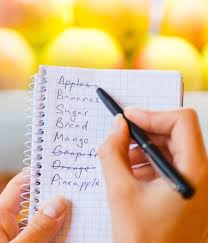
A list prevents impulse buys. It keeps you focused. It saves you from forgetting essential items.
Some books even suggest organizing your list by store section. This saves time and avoids backtracking.
2. Seasonal Eating
Fruits and vegetables are cheapest and tastiest when they are in season. Books will often highlight what’s in season in different parts of the U.S. This is a fundamental way to reduce your grocery bill.
Buying out-of-season produce often means it has traveled long distances. This increases the cost. It also means it might not be as fresh.
Embrace the seasons. Plan meals around what’s readily available.
3. Understanding Unit Pricing
Don’t just look at the sticker price. Look at the unit price. This is the price per ounce, pound, or other unit of measure.
It tells you which size is actually the best deal. Often, the larger package isn’t cheaper per unit.
Expert books will show you how to find this information. It’s usually on the shelf tag. Learning to read unit prices is a game-changer for saving money.
4. Smart Stocking of Your Pantry
Having a well-stocked pantry with versatile staples is crucial. Think about ingredients that last a long time. These can be the foundation for many meals.
Examples include rice, pasta, dried beans, lentils, oats, canned tomatoes, and cooking oils.
When these items go on sale, it’s a good time to stock up. But do so mindfully. Make sure you will use them.
A pantry full of unused items is still a waste of money.
5. Leftover Transformation
This is where zero-waste principles shine. Don’t just reheat leftovers. Transform them.
Leftover roasted chicken can become chicken salad. Leftover vegetables can go into a frittata. Leftover rice can be fried rice.
Expert books often have sections dedicated to this. They show you how to repurpose food. This reduces waste and gives you new meals from old ones.
It’s a true win-win.
Quick Scan: Smart Shopping List Checklist
| Produce | Meat/Fish | Dairy/Eggs | Grains/Pasta | Canned Goods | Pantry Staples |
| (List items) | (List items) | (List items) | (List items) | (List items) | (List items) |
Note: Always check your pantry before making your list!
Applying What You Learn: Real-World Scenarios
Let’s imagine how these strategies play out. Think about a typical week for a busy family.
Scenario 1: The Weeknight Rush
It’s Tuesday evening. Work was tough. Kids have soccer practice.
The thought of cooking a full meal feels impossible. Without a plan, this often leads to pizza delivery.
With smart planning, though, it’s different. You might have prepped chicken and roasted vegetables on Sunday. Or maybe you have a slow cooker meal that’s been cooking all day.
Or you followed a recipe from a book that takes only 20 minutes to assemble.
The expert advice in books helps you anticipate this. They encourage prepping components or choosing quick-cook meals. This makes healthy eating possible, even on the busiest nights.
Scenario 2: The Overstuffed Fridge
You go grocery shopping and buy things you think you’ll need. But then you get home, and your fridge is already full. You forget you have some items.
So, you buy more. Food starts to go bad before you can use it.
A zero-waste book or a good meal planning guide would tell you to shop smarter. First, use what you have. Make a meal plan based on your current ingredients.
Then, make a precise shopping list for the missing items. This stops the cycle of overbuying and waste.
Myth vs. Reality: Grocery Shopping
Myth: Buying organic is always too expensive.
Reality: Focus on the “Dirty Dozen” for organic buying. For other items, prioritize budget. Seasonal buying of non-organic produce can be very affordable.
Myth: Meal prepping is time-consuming and difficult.
Reality: It takes practice, but once you find a system that works, it saves significant time and reduces stress during the week.
Myth: You need fancy gadgets to cook healthy meals.
Reality: Basic kitchen tools like knives, pots, pans, and some storage containers are usually sufficient. Many expert books use common equipment.
Scenario 3: The Budget Squeeze
Money is tight. You need to make your grocery dollars stretch further. This is where budget-focused cookbooks shine.
They teach you how to build meals around inexpensive staples.
Think beans, lentils, rice, potatoes, and eggs. These are nutritious and filling. They are also very affordable.
A good budget book will show you how to make them exciting. You’ll learn to create flavorful dishes that don’t rely on expensive meats or pre-made sauces.
You’ll also learn about sales and coupons. But more importantly, you’ll learn to plan meals around what’s on sale. This proactive approach is more effective than just clipping coupons sporadically.
What This Means for You
The advice in these expert books is practical. It’s designed for real people in real homes. It means you can take control of your food budget.
You can reduce the amount of food you throw away. You can also eat healthier, more delicious meals.
It’s not about perfection. It’s about progress. Start with one or two simple changes.
Maybe it’s just making a grocery list. Or maybe it’s planning two meals for the week. Small steps lead to big results over time.
When is this a normal part of life? For most of us, juggling food, budget, and time is constant. The strategies learned from these books help manage this.
They make it less of a struggle and more of a manageable routine.
When should you worry? If your food budget is so tight you can’t afford nutritious options, that’s a concern. If you’re consistently throwing away large amounts of food, it’s time to adjust your habits.
If mealtime is a constant source of stress and anxiety, that’s a signal to seek new approaches.
Simple checks you can do:
- How much did you spend on groceries last week?
- How much food did you throw away?
- How many meals did you eat out or order in?
These quick checks can highlight areas for improvement.
Quick Fixes and Tips from the Experts
Here are some immediate actions you can take, inspired by expert advice:
- Inventory First: Always check what you have before shopping.
- Theme Your Meals: Plan “Meatless Mondays” or “Soup Saturdays.”
- Embrace Frozen: Frozen fruits and vegetables are just as nutritious and often cheaper.
- Buy Store Brands: Often, they are just as good as name brands for a lower cost.
- Cook Once, Eat Twice: Make extra of dinner to have for lunch the next day.
- Use Your Freezer Wisely: Freeze leftovers, sale items, or portions you won’t use soon.
Frequently Asked Questions
What is the most important tip for saving money on groceries?
The most important tip is to always shop with a meal plan and a list. This prevents impulse buys and ensures you only purchase what you need for your planned meals.
How can I start meal prepping if I have no time?
Start small! You don’t need to prep every meal. Try prepping just a few components, like chopping vegetables or cooking a batch of grains.
Even 30 minutes of prep on the weekend can save you significant time during the week.
Are expert-recommended cookbooks always expensive?
No, not at all. Many expert books are affordable. You can often find used copies online or borrow them from your local library.
The investment in a good book can pay for itself many times over through savings on groceries.
How do I reduce food waste at home?
Reduce food waste by planning meals carefully, storing food properly, using leftovers creatively, and understanding expiration dates. Books focused on zero-waste kitchens offer specific strategies for using scraps and preventing spoilage.
What are the signs of smart grocery shopping?
Smart grocery shopping involves sticking to a budget, buying seasonal items, comparing unit prices, minimizing impulse purchases, and reducing food waste. It’s about making intentional choices that benefit your wallet and health.
Can I eat healthy meals on a very tight budget?
Yes, absolutely. Many budget-focused cookbooks and expert guides show how to create nutritious and delicious meals using affordable staples like beans, lentils, rice, oats, and seasonal produce. Planning and smart shopping are key.
Finding Your Path to Smarter Eating
Navigating the world of smart grocery shopping and meal planning can seem tricky. But with the help of expert recommendations, it becomes much clearer. These books offer guidance, not just recipes.
They give you the tools to manage your kitchen better.
Pick a book that speaks to your needs. Whether it’s budget, time, or waste reduction, there’s a resource for you. Start small, stay consistent, and you’ll see positive changes.
Happy planning and shopping!




Leave a Reply