
Smart grocery shopping and meal planning involve thoughtful preparation. This includes checking your pantry first, making a list, choosing budget-friendly options, and prepping ingredients ahead of time. It leads to saving money, reducing food waste, and eating healthier meals more consistently.
Understanding Smart Grocery Shopping
Smart grocery shopping is more than just picking up food. It’s a strategy. It helps you get the most value.
It means buying what you need. It means buying what you will use. It prevents impulse buys.
These buys often end up wasted. They also cost more money. Good planning makes shopping faster too.
Think about your kitchen. What do you already have? What are you running low on?
A quick look saves you from buying duplicates. It also sparks ideas for meals. This step is often missed.
People rush to the store. They forget what’s hiding in their fridge or pantry.
Smart shopping also looks at prices. Not all deals are good deals. Compare unit prices.
Look at the cost per ounce or per pound. Store brands are often just as good. They cost less than name brands.
You can save a lot this way.
It’s also about buying in season. Fruits and vegetables taste better. They cost less when they are in season.
Local farmers’ markets are great for this. They offer fresh produce. They often have good prices too.
Knowing what’s in season helps you plan. It helps you save money.
My Own Grocery Shopping Mishap
I remember one time, I was really busy. Work was piling up. I skipped my usual trip to the store.
I just grabbed a few things from the convenience store. I didn’t make a list. I bought a bunch of pre-made meals.
They were quick but pricey. I also bought snacks I didn’t need. That week, my food bill was huge.
I felt guilty about the waste too. Some of the fresh items I bought got lost. They ended up in the trash.
It was a wake-up call. I knew I had to get serious about planning.
Shopping List Essentials
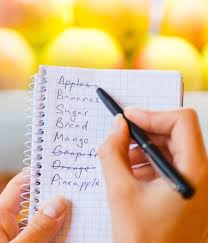
Make a List: Always write down what you need before you go.
Check Pantry First: See what you already own.
Organize by Store Section: This saves time walking back and forth.
Stick to the List: Resist tempting impulse buys.
The Power of Meal Planning
Meal planning is the next big step. It means deciding what you will eat. You plan this before you shop.
This makes your grocery list accurate. It stops you from asking “What’s for dinner?” every night.
Why is this so important? It cuts down on stress. It ensures you eat balanced meals.
You can plan for leftovers. This saves cooking time later. You can also plan for nights you’re busy.
You can make something fast. Or you can use pre-prepped ingredients.
When you plan meals, you think about variety. You can make sure you get enough protein. You can add more vegetables.
It’s a chance to try new recipes. It can also help you eat less processed food. You control the ingredients.
You know what’s in your food.
Start small with meal planning. Plan for just a few days. Then build up to a full week.
You don’t have to plan every single meal. You can plan dinners first. Then add lunches or breakfasts.
Find what works for you.
Many people find it helpful to have theme nights. Taco Tuesday is popular. Pasta night is easy.
Fish Friday is a healthy choice. This makes planning simpler. It gives you a structure.
It’s fun to have a theme.
From Store to Table: Making It Work
Buying smart and planning meals are great. But you need to use what you buy. This is where a little prep work comes in handy.
Washing and chopping vegetables when you get home makes cooking faster. You can cook grains or proteins ahead of time. This is called meal prepping.
Having prepped ingredients ready makes a huge difference. Imagine coming home tired. You see chopped onions and peppers.
You see cooked chicken. Dinner is ready in minutes. This is a big win.
It stops you from ordering takeout. It keeps you on track with your healthy eating goals.
Storing food properly is also key. Use airtight containers. Keep things in the right part of the fridge.
Know what lasts longer. Learn how to freeze food safely. This reduces waste.
It keeps your food fresh longer. It saves you money.
Some people like to make big batches of meals. They then freeze portions. This is great for busy weeks.
You have healthy meals ready to go. Think about soups, stews, or casseroles. These freeze well.
Meal Prep Power-Ups
Wash & Chop: Prep veggies right after shopping.
Cook Grains: Make a big batch of rice or quinoa.
Roast Veggies: Roasted broccoli or sweet potatoes are versatile.
Cook Proteins: Grill chicken or bake salmon for easy meals.
Portion Meals: Divide into containers for quick lunches or dinners.
Real-World Scenarios in Your Kitchen
Let’s picture a busy week. You have kids’ activities. You have late work meetings.
Without planning, you might grab fast food. You might eat cereal for dinner. This happens to many families.
It’s not a judgment. It’s a common struggle.
Now, imagine you planned. You know Monday is pasta night. You have sauce and pasta ready.
You also prepped a salad. Tuesday is taco night. You bought ground meat and shells.
You chopped lettuce and tomatoes earlier. Wednesday is a leftover night. You planned for extra chicken on Monday.
You can make chicken wraps.
This sounds like a lot of work, right? But it’s not. The planning happens once.
The prep work takes maybe an hour on Sunday. Then, the weekdays are so much easier. The stress level goes down.
Your wallet feels a bit happier. Your body thanks you for the good food.
The design of your kitchen matters too. Is it easy to find things? Is your fridge organized?
A well-organized kitchen makes cooking faster. It makes using up ingredients simpler. You can see what you have.
You don’t forget about things in the back.
Consider your habits. Do you snack a lot while cooking? Planning helps here too.
Have healthy snacks ready. If you plan a quick meal, you are less likely to grab something unhealthy. Your choices are already made for you.
What This Means for Your Budget and Health
Smart shopping and meal planning have big benefits. For your budget, you will see a difference. You buy less impulse stuff.
You buy more of what you need. You use what you buy. This means less food waste.
Food waste is like throwing money away.
For your health, the benefits are also huge. You control the ingredients. You can choose lean proteins.
You can add more fruits and vegetables. You can cut down on added sugar and salt. You can avoid processed foods.
This leads to more energy. It can help with weight management. It can improve overall well-being.
When is it normal to stray from the plan? It’s okay to go out to eat sometimes. It’s okay to have a spontaneous meal.
The goal is not perfection. The goal is progress. If you can plan 4 or 5 meals a week, that’s great.
When should you worry? If you are constantly overspending on groceries. If you are throwing away a lot of food every week.
If you feel stressed about meals. If you are not eating healthy foods often. These are signs your current system isn’t working.
Simple checks you can do: Look at your last few grocery receipts. What did you buy most of? Did you use it?
Look in your fridge. What needs to be used soon? This helps you prioritize.
It helps you adjust your next plan.
Budget & Health Wins
Save Money: Less impulse buying, less waste.
Eat Healthier: Control ingredients, more nutrients.
Reduce Stress: “What’s for dinner?” is answered.
Less Waste: Use more of what you buy.
Try New Foods: Plan for variety and discovery.
Quick Tips for Smarter Shopping and Planning
Here are some actionable tips. Keep a running grocery list on your phone. Add items as you think of them.
This prevents forgetting things.
Check weekly store ads. Plan your meals around sales. This is especially good for pricier items like meat or fish.
Don’t shop when you are hungry. This is a recipe for disaster. You will buy things you don’t need.
Your willpower is weakest then.
Consider frozen or canned options. Fruits and vegetables are often picked at peak ripeness. They retain nutrients.
They last much longer. They are often cheaper too.
Learn to store your produce correctly. Some items like onions and potatoes do best in cool, dark places. Others need refrigeration.
Some fruits should not be stored together.
When you plan, think about flexibility. If you planned chicken but found salmon on sale, it’s okay to swap. The plan is a guide, not a strict rulebook.
Batch cook staple items. Cook a big pot of beans. Make a large batch of shredded chicken.
These can be used in many dishes.
Embrace leftovers. Plan for them. They can be your lunch the next day.
Or they can be dinner on a night you didn’t plan for.
Use apps. There are many apps that help with grocery lists. Some even help with meal planning.
They can store recipes. They can generate shopping lists.
Don’t try to do too much at once. If meal planning feels overwhelming, start with dinners. Then add lunches.
Small steps lead to big changes.
Frequently Asked Questions About Grocery Shopping and Meal Planning
How do I start meal planning if I’m a beginner?
Start by planning just 2-3 dinners for the week. Pick meals you know how to make. Look at what ingredients you already have.
Then, make a shopping list for those meals. As you get comfortable, plan more meals.
What’s the best way to save money on groceries?
Always make a list and stick to it. Buy store brands when possible. Look for sales and coupons.
Buy produce in season. Avoid pre-cut or pre-made items. Also, plan meals so you use everything you buy to reduce waste.
How can I reduce food waste at home?
Plan your meals carefully to buy only what you need. Store food properly so it lasts longer. Use leftovers creatively.
Learn to freeze food. Use up older items first. Composting is also an option for scraps.
Is it better to shop online or in the store?
Both have pros and cons. Online shopping can prevent impulse buys and save time. But you can’t see the produce before buying.
In-store shopping lets you pick items. It can also lead to impulse buys. Choose what fits your lifestyle best.
How often should I go grocery shopping?
This depends on your household size and eating habits. Some people shop once a week. Others prefer to shop 2-3 times a week for fresh items.
Planning meals can help determine the best frequency for you.
What are some easy weeknight meal ideas?
Simple ideas include pasta with pre-made sauce and a side salad. Baked chicken or fish with roasted vegetables. Tacos or quesadillas.
Stir-fries with pre-cut veggies. Sheet pan meals where everything cooks on one pan.
Putting It All Together
Smart grocery shopping and meal planning are skills. They can be learned and improved. They bring order to chaos.
They save you time and money. They help you eat healthier. It’s about making small, smart choices.
These choices add up to big benefits. Start today with one small change. Your future self will thank you.



Leave a Reply