
Smart grocery shopping and meal planning can solve many household headaches. This guide helps you pinpoint common issues and offers clear, simple ways to fix them. You’ll learn to waste less food, spend less money, and feel more in control of your kitchen.
Understanding the Smart Kitchen Puzzle
Modern kitchens have so many tools. We have apps for lists. Some fridges can tell us what’s inside.
We get recipe ideas online every second. But having the tools doesn’t mean they work for us. Many people find these “smart” ways add stress, not ease.
The goal is a simpler life, not a more complex one. This is about making technology work for you. It’s about real people in real homes.
Why does it feel so hard? Often, it’s not about a lack of effort. It’s about trying to do too much at once.
Or using a tool that doesn’t fit your life. Maybe your smart fridge isn’t so smart after all. Or your meal planning app feels like another chore.
We’ll look at why these issues pop up. Then, we’ll find easy fixes.
My Fridge Turned into a Science Project
I remember a time when I felt this deeply. It was a Tuesday evening. I had a whole plan for dinner.
Chicken stir-fry. I opened the fridge. That was my mistake.
Instead of chicken, I found a fuzzy science experiment. The peppers were sad and wilted. The lettuce looked like it had given up on life.
I had bought all this food just days before. Now, it was all going in the trash. I felt a mix of frustration and guilt.
It felt like a waste of money. It felt like I had failed at something simple. That night, we ordered pizza.
Again. It felt like a cycle I couldn’t break. I looked at my grocery receipt and my full trash can.
Something had to change. This feeling of wasted food and money is a huge problem for so many families.
The Reality of Food Waste
Food waste happens in many places. It happens in big farms. It happens in stores.
It also happens right in our own kitchens. For households, it’s a big deal. We buy food.
We want to eat it. When we don’t, it’s like throwing money away. This waste also hurts the planet.
More wasted food means more wasted resources. That’s water, energy, and land. Figuring out why food goes bad before we can eat it is key.
It often comes down to how we shop and how we store things. Simple changes can make a big difference here.
Common Reasons Food Goes Bad
Spoilage: Food goes bad due to tiny organisms like bacteria and mold. Heat, light, and air speed this up.
Poor Storage: Not keeping food at the right temperature is a big issue. Forgetting about things in the back of the fridge is common.
Buying Too Much: We often buy more than we can eat. Sales can lead us to grab extra items that then expire.
Leftover Neglect: We make too many leftovers. Or we don’t know what to do with them. They get forgotten.
Why Smart Grocery Shopping Fails
Smart shopping sounds great. It means being organized. It means getting what you need.
But for many, it leads to problems. You might make a list on your phone. Then you get to the store.
You see a great deal. You buy things you didn’t plan for. Or you forget the one thing you really needed.
Your list gets ignored. This happens often. It’s easy to get sidetracked.
Stores are designed to make us buy more. Bright displays and tempting deals are everywhere.
Another issue is impulse buying. We see something shiny. We grab it.
We think, “I’ll use this later.” But “later” often never comes. Then that item sits in the pantry. It passes its date.
This is where the smart grocery shopping plan falls apart. It needs to be more than just a list. It needs a plan for what you’ll actually do with the food.
Smart Shopping Pitfalls to Avoid
- Impulse Buys: Buying things you don’t need just because they’re on sale.
- No Plan: Going to the store without a clear idea of meals for the week.
- Overbuying: Purchasing too much food. This leads to spoilage.
- Forgetting Essentials: Not getting key ingredients for planned meals.
- Ignoring What You Have: Buying duplicates of items already in your pantry or fridge.
Meal Planning That Actually Works
Meal planning is supposed to make life easier. You decide what to eat. You shop for it.
You cook it. But for many, it feels like a huge task. You spend hours planning.
Then life happens. You’re tired. The kids are hungry.
The plan gets thrown out. Or the recipes you choose are too complex. They require exotic ingredients you can’t find.
This is where meal planning goes wrong. It becomes another thing on your to-do list that feels impossible.
The best meal plans are simple. They fit your life. They use what you already like.
They don’t demand hours in the kitchen every night. Many people try to be too perfect. They plan every meal.
They include fancy dishes. Then they get discouraged. The key is flexibility.
And keeping it real. What can you realistically cook on a busy weeknight? What do you actually enjoy eating?
Keys to Realistic Meal Planning
Start Small: Plan just a few meals at first. Add more as you get comfortable.
Use What You Have: Look in your fridge and pantry first. Plan meals around those items.
Keep it Simple: Choose recipes with few ingredients. Or ones that use common pantry staples.
Build in Flexibility: Have a “leftover night” or a “pantry meal” night. These are easy fallbacks.
Consider Your Schedule: Plan quick meals for busy nights. Save complex ones for weekends.
Fixing Your Smart Grocery Shopping
Let’s talk about making smart grocery shopping work. It’s about being smart, not just high-tech. The first step is knowing what you have.
Before you even think about a list, check your fridge. Look in your pantry. See what’s there.
What needs to be used soon? This is a crucial step. Many people skip it.
They buy more of what they already have. This is a direct path to waste and overspending.
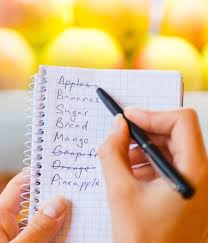
Once you know what you have, make a plan. What meals can you make with these items? Then, make your shopping list.
Be very specific. Write down the exact items and amounts. Stick to this list like glue.
If you see something on sale, ask yourself: “Do I really need this?” “Can I fit it into my plan?” If the answer is no, walk away. It’s hard, but it’s worth it. This disciplined approach saves money and reduces waste.
Your Smart Grocery Shopping Checklist
Step 1: Inventory Check
- Open your fridge and look at all shelves.
- Check your pantry for canned goods, grains, and spices.
- Note any items nearing their expiration date.
Step 2: Meal Idea Generation
- What meals can you make with what you have?
- List these meal ideas.
Step 3: List Creation
- Write down only the items needed for your planned meals.
- Add staples you are out of (milk, eggs, bread).
- Specify quantities needed.
Step 4: Store Navigation
- Go to the store with your list.
- Stick to your list as much as possible.
- Avoid the tempting end caps and checkout displays.
Revolutionizing Your Meal Planning
To make meal planning a success, think about it differently. It’s not a rigid rulebook. It’s a guide.
It’s about making dinner time less stressful. Start by choosing a planning style that fits you. Some people like to plan every single meal for the week.
Others prefer to just plan dinners. Or maybe you plan dinners and pack lunches.
A great tip is to have a “theme night” system. For example: Monday is Meatless Monday. Tuesday is Taco Tuesday.
Wednesday is pasta night. Thursday is a “use it up” night for leftovers. Friday is takeout or pizza.
This structure takes the guesswork out of deciding. It makes planning simpler. You know you need a pasta dish.
You then find one you like. This makes the whole process feel less overwhelming. It helps create a rhythm in your week.
Meal Planning Styles to Try
The Weekly Planner: Decide all meals for 7 days. Good for those who like structure.
The Dinner Dynamo: Focus only on evening meals. Lighter approach for busy mornings/lunches.
The Flex Planner: Plan a few key meals. Leave other days open for spontaneous choices or leftovers.
The Theme Queen/King: Assign a theme to each day (e.g., Italian, Mexican, Stir-fry). Makes choosing easier.
The Art of Smart Food Storage
How you store your food is a big deal. It directly impacts how long it stays fresh. Many people just toss things in the fridge.
Or they leave produce on the counter. This isn’t always the best way. Different foods need different conditions.
Understanding these needs can stop food from spoiling too soon. It’s like giving your food the best home.
For example, berries can go bad quickly if they get too much moisture. Storing them unwashed in a breathable container helps. Leafy greens last longer when washed, dried well, and then stored in a bag with a paper towel.
This paper towel soaks up extra moisture. This simple trick can add days to their life. Think about your produce drawer.
It often has settings for humidity. Use them! High humidity for things that wilt easily.
Low humidity for things that rot easily.
Smart Storage Tips
Produce Drawers: Adjust vents. Use high humidity for leafy greens, carrots. Low humidity for apples, peppers.
Herbs: Treat them like flowers. Trim stems, place in a jar with water, cover loosely with a bag. Store in the fridge.
Berries: Store unwashed in their original container or a breathable one. Wash just before eating.
Dairy: Keep milk and yogurt on a middle shelf, not the door. The door temperature changes too much.
Bread: Store at room temperature if you eat it daily. Freeze slices for longer storage.
Leftovers: Cool them quickly. Store in clear, airtight containers. Label with the date.
Dealing with Leftover Overload
Leftovers are a common challenge. We make too much. Or we forget they exist.
They become a forgotten item in the back of the fridge. Then we have to throw them out. This feels like a double loss: we wasted the first meal, and now we’re wasting the leftovers.
The goal is to make leftovers exciting, not a burden. This means transforming them into new meals. Or eating them creatively.
One easy way is to have a designated “leftover night.” This is a night where you don’t cook. You just eat whatever leftovers you have. It’s a great way to clear out the fridge.
Another idea is to repurpose them. Cooked chicken can become chicken salad. Leftover rice can be fried rice.
Roasted vegetables can be added to omelets or quiches. This makes them feel like a new meal, not just the same one again. It takes a little creativity, but it’s a fantastic way to use up food.
Creative Leftover Ideas
Roast Chicken: Shredded for tacos, sandwiches, chicken salad, or added to soup.
Cooked Rice: Use for fried rice, add to soups, or make rice pudding.
Roasted Vegetables: Blend into soups, add to omelets, or toss into pasta dishes.
Cooked Grains (Quinoa, Farro): Use as a base for bowls, add to salads, or mix into veggie burgers.
Pasta Dishes: Can sometimes be baked into a casserole or frittata.
The “Use It Up” Pantry Challenge
A fun way to tackle waste is a pantry challenge. This is where you commit to using what you have on hand. You try to make meals from your pantry, fridge, and freezer.
This can be for a day, a week, or even longer. It forces you to get creative. You might discover new favorite recipes.
It’s like a treasure hunt in your own kitchen. This challenge is great for reducing food costs too. You’re not buying as much new stuff.
When I do this, I always find things I forgot about. Canned beans, ancient pasta shapes, spices I bought for one recipe. It’s a good reminder of what I already own.
It’s also a good way to clear out older items before they expire. This isn’t about eating poorly. It’s about making the most of what you have.
It’s a truly smart grocery shopping and meal planning tool.
How to Start a Pantry Challenge
Set a Time Frame: Decide how long the challenge will last (e.g., 3 days, 1 week).
Take Full Inventory: Write down everything in your pantry, fridge, and freezer.
Identify Core Meals: Can you make at least one full meal from these items?
Plan Your Days: Map out meals, focusing on using up ingredients.
Supplement Wisely: You might need to buy a few fresh items (like milk or a specific vegetable). Try to keep these purchases to a minimum.
When Your Fridge App Isn’t Helping
Smart fridge apps are supposed to track what you have. They can send alerts. But what if yours isn’t working?
Maybe it’s not accurate. Or you forget to scan items. Or it’s just too much work to keep updated.
This is common. Technology can sometimes add a layer of complexity we don’t need. If your smart fridge app is more of a bother than a help, it’s okay to ignore it.
The core problem is still knowing what you have. You can achieve this with simple methods. Use a whiteboard on your fridge.
Write down items as you buy them. Cross them off when you use them. Or keep a small notebook in the kitchen.
This low-tech approach can be just as effective, if not more so. It’s about finding a system that works for you. Not a system dictated by a fancy gadget.
Low-Tech Fridge Management
Whiteboard System: Keep a dry-erase board on your fridge. List items and quantities. Erase as you use.
Kitchen Notebook: A dedicated notebook for inventory. Easy to carry around the kitchen.
“Use First” Box: Designate a clear bin in your fridge for items that need to be eaten soon.
Date Labels: Use removable labels to mark items with purchase dates or “use by” dates.
Making Smart Shopping and Meal Planning a Habit
The biggest challenge is making these changes stick. It’s easy to try something for a week. Then life gets busy.
The old habits creep back. The trick is to make these new habits feel natural. They should be part of your routine.
Not an extra chore. Think about small steps. Start with one thing.
Maybe it’s checking your fridge before you shop. Or planning just two dinners a week.
Consistency is more important than perfection. If you miss a day of planning, don’t beat yourself up. Just get back on track the next day.
Celebrate small wins. Did you use up all your produce this week? Did you avoid buying junk food?
Acknowledge those successes. This positive reinforcement helps build lasting change. It makes the effort feel worthwhile.
It makes the journey enjoyable.
Building Lasting Habits
Start Small: Focus on one new habit at a time. Don’t try to change everything at once.
Be Consistent: Aim for daily or weekly routines. Even a small effort each day adds up.
Track Progress: Note down successes. This shows you how far you’ve come.
Reward Yourself: Acknowledge your efforts. This can be a small treat or a moment of relaxation.
Review and Adjust: What’s working? What’s not? Be willing to change your approach.
What This Means for You
So, what does all this mean for your kitchen? It means you have the power to fix common problems. Food waste doesn’t have to be a constant issue.
Overspending at the grocery store can be reduced. Feeling overwhelmed by meal prep can be a thing of the past. It means taking control.
It means making your kitchen work for your life.
When is this normal? It’s normal to have days where things don’t go to plan. It’s normal to sometimes forget about an item.
The key is that it’s not happening all the time. If you’re constantly throwing away food, or if your grocery bill is always too high, then it’s time to make some changes. Simple checks can show you where to start.
Look at your trash can. What are you throwing away most often? Look at your receipts.
Where is most of your money going?
Quick Fixes for Common Annoyances
Let’s run through some fast fixes. If your onions are sprouting too fast, store them in a cool, dark, dry place. Not in a plastic bag.
Not in the fridge. If your bananas are ripening too quickly, separate them. This slows down the gas that makes them ripen.
If your bread is getting stale, make croutons or bread pudding. If your herbs are wilting, revive them in ice water for a few minutes. These are small things, but they save food and money.
Think about your freezer as your friend. It can extend the life of many foods. Cooked grains, chopped vegetables, ripe fruit – all can be frozen.
Then you can use them later. This is especially helpful for items you bought in bulk. Or things you won’t use right away.
It’s a budget saver and a waste reducer. These little tricks add up. They make a big difference over time.
Fast Fixes for Food Frustrations
Sprouting Onions/Potatoes: Store in a cool, dark, dry place, not together.
Overripe Bananas: Freeze for smoothies or banana bread.
Stale Bread: Make croutons, breadcrumbs, French toast, or bread pudding.
Wilted Greens: Soak in cold water for 15-30 minutes to crisp them up.
Mushy Berries: Use them in smoothies or sauces immediately.
Leftover Cooked Rice: Freeze for later use in fried rice or as a side.
Frequently Asked Questions
What is the best way to start meal planning if I’ve never done it before?
Start very simply. Plan just your dinners for three nights this week. Look in your fridge and pantry first to see what you have.
Then, pick simple recipes that use those ingredients. Don’t try to plan every single meal or snack right away. Build up from there.
How can I stop impulse buying at the grocery store?
The best way is to go with a detailed list and stick to it. Never shop when you are hungry. Also, try to shop less often.
Plan your meals and buy everything you need for the week at once. This reduces your exposure to tempting items.
My produce always goes bad before I can eat it. What am I doing wrong?
You might be storing it incorrectly or buying too much. Make sure you know which fruits and vegetables need to be refrigerated and which should be kept at room temperature. Also, check the humidity settings on your fridge drawers.
Washing and drying greens well before storing can help them last longer. And always try to use older produce first.
What’s the difference between a “sell-by” date and an “expiration” date?
“Sell-by” dates are for the store to know how long to display a product. “Best-by” or “best if used by” dates are about quality, not safety. Food is usually safe to eat after this date, but it might not taste as good.
“Use-by” dates are about safety, especially for perishable items like deli meats or baby formula. Always use your senses—look, smell, and taste—to decide if food is still good.
I hate cooking leftovers. What are some easy ways to make them more appealing?
Try to transform leftovers into something new. For example, cooked chicken can become chicken salad. Leftover rice is great for fried rice.
Roasted vegetables can be added to pasta or omelets. Sometimes, just reheating them in a pan instead of the microwave can make them taste better. The key is variety and thinking of them as ingredients for new meals.
How often should I check my fridge inventory?
It’s best to do a quick check before you go grocery shopping. This helps you build your shopping list. A more thorough check can be done once a week, perhaps when you’re cleaning out the fridge.
This ensures you use items before they go bad.
Conclusion
Fixing common smart grocery shopping and meal planning problems is possible. It’s about simple steps, consistent habits, and being mindful. You don’t need fancy apps to be successful.
What you need is a plan that fits your life. Focus on reducing waste, making smart choices, and enjoying your food. Your kitchen can become a place of ease, not stress.


Leave a Reply