
Tracking progress for smart grocery shopping and meal planning involves setting clear goals, using simple tools to monitor your spending and food use, and making small adjustments over time. This approach helps you waste less food, save money, and feel more in control of your kitchen.
Understanding Your Grocery and Meal Journey
Smart grocery shopping and meal planning isn’t just about buying less. It’s about buying smarter. It means knowing what you need.
It also means planning what you’ll eat. This helps you avoid impulse buys. It stops food from going bad.
Think of it like a helpful guide for your kitchen.
Why does this matter so much? Well, food waste is a big problem. In the U.S., a lot of food gets thrown away.
This costs money. It also uses up valuable resources. When you plan meals and shop with a list, you cut down on this waste.
You use what you buy. You also spend less money.
This journey has a few key parts. You need to know where you start. You need to set simple goals.
Then, you need ways to see if you are meeting them. We will look at easy tools. We will also explore simple habits.
These will make a big difference over time. You’ll feel more in charge. Your kitchen will work better for you.
My Own Kitchen Chaos: A True Story
I remember a time not too long ago. It was a Tuesday. I had a long day at work.
I opened the fridge. There were wilting carrots. Some sad-looking spinach sat there.
A carton of milk was almost empty. I had no idea what to cook. The thought of going to the store felt exhausting.
So, I did what I often did. I ordered takeout. It felt like a quick fix.
But later, I saw the carrots still in the bin. The spinach joined them. I felt a pang of guilt.
I had spent money on food I didn’t eat. Then I spent more on food I did eat. It was a cycle I wanted to break.
I knew I needed a better system.
That feeling of overwhelm led me to look for answers. I wanted simple ways. I didn’t want complex charts.
I just wanted to feel like I wasn’t wasting food and money. It took some trying, but I found methods that clicked. They weren’t fancy.
But they worked for me. And I think they can work for you too.
Your Starting Point: A Quick Kitchen Check
Before you plan or shop, take a moment. Look at what you already have. This is key to smart shopping.
You don’t want to buy more onions if you have three. It’s about using what’s in your kitchen first. This saves money and stops food from going bad.
The Power of a Good List
The humble grocery list is a superpower. Many people make one. But are they using it well?
A good list comes from planning. It comes from checking your pantry and fridge. It’s not just a random list of what you want.
It’s a plan for what you need.
When you plan your meals for the week, you know what ingredients you need. Write them down. This is your first draft of the list.
Then, before you head to the store, do a quick check. Walk through your kitchen. See what you already have.
Cross off anything on your list that you don’t need.
This simple step is huge. It stops you from buying doubles. It ensures you have what you need for your planned meals.
It also helps you resist those tempting impulse buys. You are focused. You have a mission.
You know what goes in your cart.
Planning Your Meals: A Simple Approach
Start small. Don’t try to plan every single meal for a month. Plan for three to four dinners.
Then, plan a few lunches. Maybe some breakfasts. Think about what you like to eat.
Also, consider what’s on sale at the store. This connection makes planning easier and cheaper.
Tracking Your Spending: Seeing Where Your Money Goes
Do you ever wonder where all your grocery money goes? It’s easy to lose track. Smart shoppers know their numbers.
Tracking your spending is not about being restrictive. It’s about being aware. Awareness is power.
It helps you make better choices.
How can you track your spending? There are many ways. You can use a simple notebook.
Write down each grocery trip. Note the total amount spent. Do this for a few weeks.
You will start to see patterns. You might notice you spend more on certain days. Or when you go to certain stores.
Another way is to use a budget app. Many free apps connect to your bank account. They can track your spending for you.
You can set a budget for groceries. The app will show you how close you are to your limit. This is very helpful.
It gives you real-time feedback.
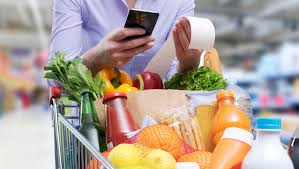
Consider your receipts. Don’t just toss them. Look at them.
See what you bought. Were there many impulse items? Were there things you didn’t use?
This visual can be eye-opening. It’s a quick check on your shopping habits.
Quick Scan: Your Weekly Grocery Check
Purpose: To see what you bought last week. Did you use it all?
How: Look at your last grocery receipt.
What to Note: Any items you didn’t use? Any items you bought too much of?
Next Step: Use this info for your next shopping trip.
Monitoring Food Usage: The Fridge and Pantry Audit
This is where you really see the impact. Tracking how much food you use is vital. It directly shows you where you are wasting.
A regular audit of your fridge and pantry is smart. It’s like a quick health check for your food.
How often should you do this? Once a week is great. Maybe before you go grocery shopping.
Open your fridge. Pull out items from the back. Check your pantry shelves.
See what needs to be used soon. Make a mental note. Or write it down.
This simple act helps you build meals around what you have. You might see half a bell pepper. You might have some leftover chicken.
These can go into a stir-fry. Or a quick salad. It’s about using these items before they spoil.
This saves you money. It also reduces your waste footprint.
Some people like to use a whiteboard. They write down “Use First” items. This keeps them visible.
It’s a constant reminder. Others take photos of their fridge contents. This is helpful if you’re away from home.
You can check your fridge before buying more. It’s all about making the information visible and actionable.
Audit Example: What I Found Last Week
What: One zucchini, half a can of black beans, some cooked rice.
Where: Fridge crisper drawer.
Plan: Combine with some spices for a quick veggie side dish.
Result: Used it up! No waste.
Setting Goals: What Do You Want to Achieve?
To track progress, you need to know what you’re tracking towards. What are your goals for grocery shopping and meal planning? Be specific.
Vague goals are hard to measure. Think about what success looks like for you.
Some common goals include:
- Reducing grocery spending by $X per month.
- Throwing away less than X pounds of food per week.
- Cooking at home X nights a week.
- Using up X percent of produce before it spoils.
Choose one or two goals to start. Big goals can feel overwhelming. Small, clear goals are easier to focus on.
And they give you a sense of accomplishment when you reach them. This keeps you motivated. It makes the whole process feel less like a chore.
Write your goals down. Put them somewhere you will see them often. On your fridge.
On your mirror. This constant reminder keeps them top of mind. It helps you make choices that align with your goals.
Goal Setting Tip: Be Realistic
If you currently spend $800 a month on groceries, don’t aim for $300 next month. Aim for $750. Small, steady progress is better than a drastic change that’s hard to maintain.
Celebrate the wins.
Methods for Tracking Progress
Now let’s talk about how you actually track all this. There isn’t one “right” way. The best method is the one you will actually use.
It needs to fit your life. And your style.
1. The Simple Notebook Method
This is the most basic. Keep a small notebook and a pen handy. When you go grocery shopping, write down the date and the total cost.
If you do a smaller store run, add that too. At the end of the week, add up your totals. This gives you a weekly spending number.
You can also use the notebook for food waste. Jot down what you threw away. A brief note like “half bag of salad” or “stale bread.” Over time, you’ll see patterns.
You can also note down successful meal uses, like “used up all the leftover broccoli in soup.”
Pros: Very easy to start. No tech needed. Low barrier to entry.
Cons: Requires manual entry. Can be less organized over time.
2. Spreadsheet Tracking
If you like numbers and organization, a spreadsheet is great. You can create columns for:
- Date of Purchase
- Store Name
- Total Spent
- Specific Items Purchased (optional, for detail)
- Food Waste (Item, Quantity, Reason)
- Meals Cooked at Home
- Produce Used Up (Yes/No)
You can use tools like Google Sheets or Microsoft Excel. They can even do some calculations for you. Like summing up your monthly spending.
Pros: Highly organized. Can generate reports. Good for detailed analysis.
Cons: Can seem intimidating to some. Requires computer access.
3. Budgeting Apps
These apps are designed for spending tracking. Many are free. Popular ones include Mint, Personal Capital, or YNAB (You Need A Budget).
You link your bank accounts and credit cards. The app then categorizes your spending.
You can set a specific budget for groceries. The app will show you how much you have left. Some apps also allow you to track specific types of spending.
You might be able to tag “grocery” spending accurately.
Pros: Automates a lot of tracking. Real-time updates. Easy to see overall financial picture.
Cons: Requires trusting an app with financial data. Might not be detailed enough for food waste tracking.
4. Visual Tracking (Whiteboard or Fridge Board)
This is for those who like visual cues. Get a small whiteboard or a large piece of paper. Stick it on your fridge.
Use markers or magnets.
You can have sections for:
- “Use This Week” (for items nearing their end)
- “Groceries Bought This Week” (total cost)
- “Food Waste This Week” (brief notes)
- “Meals Cooked at Home” (checkmarks)
This makes the information visible to everyone in the household. It’s a constant reminder. It encourages good habits through visibility.
Pros: Highly visible. Easy for quick updates. Engages the whole family.
Cons: Can get messy. Limited space for detail.
My Favorite Combo: Notebook + Whiteboard
I use a small notebook for detailed notes when I’m at the store. But I have a whiteboard on my fridge for quick weekly summaries. It’s the best of both worlds for me.
I see daily updates, and have a record later.
Putting It All Together: Making Progress Visible
The goal of tracking is to see if you’re moving in the right direction. Don’t just collect data. Look at it!
What does it tell you?
Reviewing Your Grocery Spending
Look at your weekly or monthly totals. Did they go down? Did they stay the same?
If they went up, why? Was it a holiday? Did you stock up on sale items?
Or did you just buy more than planned?
Compare your spending to your goal. If your goal was to spend $500 a month and you spent $550, that’s okay. You’re still seeing the number.
Next month, aim for $525. Small steps add up.
Assessing Your Food Waste
Look at your notes on food waste. Are you throwing away a lot of the same things? Maybe you always have half a carton of yogurt left.
Or too many vegetables. This tells you where to adjust your shopping or planning.
If you notice you waste a lot of produce, try buying less. Or find more recipes that use those specific items. If you waste a lot of prepared foods, maybe your meal plans are too ambitious.
Or you’re buying too many convenience items.
Evaluating Meal Planning Success
How many meals did you actually cook? Did you stick to your meal plan? If not, why?
Was the plan too rigid? Were the recipes too complex for weeknights? Or did life just get in the way?
It’s okay if you don’t hit 100%. If you planned 5 dinners and cooked 4, that’s a success! If you planned 5 and cooked 2, that’s a learning opportunity.
Maybe you need simpler meals. Or more flexibility in your plan.
Contrast Matrix: Myth vs. Reality
Myth: Tracking is time-consuming and boring.
Reality: Simple tracking methods take only a few minutes a week and can save you hundreds of dollars and a lot of stress.
Myth: You need fancy apps to track anything.
Reality: A pen and paper can be just as effective, if not more so, for many people.
Adjusting Your Approach
Tracking progress isn’t just about collecting data. It’s about using that data to make better choices. Your tracking system should guide your actions.
If something isn’t working, change it.
Shopping List Refinements
If you keep buying too much of one item, adjust your list. Or try buying smaller quantities. If you’re always forgetting staples, make a permanent “must-buy” section on your list.
Pay attention to unit prices. Sometimes a larger size is cheaper per ounce, but only if you’ll use it all. Your tracking might show you’re wasting money on bulk items you don’t finish.
Meal Plan Flexibility
If your meal plan feels too strict, loosen it up. Have a “leftover night” or a “pantry meal night” built in. This gives you flexibility if plans change.
Or if you’re just not feeling one of the planned meals.
Consider “theme nights.” Taco Tuesday, Pasta Wednesday. This can simplify planning. It also uses similar ingredients.
It reduces waste.
Pantry and Fridge Management
If you’re consistently wasting certain items, change how you store them. Maybe some vegetables last longer in a different part of the fridge. Or in a sealed container.
Look up best practices for storing different foods.
“First in, first out” is a good rule. When you buy new groceries, put them behind the older ones. This ensures you use the older items first.
Quick Tip: The “Eat Me First” Box
Designate a specific shelf or container in your fridge. Label it “Eat Me First.” Put items in here that need to be used up soon. It makes them highly visible.
When to Seek More Help or Resources
For most people, simple tracking and planning are enough. But sometimes, you might need more. If you’re consistently struggling, don’t be afraid to look for extra support.
Online Resources
There are countless websites and blogs with free meal plans and shopping lists. Many offer tips on reducing food waste. Look for reputable sources.
Government sites like the USDA or EPA often have helpful guides.
Community Programs
Some local communities have programs that help with food budgeting or meal planning. Check with your local extension office or community center. They might offer workshops or resources.
Professional Help
If financial stress is a major issue, consider talking to a financial advisor. For persistent issues with overspending or hoarding food, a therapist or counselor might be helpful.
The Long-Term Benefits of Tracking
Tracking your grocery shopping and meal planning progress isn’t a one-time task. It’s an ongoing habit. But the rewards are significant.
You’ll likely:
- Save money on groceries.
- Waste less food.
- Eat healthier meals more often.
- Feel more in control of your kitchen and your budget.
- Reduce your environmental impact.
It might take a few weeks to find the tracking method that works best for you. Don’t get discouraged if it’s not perfect at first. The key is consistency.
Small, regular efforts add up. You’re building a skill. This skill will serve you for years to come.
Frequently Asked Questions
What is the easiest way to start tracking grocery spending?
The easiest way is to keep your grocery receipts. Write the total amount spent on the back of the receipt. Keep them in a small envelope or box for a month. Then add them up at the end of the month.
How can I track food waste without a lot of effort?
A simple visual method works well. Get a small whiteboard or piece of paper for your fridge. Make a note whenever you throw food away. Just a few words, like “half carton milk” or “wilted lettuce.” This keeps it visible.
Should I track every single item I buy at the grocery store?
Not necessarily. For most people, tracking the total amount spent per shopping trip is enough. If you want to dig deeper, you can note down specific categories like “produce,” “meat,” or “snacks” to see where your money goes.
How often should I review my tracking data?
It depends on your method. If you’re using a notebook for receipts, review monthly. If you’re using an app or whiteboard, weekly reviews are good. The key is to look at it often enough to make adjustments.
What if my grocery spending goes up one month?
Don’t worry! Life happens. Maybe you hosted guests, or prices increased. Look at your receipts or notes to see why. Then, aim to get back on track the next month. It’s about long-term trends, not perfect months.
How does meal planning help with tracking progress?
Meal planning gives you a target for your grocery list. When you plan, you buy what you need for specific meals. This reduces impulse buys and over-purchasing. It makes your spending more predictable and your food usage more efficient, which is easier to track.
Your Kitchen, Your Progress
Taking control of your grocery shopping and meal planning is a journey. Tracking your progress is your map. It shows you where you’ve been and helps you plan your next steps.
Start simple, stay consistent, and celebrate your wins. You’ve got this!




Leave a Reply