
Dealing with grocery bills feels like a constant uphill battle. You plan, you shop, and then you see the total. It’s frustrating, right?
Many of us feel this pinch. We want healthy food for our families. But the cost keeps climbing.
This makes sticking to a budget tricky. It feels like you’re always guessing. Are you getting the best deals?
Are you wasting food? We’ll walk through how to use smart tools and apps. These help you shop better and plan meals.
You’ll save money and stress less. Let’s make your grocery trips work for you.
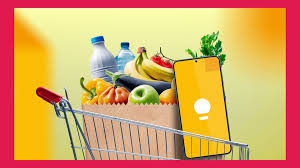
Smart grocery shopping and meal budgeting involve using apps, tools, and resources to find deals, plan meals, track spending, and reduce waste. This helps families save money while ensuring they have healthy food.
Understanding Smart Grocery Shopping
Smart grocery shopping is more than just picking items off shelves. It’s a whole strategy. It means thinking ahead.
It involves knowing prices. It’s also about buying what you will actually use. This prevents waste.
Waste costs money. It’s also bad for the planet.
Think about your last few trips. Did you buy things you didn’t need? Did some food go bad before you could eat it?
These are common issues. They add up quickly. Smart shopping aims to fix this.
It uses tools to make better choices. These tools help you see the bigger picture. They guide you toward savings.
Why does this matter so much? Food is a big part of any household budget. For many families, it’s the second-biggest expense.
After housing, food costs are high. Cutting down here makes a big difference. It frees up money for other needs.
Or for fun things! It also means less worry. You feel more in control of your finances.
So, what are we aiming for? We want to be more efficient. We want to be more aware.
We want to make every dollar count. This isn’t about being cheap. It’s about being smart.
It’s about value. It’s about getting the most for your money.
My Own Grocery Shopping Wake-Up Call
I remember one Tuesday evening. I was trying to make dinner. I opened the fridge.
It was a mess. Half an onion, wilting. A sad-looking bunch of spinach.
Some chicken breasts I forgot about. And a container of leftovers I didn’t finish. My stomach dropped.
All that food, wasted. And I had just spent nearly $150 at the store on Saturday. I felt so guilty.
And angry at myself. I was spending too much. And then throwing good money away.
I vowed right then to change things. I started looking for better ways to shop. Ways to manage my food better.
It took time. But I found tools that helped me. I learned to plan.
I learned to track. It made a huge difference.
Smart Shopping Habits Checklist
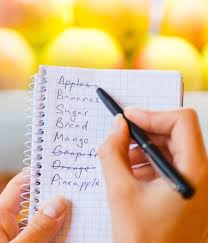
Plan Ahead: Always make a list before you shop.
Check Your Stock: See what you already have at home.
Compare Prices: Look at different brands and sizes.
Use Coupons: Find and use digital or paper coupons.
Buy in Season: Seasonal produce is often cheaper and tastes better.
Avoid Impulse Buys: Stick to your list. Don’t shop when hungry.
The Power of Meal Planning
Meal planning is the bedrock of smart grocery shopping. It’s like having a roadmap for your food. Without a plan, you drift.
You buy things on a whim. You end up with meals that don’t quite work. Or you run out of key ingredients mid-week.
When you plan meals, you know exactly what you need. You look at your week. What nights are busy?
What nights have more time? You pick recipes. Then you make a list based on those recipes.
This list is your guide. It stops you from buying extras. It stops you from forgetting things.
Think about the benefits. First, you save money. You buy only what you need.
You use up what you buy. This means less food waste. Second, you save time.
No more last-minute trips to the store. No more staring blankly into the fridge. You know what’s for dinner.
Third, you eat healthier. Planned meals often mean more home cooking. Home cooking is usually better for you than eating out.
It has fewer added sugars and salts.
Meal planning also helps with variety. You might find yourself cooking the same few things over and over. Planning can push you to try new recipes.
It helps you use different ingredients. This keeps meals interesting. It ensures you get a wider range of nutrients.
Some people find meal planning hard. It can feel like a chore. But it gets easier with practice.
The key is to start simple. Maybe plan just a few dinners a week at first. Or plan around what you already have in your pantry.
Meal Planning Steps
Step 1: Check your calendar. Note busy nights or special events.
Step 2: Browse recipes or decide on meals. Use what’s on sale.
Step 3: Make a grocery list. Group items by store section.
Step 4: Shop your pantry first. See what you already own.
Step 5: Go shopping. Stick to your list.
Essential Grocery Shopping Apps
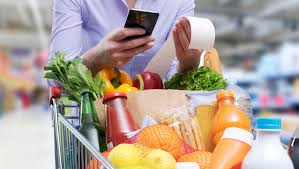
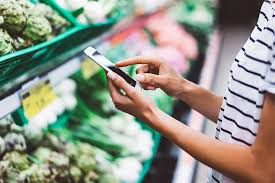
Apps are your best friends in the modern grocery game. They bring powerful tools to your phone. You can access them anywhere.
These apps help with many things. They help you find deals. They let you build lists.
Some even help you track spending.
Let’s look at some popular types of apps. And what makes them useful for smart shoppers.
Deal and Coupon Apps
These apps scan flyers and websites. They find the best sales in your area. Many let you “clip” digital coupons.
These are applied at checkout. Some even offer cashback offers. You scan your receipt.
Then you get money back.
Examples include:
Ibotta: Offers cashback on many items. You activate offers before shopping. Kroger’s app (and many other store apps): Offers digital coupons and loyalty rewards.
Checkout 51: Similar to Ibotta, offers cashback deals. Flipp: Gathers weekly ads from most major retailers.
Using these apps means you’re always aware of sales. You can plan your meals around what’s cheap. This is a big money saver.
List-Building and Organization Apps
These apps go beyond simple to-do lists. They let you share lists. You can organize items by aisle.
Some can even add items by voice. This makes shopping faster.
Examples include:
AnyList: Great for sharing lists with family members. It remembers past purchases. Google Keep: Simple notes app.
You can make checklists. * Out of Milk: Organizes by store section. Also has a pantry inventory feature.
When your list is well-organized, you don’t wander. You move through the store efficiently. This means less temptation to buy things you don’t need.
It also saves time. You find items faster.
Price Comparison and Recipe Apps
Some apps help you compare prices directly. Others link recipes to ingredient lists. This connects meal planning to shopping.
Examples include:
SuperCook: You tell it what ingredients you have. It suggests recipes. Allrecipes Dinner Spinner: Find recipes.
It can also help you build a shopping list from them.
These apps are great for using up what you have. They help you discover new ways to cook. This reduces food waste.
It makes cooking more fun.
App Spotlight: Ibotta
What it is: A cashback app.
How it helps: Earn money back on groceries you buy.
Tips: Activate offers before you shop. Always scan your receipt.
Savings potential: Can save $20-$50+ per month.
Budgeting Tools and Tracking
Knowing how much you spend is crucial. Many people underestimate their grocery costs. Budgeting tools help you see the reality.
They show you where your money is going. Tracking spending makes you more mindful.
Budgeting can feel complex. But it doesn’t have to be. The goal is to set limits.
And then to stay within them.
Budgeting Apps
These apps link to your bank accounts. They categorize your spending. They show you your budget status.
Many can send alerts if you’re overspending.
Examples include:
Mint: A popular all-in-one personal finance app. YNAB (You Need A Budget): Focuses on giving every dollar a job. It has a learning curve but is very effective.
* PocketGuard: Helps you see how much money you have available to spend.
Using these apps can be eye-opening. You might see that you spend a lot on convenience foods. Or on impulse buys.
Once you see it, you can change it.
Spreadsheets and Manual Tracking
Not everyone likes apps. A simple spreadsheet can work wonders. You can create columns for date, store, items, and total cost.
You update it after each shopping trip. This manual process forces you to pay attention.
You can also use a small notebook. Keep it in your purse or wallet. Write down every grocery purchase.
At the end of the week, add it up. This method is very direct. It makes you very aware of each transaction.
The key is consistency. Whatever method you choose, use it regularly. Regular tracking helps you spot patterns.
It helps you identify areas for improvement. It builds good habits.
Budgeting vs. Tracking
Budgeting: Setting spending limits for categories.
Tracking: Recording where your money actually goes.
Why both are needed: Budgeting gives you a goal. Tracking shows you if you’re meeting it.
Reducing Food Waste
Food waste is a huge drain on your budget. And it’s a common problem in many homes. We buy too much.
We forget about food in the back of the fridge. Or we just don’t know what to do with leftovers.
Reducing waste directly saves money. If you throw away less food, you buy less food. It’s a simple equation.
It also makes you feel better. Knowing you’re not wasting resources is good.
Smart Storage Tips
How you store food matters a lot. Proper storage keeps food fresh longer.
Refrigeration: Keep your fridge at the right temperature (below 40°F or 4°C). Use clear containers. This lets you see what’s inside.
Store leftovers promptly. Label them with the date.
Freezing: The freezer is your friend. Freeze extra bread. Freeze fruits and vegetables.
Freeze portions of meals. This is perfect for busy nights. It prevents food from going bad.
Pantry Storage: Keep dry goods in airtight containers. This keeps out pests. It also keeps them fresh.
Store items like potatoes and onions in cool, dark places. But not together. Onions can make potatoes sprout faster.
Using Leftovers Creatively
Don’t let leftovers sit and die. Give them a second life. Leftover chicken can become chicken salad.
Leftover rice can be fried rice. Roasted vegetables can be added to soups or frittatas. Get creative!
Have a “leftover night” each week. It’s a great way to clear out the fridge. It saves you cooking a whole new meal.
You can also pack leftovers for lunch. This saves money on buying lunch out.
Leftover Makeover Ideas
Cooked Chicken: Tacos, wraps, pasta salad, soup.
Cooked Rice: Fried rice, add to soup, use as a base for bowls.
Roasted Vegetables: Omelets, quiches, pasta dishes, blend into soups.
Leftover Pasta: Bake into a casserole, add to soup.
Understanding Unit Pricing
This is a smart shopper’s secret weapon. Unit pricing tells you the cost per ounce, pound, or unit. It’s usually on the shelf tag.
It helps you compare different sizes of the same product. Or compare different brands.
For example, a large box of cereal might seem like a better deal. But if you look at the unit price, the smaller box might be cheaper per ounce. This is especially true for non-food items too, like paper towels or detergent.
Why is this important? Stores want you to buy bigger sizes. They often offer discounts on them.
But not always. The unit price reveals the true cost. It helps you make the best choice for your wallet.
Always look for it. Do the math if it’s not there. It’s worth the effort.
Unit Price Example
Product: Cereal
Option A: 10 oz box for $3.00
Unit Price A: $0.30 per ounce
Option B: 15 oz box for $4.00
Unit Price B: Approximately $0.27 per ounce
Conclusion: Option B is the better deal per ounce.
Loyalty Programs and Rewards
Most major grocery stores have loyalty programs. Signing up is usually free. These programs offer discounts.
They give you access to member-only sales. They often earn you points. These points can be redeemed for money off future purchases.
Or for free items.
Don’t ignore these programs. They are designed to reward you. Make sure you always give your card or phone number at checkout.
It’s an easy way to save money on every trip.
Some credit cards also offer rewards for grocery spending. If you spend a lot on groceries, consider a card that gives you extra points or cashback. Just be sure you pay off the balance each month.
Otherwise, the interest will cancel out the savings.
I personally use my store’s app. I get personalized coupons based on what I buy. I also collect points.
These points often give me $5 off my next shop. It adds up. It feels good to get a little something back.
Loyalty Program Benefits
Instant Discounts: Reduced prices for members.
Personalized Coupons: Offers based on your buying habits.
Points/Rewards: Earn credit towards future purchases.
Early Access: Sometimes get access to sales first.
Buying in Bulk vs. Small Quantities
This is a common question for smart shoppers. When is buying in bulk a good idea? And when is it better to buy smaller amounts?
Bulk buying is often cheaper per unit. This is true for non-perishable items. Think rice, pasta, canned goods, toilet paper.
If you have the storage space. And if you know you will use it before it expires or goes bad. It also means fewer trips to the store.
However, bulk isn’t always best. For perishable items like fresh produce or dairy, buy only what you can use. You don’t want to buy a huge bag of salad.
And then have it wilt before you finish it. That’s wasted money.
Also, consider your budget. If buying a large quantity strains your immediate budget, it’s not a good deal. Sometimes it’s better to buy smaller amounts more often.
This spreads out your spending. It also allows you to take advantage of sales.
My rule of thumb: If it’s something I use a lot of. And it doesn’t go bad quickly. And I have space.
I look for a bulk option. For everything else, I buy what I need. And I watch for sales.
Bulk Buying Guide
Good for Bulk: Grains, beans, pasta, canned goods, cleaning supplies, paper products.
Use Caution with Bulk: Fresh produce, dairy, meat (unless you plan to freeze it all).
Check Storage: Do you have room? Is it climate-controlled?
Check Usage: Will you realistically use it before it spoils?
The Role of Store Brands
Store brands, also called generic or private label brands, are made by the store. They are usually cheaper than name brands. Many people worry that they are lower quality.
But this is often not true.
Most major grocery chains have invested heavily in their store brands. They often meet high quality standards. Sometimes, they are made in the same factories as name brands.
The only difference is the label and the price.
Try to be open to store brands. Especially for staples. Like milk, eggs, bread, sugar, flour, canned vegetables.
You might be surprised by how good they are. And how much money you save.
If you’re unsure, try a small size first. See if you like it. You can always go back to the name brand if you don’t.
But you might find a new favorite. One that saves you money regularly.
Store Brand vs. Name Brand
Price: Store brands are almost always cheaper.
Quality: Often very similar. Many meet high standards.
Selection: Stores offer a wide range of their own brands.
When to Choose Store Brand: For staples, budget-friendly options, trying new things.
Understanding Sales Cycles
Stores have sales cycles. They often repeat promotions. If you know these cycles, you can time your purchases.
This means buying items when they are at their lowest price.
For example, many pantry staples go on sale every 4-8 weeks. Seasonal items like holiday treats or back-to-school supplies will have specific sales windows. Meat prices often fluctuate.
Knowing these patterns helps you buy when the price is right.
How do you figure this out? Watch flyers: Keep an eye on weekly ads. Note when items go on sale.
Track prices: Use a spreadsheet or a simple notebook. Record the price of items you buy often. * Use apps: Some apps can help track price history.
This strategy is called “stockpiling.” It means buying items on sale. And stocking up. You only do this for items you use.
And only if you have the storage space. This can lead to huge savings over time. But it requires patience and planning.
Sale Cycle Example: Cereal
Observation: Cereal tends to go on sale for around $1.50 – $2.00 per box.
Normal Price: $3.50 – $4.50 per box.
Strategy: When cereal is on sale, buy enough to last until the next sale cycle (usually 6-8 weeks).
Savings: You save $2.00 – $2.50 per box.
The Convenience Trap
Convenience foods are tempting. Pre-cut vegetables. Ready-made meals.
Single-serving snacks. They save time. But they almost always cost more.
The convenience comes with a price tag.
Think about pre-cut fruit. You pay extra for the labor of cutting. A whole pineapple is cheaper.
You just need a few minutes to cut it yourself. Similarly, a block of cheese is cheaper than shredded cheese.
What can you do? Chop your own veggies: Spend 30 minutes on a Sunday. Chop onions, peppers, carrots.
Store them in containers. Cook in batches: Make a big pot of rice or beans. Use it for multiple meals.
* Assemble your own snacks: Buy larger bags of chips or pretzels. Portion them out into smaller bags.
It’s about finding a balance. Some convenience is okay. But always weigh the cost.
Is the saved time worth the extra money you spend?
Convenience Costs You Money
Pre-cut Produce: Higher price for labor.
Microwave Meals: Costly for ready-to-eat.
Single-Serving Snacks: More packaging, higher unit price.
Prepared Sauces: Often cheaper to make your own.
Tip: Look for “value-added” items. Are they worth the extra cost for you?
Making the Most of Farmers’ Markets
Farmers’ markets can be a fantastic resource. Especially in the summer and fall. You get fresh, seasonal produce.
Often, it’s grown locally. This means it’s picked at its peak ripeness. And it travels less distance.
Sometimes, prices can be higher than the supermarket. But not always. Especially for in-season items.
You can also often talk directly to the farmer. They can tell you how the food was grown. And how to best prepare it.
Tips for smart farmers’ market shopping:
Go late in the day: Vendors may offer deals to clear out stock. Buy what’s in season: This is where prices are usually best. Compare prices: Different vendors may have different prices for the same item.
Bring cash: Some vendors prefer cash. * Have a list: Don’t go just to browse. Know what you’re looking for.
Farmers’ markets are also a great way to support local businesses. And to connect with your community. It’s a whole different shopping experience.
Farmers’ Market Finds
Seasonal Produce: The freshest and often best-priced items.
Local Honey & Jams: Unique flavors.
Artisan Breads & Cheeses: High quality.
Cut Flowers: Beautiful and locally grown.
Direct Farm Knowledge: Learn about your food.
When to Buy Organic
The topic of organic food often comes up. Organic foods are grown without synthetic pesticides or fertilizers. They also don’t contain GMOs.
They are generally more expensive.
Is it worth it? The Environmental Working Group (EWG) publishes a “Dirty Dozen” and “Clean Fifteen” list each year. The Dirty Dozen are produce items with the most pesticide residue.
The Clean Fifteen have the least.
If your budget is tight, focus on buying organic for the Dirty Dozen. For the Clean Fifteen, buying conventional might be fine. This strategy helps you save money.
But still reduce pesticide exposure where it matters most.
U.S. Department of Agriculture (USDA) certified organic means it meets strict standards. Look for the USDA Organic seal.
Organic Choices: Dirty Dozen vs. Clean Fifteen
Dirty Dozen (Buy Organic If Possible): Strawberries, spinach, kale, apples, nectarines, peaches, cherries, pears, raspberries, blueberries, green beans, tomatoes.
Clean Fifteen (Conventional is Often Okay): Avocados, sweet corn, pineapple, onions, papayas, sweet peas (frozen), eggplant, asparagus, cauliflower, cantaloupe, broccoli, mushrooms, cabbage, watermelon, potatoes.
What This Means for Your Budget
Putting all these strategies together has a real impact. It’s not just about tiny savings. It’s about significant change.
Smart shopping can save a family hundreds of dollars a year. Or even more.
The key is to be consistent. It takes a little effort upfront. But the payoff is big.
You’ll find you have more money for other things. Or you can simply worry less about bills.
What should you do now? Start small. Pick one or two strategies.
Maybe start by planning meals for three nights a week. Or try using one new coupon app. Gradually add more as you feel comfortable.
It’s about building sustainable habits. Habits that fit your lifestyle. You don’t have to be perfect.
Every little bit helps. The goal is progress, not perfection.
Quick Tips for Smarter Shopping
Here are some easy wins you can implement right away.
Always check your pantry first. Before making a list, see what you already own.
Stick to your list. Resist impulse buys. If you see something not on your list, ask yourself if you truly need it.
Don’t shop hungry. This is a classic mistake. Everything looks good when you’re hungry. You’ll buy more.
Look high and low on shelves. The most expensive items are often at eye level.
Buy store brands. They are often just as good and much cheaper.
Use coupons and cashback apps. A few minutes of effort can save dollars.
Plan meals around sales. See what’s advertised this week. Build your dinners around those deals.
Reduce food waste. Use leftovers. Store food properly. Freeze what you won’t use soon.
Frequently Asked Questions
What are the best free grocery apps?
Some of the best free apps for grocery savings include Flipp for weekly ads, Ibotta and Checkout 51 for cashback, and store-specific apps like Kroger or Walmart for digital coupons and loyalty rewards. Many also offer simple list-building features.
How often should I plan my meals?
It’s ideal to plan your meals weekly. This allows you to check sales flyers for the upcoming week. You can also better manage fresh ingredients.
Some people find success planning bi-weekly or monthly for non-perishables.
Is buying in bulk always cheaper?
Not always. While bulk buying often offers a lower unit price, you must consider storage space and whether you will use the item before it spoils or expires. For perishable items, buying smaller quantities more often can be more economical.
How can I reduce food waste at home?
To reduce food waste, properly store food, use leftovers creatively, implement a “first in, first out” system in your fridge, and plan meals to use ingredients before they go bad. Freezing is also a great way to preserve food.
What is the most important tip for saving money on groceries?
The most impactful tip is often to create and stick to a shopping list based on a meal plan. This prevents impulse purchases and ensures you only buy what you need.
Are store brands good quality?
Yes, store brands are generally good quality. Many are produced by the same manufacturers as national brands. They offer significant savings without a noticeable drop in quality for most products.
Conclusion
Mastering smart grocery shopping and meal budgeting is a journey. It involves using the right tools. It means adopting good habits.
Apps, planning, and mindful spending are key. You can save money. You can reduce stress.
And eat well too.

Leave a Reply